Global commitment on display as countries negotiate key annex to the Pandemic Agreement

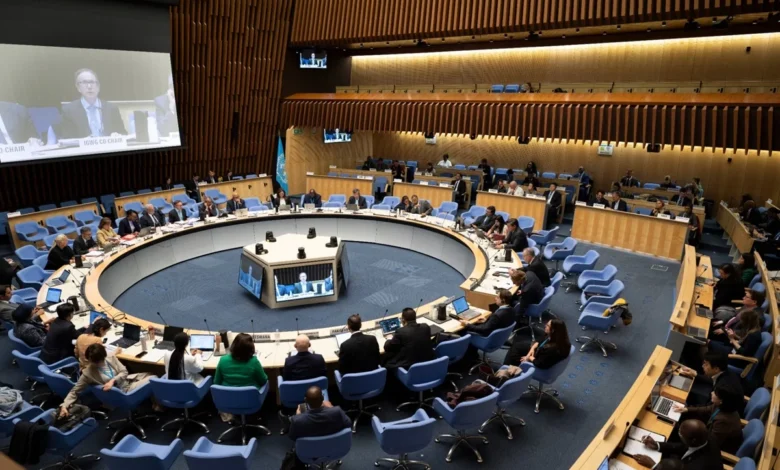
Geneva, Switzerland – Member States of the World Health Organization (WHO) have concluded a pivotal week-long round of negotiations on the draft annex for Pathogen Access and Benefit Sharing (PABS), a cornerstone component of the comprehensive WHO Pandemic Agreement. This intensive session, the fifth meeting of the Intergovernmental Negotiating Body (INB), previously known as the Intergovernmental Working Group (IGWG) on the WHO Pandemic Agreement, took place from February 9-14, 2024, concluding with productive discussions and a renewed commitment to solidify a global framework for future pandemic preparedness and response. The urgency of these discussions is underscored by a rapidly approaching May deadline, when the culmination of these efforts is slated for presentation to the World Health Assembly (WHA).
The PABS system is meticulously engineered to address one of the most glaring deficiencies exposed during the COVID-19 pandemic: the stark disparity in access to life-saving tools and information. Its core mandate is dual-pronged: to facilitate the swift and unhindered sharing of pathogen materials and their genetic sequence data, and, concurrently, to ensure the rapid, timely, fair, and equitable sharing of benefits derived from these shared resources. This mechanism is envisioned as the bedrock for a truly global and equitable response, guaranteeing that scientific breakthroughs translate into public health interventions accessible to all, irrespective of economic standing or geographical location.
A Crucial Juncture: The Fifth INB Meeting
The recent Geneva meeting marked a critical phase in the negotiation process. Delegates from across the globe delved into the intricate details of the PABS annex, tackling complex provisions related to data sharing protocols, intellectual property rights, technology transfer, and mechanisms for equitable distribution of vaccines, diagnostics, and therapeutics. Ambassador Tovar da Silva Nunes of Brazil, co-chair of the INB Bureau, expressed optimism, noting, "Countries this week have again shown their steadfast commitment to getting the Pathogen Access and Benefit Sharing annex done. We now have a clear vision for streamlining the text, while ensuring that the more contentious elements receive the necessary consultation." This sentiment highlights both the progress made and the recognition that significant hurdles remain on sensitive issues that often pit the interests of developed nations, with their robust pharmaceutical industries, against those of developing countries, which frequently bear the brunt of disease outbreaks but lack manufacturing capacity.
Echoing this perspective, Mr. Matthew Harpur of the United Kingdom, the other co-chair, emphasized the gravity of the task at hand. "As we conclude the fifth meeting of the Intergovernmental Working Group, I want to thank delegations for their serious and constructive engagement. It is clear that important differences remain, but there is a shared recognition of what is at stake," Harpur stated. He underscored the time-sensitive nature of the negotiations, adding, "With time running short, the coming weeks will be critical in bridging the remaining gaps and delivering a Pathogen Access and Benefit Sharing annex that is fair, effective, and fit for purpose." The urgency stems from the World Health Assembly’s mandate for the agreement to be presented and potentially adopted during its annual meeting in May, a deadline that injects considerable pressure into the final stages of drafting.
A Legacy of Inequality: Lessons from COVID-19 and Beyond
The genesis of the WHO Pandemic Agreement, and specifically the PABS annex, lies in the harrowing experiences and profound inequalities laid bare by the COVID-19 pandemic. The global health crisis, which officially began in early 2020, rapidly exposed critical gaps in international coordination, pathogen surveillance, and, most notably, equitable access to medical countermeasures. While high-income countries swiftly secured vast quantities of vaccines, often pre-purchasing doses before they were even approved, many low- and middle-income countries faced severe delays, sometimes waiting months or even over a year for initial shipments. This "vaccine nationalism" led to a stark global divide, with some nations achieving high vaccination rates while others struggled to inoculate even their most vulnerable populations. Data from organizations like Our World in Data illustrates this stark disparity: by the end of 2021, while over 60% of people in high-income countries had received at least one vaccine dose, this figure plummeted to less than 10% in low-income countries.
This was not the first time such inequities had surfaced. The 2007 dispute over the H5N1 avian influenza virus, where Indonesia refused to share viral samples unless it was guaranteed access to vaccines developed from them, served as a potent precursor to the current discussions. Indonesia argued that sharing samples without benefit-sharing guarantees contributed to a system where wealthy nations benefited from the research and development, while poorer nations, often the source of new pathogens, were left vulnerable. This incident directly led to the establishment of the Pandemic Influenza Preparedness (PIP) Framework in 2011, which, while a step forward, primarily focused on influenza and lacked the comprehensive scope now envisioned for the broader pandemic agreement. The PABS annex aims to generalize and strengthen these principles, extending them to all pathogens with pandemic potential.
The Genesis of the WHO Pandemic Agreement: A Timeline of Collective Action
The call for a new international instrument on pandemic preparedness and response gained significant momentum in the wake of COVID-19.
- December 2020: European Council President Charles Michel first proposed the idea of an international pandemic treaty.
- May 2021: The 74th World Health Assembly (WHA) adopted a decision to establish a Member State-led process to strengthen WHO preparedness and response to health emergencies.
- December 2021: A Special Session of the WHA adopted a decision to establish an intergovernmental negotiating body (INB) to draft and negotiate a WHO convention, agreement, or other international instrument on pandemic preparedness and response. This marked the formal beginning of the treaty process.
- February 2022: The first meeting of the INB (then IGWG) took place, laying out the roadmap for negotiations.
- Mid-2022 to Early 2024: Subsequent INB meetings (including the recent fifth meeting in February 2024) have focused on negotiating the core text of the agreement and its various annexes, with PABS emerging as a particularly complex and crucial element.
- May 2023: The World Health Assembly (WHA) adopted the overarching framework for the Pandemic Agreement, setting the stage for the detailed negotiations on key annexes like PABS. This adoption was described by WHO Director-General Dr. Tedros Adhanom Ghebreyesus as a "huge testament to global cooperation."
- May 2024: The deadline for presenting the final draft of the Pandemic Agreement, including the PABS annex, to the 77th World Health Assembly for consideration and potential adoption.
The legally binding nature of this international instrument signifies a profound shift from voluntary guidelines to enforceable commitments, designed to make the world safer and more equitable in the face of future pandemics. It seeks to correct the global weaknesses exposed by COVID-19 and strengthen international coordination and collaboration across multiple fronts, from surveillance and early warning systems to research and development, and, crucially, equitable access to countermeasures.
Navigating the Contentious Terrain: Intellectual Property, Financing, and Equity
The "contentious elements" alluded to by Ambassador Nunes largely revolve around the intricate interplay of intellectual property rights (IPRs), sustainable financing mechanisms, and genuine equity. Developing nations, often referred to as the Global South, advocate for robust provisions that mandate technology transfer, waive IPRs during a pandemic, and ensure transparent pricing. They argue that public health imperatives should override commercial interests during global health emergencies, citing the immense human and economic toll of delayed access during COVID-19. Estimates by the International Monetary Fund (IMF) suggest that the global economic cost of the COVID-19 pandemic could reach $13.8 trillion by 2024, highlighting the catastrophic economic impact of unchecked outbreaks. Conversely, pharmaceutical companies and many developed nations, particularly those with strong biopharmaceutical sectors, emphasize the importance of IPRs as incentives for innovation and investment in research and development. They argue that eroding IPR protections could stifle the very innovation needed to combat future pathogens.
The PABS annex attempts to bridge this divide by proposing a system where countries sharing pathogens agree to certain benefit-sharing arrangements. These could include:
- Manufacturing capacity building: Investing in and facilitating the establishment of vaccine and therapeutic manufacturing facilities in developing countries.
- Technology transfer: Sharing know-how and technical expertise with manufacturers in low- and middle-income countries.
- Tiered pricing: Implementing differential pricing models for essential medical products to make them affordable in all contexts.
- Allocation guarantees: Ensuring a certain percentage of production is reserved for equitable distribution through WHO-coordinated mechanisms like COVAX.
- Open access to research: Making research findings and data publicly available in a timely manner.
The negotiations also grapple with the critical issue of sustainable financing. Who will bear the costs of enhancing global surveillance, building regional manufacturing hubs, and ensuring equitable access? Proposals range from national contributions to innovative financing mechanisms, including potentially a levy on pharmaceutical sales or a global solidarity fund. The lack of a clear, dedicated, and adequate funding mechanism has historically hampered global health initiatives, and negotiators are keen to avoid a repeat scenario.
Stakeholder Engagement and Broader Perspectives
Recognizing the multifaceted nature of pandemic preparedness, the negotiations have involved a broad spectrum of stakeholders beyond just government delegations. Representatives from the private sector, including pharmaceutical companies and biotechnology firms, have engaged in dialogues, offering their perspectives on innovation, manufacturing capabilities, and the implications of proposed benefit-sharing models on their business operations. Academia and research institutions have contributed scientific expertise on pathogen surveillance, genomic sequencing, and the rapid development of countermeasures. Laboratories and sequence information databases, such as GISAID (Global Initiative on Sharing All Influenza Data), have provided crucial insights into the practicalities and importance of rapid data sharing. Civil society organizations and non-governmental organizations (NGOs) have played an advocacy role, ensuring that the voices of vulnerable populations are heard and emphasizing the human rights dimension of equitable access to health tools. This multi-stakeholder approach aims to create an agreement that is not only legally robust but also technically feasible and socially just.
Statements of Commitment and Urgency from Global Leadership
Dr. Tedros Adhanom Ghebreyesus, WHO Director-General, remains a vocal proponent of the agreement, constantly reminding Member States of the collective responsibility. "Adopting the Pandemic Agreement last year was a huge testament to global cooperation, and we need to build on that momentum. Strong multilateralism remains essential as countries have to face future pandemics together, collectively," he affirmed. His confidence in the negotiation process is palpable: "Recognizing the steady progress being made, I am confident that they will reach an agreement on the Pathogen Access and Benefit Sharing annex in time for the World Health Assembly in May this year." His statements reflect the deep commitment within the WHO to forge a new paradigm of global health governance, one that prioritizes solidarity and equity over nationalistic tendencies.
Economic Imperatives and Global Health Security
The economic rationale for a robust PABS system and the broader Pandemic Agreement is compelling. The World Bank estimated that the annual cost of a severe pandemic could be as high as 5% of global GDP, translating to trillions of dollars. A study by the Coalition for Epidemic Preparedness Innovations (CEPI) highlighted that the cost of developing a new vaccine can range from hundreds of millions to billions of dollars, but the economic returns on such investments, when successful in averting a pandemic, are exponentially higher. Investing in preparedness, including equitable access mechanisms, is not merely a humanitarian gesture; it is a sound economic strategy. A system that ensures rapid pathogen sharing and equitable access to countermeasures can significantly reduce the duration and severity of future pandemics, thereby mitigating their devastating economic consequences. Early detection, rapid response, and widespread access to tools are the most cost-effective strategies for pandemic management.
The Road Ahead: Bridging the Gaps Before May
With the May deadline rapidly approaching, the coming weeks will be crucial. Member States are expected to resume negotiations next month, likely engaging in intensified informal consultations and potentially additional formal sessions to iron out the remaining divergences. The focus will be on finding common ground on the most challenging provisions, particularly those concerning intellectual property, financing, and concrete mechanisms for technology transfer and benefit sharing. The success of these final stages will hinge on the political will of all nations to compromise and prioritize the long-term collective good over short-term national or commercial interests. The ability to streamline the text while adequately addressing contentious elements, as highlighted by Ambassador Nunes, will be paramount.
Implications for a Safer, More Equitable World
The successful adoption of a comprehensive WHO Pandemic Agreement, complete with a fair and effective PABS annex, holds profound implications for global health security. It would signify a monumental shift towards a more proactive, coordinated, and equitable approach to managing global health threats. Such an agreement could:
- Enhance early warning and surveillance: By standardizing pathogen sharing protocols, countries could detect and characterize novel pathogens more quickly, enabling a faster global response.
- Accelerate R&D: Predictable access to pathogens and genetic data would streamline research into diagnostics, treatments, and vaccines.
- Promote equitable access: Guaranteed benefit-sharing mechanisms would ensure that life-saving tools are not monopolized by wealthy nations, thereby preventing a repeat of "vaccine apartheid."
- Strengthen health systems: Investments in manufacturing capacity and technology transfer in developing countries would bolster global resilience.
- Reinforce multilateralism: The agreement would be a powerful testament to the enduring importance of international cooperation in addressing shared global challenges.
Conversely, a failure to reach consensus, particularly on the PABS annex, could leave the world vulnerable to a repeat of the inequities and disarray experienced during COVID-19. It could undermine trust in multilateral institutions and exacerbate existing geopolitical tensions in the event of a future pandemic. The stakes are therefore immeasurably high, and the global community watches with anticipation as negotiators strive to deliver an instrument that truly makes the world safer and more just for all.
Related posts: