Gen Z’s Embrace of Horror Films: A Reflection of Anxious Realities and Evolving Storytelling


The rising popularity of horror films among Generation Z, exemplified by recent box office hits like Obsession and Backrooms, signals a profound shift in cinematic preferences and offers a revealing glimpse into the anxieties defining a generation. Far from mere escapism, these films resonate with a demographic that has come of age amidst unprecedented global challenges, finding in horror a candid mirror to their often-turbulent realities.
The Unprecedented Rise of Horror Among Digital Natives
According to a comprehensive report released last year by the market research firm Statista, an astounding 91 percent of Generation Z consumers actively engage with horror films or series, positioning them as the age demographic with the highest consumption rate of the genre. This figure, as highlighted by Cathy Boxall, Head of Global Entertainment at the advertising agency Dentsu, significantly surpasses that of preceding generations. Boxall further notes that horror has ascended to become Gen Z’s third most favored genre, trailing only behind comedy and action films, a remarkable trajectory for a category often relegated to niche audiences. This surge is not merely a statistical anomaly but a cultural phenomenon, prompting deeper inquiry into the psychological and sociological underpinnings of this generational predilection. The data underscores a paradigm shift in how younger audiences perceive and interact with entertainment, preferring narratives that confront, rather than conceal, life’s inherent complexities and darker facets. This heightened engagement also translates into robust financial performance for the genre, with horror consistently overperforming its production budgets, especially in an era where blockbusters often require astronomical investments. The low-to-mid budget nature of many successful horror titles makes them particularly attractive to studios looking for high returns, further fueling production and innovation within the genre. This trend has been observed not just in cinematic releases but also across streaming platforms, where horror content frequently features in top-watched lists for younger demographics, indicating a sustained and growing appetite.
A Generation Forged in Crisis: The Roots of Gen Z’s Anxiety
The affinity of Generation Z for horror is not arbitrary; it is deeply rooted in their lived experiences. Born roughly between 1997 and 2012, this cohort has navigated a landscape punctuated by a relentless succession of global crises and profound societal shifts. Their formative years unfolded against the backdrop of the 2008 global financial crisis, witnessing its lingering economic repercussions and the erosion of traditional pathways to stability, leading to widespread concerns about student debt, housing affordability, and career progression. As they began to contemplate entering the workforce, the looming specter of artificial intelligence (AI) and automation cast a pall over job prospects, introducing an unprecedented level of uncertainty regarding future employment and economic security. A 2024 Pew Research Center study, for instance, found that a significant portion of Gen Z expresses concern over job displacement by AI, adding another layer to their economic anxieties.
Beyond economic precarity, Gen Z has been on the front lines of an accelerating climate crisis, experiencing firsthand the devastating impacts of extreme weather events like Hurricane Katrina, the Australian bushfires, and countless others globally. The omnipresent threat of school shootings, particularly prevalent in the United States, has normalized active shooter drills, imbuing their educational environments with a pervasive sense of vulnerability and fear. Then came the COVID-19 pandemic, a global cataclysm that disrupted every aspect of their lives—education, social development, mental health, and economic stability—on an unprecedented scale. These cumulative experiences have fostered a generation characterised by heightened anxiety, a profound sense of uncertainty, and a keen awareness of systemic failures. As Lauren Cook, a therapist and author of Generation Anxiety: A Millennial and Gen Z Guide for Staying Afloat in Uncertain Times, eloquently puts it, "The horror genre has evolved alongside Gen Z. It now delves deeper into dark, real-world issues rather than simply relying on gratuitous gore or violence." This evolution reflects a desire among creators to craft narratives that mirror the intricate and often terrifying complexities of modern existence, providing a cathartic outlet for a generation grappling with an often-unsettling reality.
Beyond Jump Scares: The New Horror Paradigm and Its Thematic Depth
Modern horror, particularly the films resonating with Gen Z, has transcended the simplistic tropes of jump scares and slasher gore, evolving into a sophisticated medium for exploring contemporary social and psychological issues. Films like Obsession (2025) and Backrooms exemplify this shift, offering narratives that, while terrifying, are deeply interwoven with the anxieties and cultural discussions prevalent among young people.
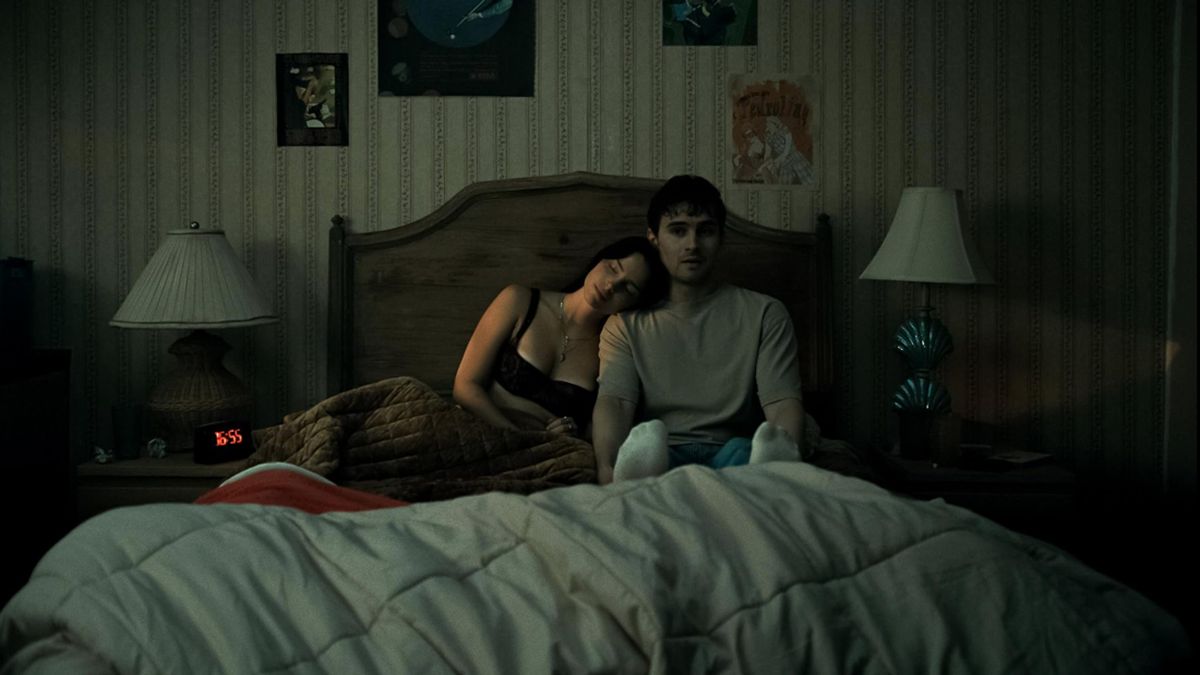
Obsession, a film helmed by 26-year-old YouTuber Curry Baker, ventures beyond its supernatural premise of a man (Michael Johnston) using a magical twig to manipulate a woman’s (Indie Navarrette) affections. Beneath the surface of its sadistic scenes, the film bravely tackles the insidious nature of "red pill" culture. This online movement, which posits that men are victims of an unjust, feminised system and advocates for a return to traditional values, often breeds misogyny, resentment, and even violence against women. By embedding these real-world ideological conflicts within a horror framework, Obsession transforms into a chilling commentary on toxic masculinity, digital radicalization, and the frightening implications of perceived male entitlement. The supernatural element serves as a metaphor for the psychological manipulation and control inherent in such movements, making the film’s horror resonate on a deeply unsettling, socio-cultural level that reflects current debates on gender dynamics and online extremism.
Similarly, Backrooms, a psychological horror film by Gen Z director Kane Parsons, adapts his popular YouTube series to explore themes highly relevant to his generation. The narrative, which follows a furniture store owner’s descent into his darkest self, is a powerful allegory for alienation, trauma, and the crushing limitations of modern life choices. The "Backrooms" concept itself, originating from an internet urban legend that gained immense traction on platforms like Reddit and YouTube, taps into a collective unconscious fear of liminal spaces, endless mazes, and existential dread – feelings acutely familiar to a generation that often feels adrift in an increasingly isolating digital world. Parsons’ work is a masterful exploration of the psychological toll exacted by societal pressures and personal demons, where the horror isn’t just external but deeply internal, reflecting the mental health struggles widely reported among Gen Z, including rising rates of anxiety and depression. These films demonstrate how contemporary horror is becoming a vital platform for social critique, offering a lens through which young audiences can process and confront the darker aspects of their world, transforming abstract fears into tangible, terrifying narratives.
Expert Insights: Catharsis and the Acceptance of Dark Realities
The appeal of this evolving horror genre to Gen Z is further illuminated by expert psychological and sociological analysis. Lauren Cook, the aforementioned therapist, highlights Gen Z’s appreciation for the genre’s unflinching honesty. Unlike previous generations, which might have preferred narratives that sugarcoated harsh realities, Gen Z embraces stories that refuse to sanitize or prettify life’s darker facets. "Gen Z is better equipped to confront the darker side of life than previous generations, who often wanted to cover everything with a smile. I think that’s actually their strength," Cook observes. This perspective suggests that horror provides a form of catharsis, allowing viewers to process anxieties in a controlled environment. By engaging with fictional terror, Gen Z can confront, externalize, and perhaps even gain a sense of mastery over the real-world fears that permeate their daily existence. It acts as a safe space to explore taboo subjects and confront the uncomfortable truths of human nature and societal flaws.
Kaitlyn Ruano, a 23-year-old high school teacher and film reviewer for The Drama Drive-In, echoes this sentiment, asserting that Hollywood has finally succeeded in producing horror films that genuinely resonate with Gen Z’s life experiences. She emphasizes the generation’s strong commitment to social issues, making horror an ideal medium for exploring complex societal problems. Ruano’s analysis points to a historical pattern: each generation finds its fears reflected in the horror subgenres of its time. The slasher films of the 1970s, for instance, spoke to anxieties about suburban safety and the breakdown of traditional family structures. The rise of films like The Craft (1996) in the 1980s and 1990s coincided with public panic surrounding satanism and occult practices. The 2000s saw a shift towards action-oriented horror, particularly zombie films, which Ruano interprets as a reflection of the "war on terror" era and a more militaristic American society. This historical context underscores that Gen Z’s current horror preferences are part of a larger, ongoing cultural dialogue, with the genre continually adapting to mirror the collective consciousness of its audience. The current emphasis on psychological and socially-aware horror thus reflects Gen Z’s acute awareness of systemic injustices, mental health crises, and existential threats, making the genre not just entertainment, but a form of social commentary and emotional processing.
Hollywood’s Evolution: Reflecting the Times and Reaping Rewards
Film studios have keenly observed and capitalised on Gen Z’s burgeoning interest in horror, leading to significant commercial successes and a reevaluation of production strategies. The triumph of Backrooms is a testament to this trend. According to A24, the studio behind the film, director Kane Parsons made history as the youngest filmmaker in Hollywood to secure a number one box office debut. The film garnered an impressive approximately US$80 million in North America and a staggering US$120 million globally within its inaugural week of release. This achievement not only highlights Parsons’ talent but also signifies a studio’s willingness to invest in fresh, Gen Z-centric voices and narratives that emerge from digital platforms like YouTube, indicating a new pipeline for talent identification.
Similarly, Obsession, a co-production by Focus Features and Blumhouse Productions, captured the second position at the box office during the same week. Since its release on May 15, the film has amassed nearly US$150 million worldwide, a phenomenal return on its modest production budget of approximately US$750,000. These figures underscore the financial viability of horror, particularly when it taps into contemporary cultural zeitgeists with relatively low production costs. The commercial success of these films is not just about raw numbers; it’s about their alignment with Gen Z’s characteristic engagement with media. This generation thrives on content that sparks curiosity, generates buzz across digital platforms, and encourages lively discussion on social media. The "water cooler" effect has largely migrated online, and horror films, with their often-provocative themes and startling visuals, are perfectly poised to dominate these digital conversations. Studios are increasingly leveraging viral marketing and social media engagement to amplify reach, understanding that a film’s success now hinges as much on its shareability and discussability as on traditional advertising. This shift is reshaping marketing budgets and strategies, prioritising digital campaigns and influencer collaborations over conventional promotional avenues.
The Digital Native’s Discerning Eye: Analysis and a New Escapism
Gen Z’s deep engagement with horror is intrinsically linked to their identity as digital natives, a generation that grew up immersed in a media-saturated, hyper-connected world. This environment has fostered a unique approach to content consumption, one characterised by analytical scrutiny and a penchant for deconstruction. "Living in an era so heavily influenced by media and digital interaction, I think Gen Z tends to be more analytical than other generations," states Kaitlyn Ruano. They are not passive consumers; rather, they are adept at dissecting narratives, exploring subtexts, and engaging in meta-commentary. This generation grew up with readily available analytical articles, YouTube video essays, and online forums dedicated to unpacking every detail of a film or series. Horror, with its rich symbolism, allegorical potential, and often ambiguous endings, provides ample fodder for this analytical impulse, making it a perfect genre for online discussion and interpretation.
Furthermore, Ruano observes that her generation has had to navigate a world defined by extreme political polarization, pervasive societal darkness, and a redefined concept of "escapism." For Gen Z, the lighthearted romantic comedies and feel-good narratives of the 1990s or early 2000s, such as How to Lose a Guy in 10 Days, which once offered a pleasant diversion, now often feel profoundly unrealistic and even frustrating. "When watching films or series from the 1990s and 2000s, characters graduate college and immediately get their dream job or internship. It feels frustrating because we wonder, was life really that easy back then? Then look at our situation now," Ruano articulates. This disillusionment with overly optimistic or simplistic portrayals of life has driven Gen Z towards narratives that acknowledge, rather than ignore, the complex and often harsh realities of the contemporary world. For them, true escapism isn’t about ignoring problems, but about engaging with them in a fictional context, allowing for a safer exploration of fears that are all too real. Horror, in this sense, provides a form of "realistic escapism" — a space where the darkest corners of human experience and societal ills can be confronted without the pretense of a perfectly resolved, happy ending, offering a sense of shared understanding and validation.
Future Implications: A Darker, More Honest Cinematic Landscape
The profound connection between Gen Z and the horror genre carries significant implications for the future of filmmaking and cultural discourse. This trend suggests a sustained demand for narratives that are not only thrilling but also thematically rich, socially conscious, and psychologically resonant. Studios will likely continue to greenlight projects that push the boundaries of horror, moving beyond conventional scares to explore deeper societal anxieties and complex human conditions. This could foster a new wave of innovative filmmakers, much like Kane Parsons, who emerge from digital platforms and bring fresh perspectives to the big screen, often with a keen understanding of their generation’s concerns.
The success of low-budget, high-concept horror films also reinforces the industry’s shift towards efficient production models that prioritise compelling storytelling over extravagant special effects. This democratisation of filmmaking could open doors for more diverse voices and unconventional narratives, challenging the traditional blockbuster paradigm. Culturally, Gen Z’s preference for "dark honesty" in entertainment may signal a broader societal shift towards greater transparency and a rejection of superficial optimism. It suggests a generation eager to confront difficult truths, sparking important conversations about mental health, social justice, and existential threats that are often avoided in mainstream media. As Gen Z continues to assert its cultural influence, the cinematic landscape is poised to become a more unflinching, analytical, and perhaps, ultimately, a more honest reflection of the complex world we inhabit. The horror genre, in its latest evolution, stands as a testament to this generation’s resilience and their unique way of navigating an anxious age, finding empowerment and understanding in the very things that scare them. This enduring appeal will undoubtedly shape the future of entertainment, pushing creators to craft stories that are as deeply unsettling as they are profoundly insightful.