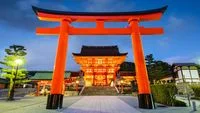
A cultural firestorm has erupted in Japan following the publication of a viral video featuring a group of New Zealand nationals performing a traditional Maori poi dance directly in front of the sacred torii gates of Fushimi Inari Taisha in Kyoto. The incident, which occurred earlier this month, has drawn widespread condemnation from both Japanese residents and international observers, sparking a heated debate regarding the intersection of cultural expression, tourism etiquette, and the preservation of sacred spaces in an increasingly globalized world.
The video, which circulated rapidly across social media platforms, particularly on X (formerly Twitter), depicted three individuals swinging poi—lightweight balls attached to cords—in a rhythmic, choreographed performance. The backdrop for their display was the iconic vermilion torii gate that serves as the ceremonial entrance to one of Japan’s most venerated Shinto shrines. The visual juxtaposition of a vibrant, indigenous performance against the somber, religious architecture of the 8th-century site prompted an immediate backlash from those who view the location as a sanctuary rather than a tourist attraction.
Chronology of the Controversy
The incident reportedly took place during a personal trip undertaken by a group led by Tangaroa Paul, a prominent academic who serves as the leader of the Maori Media program at the Auckland University of Technology (AUT) in New Zealand. Paul, who possesses extensive expertise in Kapa Haka, indigenous gender studies, and media, was identified by internet sleuths shortly after the video went viral on September 10 and 11, 2026.
As the footage gained traction, the narrative quickly shifted from curiosity to outrage. Critics argued that the group displayed a profound lack of cultural awareness. By utilizing a high-traffic entrance to a religious site as a stage for a performance, the group disrupted the flow of pilgrims and, according to local observers, violated the sanctity of the grounds. By the morning of September 12, the incident had become a trending topic in Japan, leading to a wave of online criticism directed at the group for their perceived arrogance in treating a place of worship as a backdrop for social media content.
The Significance of Fushimi Inari Taisha
To understand the intensity of the public reaction, one must consider the historical and spiritual significance of Fushimi Inari Taisha. Founded in 711 A.D., the shrine is the head institution of approximately 30,000 Inari shrines across Japan. It is dedicated to Inari Okami, the Shinto deity of rice, agriculture, business prosperity, and industry.
For over a millennium, the site has served as a place of pilgrimage for business owners praying for success and families seeking blessings. The physical layout of the shrine, characterized by thousands of vermilion torii gates, is designed to facilitate a spiritual journey. When visitors treat these pathways as public squares or theatrical spaces, they are seen as disrupting the meditative atmosphere intended for worshippers. In recent years, Kyoto—a city struggling with the pressures of "overtourism"—has implemented stricter regulations regarding photography and conduct in its historic districts and religious sites, making the timing of this incident particularly sensitive.
Official Apologies and Academic Response
As the vitriol online intensified, Tangaroa Paul issued multiple statements via social media in an attempt to mitigate the damage. In a series of posts, Paul acknowledged that his actions were rooted in ignorance and expressed a willingness to accept full responsibility for the distress caused to the Japanese public.
"I know my words of apology may never be enough, but actions might," Paul stated in one of his replies. He emphasized that he was deeply sorry for the pain and anger his group had inflicted upon the local community and those who hold the Fushimi Inari Taisha in high regard. He further committed to educating himself on the protocols associated with visiting sacred sites in Japan to ensure such an oversight never occurs again.
The Auckland University of Technology (AUT) issued a brief statement on Friday, September 11, confirming that the incident occurred during a personal trip and not in an official capacity for the university. The institution noted that Paul had acknowledged his error and offered a sincere apology, effectively distancing the university from the individual’s conduct while acknowledging the gravity of the situation. As of the weekend, the university indicated that Paul would not be providing further media interviews as he manages the fallout from the event.
Broader Implications: The "Overtourism" and Cultural Etiquette Debate
This incident serves as a bellwether for the growing tension between international travelers and local communities in Japan. Since the post-pandemic tourism boom, Japan has seen record-breaking numbers of visitors, leading to instances of public disorder in Kyoto, Gion, and other historic areas.
Sociologists suggest that the "performance" at Fushimi Inari is a symptom of a modern digital culture where the pursuit of "content" often eclipses the consideration of local norms. The incident has reignited discussions about the responsibilities of tourists. While the Maori poi dance is a deeply meaningful expression of indigenous culture, its performance in a location where it lacks context—and where it obstructs a religious function—highlights the need for better pre-travel education regarding host country etiquette.
Furthermore, the case underscores the vulnerability of Shinto shrines to secularization. Unlike many public parks, these spaces are strictly religious, and the "torii" gate acts as a symbolic threshold between the mundane and the sacred. By failing to respect this threshold, the travelers inadvertently fueled a sentiment that foreign visitors are increasingly failing to respect Japanese cultural boundaries.
Analysis of the Public Reaction
The reaction on X and other platforms was largely characterized by a sense of exhaustion. Japanese netizens, who have been vocal about the impact of tourism on their daily lives, viewed the video as another example of travelers prioritizing their own experience over the comfort and peace of the local population.
"It is not about the dance itself, which is beautiful, but about the place where it was done," one user noted in a widely shared post. "A temple or shrine is not a studio. We need visitors to understand that Kyoto is a living city, not a theme park."
The incident has also prompted calls for shrine authorities to enforce stricter policies regarding filming and performances on their grounds. While Fushimi Inari Taisha already has signage prohibiting activities that impede foot traffic, the rise of viral content creation suggests that signage alone may no longer be a sufficient deterrent.
Conclusion
As the global travel industry continues to recover and expand, the confrontation at Fushimi Inari Taisha stands as a cautionary tale. It emphasizes that cultural appreciation is not merely about sharing one’s own traditions, but about understanding and respecting the traditions of others. The swift, public apology from the individuals involved suggests an awareness of the gravity of their actions, yet the lingering frustration among the Japanese public indicates that the wounds—and the broader debate over respectful tourism—will take time to heal. For now, the event remains a stark reminder that the lens of a camera, when turned toward a sacred space without proper reverence, can do more than just capture an image; it can create a profound, and often painful, cultural divide.