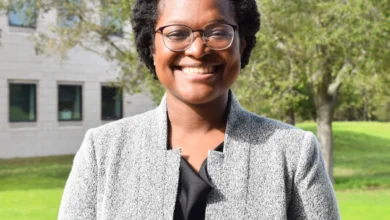
Vineeta Tanwar’s scientific path has taken her from New Delhi to Nashville to Columbus, and now to Novato, California, where she is at the forefront of groundbreaking research at the Buck Institute. Her work is driven by a profound belief that aging is not an immutable fate, but a dynamic process that can be understood, measured, and potentially influenced to promote healthier, longer lives. As part of the Buck Institute’s "Faces of Discovery" series, Tanwar’s contributions highlight the human element behind scientific breakthroughs, showcasing the dedication and diverse experiences of the scientists unraveling the complexities of aging.
From Passionate Curiosity to Scientific Pursuit
Tanwar’s initial fascination with the world around her and the impact of environmental changes on human life predates her formal scientific training. "I’ve always been fascinated by my surroundings and how changes in our environment affect the way we live and age," Tanwar explains. The questions of "why" and "how" were intrinsic to her nature, long before she considered a career in science. Her perspective shifted dramatically during her high school years when she discovered that scientific study provided a structured framework for her innate curiosity. This realization, encapsulated by Tim Minchin’s sentiment that "Science is simply the word we use to describe a method of organizing our curiosity," continues to fuel her work. This foundational principle remains Tanwar’s driving force, guiding her efforts to apply scientific inquiry to tangible health challenges and translate complex discoveries into actionable insights for everyday well-being.

Tanwar’s academic journey began in India, where she earned her PhD from the All India Institute of Medical Sciences (AIIMS) in New Delhi. This rigorous training provided her with a strong foundation in biomedical research. Following her doctoral studies, she transitioned to the United States, first joining Vanderbilt University in Nashville, Tennessee. At Vanderbilt, her research focused on the remarkable field of stem cell differentiation, specifically the process of transforming stem cells into beating heart cells. This work, which she describes as "never gets old," delved into the fundamental mechanisms of cellular development and regeneration, a crucial area for understanding tissue repair and the potential for regenerative medicine.
Her scientific exploration then led her to The Ohio State University in Columbus, Ohio. Here, Tanwar broadened her research scope to investigate the significant impact of environmental factors on human health. Her work at Ohio State centered on understanding how air pollution and various environmental exposures influence the health of the heart and lungs. This research is particularly relevant in an era of increasing environmental concerns, as it sheds light on the often-underestimated role of external factors in contributing to chronic diseases, including those associated with aging.
The GRACE Study: Addressing a Critical Transition in Women’s Health
Currently, at the Buck Institute, Tanwar is translating her extensive research experience into impactful clinical studies. A central pillar of her current work is the GRACE (Glycation Reduction and Aging, a Clinical Evaluation) study. This clinical trial is specifically designed to investigate the health challenges faced by postmenopausal women, a demographic often characterized by a range of metabolic, hormonal, and functional shifts. These changes can manifest as hot flashes, weight gain, joint stiffness, and other discomforts, yet the population often has limited therapeutic options.

The GRACE study targets glycation stress, a biological process that Tanwar likens to "caramelization inside the body." This process, driven by heat and sugar, leads to the formation of sticky compounds that can stiffen tissues, including blood vessels and skin, thereby increasing the risk of various diseases. Instead of focusing on individual symptoms, the GRACE study adopts a more holistic approach by examining whether mitigating this underlying glycation stress can promote healthier aging during the postmenopausal transition. Tanwar expresses that "If we’re able to meaningfully improve even one or two aspects of health, whether metabolic balance, physical function, or quality of life, I would consider that a real success!" This ambition underscores the study’s potential to offer significant improvements in the well-being of a substantial segment of the population.
A Milestone in Clinical Research and Future Implications
The launch of the GRACE trial represents a significant milestone for Tanwar, marking her first clinical study that bridges years of preclinical research with a rigorously designed human trial. She emphasizes the unique nature of the postmenopausal population, who are neither very young nor elderly but are experiencing profound biological transformations. Tanwar notes the surprising scarcity of clinical trials specifically tailored for women at this life stage, despite their increased susceptibility to age-related and metabolic changes.
The operationalization of aging biology within a clinical setting has been an immense learning experience for Tanwar and her team. Beyond traditional metabolic markers, the GRACE study is incorporating innovative, non-invasive measures of aging, such as retinal aging and functional performance assessments. This multifaceted approach aims to capture a more comprehensive picture of the aging process in women. The implications of this research extend beyond advancing our understanding of aging in this specific demographic. It is actively laying the groundwork for future clinical trials that aim to treat aging itself as a modifiable process, rather than solely focusing on the prevention or treatment of diseases that emerge later in life. This paradigm shift holds the promise of proactive, age-centric interventions.

Explaining Complex Science with Clarity and Relatability
Tanwar’s ability to articulate complex scientific concepts in accessible terms is evident in her explanation for a curious grandmother, illustrating the core of her research with a relatable analogy. She explains that as individuals age, particularly after menopause, the body’s ability to efficiently process sugar and energy diminishes. This gradual decline leads to cellular damage over time. She highlights this life stage as a critical transition where minor biological alterations can have substantial long-term health consequences. Her research, she clarifies, is dedicated to discovering gentle and safe methods to reduce this cellular damage before it escalates into serious health issues. The ultimate aim is to facilitate smoother aging, moving away from a model of treating individual diseases towards a strategy of supporting overall healthier aging. For Tanwar, the motivation stems from the profound impact even minor improvements can have on an individual’s quality of life and independence as they age. The aspiration is not merely to extend lifespan but to enhance healthspan – the period of life spent in good health.
The Future of Aging Research: Personalized, Preventive, and Equitable
Looking ahead, Tanwar expresses significant optimism about the trajectory of aging research. She is particularly enthusiastic about the rapid shift towards personalized and preventive healthcare approaches. Advances in the development and application of biomarkers, the proliferation of wearable technology for continuous health monitoring, and sophisticated systems biology methodologies are revolutionizing our ability to quantify and understand the aging process. These tools and techniques offer unprecedented insights that were unimaginable just a few years ago.
A key area of hope for Tanwar lies in the increasing recognition that women’s aging biology warrants dedicated scientific investigation. Historically, much of aging research has been extrapolated from male-dominant data sets. Tanwar stresses the importance of focused study, especially during critical life stages like menopause, where biological changes are rapid and deeply interconnected with daily functioning and overall quality of life. She anticipates that within the next decade, aging science will become increasingly integrated into routine healthcare practices. This integration promises to empower individuals, particularly women, to intervene earlier and more precisely in their aging process, leading to more equitable outcomes in health and well-being across the lifespan.
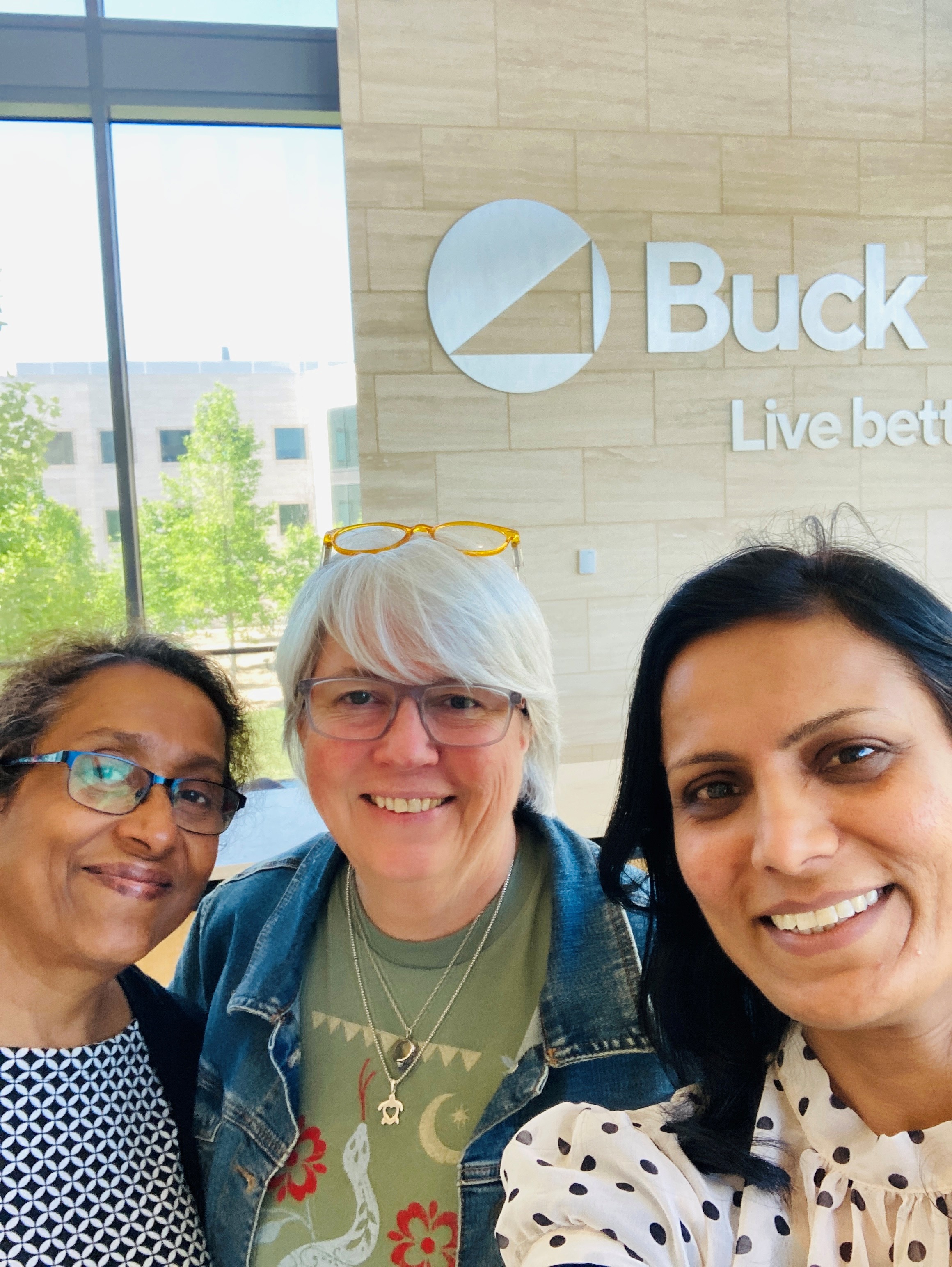
The Buck Institute, a pioneering institution in aging research, serves as a fertile ground for Tanwar’s ambitious endeavors. The institute’s commitment to understanding the fundamental biology of aging and translating these discoveries into interventions that improve human health aligns perfectly with Tanwar’s personal and professional mission. Her journey, marked by a consistent drive to connect fundamental science with real-world applications, exemplifies the spirit of discovery that defines the Buck Institute and its dedication to helping people live healthier, longer lives. The integration of her expertise in stem cell biology, environmental health, and clinical trials positions her as a vital contributor to the evolving landscape of aging science.
Related posts: