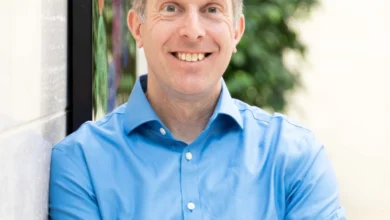
From Marathon Novice to Longevity Pioneer: Dr. Taylor Valentino Unlocks the Molecular Secrets of Muscle Aging

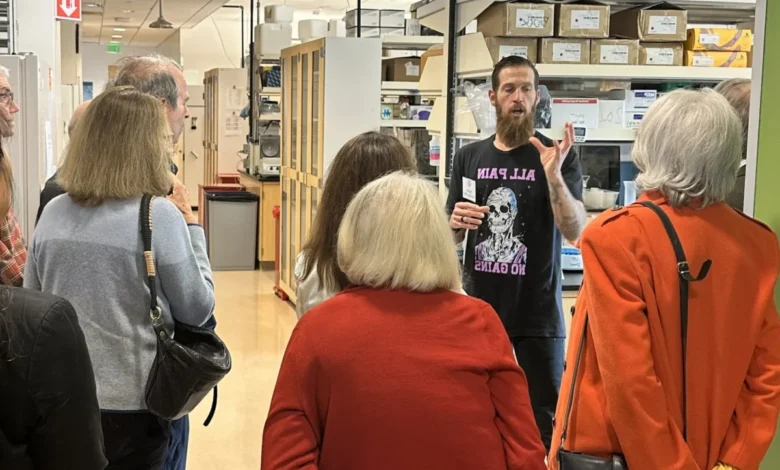
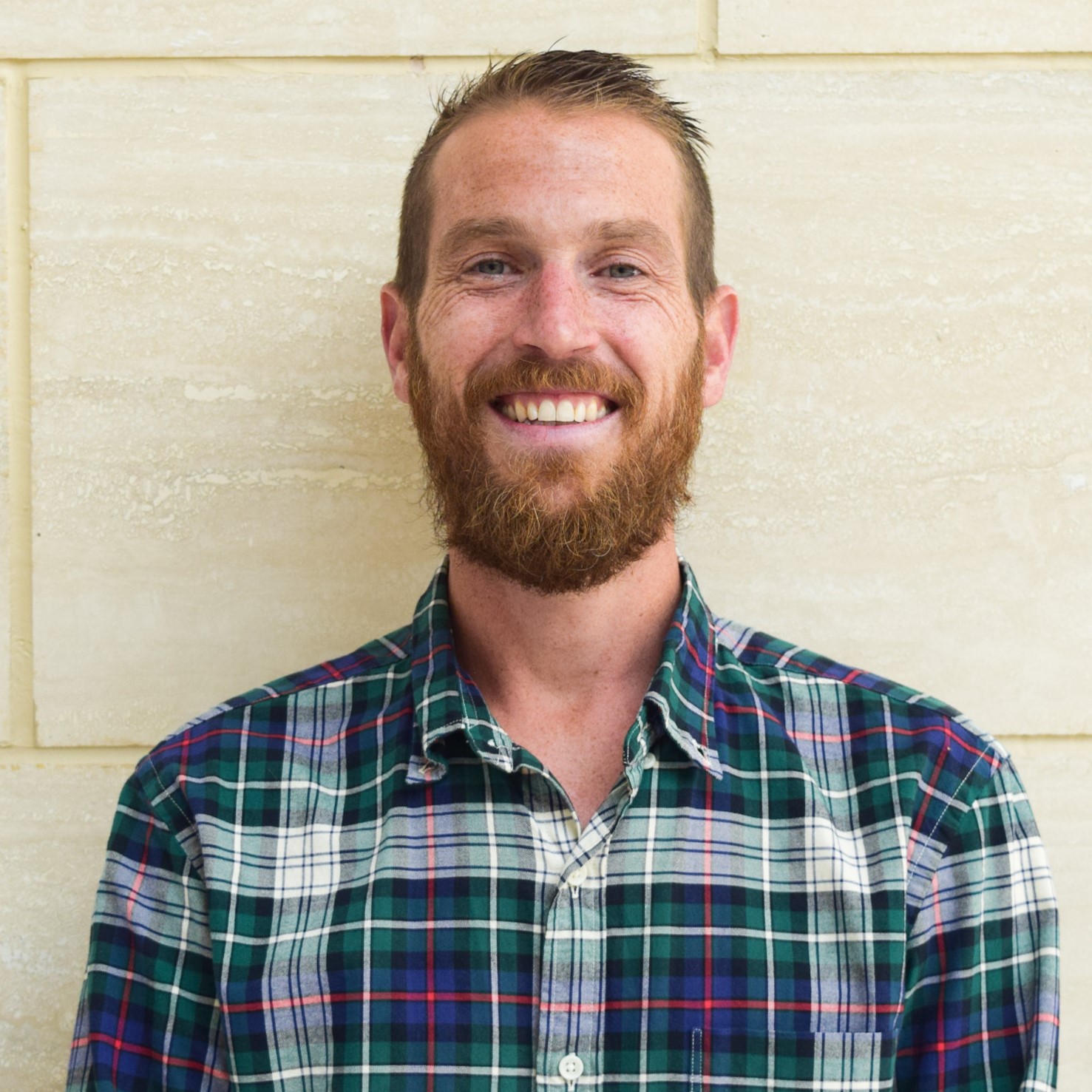
The pursuit of human longevity has long captured the imagination of scientists, philosophers, and the general public alike. While living a longer life is an increasingly attainable goal in modern society, the quality of those extended years—known as healthspan—remains a formidable challenge. At the forefront of this scientific frontier is the Buck Institute for Research on Aging, a premier independent biomedical research facility located in Novato, California. Through its ongoing monthly series, "Faces of Discovery," the institute highlights the researchers who are unraveling the complex mysteries of aging. Among these dedicated scientists is Dr. Taylor Valentino, a postdoctoral researcher in the laboratory of Dr. Dan Winer, whose unconventional path to science has led him to investigate one of the most critical components of aging: how diet, exercise, and the human microbiome intersect to preserve muscle mass and function.
Main Facts and the Path to Scientific Discovery
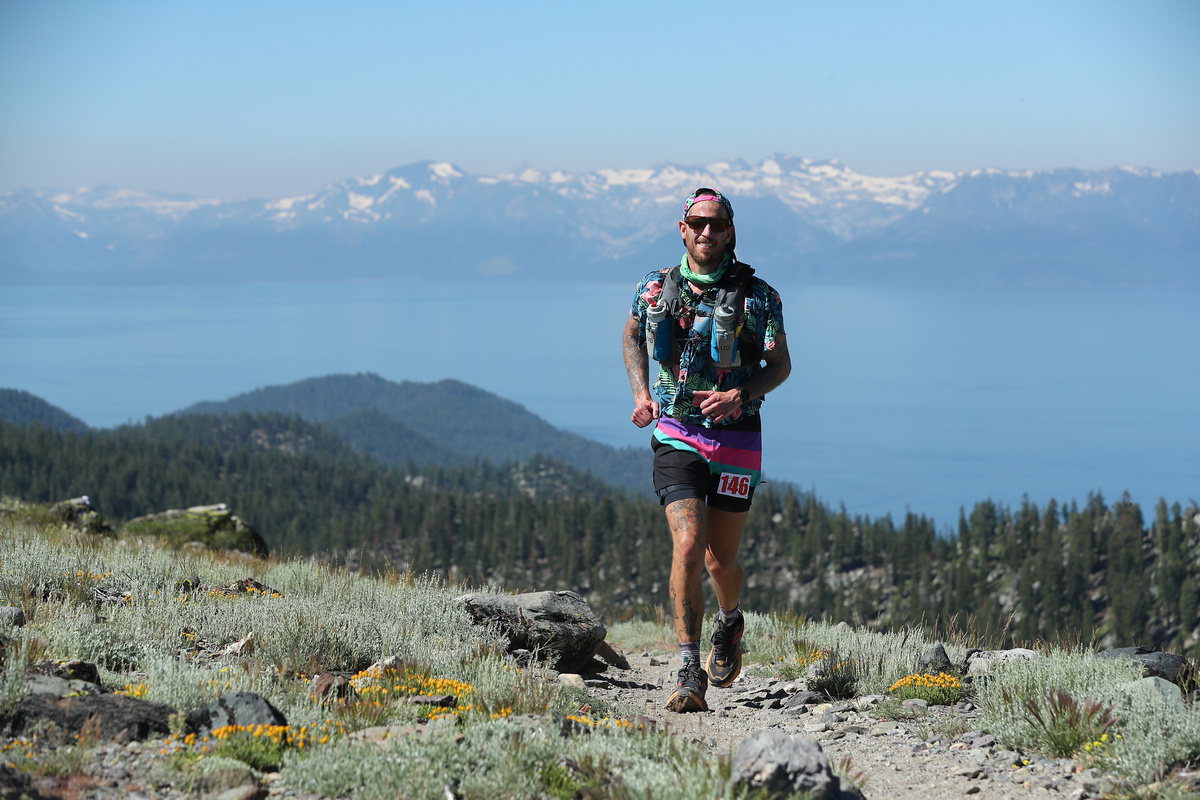
Dr. Valentino’s journey into the intricate world of physiology and biogerontology is anything but conventional. A native of Novato, California, Valentino’s initial academic and professional trajectory did not point toward a career in molecular biology. In 2004, he moved to Santa Barbara with aspirations far removed from rigorous laboratory research. However, a milestone family event shifted his course entirely. When his father approached his 50th birthday, he and a friend issued a challenge to Valentino: join them in running a marathon.
Arrogantly agreeing to the challenge with zero prior understanding of physical training, Valentino endured the grueling process of preparing for and completing the race. Despite the physical suffering, the experience sparked a profound curiosity about human health, physical endurance, and how the body responds to stress. This newfound interest prompted him to enroll in an introductory health class at Santa Barbara City College. What began as a personal quest to become a better runner quickly evolved into a passion for the biological sciences.
Valentino’s academic pursuits steadily expanded. He went on to earn both his Bachelor of Science and Master of Science degrees in exercise physiology from San Francisco State University, before completing his Doctor of Philosophy in Physiology at the University of Kentucky. Today, his work at the Buck Institute bridges the gap between whole-body physical conditioning and the microscopic chemical signals that govern cellular preservation. Outside of the laboratory—and away from collecting additional tattoos—Valentino maintains his lifelong passion for running, spends time with his wife and two daughters, explores craft IPAs, and embraces the emotional resonance of family movie nights.
Chronology of Research: From Sarcopenia to the Gut Microbiome
The core of Valentino’s current research addresses a pervasive and debilitating condition associated with aging: sarcopenia. Defined as the age-related progressive loss of skeletal muscle mass, strength, and function, sarcopenia significantly impacts the independence and overall quality of life for older adults. While public health messaging has long emphasized that physical exercise is one of the most potent tools for extending healthspan, the precise molecular mechanisms driving these benefits have remained elusive.
Historically, exercise science focused heavily on macroscopic outcomes—hypertrophy (muscle building), improved cardiovascular output, and increased systemic strength. Valentino’s work shifts the lens from macroscopic gains to the molecular and cellular choreography that occurs beneath the surface. Specifically, his research investigates how physical activity alters the composition and metabolic output of the human gut microbiome.
The human gastrointestinal tract hosts trillions of microorganisms that collectively form the gut microbiome. In recent years, biomedical researchers have recognized this microbial ecosystem as an untapped pharmacological resource capable of producing biologically active metabolites, often referred to as post-biotics. Valentino’s chronology of discovery involves identifying how exercise reshapes these microbial communities, prompting them to synthesize specific small molecules that act as systemic messengers.
When explained in lay terms—such as how Valentino might describe the work to his grandmother—these gut-derived molecules function as protective biochemical shields. In preclinical studies involving murine (mouse) models, Valentino and his colleagues have successfully isolated specific microbial metabolites that help preserve muscle size and strength, even as the subjects undergo advanced aging. By tracing the pathway from physical exertion to microbial modification and subsequent muscle preservation, the research team has mapped a novel communication axis between the gut and skeletal muscle tissue.
Supporting Data and Biological Implications
The implications of Valentino’s research are grounded in the growing body of geroscience data highlighting skeletal muscle as an endocrine and metabolic organ, rather than mere mechanical tissue for movement. As humans age, muscle mass typically begins to decline at a rate of approximately 3 to 8 percent per decade after the age of 30, with this rate accelerating significantly past the age of 60. This loss not only diminishes functional independence but also correlates strongly with metabolic disorders, increased risk of falls, and reduced systemic resilience against acute illnesses.
Preclinical trials conducted at the Buck Institute indicate that administering specific exercise-induced microbial metabolites can mitigate muscle atrophy in experimental models. These compounds appear to target cellular pathways associated with protein synthesis and degradation, counteracting the catabolic state that typically characterizes aging muscle tissue.
Furthermore, the translational potential of these findings extends beyond the aging demographic. A critical hurdle in modern medicine is managing muscle wasting in patients who are temporarily or permanently immobilized. Prolonged bed rest, extended hospitalizations, or the necessity of wearing orthopedic casts often lead to rapid, severe muscle atrophy that can take months to reverse through physical therapy alone.
Official Responses and Translational Applications
While the research is still advancing through rigorous preclinical phases, the translational vision articulated by Valentino and the Winer lab outlines a clear framework for clinical application. The primary objective is not to replace physical activity, nor to serve as a permanent pharmacological crutch for a sedentary lifestyle, but rather to develop targeted adjunct therapies.
In practical terms, the discovery could lead to the formulation of dietary supplements derived from these microbial post-biotics. Such interventions could be prescribed in specialized medical scenarios:
- Immobilization Support: Administered to patients undergoing extended bed rest or recovery from major surgeries to prevent rapid muscle degradation.
- Geriatric Rehabilitation: Utilized as a biochemical springboard for older adults suffering from advanced sarcopenia, providing the foundational strength required to safely reintroduce physical exercise regimens.
- Systemic Resilience: Supporting metabolic and muscular health in populations with limited baseline mobility due to chronic illness or disability.
Broader Impact on the Future of Geroscience
Looking toward the next five to ten years, the field of aging research is poised for a paradigm shift. As geroscience transitions from observational studies to targeted interventions, understanding the precise mechanisms of longevity-promoting lifestyles—such as exercise and caloric restriction—will allow scientists to design precise therapeutics that mimic or amplify these benefits.
Dr. Valentino’s work at the Buck Institute exemplifies this forward-looking approach. By decoding the molecular dialogue between physical activity, the microbiome, and skeletal muscle health, his research is helping to dismantle the inevitability of age-related physical decline. As laboratories worldwide continue to map the complex networks of human aging, discoveries originating from researchers like Valentino bring science closer to a future where growing older does not inherently mean growing frail.