Daily Consumption of Mangoes and Avocados Linked to Significant Improvements in Heart Health and Blood Vessel Function Among Adults with Prediabetes

Cardiovascular disease remains a leading cause of mortality worldwide, driving ongoing scientific investigation into preventative dietary strategies that can be seamlessly integrated into daily routines. Recent clinical findings published in the Journal of the American Heart Association offer a promising avenue for the nearly one in three Americans currently living with prediabetes. According to an eight-week controlled trial conducted by researchers at the Illinois Institute of Technology (Illinois Tech), the daily inclusion of fresh mangoes and Hass avocados can significantly improve blood vessel function and blood pressure markers, all without triggering weight gain or requiring restrictive caloric limitations.
The study sheds light on a food-first methodology that addresses vascular health—a critical component of overall metabolic wellness—among a vulnerable population at elevated risk for developing type 2 diabetes and subsequent cardiovascular complications. As public health officials continuously search for scalable, sustainable dietary interventions, these findings underscore the potent impact that specific nutrient-dense whole foods can have on human physiology.
Background Context and Public Health Significance
Prediabetes is characterized by blood glucose levels that are higher than normal yet fail to meet the diagnostic threshold for type 2 diabetes. In the United States alone, approximately 98 million individuals are estimated to have the condition, with a vast majority remaining undiagnosed. Beyond the well-documented progression toward full-scale diabetes, prediabetes is independently associated with an increased risk of cardiovascular morbidity, driven largely by endothelial dysfunction—the impairment of the thin cellular layer lining blood vessels that regulates vascular tone and blood flow.
Traditionally, addressing prediabetes and mitigating cardiovascular risk has relied heavily on broad dietary overhauls, weight loss regimens, and pharmacological treatments. However, adherence to strict, restrictive diets often proves challenging for the general public over extended periods. Recognizing this barrier, the research team at Illinois Tech sought to explore whether the addition of specific, highly palatable, and nutrient-dense fruits could yield measurable health benefits within an otherwise standard dietary pattern. By focusing on whole foods rather than isolated supplements, the investigation aligned with modern nutritional science paradigms that emphasize dietary synergy and accessible lifestyle modifications.
Timeline and Study Methodology
The investigation was structured as a rigorous, controlled feeding trial designed to isolate the physiological effects of a specific dietary addition over an eight-week period. The study enrolled 82 adult participants aged 25 to 60. To qualify, individuals had to be classified as having prediabetes and living with overweight or obesity, maintaining a body mass index (BMI) ranging between 25 and 35 kg/m². Furthermore, prospective participants were screened to ensure they were generally healthy, non-smokers, free from major chronic medical conditions, and not currently adhering to specialized or restrictive diets.
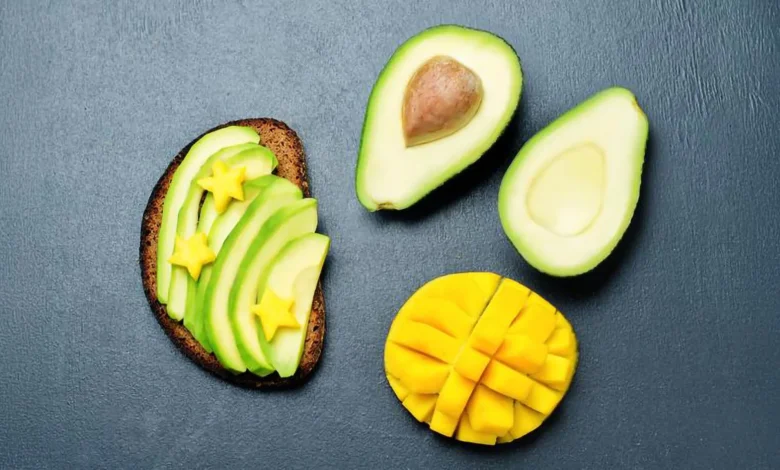
Over the course of the two-month intervention, participants were divided into parallel comparison groups following calorie-controlled eating plans modeled on typical American dietary patterns. The intervention group received a daily regimen consisting of one medium Hass avocado and one cup of fresh mango. To maintain experimental control and ensure high adherence, the research team prepared and supplied meals covering 75 percent of each participant’s estimated daily caloric needs. Participants independently selected the remaining 25 percent of their daily food intake, introducing a practical element of real-world flexibility while preserving the integrity of the comparison. The control group followed a structurally identical protocol, with the crucial exception that the mango and avocado components were replaced with carbohydrate-based alternative foods yielding an equivalent number of calories.
Key Clinical Findings: Vascular Function and Blood Pressure
At the conclusion of the eight-week period, researchers evaluated a comprehensive suite of metabolic and cardiovascular parameters. The most pronounced and statistically significant differences between the intervention and control groups centered on vascular reactivity and blood pressure regulation.
Vascular health was assessed primarily via flow-mediated dilation (FMD), a noninvasive ultrasound technique that measures the ability of a blood vessel—typically the brachial artery—to expand in response to increased blood flow. FMD serves as a direct, reliable indicator of endothelial function and an independent predictor of future cardiovascular events. Among participants in the avocado-mango diet group, FMD measurements increased significantly, reaching an average of 6.7 percent. Conversely, the control group experienced a decline in FMD to 4.6 percent. This divergence highlights the potential of the targeted fruit combination to preserve and enhance arterial flexibility and circulatory efficiency.
In addition to improved endothelial function, researchers documented encouraging shifts in blood pressure measurements, particularly among male participants. While men in the control group registered an average increase of 5 millimeters of mercury (mmHg) in central blood pressure over the eight weeks, male participants consuming the daily avocado and mango diet demonstrated an average reduction of approximately 1.9 mmHg in central blood pressure. Diastolic blood pressure—which measures the pressure in the arteries when the heart rests between beats—also exhibited favorable trends. Although these numerical shifts may appear modest in isolation, cardiovascular specialists note that sustained changes of this magnitude can translate into clinically meaningful reductions in long-term cardiovascular risk across a population.
Nutritional Mechanisms and Weight Stability
A critical observation from the trial was that these cardiovascular improvements occurred independently of changes in body weight or total caloric intake. Despite the introduction of an avocado and a cup of mango daily—foods containing notable caloric and fat content—participants in the intervention arm experienced no significant fluctuations in body weight compared to the control group. This outcome challenges the outdated notion that calorie-dense whole foods invariably lead to weight gain, pointing instead toward the importance of nutrient composition and metabolic utilization.
Nutritional analyses revealed that the intervention diet naturally increased participants’ intake of dietary fiber, vitamin C, and monounsaturated fatty acids. Each component plays a distinct, complementary role in supporting metabolic and vascular health:
- Mangoes supply substantial dietary fiber (approximately 2 grams per three-quarter cup serving, or 7 percent of the daily value) along with an exceptionally high concentration of vitamin C (50 percent of the daily value). As a potent antioxidant, vitamin C protects cellular structures from oxidative stress, while dietary fiber supports gastrointestinal health, modulates glucose absorption, and assists in systemic lipid regulation.
- Avocados contribute dietary fiber (roughly 3 grams per one-third medium avocado) and are rich in heart-healthy monounsaturated fats (about 6 grams per serving). Replacing saturated fats with unsaturated fats is a well-established strategy for lowering low-density lipoprotein (LDL) cholesterol levels. Furthermore, avocados provide potassium (approximately 250 milligrams per serving), an essential mineral that aids in vascular relaxation and blood pressure control.
Beyond cardiovascular metrics, exploratory analyses indicated potential improvements in select indicators of renal function, including the estimated glomerular filtration rate (eGFR), which assesses the kidneys’ capacity to filter waste products from the bloodstream. However, the intervention did not produce statistically significant shifts in circulating lipid profiles (such as total cholesterol), fasting blood glucose levels, or standard systemic inflammatory markers when compared directly with the control group.
Expert Analysis and Official Responses
The implications of the study extend far beyond the immediate clinical measurements, offering a pragmatic framework for dietary counseling in primary care settings.
"This research reinforces the power of food-first strategies to help reduce cardiovascular disease risk, particularly in vulnerable populations like those with prediabetes," stated Dr. Britt Burton-Freeman, Principal Investigator and Professor at Illinois Tech. "It’s an encouraging message: small, nutrient-dense additions—like incorporating avocado and mango into meals and snacks—may support heart health without the need for strict rules or major dietary overhauls."
Public health analysts point out that lifestyle interventions frequently falter due to complexity and the perception of deprivation. By demonstrating that nutrient-dense whole foods can be layered into existing dietary habits without inducing weight gain, the study provides a validation model for sustainable behavioral change. Nutritional epidemiologists emphasize that while individual superfoods are rarely a standalone cure for chronic disease, strategic dietary patterns that emphasize diverse, whole-food matrices can meaningfully alter disease trajectories.
Broader Implications and Future Research Directions
While the findings are encouraging, researchers and independent reviewers have outlined several limitations that warrant consideration. The intervention period was restricted to eight weeks, leaving open questions regarding the long-term sustainability of the observed vascular and blood pressure improvements over months or years. Additionally, because the study cohort was limited to adults with prediabetes and overweight or obesity, the results cannot be automatically generalized to populations with normal metabolic parameters, different age brackets, or existing clinical cardiovascular disease. Furthermore, the trial was not designed to determine whether the combination of mango and avocado yields synergistic benefits superior to consuming either fruit in isolation.
Importantly, the trial measured intermediate cardiovascular risk markers—such as endothelial function and blood pressure—rather than hard clinical endpoints like the incidence of myocardial infarction or stroke. Establishing a direct causal link between the eight-week dietary addition and reduced long-term mortality will require larger, longer-term randomized controlled trials.
Funding for the study was provided through an unrestricted grant from the National Mango Board (NMB) and the Hass Avocado Board (HAB). In accordance with scientific integrity standards, the funding bodies played no role in the design of the study, the collection and analysis of data, or the interpretation and publication of the findings.
As health systems globally grapple with the rising prevalence of metabolic syndrome and type 2 diabetes, research into accessible dietary modifications remains paramount. The Illinois Tech study demonstrates that incorporating everyday whole fruits like mangoes and avocados into regular meals can offer measurable vascular benefits for individuals with prediabetes, bridging the gap between clinical intervention and practical, everyday eating habits.
Related posts: