Combining Cannabis Edibles and Alcohol Produces Synergistic Impairment and Challenges Road Safety Standards According to Johns Hopkins Study

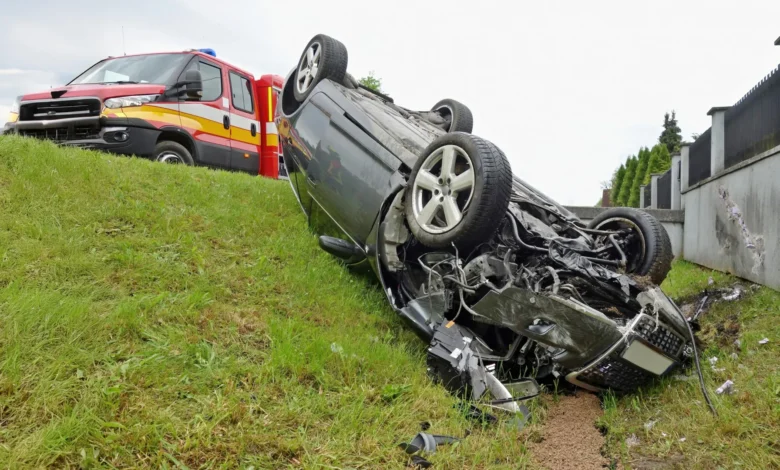
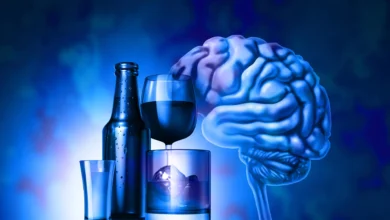
New research from Johns Hopkins Medicine indicates that the simultaneous consumption of cannabis edibles and alcohol results in a level of driving impairment that significantly exceeds the effects of using either substance in isolation. The study, published in the peer-reviewed journal JAMA Network Open, highlights a critical gap in current law enforcement capabilities, revealing that standard field sobriety tests (SFSTs) frequently fail to identify impairment caused by cannabis, whether it is consumed alone or alongside alcohol. These findings come at a pivotal moment as cannabis legalization expands across the United States and edible products become a preferred method of consumption for many users.
The research underscores a growing public health concern regarding "poly-substance" use on the road. While the dangers of drunk driving have been documented for decades, the interaction between alcohol and delta-9-tetrahydrocannabinol (THC) delivered via oral ingestion is less understood. The Johns Hopkins team found that the interaction between these two substances is not merely additive—where the effects of one are simply added to the other—but synergistic. In a synergistic interaction, the combined effect is greater than the sum of its parts, creating a level of intoxication and psychomotor impairment that can catch drivers off guard.
The Methodology: A Controlled Approach to Impairment Testing
To quantify the risks associated with combined use, researchers at the Johns Hopkins University School of Medicine designed a rigorous, double-blind, placebo-controlled study. The cohort consisted of 30 healthy adults, aged 21 to 55, who had a history of using both cannabis and alcohol. To ensure the results were applicable to occasional users rather than those with high physiological tolerance, the participants were required to have used cannabis relatively infrequently—fewer than three times per week—in the year leading up to the study.
The experimental design was comprehensive, involving seven distinct sessions for each participant, separated by at least one week to allow for full metabolic clearance of the substances. During these sessions, participants were administered varying combinations of cannabis and alcohol:
- Placebo cannabis (0mg THC) and placebo alcohol.
- Low-dose cannabis (10mg THC) and placebo alcohol.
- High-dose cannabis (25mg THC) and placebo alcohol.
- Placebo cannabis and low-dose alcohol (targeted at 0.05% breath alcohol concentration or BrAC).
- Placebo cannabis and high-dose alcohol (targeted at 0.08% BrAC, the legal limit in most U.S. states).
- Low-dose cannabis (10mg THC) combined with low-dose alcohol.
- High-dose cannabis (25mg THC) combined with high-dose alcohol.
The cannabis was administered in the form of a brownie, while the alcohol was provided as a beverage tailored to the individual’s body weight to reach the specific BrAC targets. To maintain the integrity of the study, the placebo versions were designed to mimic the taste and smell of the active substances.
Synergistic Effects and the "One Plus One Equals Three" Phenomenon
The most striking revelation of the study was the synergistic nature of the impairment. Lead author Austin Zamarripa, Ph.D., an assistant professor of psychiatry and behavioral sciences, noted that when participants consumed both substances, their performance on driving simulators and cognitive tests plummeted further than would be expected by simply combining the individual scores of cannabis and alcohol.
"Our findings indicate that co-use of cannabis and alcohol produces significantly greater driving impairment and subjective intoxication than either substance alone," Zamarripa stated. "Importantly, these findings suggest that the interaction between cannabis edibles and alcohol is not merely additive, but may be synergistic in producing impairment, which has important implications for real-world risk."
This synergy means that a driver who is technically under the legal limit for alcohol (e.g., 0.03% or 0.05% BrAC) but has also consumed a retail-strength cannabis edible may be just as impaired, if not more so, than a driver at a 0.08% BrAC who has not used cannabis. This creates a "gray zone" in traffic safety where drivers may feel they are legal to drive because they have only had one or two drinks, failing to account for how a 10mg THC brownie dramatically amplifies the alcohol’s sedative and disorienting effects.
The Failure of Standard Field Sobriety Tests
One of the most concerning aspects of the research is the performance of Standardized Field Sobriety Tests (SFSTs). These tests, which include the Horizontal Gaze Nystagmus (HGN), the Walk-and-Turn, and the One-Leg Stand, were developed in the late 1970s and early 1980s specifically to detect alcohol impairment.
The Johns Hopkins study found that while these tests were relatively effective at identifying participants at the 0.08% BrAC alcohol-only level, they were remarkably poor at detecting cannabis-induced impairment. In many instances, participants who showed significant weaving and delayed reaction times in the driving simulator passed the SFSTs administered by researchers.
This discrepancy highlights a major hurdle for law enforcement. Because cannabis does not typically cause the same physical indicators as alcohol—such as the involuntary jerking of the eye (nystagmus) or the specific types of balance loss associated with heavy drinking—officers on the road may lack the tools necessary to justify an arrest or further blood testing. The study suggests that as edible use increases, the reliance on traditional physical roadside tests may lead to a significant number of impaired drivers being allowed to remain behind the wheel.
Simulated Driving Performance and Cognitive Decline
The researchers utilized a sophisticated driving simulator to measure real-world performance metrics. Participants were assessed on their ability to maintain a steady lane position, their reaction time to unexpected obstacles, and their ability to maintain a consistent speed.
The data showed that the combination of 25mg of THC and 0.08% BrAC resulted in the most severe impairment, but even the lower doses showed significant degradation in driving ability. Participants reported feeling "higher" and "more drunk" when the substances were combined, a subjective feeling that correlated with the objective data from the simulator.
Beyond driving, the study monitored cognitive and psychomotor functions for up to 7.5 hours after consumption. Because edibles must be digested and metabolized by the liver—converting delta-9-THC into the more potent 11-hydroxy-THC—the impairment period is significantly longer than that of smoked cannabis. The researchers found that impairment peaked several hours after ingestion and remained at dangerous levels long after the initial "rush" might have subsided.
Policy Implications and the 0.08% Threshold
The study’s results have sparked a debate regarding the adequacy of current legal standards. In the United States, the 0.08% BrAC limit is the universal standard for "per se" intoxication. However, this study suggests that this threshold may be insufficient for the modern landscape of poly-substance use.
"Consuming typical retail doses of cannabis edibles alongside even low doses of alcohol can produce driving impairment comparable to—or greater than—alcohol alone at the legal limit," said Tory Spindle, Ph.D., the study’s principal investigator and associate professor at Johns Hopkins.
This raises the question of whether "per se" laws should be adjusted for drivers who test positive for both substances. Some safety advocates have suggested "zero tolerance" or lower thresholds (such as 0.02% BrAC) for drivers who have any detectable THC in their system. However, the biological persistence of THC metabolites makes this a complex legal issue, as a driver might test positive for THC days after use, long after the impairing effects have worn off.
The Growing Popularity of Edibles
The context of this study is rooted in the shifting landscape of cannabis consumption. As more states legalize recreational use, the market for edibles has exploded. Edibles are often seen as a more "discreet" or "healthier" alternative to smoking, leading to their use in social settings where alcohol is also present, such as parties, concerts, and restaurants.
Unlike smoking, which provides almost immediate feedback on intoxication levels, edibles have a delayed onset that can range from 30 minutes to two hours. This delay often leads to "stacking," where a user consumes more of the product because they do not yet feel the effects, or they begin drinking alcohol while waiting for the edible to "kick in." The Johns Hopkins research provides the first controlled evidence of how dangerous this common behavior can be.
Moving Toward Better Detection and Public Awareness
The research team, which included experts Ryan Vandrey, Ph.D., and Elise Weerts, Ph.D., emphasizes that more work is needed to develop reliable biological and behavioral markers for cannabis impairment. Current blood tests for THC do not correlate as cleanly with impairment as breathalyzer tests do for alcohol, making it difficult to set a fair and scientific "legal limit" for cannabis.
In the interim, the study serves as a stark warning for the public. Public health officials are being urged to update educational campaigns to reflect the synergistic risks of mixing substances. Just as "Don’t Drink and Drive" became a mantra of the 20th century, the 21st century may require a more nuanced message: that even a "legal" amount of alcohol combined with a "standard" dose of cannabis can make a driver a lethal threat on the highway.
As the study concludes, the intersection of expanding cannabis access and traditional alcohol consumption patterns represents a new frontier in road safety. Without better detection methods and a clearer understanding of how these substances interact in the human body, the "synergy" of cannabis and alcohol may continue to pose a hidden danger to drivers and pedestrians alike.