Spiritual Ascent: Unveiling Five Islamic Practices Bestowing Rewards Equivalent to Hajj, Offering Solace and Virtue to the Faithful


Jakarta, CNN Indonesia – For countless Muslims globally, the sacred pilgrimage of Hajj to the holy city of Mecca represents a profound spiritual aspiration, a journey of a lifetime to fulfill one of Islam’s five fundamental pillars. However, the immense logistical, physical, and financial demands associated with Hajj mean that for many, this cherished dream remains beyond reach, at least for the present. In a testament to divine mercy and the expansive nature of Islamic worship, various prophetic traditions (Hadith) and scholarly interpretations illuminate specific daily practices and acts of devotion that, while not replacing the obligatory Hajj for those capable, are said to confer spiritual rewards equivalent to performing the pilgrimage. These acts offer immense solace and motivation, reinforcing the idea that profound spiritual merit is accessible through consistent piety and good deeds within one’s own community.
The Enduring Significance of Hajj: A Pillar of Faith and a Global Endeavor
Hajj, the pilgrimage to the Kaaba in Mecca, Saudi Arabia, is the fifth pillar of Islam, mandated for every Muslim who is physically and financially capable of undertaking the journey. It is a deeply transformative experience, symbolizing spiritual purification, unity among Muslims, and a reenactment of the rituals performed by Prophet Muhammad (PBUH) and Prophet Abraham (AS). The journey involves a series of rites performed over five to six days, including circumambulating the Kaaba (Tawaf), running between the hills of Safa and Marwa (Sa’i), standing in prayer on the plains of Arafat, and symbolically stoning the devil (Ramy al-Jamarat).
The spiritual weight of Hajj is immense. A "Hajj Mabrur" – an accepted and faultless pilgrimage – is believed to cleanse a person of all sins, granting them a fresh start. Prophet Muhammad (PBUH) stated, "The reward for an accepted Hajj is nothing less than Paradise." (Bukhari and Muslim). This profound promise fuels the yearning of millions. However, the practicalities are daunting. The cost of Hajj can range from several thousand to tens of thousands of US dollars, depending on the country of origin and package chosen. Furthermore, Saudi Arabia implements strict quotas for pilgrims from each nation to manage the massive crowds, leading to extensive waiting lists that can stretch for decades in populous Muslim countries like Indonesia, Pakistan, and India. For instance, in Indonesia, the waiting list can exceed 30 years in some regions, despite the country sending the largest contingent of pilgrims annually. These factors underscore the challenges many face in fulfilling this sacred duty, making the prospect of alternative acts with equivalent rewards particularly resonant.
Theological Foundations: Intention, Mercy, and the Breadth of Worship
The concept of specific acts yielding rewards equivalent to Hajj or Umrah (the lesser pilgrimage) is rooted in the vastness of Allah’s mercy and the emphasis on sincerity of intention (niyyah) in Islam. The Quran frequently highlights that Allah is All-Forgiving, Most Merciful, and rewards deeds far beyond their apparent physical scope. "Indeed, Allah does not do injustice, [even] as much as a [weight of] an atom; and if there is a good deed, He multiplies it and gives from Himself a great reward." (Quran 4:40). This divine generosity is a core tenet, reassuring believers that sincere efforts in worship and good deeds are never overlooked.
Islamic jurisprudence (Fiqh) and theological discourse consistently stress that while these alternative acts bestow immense spiritual merit, they do not waive the obligation of Hajj for those who eventually acquire the physical and financial means. The distinction is crucial: the reward (pahala) is equivalent, but the fulfillment of the fifth pillar, for those capable, remains a distinct duty. These Hadith serve not as an excuse to avoid Hajj, but as an encouragement for continuous devotion, especially for those currently unable to undertake the journey, ensuring that the path to immense spiritual reward remains open and accessible through everyday piety and social responsibility. Scholars across various schools of thought, including those cited by NU Online, universally affirm this principle, emphasizing the divine wisdom in providing multiple avenues for spiritual excellence.
Five Pathways to Hajj-Equivalent Rewards: Daily Practices of Profound Virtue
Drawing from prophetic traditions, here are five significant acts that offer spiritual rewards comparable to the pilgrimage, fostering a culture of continuous devotion and community service:
1. The Dawn’s Embrace: Congregational Fajr Prayer, Dhikr, and Ishraq
The Fajr (dawn) prayer holds a unique sanctity in Islam, marking the beginning of the day with devotion before the world awakens. Performing Fajr prayer in congregation is highly emphasized, fostering unity and a collective submission to Allah. The spiritual benefit of this act is further magnified when followed by a period of remembrance (dhikr) until sunrise, culminating in two units of voluntary prayer known as Ishraq or Duha al-Kubra.
Prophet Muhammad (PBUH) is reported to have said: "Whoever prays Fajr in congregation, then sits remembering Allah until the sun rises, then prays two rak’ahs [Ishraq], he will have a reward like that of Hajj and Umrah." The Prophet added, "Complete, complete, complete." (Narrated by Tirmidhi, Hadith No. 586). This Hadith underscores the profound reward associated with this sequence of worship. The act of sitting in remembrance after Fajr requires discipline and dedication, resisting the urge to sleep or engage in worldly affairs, thus demonstrating sincere devotion. Dhikr encompasses various forms of praise, glorification, and supplication to Allah, purifying the heart and focusing the mind on the Divine. The Ishraq prayer, performed shortly after sunrise, seals this period of morning devotion, offering a comprehensive package of worship that begins the day with spiritual vigor. This practice not only accrues immense individual reward but also cultivates a disciplined routine that strengthens one’s connection with the Creator throughout the day.
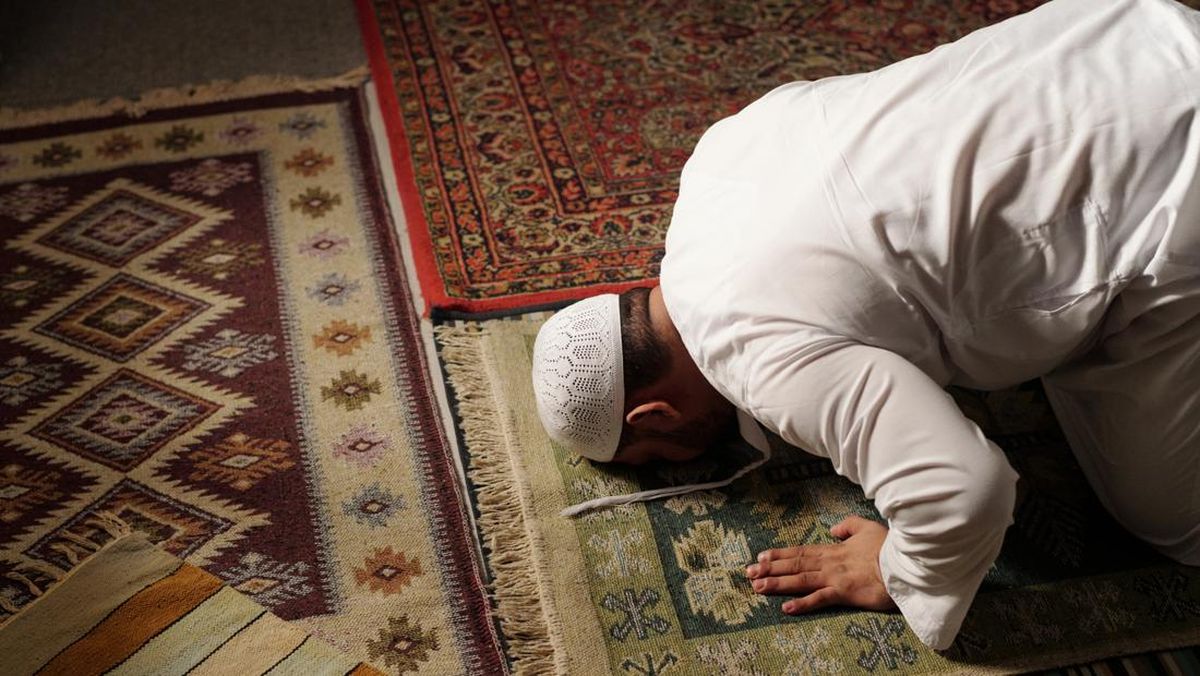
2. The Power of Congregation and the Mid-Morning Radiance: Fard Prayers in Masjid and Duha Prayer
Beyond the specific morning sequence, the general practice of performing all obligatory (fard) prayers in congregation within a mosque, coupled with the consistent observance of Duha (mid-morning) prayer, also carries immense spiritual weight, with some traditions likening its reward to pilgrimage. The communal aspect of prayer in Islam is paramount, fostering unity, brotherhood, and a sense of shared purpose among Muslims. Stepping out of one’s home in a state of ritual purity (wudu) with the sole intention of attending congregational prayer is itself a meritorious act.
A Hadith narrated by Abu Daud states: "Whoever goes out from his home in a state of purity to perform an obligatory prayer, his reward is like that of a Hajj pilgrim. And whoever goes out to perform the Duha prayer, his reward is like that of an Umrah pilgrim." (Sunan Abu Daud, Hadith No. 558). This Hadith highlights the blessings associated with both obligatory communal worship and the voluntary Duha prayer. The Duha prayer, typically performed after sunrise and before the zenith, consists of two to twelve units of prayer. It is often referred to as ‘Salat al-Awwabin’ (the prayer of the repentant) and is known to bring blessings in sustenance and well-being. Its consistent performance signifies gratitude to Allah and a conscious effort to integrate worship into the daily rhythm beyond the prescribed five times, further demonstrating a deeper commitment to faith.
3. The Sacred Bond: Upholding Filial Piety to Parents
Among the most profound and universally revered acts in Islam is birr al-walidayn, or righteous conduct towards one’s parents. The Quran explicitly commands kindness to parents after the worship of Allah, elevating their status to an extraordinary degree. "And your Lord has decreed that you worship none but Him. And to parents, show goodness. If one of them or both of them reach old age with you, do not say to them [even] ‘uff,’ and do not repel them but speak to them a noble word." (Quran 17:23). This divine injunction underscores the immense importance of filial piety.
Numerous Hadith further emphasize this, with some specifically equating its reward to the highest forms of worship and sacrifice. For instance, when a man sought permission from the Prophet Muhammad (PBUH) to join jihad, the Prophet asked, "Are your parents alive?" The man replied, "Yes." The Prophet then said, "Then strive in their service, for in it is your jihad." (Bukhari and Muslim). While not directly mentioning Hajj, this Hadith illustrates how serving parents can be equivalent to even jihad, which is often considered among the highest forms of sacrifice. Other traditions specifically mention the reward being akin to Hajj and Umrah, particularly regarding the mother. The profound spiritual merit derived from honoring, serving, and caring for parents, especially in their old age, is a reflection of Allah’s love for those who maintain strong family bonds and show gratitude to those who raised them. This act is not merely about physical care but also emotional support, respect, and constant prayer for their well-being.
4. The Pursuit of Enlightenment: Seeking and Teaching Knowledge in the Mosque
The pursuit of knowledge (ilm) holds an exalted status in Islam, considered a form of worship and a path to understanding Allah’s creation and commands. Mosques, historically, have not only been places of prayer but also vibrant centers of learning, where scholars taught various Islamic sciences, and communities gathered to deepen their understanding of faith. The act of traveling to a mosque with the intention of learning or teaching good is thus imbued with immense spiritual reward.
Prophet Muhammad (PBUH) stated: "Whoever goes to the mosque, not desiring except to learn or teach good, he will have a reward like that of a complete Hajj." (Narrated by Tabarani, as cited in NU Online). This Hadith highlights the immense virtue of dedicating oneself to spiritual and intellectual growth within the sacred confines of the mosque. This encompasses attending religious lectures, studying the Quran and Hadith, engaging in scholarly discussions, or even simply reflecting on religious teachings. The reward is "a complete Hajj," signifying that the spiritual journey of seeking divine knowledge is as meritorious as the physical journey to Mecca. This encourages Muslims to actively participate in educational initiatives within their communities, transforming mosques into hubs of intellectual and spiritual development, fostering a learned and pious society.
5. The Spirit of Brotherhood: Assisting Fellow Muslims in Need
Islam places a strong emphasis on social solidarity, compassion, and mutual support among believers. The concept of ukhuwwah Islamiyyah (Islamic brotherhood) mandates that Muslims care for one another, alleviate suffering, and assist those in distress. Acts of charity (sadaqah), helping the poor, visiting the sick, and aiding those in need are central to Islamic ethics. The spiritual rewards for such acts of selfless service are consistently highlighted in the Quran and Hadith.
One powerful tradition indicates the immense reward for helping a fellow Muslim: "Whoever walks with his brother [to fulfill] his need until he fulfills it for him, Allah will firmly plant his feet on the Day when feet slip [Day of Judgment]. And verily, Allah has angels who have faces like the sun, their light shining brightly. They are commissioned by Allah to curse anyone who speaks ill of another Muslim. And whoever fulfills the need of his brother, Allah will write for him the reward of Hajj and Umrah, and if he does not fulfill it, he will still have the reward of Umrah." (As cited in some collections, reflecting a broader sentiment). This Hadith, while its precise chain of narration may vary, encapsulates a widely accepted principle: assisting a fellow Muslim in fulfilling their needs, whether financial, emotional, or practical, is an act of profound virtue. The reward is not only for successfully completing the task but even for the sincere effort made, demonstrating Allah’s appreciation for compassion and solidarity. This encourages active participation in community welfare, transforming every act of kindness into a potential source of Hajj-equivalent reward, strengthening the fabric of society.
Scholarly Interpretations and Broader Implications
Islamic scholars and religious institutions consistently provide guidance on these traditions, ensuring a balanced understanding. The consensus is clear: these acts offer immense pahala (spiritual reward) that is equivalent to Hajj or Umrah, but they do not replace the obligation of Hajj for those who are capable. For instance, the Indonesian Ulema Council (MUI) or international bodies like Al-Azhar have often issued fatwas and guidelines reiterating that while these acts are highly commendable and richly rewarded, the Hajj remains a distinct pillar of faith to be fulfilled when means allow. This nuance is critical to prevent misunderstanding or complacency regarding the fundamental duties of Islam.
The implications of these teachings are far-reaching for the global Muslim community:
- Accessibility of Spiritual Growth: For millions facing economic hardship or long waiting lists, these alternative pathways offer immense hope and motivation. They affirm that spiritual excellence and immense divine reward are not exclusively tied to a once-in-a-lifetime journey but are accessible through consistent, sincere acts of worship and service in daily life.
- Strengthening Local Communities: By emphasizing acts like congregational prayer, seeking knowledge in mosques, filial piety, and helping others, these teachings encourage Muslims to invest spiritually and socially in their immediate environments. This fosters stronger local communities, where piety is practiced collectively, and social responsibility is a cornerstone.
- Holistic Understanding of Worship: These practices broaden the definition of ‘ibadah’ (worship) beyond mere ritual. They illustrate that worship encompasses a holistic approach to life – from spiritual discipline in prayer, to intellectual pursuit of knowledge, to ethical conduct towards family, and compassionate service to humanity.
- Emphasis on Intention and Sincerity: The common thread running through all these acts is the paramount importance of niyyah (intention). It is the sincerity and purity of intention that elevates these deeds to such high spiritual standing, reminding believers that the internal state of the worshiper is as crucial as the external act.
In conclusion, while the sacred journey of Hajj remains an unparalleled spiritual experience and an essential pillar for those who can undertake it, Islam, in its boundless wisdom and mercy, provides numerous avenues for believers to attain profound spiritual rewards. The five practices outlined – the dawn’s devotion, congregational prayers with Duha, filial piety, the pursuit of knowledge in mosques, and selfless service to others – offer a comprehensive framework for daily devotion. They serve as a powerful reminder that the path to divine proximity and immense reward is open to all, irrespective of their ability to travel to the Holy Land, fostering a culture of continuous piety, community engagement, and unwavering faith.
Related posts: