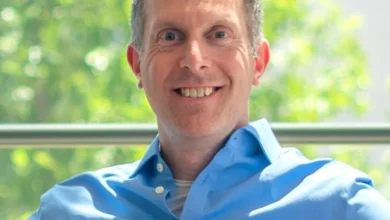
Faces of Discovery: Dr. Parminder Singh Unravels the Interconnected Mysteries of Aging


The Buck Institute for Research on Aging is at the forefront of scientific exploration, driven by a dedicated team of researchers committed to understanding and mitigating the effects of aging. A cornerstone of their monthly "Faces of Discovery" series on the Buck Blog, this installment introduces Dr. Parminder Singh, a Postdoctoral Research Fellow whose work delves into the intricate communication networks between organs and how their disruption contributes to the aging process. Dr. Singh’s research, supported by the Larry H. Hillblom Postdoctoral Fellowship, aims to illuminate how endogenous metabolites influence cellular senescence and insulin resistance, with a particular focus on sex-specific differences in aging trajectories.
A Serendipitous Journey into Biology
Dr. Parminder Singh’s path to becoming a leading researcher in aging biology was not a straight line. Initially drawn to the quantitative rigor of physics and mathematics during his high school years, he harbored a strong inclination to bypass biology altogether. This academic redirection was ultimately shaped by the insightful guidance of his school principal. Recognizing Dr. Singh’s latent aptitude, the principal convinced his parents to allow him to pursue biology as an additional subject. This pivotal decision, seemingly minor at the time, set in motion a cascade of events that would lead him to the complex and compelling world of biological inquiry.
“Once I entered the field, I was pulled in not just by the science itself, but by the stories behind it,” Dr. Singh reflects. His fascination grew with each encounter with the history of biological discovery, the perseverance of pioneering scientists, and the inherent curiosity that fueled their groundbreaking achievements. This intrinsic motivation has evolved into a core tenet of his scientific philosophy: he views himself not merely as an experimenter, but as a storyteller of biology, endeavoring to uncover and articulate new narratives about how the human body ages, adapts, and sometimes falters. This drive to translate complex scientific findings into accessible and meaningful stories is what continues to fuel his passion for research, aiming to connect individuals with the science that directly impacts their health and daily lives.
Deciphering the Language of Inter-Organ Communication in Aging
Dr. Singh’s current research centers on a fundamental yet often overlooked aspect of aging: the complex interplay and communication between different organs within the body. While decades of scientific endeavor have provided a robust understanding of individual organ function, the intricate dialogue that orchestrates their collective performance, especially as we age, remains a significant frontier.
“Over the past few decades, science has made enormous progress in understanding what individual organs do and how they function in isolation,” Dr. Singh explains. “We also know that organs constantly communicate with one another through hormones, metabolites, nerves, and immune signals. What remains far less understood is how disruptions in this interorgan communication reshape the aging process itself. In other words, we know the parts, but we still do not fully understand the conversation between them, especially how that conversation changes with age.”
This intricate communication network is vital for maintaining homeostasis, or the body’s stable internal environment. Hormones secreted by one organ can signal to another, metabolites produced during cellular processes can influence distant tissues, and neural and immune signals can rapidly coordinate responses across the entire system. As individuals age, these communication pathways can become dysregulated, leading to a cascade of cellular and physiological changes that manifest as age-related diseases.
A critical focus of Dr. Singh’s work is to identify the internal and external factors that disrupt these crucial signaling pathways and, crucially, why these disruptions affect individuals differently. This includes exploring the significant, yet often under-researched, sex-specific differences in inter-organ communication. These disparities are particularly pronounced during major life transitions, such as menopause.
“Importantly, inter-organ communication differs between males and females, particularly during major life transitions such as menopause,” Dr. Singh notes. “These sex-specific differences are often overlooked in biomedical research, yet they may explain why diseases emerge differently in men and women.” By understanding the mechanisms by which these communication networks break down, Dr. Singh’s research holds the promise of paving the way for more precise and personalized therapeutic strategies. Instead of merely treating the symptoms of aging, these future therapies could target the root causes of age-related decline, potentially offering more effective interventions.
Investigating the Dual Impact of Menopause and Sugar on Aging
Dr. Singh’s research portfolio is divided into two closely intertwined areas: the biological consequences of menopause and the accelerating effects of excessive sugar consumption on the aging process.
The Biological Ripples of Menopause
The first area of his research delves into how the natural life transition of menopause impacts the brain and the broader physiological landscape of the body. Menopause, characterized by the gradual cessation of ovarian function, leads to a significant reduction in the production of key hormones and signaling molecules. While often primarily associated with reproductive health, the influence of the ovaries extends far beyond fertility, impacting numerous organs, including the brain, and playing a crucial role in regulating metabolism and overall well-being.
Beyond natural menopause, some women undergo surgical menopause due to the removal of both ovaries, a procedure known as bilateral oophorectomy. Historically, hundreds of thousands of women worldwide have undergone this procedure annually. Unlike the gradual decline of natural menopause, bilateral oophorectomy can result in an abrupt loss of ovarian signaling, especially when performed before the natural age of menopause.
To meticulously study the biological ramifications of this sudden transition, Dr. Singh’s team utilizes a laboratory model that mimics bilateral oophorectomy, referred to as OVX. This experimental approach allows for a detailed investigation into how the disruption of communication between the ovaries and other organs influences the aging process and overall health.
Initial findings from their research indicate a particular vulnerability of the hypothalamus to the loss of ovarian signals. The hypothalamus, a small yet indispensable region of the brain, is central to regulating a wide array of vital functions, including sleep-wake cycles, metabolism, appetite, body temperature, energy balance, and endocrine activity. When the communication between the ovaries and the brain is compromised, specific neurons within the hypothalamus may experience diminished functionality, while neighboring support cells can become more reactive. These cellular alterations may offer insights into why symptoms such as sleep disturbances, metabolic dysfunction, fatigue, and cognitive changes become more prevalent after menopause or surgical ovarian removal.

The Accelerating Effects of Excess Sugar
The second pillar of Dr. Singh’s research addresses the detrimental impact of excess sugar on accelerating the aging process. Chronic high sugar intake and impaired sugar metabolism can lead to the accumulation of harmful molecules known as advanced glycation end products (AGEs). These molecules are formed through a complex chemical reaction where sugars interact with proteins, fats, and other cellular components, a process that can significantly interfere with the normal functioning of cells and tissues.
The research suggests that the buildup of AGEs can promote cellular aging and induce damage across multiple organ systems, including the brain, cardiovascular system, and eyes. For instance, glycation can lead to increased stiffness in blood vessels, exacerbate cellular stress, and contribute to chronic inflammation. These physiological changes are known risk factors for a spectrum of age-related conditions, such as cardiovascular disease, metabolic disorders, and cognitive decline.
Critically, Dr. Singh’s work highlights a potential synergistic relationship between these two research areas. Menopause can disrupt metabolic regulation and diminish the body’s capacity to manage metabolic stress. Consequently, the deleterious effects of excess sugar may become more pronounced following menopause, potentially accelerating certain aspects of the aging process. By investigating the intricate interactions between reproductive aging and metabolic health, Dr. Singh’s team aims to identify novel avenues for promoting healthier aging and mitigating the risk of age-related diseases later in life.
A Relatable Analogy for Understanding Complex Science
To make his intricate research accessible to a broader audience, Dr. Singh often employs a relatable analogy, likening the organs in the body to members of a family. In this analogy, the brain serves as the "head of the family," responsible for orchestrating and maintaining calm amongst all members. The ovaries, in turn, are depicted as sending crucial messages that guide the brain’s decisions.
“I often explain my research like this,” Dr. Singh shares. “The organs in your body are like members of a family that are constantly talking to each other. The brain acts as the head of the family, keeping everyone organized and calm, while the ovaries send important messages that help guide those decisions. During menopause, those ovarian messages naturally fade, and the brain, suddenly has less information to work with. When that happens, the brain can go into a kind of panic mode. Like a family leader under stress, it starts sending confused or rushed signals, and that anxiety spreads to the rest of the family, meaning other organs such as the liver, as well as fat tissues and muscles.”
He further elaborates on the impact of lifestyle choices, such as consuming high amounts of sugary foods, which can generate sticky byproducts within the body. These byproducts, he explains, can gradually impede cellular function, akin to dust accumulating and clogging machinery.
“At the same time, our everyday habits, like eating lots of sugary foods, create sticky byproducts in the body that slowly interfere with how cells do their jobs, almost like dust clogging up machinery,” Dr. Singh continues. “When menopause and these metabolic stresses happen together, certain parts of the brain become more sensitive and start aging faster than others. My work is about figuring out why this happens and how we can support the brain so it stays healthier and more resilient as we grow older.”

This simplified narrative effectively conveys the core concepts of inter-organ communication, the hormonal shifts during menopause, and the cellular damage caused by AGEs, making the complex scientific inquiry comprehensible and engaging for a non-scientific audience.
The Transformative Potential of Dr. Singh’s Research
The implications of Dr. Singh’s research extend significantly beyond the laboratory, offering the potential to fundamentally alter our understanding and management of aging, particularly in women.
Improving Health Outcomes and Prevention Strategies
“My work aims to improve how we understand aging, particularly in women,” Dr. Singh states. “Many age-associated diseases develop gradually, shaped by biological changes that begin long before symptoms appear. By identifying how menopause and metabolic stress affect brain function early, this research opens opportunities for prevention rather than late-stage treatment.”
This proactive approach signifies a paradigm shift in healthcare, moving away from reactive interventions towards preventative strategies. By pinpointing the early biological markers and mechanisms that contribute to age-related decline, it becomes possible to intervene before significant damage occurs, thereby enhancing the quality of life and potentially reducing the burden of chronic diseases.
Championing Sex-Specific Approaches to Health
Furthermore, Dr. Singh’s research strongly underscores the critical need for sex-specific approaches to health and aging. The biological differences between males and females are not merely superficial; they are deeply ingrained at the cellular and molecular levels and can significantly influence disease susceptibility, progression, and response to treatment.
“It also emphasizes the need for sex-specific approaches to health and aging,” Dr. Singh asserts. “Understanding these biological differences could lead to more precise strategies to preserve brain and metabolic health, supporting better quality of life as we grow older.” Recognizing and incorporating these sex-specific nuances into medical research and clinical practice can lead to more effective and tailored health interventions, ultimately benefiting individuals by providing care that is attuned to their unique biological makeup.
The Future of Aging Research: A Horizon of Accelerated Discovery
Looking ahead, Dr. Singh expresses immense optimism about the trajectory of aging research, anticipating a decade of unprecedented advancements. The rapid evolution of technologies such as artificial intelligence, high-throughput screening, and the analysis of large-scale datasets is poised to revolutionize the pace and scope of scientific discovery.

“The next decade feels destined to be a defining era for research on aging,” Dr. Singh observes. “With advances in artificial intelligence, high throughput screening, and large-scale data, we are no longer limited to finding one insight at a time. We can identify new therapeutic targets and rapidly test thousands of existing drugs against them, turning ideas into action at an unprecedented speed.”
This accelerated pace of discovery holds the promise of rapidly translating fundamental research into tangible therapeutic interventions. The ability to sift through vast amounts of data and identify potential drug candidates, followed by swift testing, significantly shortens the timeline from laboratory bench to patient bedside.
“What makes this especially exciting for me is the feeling that the field is constantly unfolding in front of us,” Dr. Singh concludes. “I am learning every day, watching new patterns emerge, and hoping to uncover my own discoveries along the way. At its heart, this work is still about stories, uncovering how biology works, where it breaks, and how it adapts. I look forward to finding those stories and sharing them with all of you as they continue to unfold.” This sentiment encapsulates the enduring spirit of scientific exploration—a continuous journey of learning, discovery, and the profound human desire to understand and improve the human condition. The ongoing narrative of aging research, as spearheaded by scientists like Dr. Parminder Singh, promises a future where longer, healthier lives are not just a possibility, but a tangible reality.
Related posts: