NIH Awards Top Scientific Teams for Innovations Linking Nutrition and Autoimmune Disease

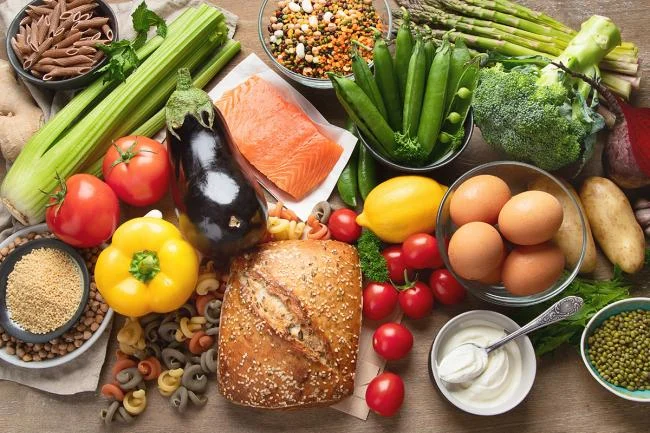
Monday, March 30, 2026 – The National Institutes of Health (NIH) today announced the selection of 15 pioneering scientific teams from across the United States as cash prize winners in the highly competitive Nutrition for Our Immune System Health (NOURISH): Autoimmunity Challenge. This national crowdsourcing initiative, spearheaded by NIH’s Office of Autoimmune Disease Research, sought audacious and scalable ideas to bridge a significant knowledge gap: how dietary interventions can profoundly influence the onset, progression, flares, and symptom management of autoimmune diseases. Each winning team was awarded $10,000 for their innovative submissions, which collectively underscore a burgeoning focus on the intricate interplay between diet, the microbiome, and the immune system.
The NOURISH: Autoimmunity Challenge – A Bold Initiative
The NOURISH: Autoimmunity Challenge represents a strategic pivot in how the NIH approaches complex health problems, leveraging the collective ingenuity of a diverse scientific community. Launched several months prior, the competition invited a broad spectrum of participants—including researchers, clinicians, patients, caregivers, and advocacy groups—to contribute novel concepts. The goal was not merely to identify promising research avenues but to foster a new paradigm of interdisciplinary collaboration, pushing the boundaries of traditional medical research. The challenge aimed to unearth feasible, scalable approaches that could be translated into real-world applications, ultimately benefiting the millions of Americans grappling with autoimmune conditions.
Crowdsourcing challenges, a mechanism increasingly adopted by federal agencies and private foundations, offer a dynamic alternative to conventional grant funding. This model incentivizes rapid innovation, encourages out-of-the-box thinking, and often draws solutions from unconventional sources or cross-disciplinary teams that might not typically apply for traditional grants. For the NOURISH Challenge, this approach proved highly effective, yielding a wealth of highly competitive submissions that demonstrated thoughtful planning and designs with the potential to catalyze significant advancements in understanding and managing autoimmune diseases. The total prize pool of $150,000, distributed among the 15 winning teams, signals a significant investment in these foundational ideas.
The Unmet Need: Autoimmune Diseases and the Dietary Conundrum
Autoimmune diseases represent a pervasive and debilitating health crisis, affecting more than 8% of the U.S. population—a staggering figure impacting between 23 and 50 million Americans. This broad category encompasses over 100 distinct conditions, ranging from common ailments like Rheumatoid Arthritis, Lupus, Multiple Sclerosis, and Type 1 Diabetes to rarer disorders, all characterized by the immune system mistakenly attacking healthy body tissues. The chronic nature of these diseases often leads to significant pain, disability, reduced quality of life, and substantial economic burdens, including direct healthcare costs and lost productivity. Estimates suggest the annual economic cost of autoimmune diseases in the U.S. alone runs into hundreds of billions of dollars.
Despite their prevalence and profound impact, the precise etiology of most autoimmune diseases remains elusive, often involving a complex interplay of genetic predispositions, environmental triggers, and lifestyle factors. Historically, research and treatment have predominantly focused on genetic susceptibilities, immunological mechanisms, and pharmaceutical interventions to suppress the immune response or manage symptoms. However, the role of diet and nutrition in the initiation, progression, and management of these conditions has remained largely underexplored.
Several factors contribute to this oversight. Dietary studies are inherently complex; measuring long-term dietary intake accurately is challenging, and isolating the effects of specific nutrients or eating patterns from other lifestyle factors is difficult. Furthermore, the mechanistic links between diet, gut microbiota, and systemic immune responses are intricate and have only recently become amenable to advanced scientific investigation. The NOURISH Challenge was designed to directly confront this research gap, recognizing the immense potential for dietary strategies to offer less invasive, more personalized, and potentially more holistic approaches to disease management.
A Spectrum of Innovation: The Winning Approaches
The 15 winning submissions showcased an impressive breadth of innovative, scientifically rigorous, and patient-centered ideas, categorized into four pivotal thematic areas. These areas reflect the cutting edge of nutritional science and immunology, promising to reshape our understanding of autoimmune conditions.
-
Effectiveness of Dietary Interventions: This theme focused on rigorous evaluation of specific dietary patterns or nutritional components in influencing autoimmune disease activity. Submissions in this category likely proposed studies on various diets, such as elimination diets (e.g., gluten-free, dairy-free), anti-inflammatory diets (e.g., Mediterranean diet, specific carbohydrate diet), or specialized nutrient supplementation. The innovative aspects might include novel trial designs, advanced methods for tracking adherence, or sophisticated outcome measures beyond simple symptom scores, perhaps incorporating biomarkers of inflammation or immune cell activity. The emphasis is on generating robust, evidence-based guidelines for patients and clinicians, moving beyond anecdotal evidence to clinically validated dietary strategies.
-
Microbiome, Immune System, and Multi-Omic Approaches: This area delved into the complex symbiotic relationship between the gut microbiota, the host immune system, and overall health. A growing body of research highlights the gut as a crucial interface where dietary components interact with microbial communities, influencing immune tolerance or dysregulation. Winning proposals in this theme likely explored how specific dietary changes alter the gut microbiome composition and function, subsequently impacting immune responses that drive autoimmunity. "Multi-omic" approaches signify the integration of high-throughput data from genomics (studying genes), proteomics (proteins), metabolomics (metabolites), and transcriptomics (RNA) to create a comprehensive biological profile. By combining these layers of data, researchers can gain an unprecedented, holistic understanding of the molecular pathways linking diet, microbiome, and autoimmune pathology, identifying novel therapeutic targets or biomarkers.
-
Personalized and Data-Driven Predictive Nutrition: Recognizing that "one size does not fit all," this theme championed individualized nutritional strategies based on a person’s unique biological makeup and disease characteristics. Submissions likely leveraged advancements in artificial intelligence (AI) and machine learning (ML) to analyze vast datasets encompassing genetic information, microbiome profiles, metabolic markers, clinical history, and dietary habits. The goal is to develop predictive models that can identify individuals at risk for autoimmune disease onset or flares, and to tailor dietary recommendations that are precisely optimized for an individual’s genetic predispositions, microbial ecosystem, and metabolic needs. This personalized approach holds the promise of moving from reactive disease management to proactive prevention and highly effective individualized therapies.
-
Community and Patient-Centered Research Frameworks: This crucial theme emphasized the importance of engaging patients and communities directly in the research process. Traditional research often views patients as subjects; however, patient-centered approaches empower individuals as active partners in designing studies, defining research priorities, and interpreting results. Winning proposals in this category likely outlined methodologies for co-creating research questions with patient advocacy groups, conducting real-world effectiveness studies in diverse community settings, or developing patient-reported outcome measures that accurately reflect the lived experience of autoimmune disease. These frameworks ensure that research is relevant, acceptable, and ultimately beneficial to the very populations it aims to serve, fostering greater trust and accelerating the translation of findings into clinical practice.
Voices from the Forefront: Leadership and Community Reactions
Dr. Lawrence A. Tabak, Acting Director of the NIH, commented on the significance of the challenge: "The NOURISH: Autoimmunity Challenge represents a critical step forward in addressing one of the most pressing health challenges of our time. For too long, the potential of nutrition in managing autoimmune diseases has been an underappreciated frontier. The caliber of ideas submitted, and particularly those from our 15 winners, demonstrates the immense innovation ready to be tapped. These bold concepts will undoubtedly accelerate our understanding and pave the way for more effective, patient-centric interventions."
Echoing this sentiment, Dr. Sarah Miller, Director of the NIH’s Office of Autoimmune Disease Research, added, "We are incredibly impressed by the creativity and scientific rigor showcased by all participants. The winning teams have provided actionable frameworks that integrate cutting-edge science with a deep understanding of patient needs. This challenge has proven that by fostering collaboration across disciplines and engaging diverse stakeholders, we can unlock transformative insights into how diet shapes immune health and disease."
Patient advocacy groups also lauded the initiative. Eleanor Vance, President of the Autoimmune Warriors Foundation, stated, "For years, patients have sought answers about the role of diet in managing their conditions, often navigating a confusing landscape of anecdotal advice. This NIH challenge is a beacon of hope, validating the importance of nutrition research and promising to deliver evidence-based strategies that can genuinely improve lives. We eagerly anticipate the further development of these groundbreaking ideas."
Implications for Research and Patient Care
The success of the NOURISH: Autoimmunity Challenge carries profound implications for both the scientific community and the millions affected by these chronic conditions. Firstly, it signals a significant shift in research priorities, elevating nutrition science to a central role in autoimmune disease investigations. This renewed focus will likely attract increased funding, foster new collaborative ventures between nutritionists, immunologists, microbiologists, and data scientists, and encourage the development of specialized research tools and methodologies.
Secondly, the innovative ideas generated could lead to the development of novel diagnostic biomarkers and therapeutic strategies. Personalized nutrition, guided by multi-omic data, has the potential to move beyond broad dietary recommendations to highly targeted interventions that can prevent disease progression or even induce remission in susceptible individuals. This precision medicine approach could revolutionize patient care, offering alternatives or adjuncts to existing pharmaceutical treatments, many of which come with significant side effects.
Furthermore, the emphasis on community and patient-centered research ensures that future studies will be more relevant and impactful for those living with autoimmune diseases. By incorporating patient perspectives from the outset, researchers are more likely to address questions that truly matter to patients and to develop interventions that are practical and sustainable in real-world settings. This collaborative model fosters a sense of ownership and empowerment within the patient community, transforming them from passive recipients of care into active partners in discovery.
Economically, successful dietary interventions could significantly reduce the immense healthcare burden associated with autoimmune diseases. Effective nutritional strategies might decrease the frequency of flares, reduce the need for expensive medications, shorten hospital stays, and improve overall quality of life, leading to greater productivity and reduced disability.
The Road Ahead: Future Directions in Autoimmunity Research
While the NOURISH Challenge marks a pivotal moment, the journey towards fully integrating nutrition into autoimmune disease management is just beginning. The awarded prize money provides initial impetus, but the next crucial steps will involve securing larger grants for pilot studies, translating these conceptual ideas into robust clinical trials, and developing scalable implementation strategies.
The NIH, through its various Institutes and Centers, will likely continue to support research in these areas, fostering the development of the winning concepts into tangible solutions. The challenge has illuminated a clear path forward: one that is interdisciplinary, patient-centric, and harnesses the power of advanced scientific methodologies to unravel the complex interplay between what we eat and how our immune system functions. The insights gained from these innovative projects hold the promise of transforming the lives of millions, turning discovery into health.
About the National Institutes of Health (NIH):
NIH, the nation’s medical research agency, includes 27 Institutes and Centers and is a component of the U.S. Department of Health and Human Services. NIH is the primary federal agency conducting and supporting basic, clinical, and translational medical research, and is investigating the causes, treatments, and cures for both common and rare diseases. For more information about NIH and its programs, visit www.nih.gov. NIH—Turning Discovery Into Health®.
Related posts: