AI-Powered Electrocardiogram Analysis Uncovers Hidden Warning Signals for Sudden Cardiac Death

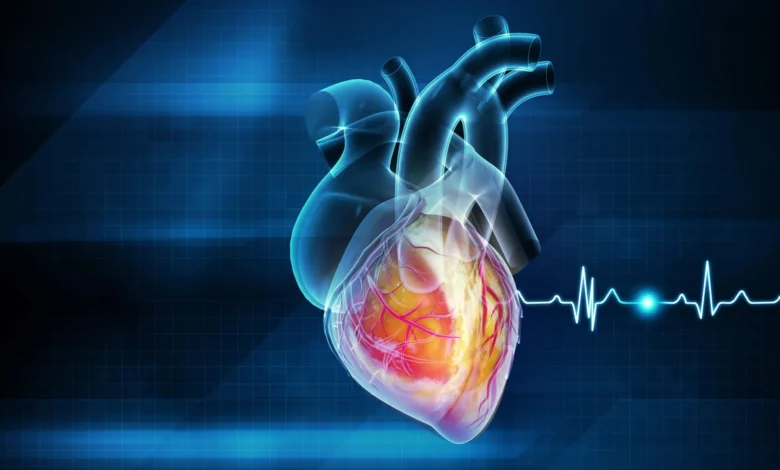
In the United States, more than 300,000 individuals succumb to sudden cardiac arrest annually, representing a major public health challenge that has long frustrated clinicians and researchers alike. Unlike a conventional myocardial infarction—commonly known as a heart attack, which is triggered by obstructed blood flow—sudden cardiac arrest occurs when the heart’s intrinsic electrical system experiences a catastrophic failure, causing the organ to abruptly cease pumping blood. This medical emergency can affect older adults with established cardiovascular disease just as readily as it can strike seemingly healthy young athletes. While implantable cardioverter-defibrillators (ICDs) are clinically proven to prevent many of these fatalities, determining precisely which patients are at the highest risk and most urgently require these devices has remained a persistent obstacle in modern cardiology.
Addressing this longstanding diagnostic limitation, a team of researchers at the University of California, Berkeley, has successfully identified a previously overlooked class of warning signals embedded within routine heart scans. Published in the prestigious scientific journal Nature, this breakthrough demonstrates how advanced machine learning models can recognize subtle electrical patterns that traditional clinical screening methods routinely miss. By harnessing the predictive power of artificial intelligence, the scientific community may be on the cusp of a paradigm shift in preventative cardiology, potentially saving tens of thousands of lives each year through early identification and timely intervention.
The Chronology and Development of the AI Algorithm
The creation of this diagnostic tool represents the culmination of a decade-long endeavor led by Ziad Obermeyer, an associate professor at the UC Berkeley School of Public Health, alongside collaborative efforts tied to organizations such as Dandelion Health and Nightingale Open Science. Because high-resolution medical data sets that link routine diagnostics to long-term health outcomes are notoriously difficult to access, assembling the foundational data required years of meticulous coordination, secure data governance, and rigorous anonymization protocols.
The development phase began with the utilization of a massive, unified healthcare repository from Sweden spanning six years of patient records. This initial database comprised more than 440,000 electrocardiograms (EKGs), which the research team systematically cross-referenced with national death certificates. By feeding this vast volume of electrical tracing data and mortality outcomes into a deep-learning neural network, the AI system was trained to detect minute morphological variations—complex combinations of electrical spikes, wave intervals, and repolarization patterns—that differentiated healthy individuals from patients with known cardiac risks and those who ultimately suffered sudden cardiac death.
Following the initial training phase in Sweden, the research team initiated a rigorous multi-region validation process to evaluate whether the algorithm’s predictive capabilities would generalize across diverse patient demographics and distinct healthcare infrastructures. To accomplish this, the investigators tested the technology using two independent external datasets: two years of anonymized EKG records originating from a major San Diego hospital system in the United States, and a separate, comprehensive collection of patient data from Taipei, Taiwan. This international validation confirmed that the algorithm’s pattern-recognition capabilities were robust, reliable, and adaptable to heterogeneous populations outside of its original training environment.
Evaluating Clinical Performance Against Conventional Standards
To understand the clinical significance of the UC Berkeley discovery, it is essential to examine the limitations of current cardiac risk assessment protocols. Standard medical guidelines rely heavily on the measurement of ejection fraction—a metric evaluating the percentage of blood pumped out of the heart’s left ventricle with each contraction. Patients whose ejection fraction falls below a specific clinical threshold are typically evaluated as candidates for an implantable cardioverter-defibrillator.
However, this traditional metric has significant operational and clinical shortcomings. First, obtaining an accurate ejection fraction often requires specialized diagnostic imaging, such as an echocardiogram or cardiac magnetic resonance imaging, which are generally not ordered unless a patient exhibits overt symptoms or has a known history of heart disease. Consequently, many individuals who ultimately experience sudden cardiac arrest have no prior indication of danger and never undergo these specialized evaluations. Furthermore, even among patients identified as high-risk using conventional ejection fraction criteria, the clinical utility of ICDs is imperfect; approximately two-thirds of patients who receive these devices never experience a life-threatening arrhythmia requiring a therapeutic shock, meaning many individuals undergo invasive surgical procedures for emergencies that never materialize. Conversely, thousands of individuals classified as low risk under standard guidelines experience fatal cardiac arrests each year because their underlying electrical vulnerabilities remain completely undetected.
The AI-driven EKG analysis addresses these gaps by demonstrating superior risk stratification. When evaluated against traditional measurements that identified a patient cohort with an annual sudden cardiac death rate of 4.6%, the Berkeley algorithm successfully isolated a high-risk group exhibiting an annual mortality rate of 7.0%. More importantly, the algorithm flagged thousands of individuals who would have been categorized as low risk under existing medical guidelines, bringing to light a broader population of vulnerable patients who are currently falling through the cracks of the healthcare system.
Another critical advantage of the technology is its reliance on standard EKG images. Unlike advanced imaging modalities that require dedicated appointments and specialized equipment, standard EKGs are already routinely collected in emergency departments, outpatient clinics, and routine physical examinations globally. This compatibility means the algorithm could potentially be integrated into existing electronic health record databases without necessitating the creation of an entirely new diagnostic infrastructure.
Official Responses and Expert Perspectives
The publication of the study in Nature has drawn widespread attention from cardiologists, emergency physicians, and health policy experts, sparking vital discussions regarding the integration of machine learning into clinical workflows.
"Medical decisions are really hard, and I think that’s why AI is so exciting for me," stated Dr. Ziad Obermeyer, lead author of the study and an active emergency physician. Emphasizing the dual benefit of the technology, Obermeyer noted that the system not only improves clinical decision-making by flagging high-risk patients who would otherwise go unnoticed, but also opens new avenues for basic scientific research into the physiological mechanisms preceding cardiac arrest. "We can not only make better decisions, but also start to understand what’s actually going on with these patients before their heart stops."
Medical ethicists and data governance specialists have also weighed in on the broader implications of utilizing international datasets for algorithm training. The successful cross-continental validation—spanning Sweden, the United States, and Taiwan—underscores the importance of diverse data sharing in biomedical research. Industry analysts point out that while data privacy regulations remain a stringent barrier in healthcare, initiatives that safely pool anonymized diagnostic records are proving essential for building unbiased, globally applicable artificial intelligence tools.
Broader Implications and Future Applications in Healthcare
The potential implications of this research extend far beyond immediate patient triage, pointing toward a transformative shift in how medical science investigates complex pathology. Traditionally, sudden cardiac arrest has been studied retrospectively through autopsies, which can identify structural anomalies such as myocardial scarring or coronary artery blockages, but fail to capture the dynamic electrical instability occurring in the moments immediately preceding death. By highlighting previously unrecognized electrical configurations, the Berkeley algorithm provides researchers with a novel exploratory lens through which to study the biophysics of the heart.
Looking toward clinical translation, Obermeyer and his collaborators have already initiated pilot projects in partnership with medical systems in the United States, Sweden, and Taiwan. The objective of these initiatives is to embed the algorithm directly into hospital EKG archiving systems to perform retrospective and prospective analyses of routine heart scans.
Under the proposed clinical workflow, healthcare providers would proactively contact patients whose routine EKGs receive a high-risk score from the algorithm. These patients would subsequently be offered ambulatory monitoring devices—such as specialized adhesive heart patches capable of continuously recording electrical activity over extended periods. These prolonged monitoring windows are expected to yield critical data regarding the specific triggers and biological pathways responsible for the warning signals detected by the AI. For patients exhibiting persistent or severe markers of electrical instability, physicians could then make informed recommendations regarding preventative interventions, including the implantation of a cardioverter-defibrillator.
To facilitate broader public engagement and future screening opportunities, the research team has also established an informational portal where individuals can register their interest and learn more about their cardiovascular health as the technology advances toward widespread clinical adoption.
As healthcare systems grapple with rising administrative burdens and the persistent threat of sudden, unexpected cardiovascular events, this development illustrates the profound potential of artificial intelligence to augment human expertise. By turning ubiquitous diagnostic tools into powerful predictive instruments, the UC Berkeley research offers a concrete pathway toward closing the diagnostic gap in preventative cardiology—transforming hidden electrical whispers into life-saving medical interventions.