Beyond Weight Loss: New Clinical Evidence Highlights the Metabolic Power of the Ketogenic Diet

A groundbreaking clinical trial published in the journal Cell Metabolism has revealed that the composition of one’s diet may influence metabolic health far more significantly than weight loss alone. While caloric restriction and subsequent weight loss have long been the gold standard for treating obesity-related complications, this study suggests that specific nutritional frameworks—particularly the very low-carbohydrate, high-fat ketogenic approach—can trigger internal physiological transformations that other diets do not achieve, even when total body mass reduction is identical across groups.
The study, led by researchers at the Washington University School of Medicine in St. Louis, Missouri, provides a nuanced look at how dietary macronutrients affect liver function, insulin sensitivity, and the progression of prediabetes. By controlling for weight loss, the research team isolated the independent effects of dietary composition, offering a new perspective on how clinical nutrition might be tailored to combat the rising prevalence of metabolic syndrome in the United States.
A Growing Public Health Crisis
To understand the significance of these findings, one must consider the landscape of metabolic disease in the modern era. Currently, approximately 40% of American adults are classified as obese, a condition that serves as a primary driver for type 2 diabetes, non-alcoholic fatty liver disease (NAFLD), and cardiovascular complications. These conditions are not merely symptoms of weight gain but are deeply rooted in how the body processes energy, insulin, and circulating lipids.
Historically, medical professionals have prioritized total weight reduction as the primary goal for patients struggling with these conditions. The prevailing consensus was that as long as a patient achieved a caloric deficit, metabolic markers would naturally improve. However, as the global burden of metabolic disease has increased, researchers have begun to question whether the "how" of weight loss is just as important as the "how much."
Chronology and Methodology of the Clinical Trial
The study was designed as a highly controlled, randomized clinical trial involving 42 participants, all of whom presented with a trifecta of clinical challenges: obesity, prediabetes, and fatty liver disease. The trial was structured to eliminate variables that often plague nutritional research, such as poor compliance or inaccurate self-reporting of food intake.
Between the initiation of the study and the four-to-five-month conclusion, the research team managed the participants’ diets with extreme precision. The team supplied all meals and conducted weekly consultations with specialized dietitians to ensure adherence to three distinct nutritional protocols:
- The Ketogenic Group: A high-fat, ultra-low-carbohydrate regimen where 73% of daily calories were derived from fats, with only 4% coming from carbohydrates.
- The Mediterranean Group: A balanced approach consisting of 50% carbohydrates and 35% fat, emphasizing whole plant foods, healthy oils, and lean proteins.
- The Low-Fat/Plant-Forward Group: A high-carbohydrate, low-fat model, with 70% of calories sourced from carbohydrates and only 15% from fat.
The researchers adjusted the caloric intake for each individual participant to ensure that every group experienced roughly the same weight reduction—approximately 10% of their starting body mass. By neutralizing weight loss as a variable, the researchers were able to observe the metabolic "aftermath" of these specific macronutrient ratios.
The Superiority of Carbohydrate Restriction for Liver Health
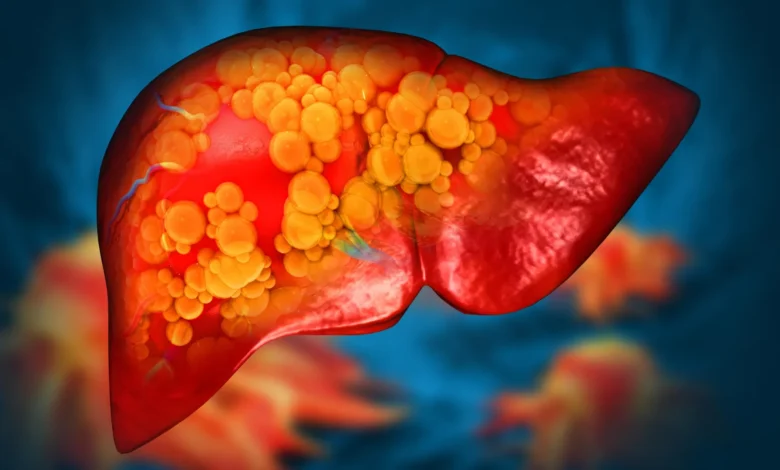
The most striking outcome of the trial was the profound impact of the ketogenic diet on liver fat. Hepatic steatosis, or the accumulation of fat within liver cells, is a hallmark of metabolic dysfunction. In this trial, the ketogenic diet induced an average reduction of 67% in liver fat. By comparison, both the Mediterranean and the low-fat groups saw a 45% reduction.
The statistical gap between the 67% and 45% reductions suggests that the ketogenic diet activates specific metabolic pathways that are not as effectively engaged by higher-carbohydrate diets. The researchers hypothesized that the hormonal shifts observed in the ketogenic group—specifically a significant increase in glucagon and a concurrent decrease in insulin levels—played a pivotal role. Glucagon, often described as the "fasting" hormone, promotes the mobilization of stored fats, including those within the liver, to be used as energy.
Furthermore, the study addressed a common clinical concern regarding high-fat diets: the fear of hyperlipidemia. Contrary to expectations, the ketogenic group did not exhibit an increase in blood fat or cholesterol levels, despite their high intake of dietary fats. This finding challenges the traditional medical skepticism regarding the saturated fats often consumed in a keto-based protocol, suggesting that in the context of a low-carbohydrate environment, the body’s lipid metabolism behaves differently.
Reversing Prediabetes: Clinical Implications
Perhaps the most clinically relevant outcome for long-term health was the impact on prediabetes. Prediabetes is a critical window of opportunity where lifestyle intervention can prevent the progression to type 2 diabetes.
After just 16 to 20 weeks of the intervention, the results were transformative:
- 50% of the ketogenic diet participants were no longer categorized as having prediabetes.
- 29% of the Mediterranean diet participants achieved this reversal.
- Only 7% of the low-fat, plant-forward group reached this milestone.
These data points suggest that for patients already struggling with glycemic control, the ketogenic diet may offer a more potent "therapeutic" effect than the traditional, lower-fat dietary recommendations. While the researchers noted that this does not imply a permanent cure, it does suggest that dietary composition can be used as a primary tool to shift a patient’s metabolic state out of the danger zone more rapidly than other standard approaches.
Expert Perspectives on the Findings
Dr. Samuel Klein, the study’s corresponding author at the Washington University School of Medicine, underscored the distinction between general weight loss and targeted metabolic therapy. "Our data suggest that if you have high liver fat content and prediabetes, reducing carbohydrate intake can have important therapeutic effects on metabolism beyond just weight loss alone," Klein stated.
Max Petersen, the study’s first author, emphasized the surprise surrounding the lipid profile outcomes. "The most surprising finding was that participants in the ketogenic diet group didn’t experience an increase in blood fat or cholesterol levels despite consuming the most fat," he noted. This observation aligns with a growing body of evidence suggesting that insulin-driven lipogenesis—the process by which the body creates fat from excess carbohydrates—is a significant driver of metabolic disease that is effectively halted when carbohydrate intake is minimized.
The Future of Metabolic Intervention
The arrival of GLP-1 receptor agonist medications, such as semaglutide and tirzepatide, has drastically changed the obesity treatment landscape. These drugs effectively manage appetite and blood sugar, leading to unprecedented weight loss for many patients. However, the researchers behind this study believe that nutrition still plays a critical, additive role.
"GLP-1-based medications have revolutionized the therapy of obesity," Petersen said. "But in addition, our study shows that the specific composition of the diet can give you added benefits."
The implications of this research are significant for the future of clinical practice. If doctors can prescribe specific dietary compositions that offer unique metabolic benefits, they may be able to optimize treatment plans for patients with specific comorbidities. For instance, a patient with severe fatty liver disease might benefit more from a short-term ketogenic intervention than a patient with different metabolic needs.
Limitations and Future Directions
While the results are compelling, the researchers acknowledged the limitations of the current study. With 42 participants and a duration of four to five months, the study is a foundational step rather than a definitive conclusion. Long-term studies are essential to determine if the metabolic advantages of the ketogenic diet persist beyond the initial months and whether there are any potential drawbacks to maintaining such a high-fat, low-carbohydrate diet over years or decades.
Moreover, the study was conducted in a highly controlled environment where all meals were provided. The challenge of translating these results to the "real world"—where patients must navigate food deserts, economic constraints, and the ubiquity of processed carbohydrates—remains a major hurdle.
In conclusion, the trial provides rigorous evidence that the macronutrient profile of a diet is not merely a preference, but a biological signal that alters metabolic performance. As chronic metabolic conditions continue to strain healthcare systems globally, the ability to use diet as a targeted, evidence-based therapy represents a significant advancement in preventative and restorative medicine. Supported by the National Institutes of Health and the Foundation for Barnes-Jewish Hospital, this research serves as a catalyst for future investigations into how we can move beyond the scale and focus on the deeper, internal mechanisms of metabolic health.
Related posts: