Decoding the Biological Clock: How Dr. Vineeta Tanwar and the Buck Institute Are Pioneering Postmenopausal Longevity Research

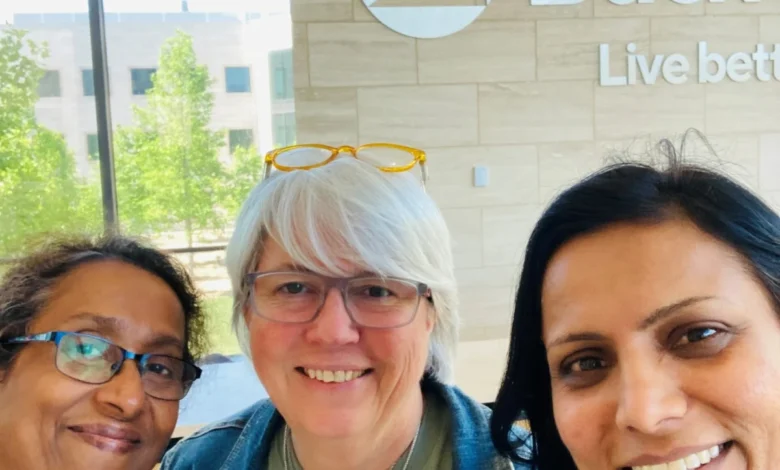
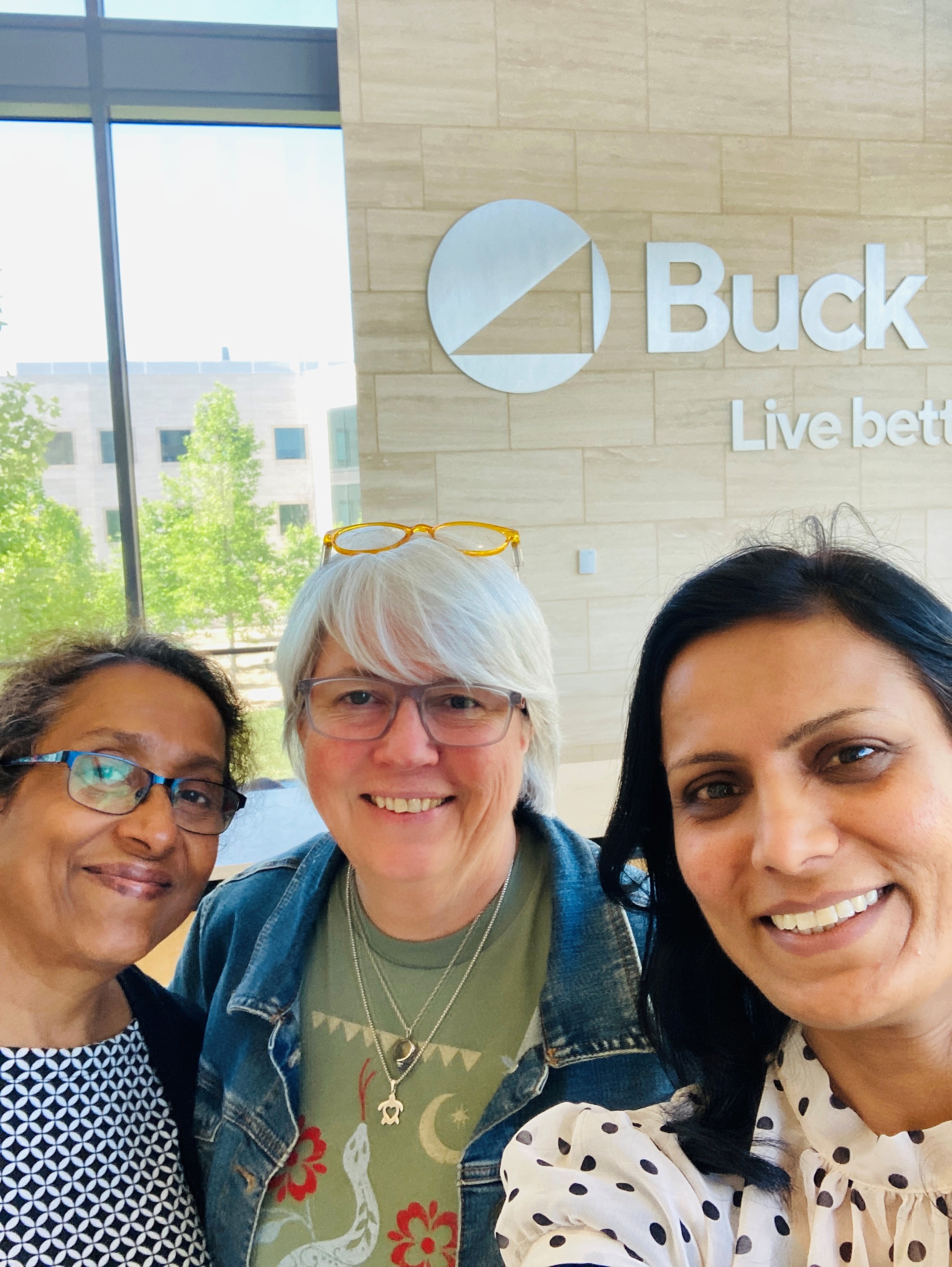
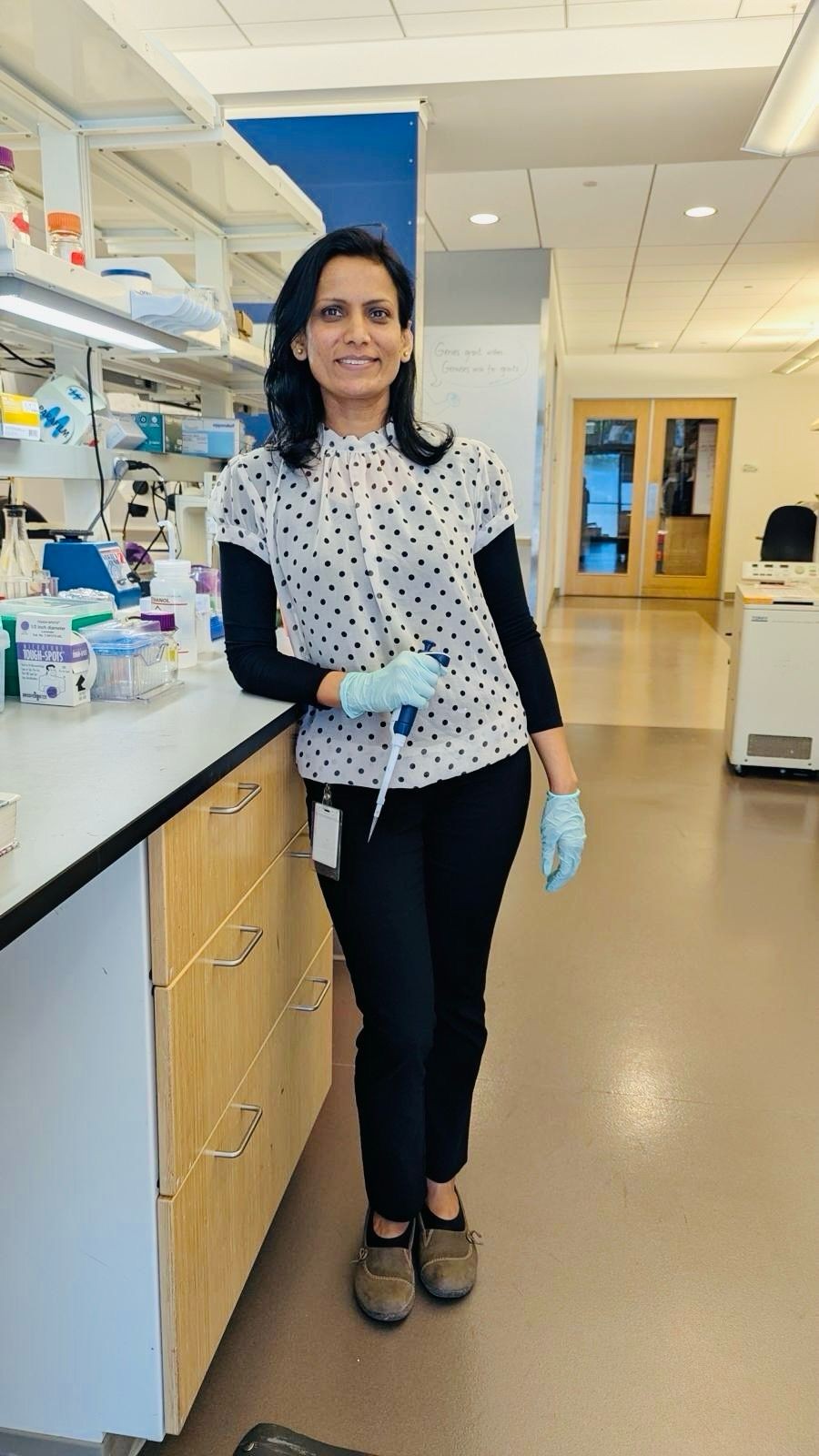
NOVATO, CALIFORNIA — The pursuit of human longevity has long focused on extending absolute lifespans, yet a critical frontier remains largely uncharted: ensuring that those extra years are defined by vitality, independence, and robust metabolic health. At the forefront of this scientific evolution is Dr. Vineeta Tanwar, a prominent researcher at the Buck Institute for Research on Aging in Novato, California. Through her pioneering work in translational geroscience, Dr. Tanwar is bridging the gap between foundational laboratory discoveries and real-world clinical interventions. Her current centerpiece, the GRACE (Glycation Reduction and Aging, a Clinical Evaluation) study, represents a paradigm shift in how modern medicine approaches postmenopausal health, targeting the root biological mechanisms of aging rather than merely treating isolated symptoms as they arise.
The Journey from Global Laboratories to Geroscience
Dr. Tanwar’s scientific trajectory spans continents, institutions, and disciplines, reflecting a lifelong curiosity about how environmental and biological factors shape human health. Her academic journey began in New Delhi, India, where she earned her Ph.D. from the prestigious All India Institute of Medical Sciences (AIIMS). This foundational training instilled a rigorous approach to biomedical inquiry, propelling her to the United States for postdoctoral and advanced research fellowships.
Her early American research took her to Vanderbilt University in Nashville, Tennessee. There, she worked on differentiating stem cells into beating cardiac cells—a complex cellular process that continues to inspire her appreciation for the marvels of human physiology. Seeking to broaden her understanding of external influences on systemic health, Dr. Tanwar subsequently moved to The Ohio State University in Columbus. In this capacity, she investigated how environmental exposures, including air pollution, directly impact cardiovascular and pulmonary function.

These diverse experiences ultimately converged at the Buck Institute, the world’s first independent research institution devoted solely to unlocking the mechanisms of aging. At the Buck, Dr. Tanwar found a unique environment dedicated to the premise that aging is not an inevitable decline, but a modifiable biological process that can be measured, understood, and intercepted.
The Biological Mechanisms of Aging: Understanding Glycation Stress
At the core of Dr. Tanwar’s current research is an intricate focus on glycation stress, a biochemical process she aptly compares to "caramelization inside the body." Glycation occurs when excess sugar molecules in the bloodstream spontaneously bond with proteins and lipids without the controlling influence of enzymes. This reaction forms harmful compounds known as advanced glycation end-products (AGEs).
As these AGEs accumulate over time, they cross-link with surrounding structural proteins, effectively creating a microscopic, sticky scaffolding that stiffens tissues, compromises blood vessel elasticity, and accelerates skin aging. Furthermore, glycation heightens systemic inflammation and oxidative stress, dramatically increasing the risk of cardiovascular disease, type 2 diabetes, and neurodegenerative disorders.
While glycation affects all human tissues as part of the natural aging timeline, its impact accelerates during specific physiological transitions, most notably during and after menopause.

Focusing on an Underserved Population: The GRACE Study
Launched as a major milestone in Dr. Tanwar’s career, the GRACE clinical trial is designed to address a persistent oversight in biomedical research: the distinct biological vulnerabilities of postmenopausal women. Historically, clinical trials have often relied on male-dominant data, extrapolating findings to female populations despite profound differences in hormonal profiles, metabolic regulation, and aging trajectories.
Postmenopausal women experience rapid, sweeping endocrine shifts that alter body composition, metabolic efficiency, and tissue resilience. Despite enduring a constellation of symptoms—ranging from vasomotor disruptions like hot flashes to chronic joint stiffness, metabolic syndrome, and progressive fatigue—women in this demographic have historically had access to remarkably few targeted therapeutic interventions that address the underlying biology of the transition.
The GRACE study seeks to correct this imbalance. By examining whether targeted interventions can reduce glycation stress in postmenopausal women, the trial aims to determine if mitigating this specific biochemical pathway can improve metabolic balance, physical function, and overall quality of life. Rather than treating individual symptoms with conventional, single-target medications, the trial investigates whether modifying the fundamental pace of biological aging can yield systemic health benefits.
Innovating Clinical Trial Design and Non-Invasive Biomarkers

Operating at the intersection of laboratory science and human clinical trials presents profound logistical and methodological challenges. To evaluate the efficacy of the GRACE study, Dr. Tanwar and her team are moving beyond traditional blood panels and metabolic markers.
The trial incorporates innovative, non-invasive measures of biological aging, including assessments of retinal aging and advanced functional performance testing. The human retina, possessing a dense and accessible network of microvascular blood vessels, serves as an exceptional structural window into systemic vascular health and neurodegeneration. By evaluating retinal biomarkers alongside physical endurance and metabolic parameters, the research team can capture a holistic portrait of a participant’s biological age before and after the intervention.
This multimodal evaluation framework reflects a broader methodological shift within geroscience. As computational tools, multi-omics, and wearable health technologies mature, clinical researchers are gaining the ability to quantify human aging with unprecedented precision. These tools allow scientists to track subtle physiological improvements that traditional disease-diagnosis models would entirely miss.
Broader Implications for Preventive Healthcare and Longevity Medicine
The implications of Dr. Tanwar’s work extend far beyond the immediate parameters of the GRACE trial, offering a glimpse into the future of mainstream clinical medicine. For decades, modern healthcare has operated on a reactive model: patients present with symptoms, physicians diagnose a specific disease, and treatments are administered to manage the pathology.
Geroscience challenges this reactive paradigm by framing aging itself as the primary risk factor for chronic illness. By identifying interventions that safely slow down or repair cellular damage—such as reducing glycation stress during critical life transitions—medical science can potentially delay the onset of multiple age-related morbidities simultaneously.
Public health experts emphasize the urgent economic and social necessity of such research. With global populations aging rapidly, healthcare systems face unprecedented strain from chronic, degenerative conditions. Interventions that extend healthspan—the period of life spent in good health, free from chronic disease and disability—can substantially reduce long-term medical expenditures while preserving the personal independence and dignity of older adults.
Moreover, Dr. Tanwar’s emphasis on sex-specific aging biology highlights a long-overdue equity correction in medical research. By recognizing that women experience distinct biological trajectories that require tailored preventive strategies, the scientific community is laying the groundwork for more inclusive, precise, and effective healthcare protocols.
Balancing Ambitious Science with Everyday Well-Being
Despite the high-stakes, rigorous demands of leading cutting-edge clinical trials, Dr. Tanwar maintains a philosophy rooted in balance and perspective. Her journey through demanding academic and research environments across New Delhi, Nashville, Columbus, and Novato has reinforced the importance of grounding ambitious scientific pursuits in everyday joy and physical vitality.
Outside the laboratory, she is an avid practitioner of social dancing, an enthusiastic hiker, and a kayaker—activities that ironically mirror her professional dedication to balance, coordination, and momentum. This holistic outlook informs her communication with the public, allowing her to distill complex molecular biology into accessible, relatable concepts for individuals of all backgrounds. When asked how she might explain her work to a curious layperson, she distills the core mission down to its human element: helping the human body handle energy and sugar efficiently, reducing tissue damage gently over time, and ensuring that as people grow older, they retain the physical freedom to live active, independent lives.
Looking Ahead: The Next Decade of Geroscience
As the geroscience field looks toward the next five to ten years, researchers are increasingly optimistic about the convergence of personalized medicine, wearable diagnostics, and preventive pharmacology. Clinical trials like GRACE are expected to serve as foundational templates for future population-wide studies that treat aging as a modifiable medical target.
For Dr. Tanwar, the motivation remains unchanged from the curiosity that first drew her to high school science classes: an enduring drive to ask "why" and "how," and to transform those answers into actionable insights that improve human lives. As the Buck Institute continues to push the boundaries of longevity science, the work being done in Novato offers a promising roadmap toward a future where growing older is synonymous with staying healthy, vibrant, and resilient.