Faces of Discovery: Chaska Walton, PhD, and the Dawn of Living Therapies for Alzheimer’s Disease


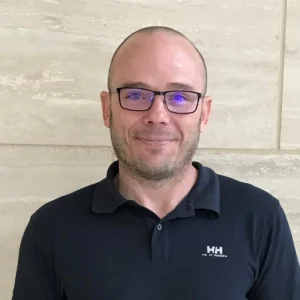
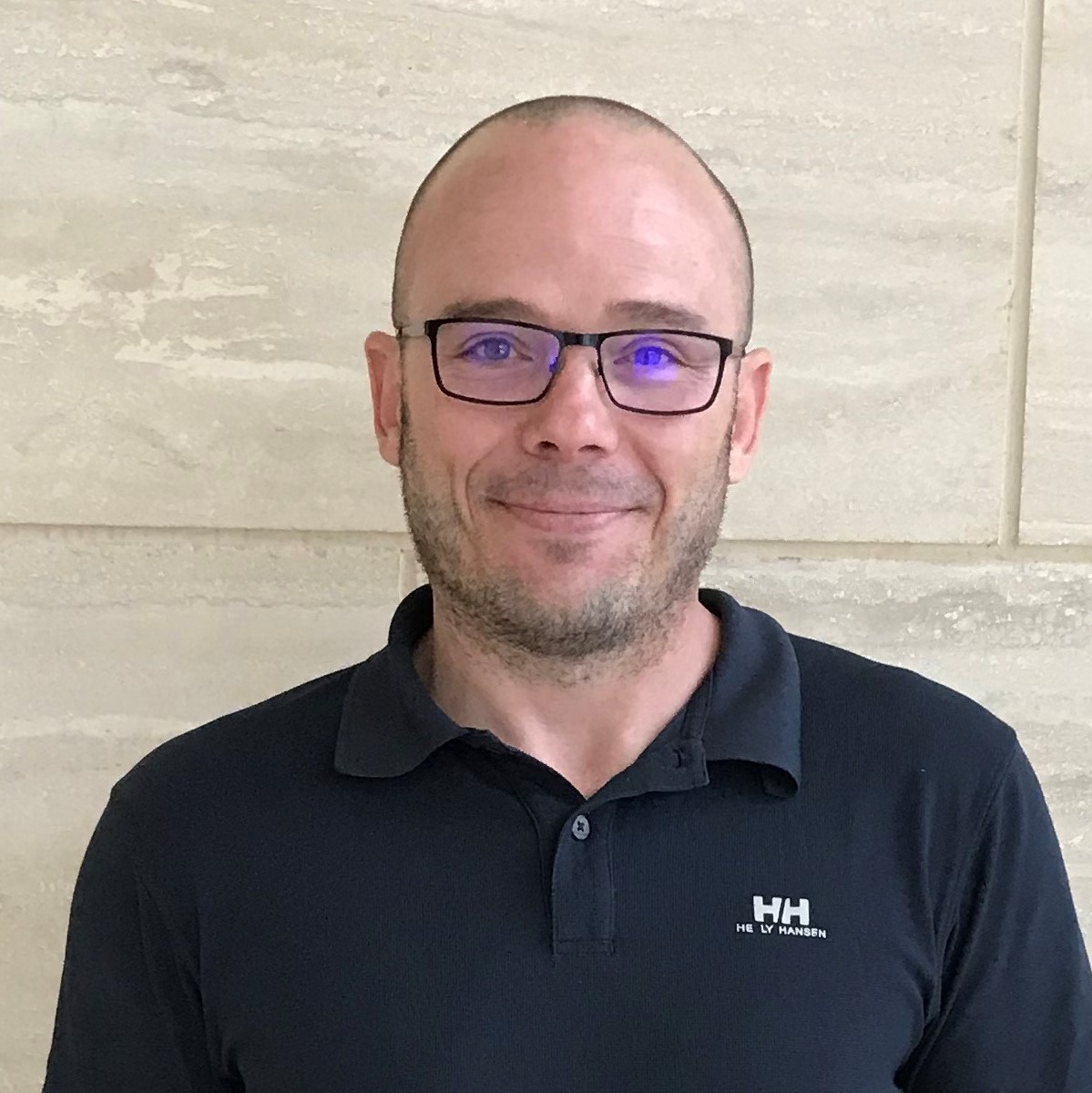
The Buck Institute’s "Faces of Discovery" series illuminates the brilliant minds dedicated to unraveling the complexities of aging and pioneering advancements for extended, healthier lives. This installment delves into the groundbreaking work of research scientist Chaska Walton, PhD, a key figure in the Julie Andersen lab. Walton is at the forefront of developing transformative smart delivery systems aimed at combating multiple pathologies of Alzheimer’s disease, a pursuit recently recognized with a prestigious $2.4 million NIH Transformative Research Award—one of only nine such awards granted nationwide. This comprehensive exploration, the second part of a two-part interview, delves into Walton’s laboratory innovations and his vision for the future of neurodegenerative disease treatment over the next five to ten years.
Walton’s scientific journey is a testament to an evolving curiosity about the human brain, a path that has spanned continents and disciplines. Beginning with foundational neuroscience and psychology studies at the Autonomous University of Barcelona, Walton’s academic trajectory led him to the Cajal Institute in Madrid. It was here that he challenged established biological dogma, demonstrating that mature neurons, previously thought to be terminally differentiated, possess the capacity to re-enter the cell cycle. This discovery, partly inspired by the visionary outlook of Santiago Ramón y Cajal, the father of modern neuroscience, who foresaw future scientific revolutions overturning even his most resolute decrees, marked a significant shift in understanding neuronal plasticity.
Bringing this spirit of biological reimagining to the Buck Institute, Walton’s research focus has pivoted from investigating the mechanisms of neuronal vulnerability and aging to engineering sophisticated synthetic immune-cell therapies for Alzheimer’s disease. His current work centers on developing programmable CAR-Treg (Chimeric Antigen Receptor T-regulatory) cells and advanced smart cell delivery platforms. Walton operates under the guiding principle that neurodegeneration is not an immutable consequence of aging but a biological process that can be thoroughly investigated, engineered, and ultimately altered. His research is uniquely positioned at the nexus of neuroscience, synthetic biology, and translational medicine, embodying a philosophy where innovation thrives on the absence of rigid constraints.
Engineering Cellular Physicians: A Paradigm Shift in Alzheimer’s Treatment
When asked about recent breakthroughs, Walton highlights a particularly remarkable achievement: the successful genetic modification of cells to detect amyloid beta senile plaques, the hallmark pathological protein aggregates in Alzheimer’s disease. Crucially, these engineered cells are programmed to respond to plaque detection by producing and secreting Leqembi, an FDA-approved antibody known for its efficacy in clearing amyloid beta. This development signifies a profound paradigm shift, transforming cells into microscopic physicians.
"We are essentially shrinking your doctor down to about 20 nanometers and equipping them with extraordinary capabilities," Walton explains. "A human physician, however skilled, cannot achieve the same level of early detection as a cell. Cells are in constant, microscopic surveillance of the body, whereas a doctor must wait for overt symptoms to appear, by which point a disease may have been progressing for days, weeks, months, or even years, depending on its nature. Furthermore, a physician cannot deliver a drug directly to a single, targeted cell, a level of precision that engineered cells achieve with effortless ease. In a future where cells serve as physicians, we will fundamentally redefine the boundaries of medicine. We are currently taking the nascent steps toward realizing this future."
A Compassionate Explanation for the Curious Grandmother
To convey the essence of his research to a lay audience, Walton employs an accessible analogy: "Imagine we are teaching living cells to act like tiny doctors inside the body. Typically, when we fall ill, we depend on human doctors to identify the disease and prescribe medication. However, doctors can only intervene once symptoms manifest, and conventional medicines often disperse throughout the body, affecting areas where they are not needed. My work involves engineering specific immune cells so they can recognize the earliest indicators of diseases like Alzheimer’s and release medication precisely where and only when it is required."
He further elaborates on the complexity of chronic diseases, noting their multi-faceted origins: "Many complex diseases aren’t caused by a single issue but rather by a confluence of several problems occurring simultaneously. Current medical treatments often address only one of these issues at a time. The cells we engineer can be programmed to deliver multiple medications concurrently, akin to a combination therapy, enabling them to address various aspects of a disease in tandem."
Walton encapsulates this transformative approach with a vivid image: "Think of it as introducing a new internal repair crew into the body. This crew constantly patrols for problems, fixes them at their root cause, and ceases its activity once the task is completed. Our ultimate objective is to detect diseases at a much earlier stage, treat them with unparalleled precision, and convert conditions currently deemed incurable into treatable ailments for the future."
Redefining Everyday Health: A Proactive and Internalized Medical System
The potential impact of Walton’s research on everyday life, health, and societal understanding is profound. He envisions a future where health management is radically different. "This approach to medicine will dramatically reshape what everyday health looks like. Today, we rely on physicians to diagnose diseases after symptoms emerge and to prescribe medications that circulate throughout the entire system. In the future, we foresee the establishment of a secondary immune system residing within us for life. Much like our innate immune system, these engineered immune cells will continuously patrol the body, detecting early signs of disease long before any symptoms become apparent, and delivering therapeutic agents precisely to the affected sites. Because they are living cells, they possess the remarkable ability to self-renew, adapt, and remain active for years. Protection will emanate from within, rather than necessitating periodic visits to a clinical setting."
This internal medical system implies a significant shift in drug production and administration. "This also means that the body itself will become the manufacturer of many of the drugs it requires. Instead of repeatedly purchasing expensive medications and undergoing infusions or injections, therapeutic molecules will be produced on demand internally, precisely at the site of disease and only for the duration necessary. Treatment will transform into an intrinsic bodily function rather than an external product."
Consequently, many current medical interventions may become obsolete. "As a result, many of the services provided by physicians and hospitals today will likely become unnecessary. Instead of diagnosing diseases late and reacting to accumulated damage, medicine will evolve into a proactive and continuous process. Individuals will require far fewer hospital visits, reducing reliance on frequent imaging, blood tests, or repeated drug administrations for chronic illness management. Medications will cease to flood the body and induce systemic side effects; they will be produced locally and with pinpoint accuracy. In essence, we may experience illness and recovery without even being aware of the process."
The Next Decade: A Self-Renewing Therapeutic Frontier
Looking ahead, Walton expresses immense excitement about the trajectory of his field over the next five to ten years. "I believe that within the next five to ten years, the pioneering work emerging from laboratories like ours will begin to introduce a novel concept into mainstream consciousness: that the future of medicine lies in the development of a secondary, engineered immune system capable of curing disease. What thrills me most is not solely the creation of this technology, but witnessing the concept itself gain traction. When people begin to grasp the idea that living within the body can constitute a self-renewing therapeutic system that autonomously detects and responds to disease, it will fundamentally alter how society perceives and approaches health."
The implications of this shift are vast. The development of such advanced cellular therapies for Alzheimer’s disease could significantly alter the landscape of dementia care. Currently, Alzheimer’s affects an estimated 6.7 million Americans aged 65 and older, according to the Alzheimer’s Association’s 2023 Alzheimer’s Disease Facts and Figures report. The economic burden is staggering, with the total cost of care for individuals with Alzheimer’s and other dementias estimated to reach $379 billion in 2023. Walton’s work offers a potential pathway to not only mitigate the suffering of millions but also to alleviate the immense financial strain on healthcare systems and families.
The scientific community’s recognition of Walton’s work, as evidenced by the NIH Transformative Research Award, underscores the innovative nature and potential impact of his research. This award, which supports research that proposes a groundbreaking approach or high-risk, high-reward idea, signals a strong confidence in Walton’s ability to push the boundaries of current scientific understanding. The NIH’s commitment to funding such ambitious projects is crucial for accelerating the development of novel therapies for complex diseases like Alzheimer’s.
The journey from basic research to clinical application is often long and arduous. However, Walton’s research embodies the spirit of perseverance and innovation that characterizes the Buck Institute’s mission. By integrating principles from neuroscience, immunology, and bioengineering, his work represents a forward-thinking approach to tackling one of the most devastating diseases of our time. The prospect of living with an internal, self-sustaining therapeutic system promises not just to treat disease but to fundamentally redefine what it means to age healthily, offering a beacon of hope for a future where neurodegenerative conditions are no longer an inevitable fate. The "Faces of Discovery" series continues to highlight the dedication and ingenuity of scientists like Chaska Walton, whose relentless pursuit of knowledge is paving the way for a healthier, longer future for all.