Vietnam Solidifies Dominance as Asia’s Leading Travel Destination at the 2026 World Travel Awards

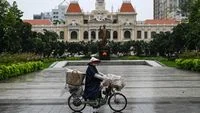
Vietnam has once again cemented its status as the premier tourism powerhouse in the Asia-Pacific region, securing the prestigious title of Asia’s Leading Destination at the 2026 World Travel Awards (WTA). This latest accolade marks an unprecedented six-year winning streak, reinforcing the nation’s appeal as a top-tier destination for global travelers and positioning it ahead of formidable regional competitors, including Thailand, Malaysia, Singapore, and Indonesia. The announcement, made during the WTA Asia & Oceania gala ceremony held last Sunday, underscores a sustained trajectory of growth and strategic investment in the Vietnamese hospitality and tourism sectors.
The World Travel Awards, established in 1993 and often referred to as the "Oscars of the Travel Industry," serve as the definitive benchmark for excellence in global tourism. Winners are selected through a rigorous process involving thousands of votes cast by industry professionals, travel experts, and the general public worldwide, ensuring that the recognition reflects both market trends and consumer sentiment.
A Multitude of Regional Accolades
Beyond the headline achievement of being named the leading destination in Asia, Vietnam’s tourism infrastructure saw a wave of recognition across diverse categories. These awards highlight the country’s multifaceted appeal, ranging from its bustling urban centers to its preserved natural landscapes and deep-rooted cultural heritage.
Ho Chi Minh City, the nation’s southern economic hub, successfully outperformed regional titans such as Singapore, Shanghai, and Hong Kong to be crowned Asia’s Leading Business Travel Destination. This recognition highlights the city’s ability to cater to high-level corporate tourism, supported by an expanding network of international hotels, sophisticated conference facilities, and improved transport connectivity.
In the north, Hanoi continued to solidify its reputation as a cultural and lifestyle hub, earning the title of Asia’s Leading City Break Destination. The city’s unique blend of colonial architecture, ancient temples, and a burgeoning culinary scene remains a major draw for short-stay international tourists.
Vietnam’s commitment to preserving its cultural and natural heritage was further validated through several specific awards:
- Tam Chuc Complex (Ha Nam Province): Awarded Asia’s Leading Cultural Tourist Attraction, recognizing its spiritual significance and architectural scale.
- Ta Xua (Son La Province): Named Asia’s Leading Emerging Tourism Destination. This marks a milestone for the region, which has gained popularity for its dramatic "cloud-hunting" experiences at 2,800 meters above sea level.
- Moc Chau: Recognized as Asia’s Leading Regional Nature Destination, a testament to the popularity of its high-altitude tea plantations and pristine ecological environment.
- Phong Nha-Ke Bang National Park: Retained its title as Asia’s Leading National Park. Spanning 900 square kilometers, the park—a UNESCO World Heritage site since 2003—houses over 300 prehistoric caves, including Son Doong, the world’s largest natural cave.
Strategic Evolution of Vietnamese Tourism
The success of 2026 is the culmination of a decade-long strategic pivot by the Vietnam National Authority of Tourism (VNAT). Following the global disruptions of the early 2020s, Vietnam implemented aggressive policies to revitalize its sector, focusing on digital transformation, visa policy liberalization, and sustainable development.
In 2024 and 2025, the Vietnamese government streamlined its e-visa process, extending the duration of stay for citizens from over 80 countries. This regulatory shift was pivotal in restoring pre-pandemic visitor numbers. Furthermore, the government has prioritized "green tourism," encouraging local provinces to develop infrastructure that minimizes environmental impact while maximizing the visitor experience.
Data indicates that the tourism sector contributed significantly to Vietnam’s GDP in 2025, with a year-on-year growth in international arrivals of approximately 15%. This surge is largely attributed to the diversification of tourism products beyond the traditional beach-and-temple circuit, shifting toward adventure travel, high-end business conferences, and sustainable ecotourism.
Industry Reactions and Market Implications
Following the ceremony, representatives from the tourism sector highlighted the significance of the six-year streak. Industry analysts suggest that this consistency acts as a psychological anchor for international travel agencies and tour operators. "When a destination holds the ‘Leading Destination’ title for six consecutive years, it becomes an essential inclusion for global travel portfolios," noted an industry consultant specializing in Southeast Asian markets.
While the awards are a cause for celebration, the Vietnamese tourism board has signaled that the focus must now shift toward long-term sustainability. With increased visitor volume comes the challenge of managing over-tourism in popular spots like Ha Long Bay and the historic center of Hoi An. The government’s recent development plans emphasize "quality over quantity," aiming to attract higher-spending tourists who remain for longer durations, thereby reducing the strain on local infrastructure.
The Competitive Landscape in Asia
Vietnam’s victory over its neighbors serves as a clear indicator of the shifting competitive landscape in Southeast Asia. Thailand, historically the regional leader, has faced challenges in diversifying its visitor base, while Singapore continues to maintain its dominance in the luxury and MICE (Meetings, Incentives, Conferences, and Exhibitions) segments.
Indonesia’s focus on "Bali-plus" destinations—trying to divert traffic from Bali to secondary hubs like Labuan Bajo—has seen progress, but Vietnam’s ability to market its entire length from the northern mountains to the Mekong Delta has provided it with a competitive edge in capturing the "discovery-based" traveler.
Future Outlook and Challenges
Looking ahead to 2027 and beyond, the challenges for Vietnam remain substantial. Global economic volatility, fluctuating fuel costs for aviation, and the need for continued investment in public transport infrastructure are critical factors that will dictate whether the nation can sustain its current momentum.
However, the international recognition provided by the World Travel Awards serves as a potent marketing tool that effectively lowers the cost of customer acquisition for local businesses. By leveraging these accolades, Vietnam is expected to ramp up promotional efforts in key markets such as South Korea, Japan, Europe, and North America.
The success of sites like Phong Nha-Ke Bang and the emerging popularity of regions like Ta Xua demonstrate that Vietnam’s future lies in its ability to offer unique, non-replicable experiences. As global travel preferences lean toward authentic, nature-based, and adventure-centric tourism, Vietnam’s geographical diversity—ranging from subterranean cave systems to high-altitude peaks—positions it uniquely to capitalize on these evolving trends.
Conclusion: A Legacy of Excellence
The 2026 World Travel Awards have done more than simply add another trophy to Vietnam’s cabinet; they have validated a cohesive national strategy that integrates natural preservation with infrastructure modernization. As the industry moves into the latter half of the decade, Vietnam stands at the forefront of the Asian tourism sector. Whether this dominance can be maintained into the next decade will depend on the country’s ability to balance rapid growth with the preservation of the very assets—the landscape, the culture, and the environment—that have made it the region’s undisputed leader.
For now, the message from the international travel community is clear: Vietnam remains the destination of choice, setting the standard for what a modern, dynamic, and diverse Asian travel experience should encompass. The recognition serves not just as a reward for past efforts, but as a mandate for continued excellence in the years to come.