Navigating the Silent Transition: How Misdiagnosed Menopause and Brain Fog Impact Women in the Workplace

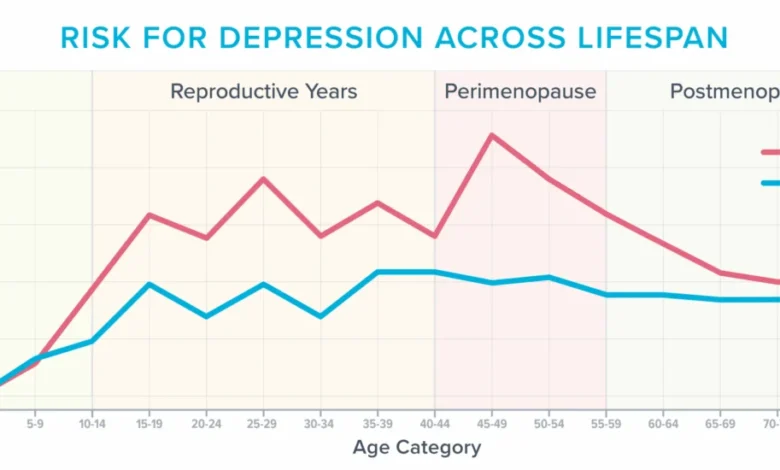
For years, millions of women entering their late forties and fifties have quietly struggled with what is commonly dismissed as "brain fog," executive dysfunction, and chronic fatigue. Often misdiagnosed by medical professionals as clinical depression, anxiety, or general insomnia, these cognitive and emotional disruptions are frequently rooted in a natural biological transition: perimenopause and menopause. Recent medical research, however, is beginning to reframe these vasomotor and neurological symptoms not merely as transient inconveniences, but as significant physiological markers requiring informed healthcare intervention and targeted lifestyle management.
The journey toward understanding menopause-related cognitive decline is frequently paved with misdiagnoses and medical frustration. Historically, healthcare providers have relied on generalized diagnostic tools, such as the Patient Health Questionnaire (PHQ-9), to assess mood disorders. Yet, the diagnostic criteria for clinical depression share substantial overlap with the physiological consequences of menopause-induced sleep deprivation—including fatigue, poor concentration, psychomotor agitation, and persistent low mood. Consequently, women experiencing hormonal fluctuations are frequently prescribed antidepressants or sleep aids that fail to address the root endocrine cause. Medical surveys indicate that approximately 80 percent of medical residents report feeling barely comfortable discussing menopause, highlighting a systemic deficiency in specialized gynecological and neurological training within modern medical education.

The physiological mechanisms driving these cognitive and emotional hurdles are complex, involving both hormonal withdrawal and specific vascular changes. As women approach menopause, levels of estrogen and progesterone fluctuate and ultimately decline. This hormonal shift directly impacts the hypothalamus, the brain’s internal thermostat, leading to vasomotor symptoms such as hot flashes and night sweats. These episodes trigger surges in cortisol and norepinephrine, elevating heart rate, dilating blood vessels, and disrupting sleep architecture. Recent neuroimaging studies have demonstrated that frequent vasomotor symptoms correlate with an increased presence of whole-brain white matter intensities—patchy brain lesions historically dismissed as normal aging, but now recognized by neuroscientists as predictive markers for future cognitive decline and an elevated risk of stroke and dementia. Furthermore, sleep fragmentation resulting from nighttime vasomotor disruptions impairs the hippocampus and amygdala, directly diminishing memory consolidation, emotional regulation, and stress resilience.
Despite mounting scientific evidence supporting the efficacy and safety of menopausal hormone therapy (MHT)—formerly known as hormone replacement therapy (HRT)—many clinicians continue to practice defensive medicine. This hesitation is largely driven by misinterpretations of decades-old clinical trials, such as the Women’s Health Initiative study published in 2002, which initially linked certain hormone preparations to increased risks of breast cancer and stroke. Contemporary endocrinological and gynecological consensus now indicates that for healthy women under the age of 60 who are within ten years of the onset of menopause, the benefits of MHT for symptom management, cardiovascular protection, and bone density preservation frequently outweigh the associated risks. Experts emphasize the importance of shared decision-making, where patients and physicians collaboratively weigh individual risk profiles against the debilitating impacts of untreated menopausal symptoms.
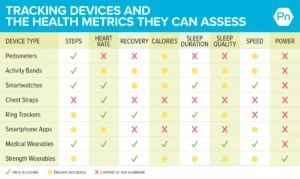
Addressing the multifaceted challenges of menopause requires a dual approach encompassing specialized medical advocacy and evidence-based lifestyle modifications. Healthcare authorities recommend that patients seek out practitioners certified by specialized organizations, such as the Menopause Society, and arrive at appointments equipped with documented symptom logs and digital sleep tracking data. Beyond hormone therapy, clinical guidelines suggest several foundational strategies to support cognitive longevity and emotional well-being during middle age. These include optimizing circadian rhythms through consistent morning sunlight exposure, implementing targeted nutritional patterns such as the Mediterranean or MIND diets to support vascular health, incorporating dietary supplements like creatine monohydrate to combat mental fatigue, and practicing cognitive behavioral therapy for insomnia (CBT-I) to restructure sleep architecture. Additionally, pacing physical exertion to accommodate altered recovery rates and systematically evaluating life stressors can significantly mitigate the cognitive load experienced during this transitional life stage. Ultimately, recognizing menopause as a manageable physiological transition rather than a pathological condition empowers women to reclaim their cognitive health, advocate effectively for evidence-based care, and navigate middle age with renewed clarity and agency.
Related posts: