The True Cost of Optimal Health: Evaluating the Financial, Emotional, and Temporal Demands of Modern Longevity Protocols

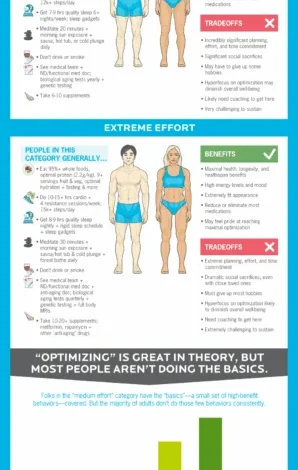
The pursuit of longevity has transitioned from a quiet personal aspiration into a multi-billion-dollar global industry characterized by intensive biohacking protocols, restrictive nutritional regimens, and specialized wellness technology. In an era dominated by wellness influencers, longevity podcasters, and Silicon Valley biohackers promoting regimens designed to reverse chronic disease, preserve youth, and extend human lifespans past a century, consumers are increasingly bombarded with instructions on how to "optimize" their biology.
However, a critical examination of these advanced practices reveals a fundamental question that health researchers, behavioral psychologists, and everyday wellness seekers are beginning to ask: Are ultra-specific, high-maintenance protocols genuinely necessary or effective, and precisely what are the trade-offs in terms of effort, time, and financial expenditure?
To address these growing concerns, comprehensive new educational resources, including data-driven infographics and longevity assessments developed by health and nutrition researchers, aim to demystify the true cost of pursuing optimal health. By weighing the demands of extreme protocols against the realities of sustainable living, experts are striving to provide clarity for individuals seeking to maximize their healthspan without sacrificing their quality of life.
The Evolution of the Longevity Movement
The modern obsession with health optimization is not entirely new, but its contemporary manifestation represents a significant departure from historical public health messaging. For decades, longevity advice was relatively straightforward: consume a balanced diet, engage in regular cardiovascular and resistance exercise, secure adequate sleep, and manage stress. Public health initiatives by organizations such as the World Health Organization and the Centers for Disease Control and Prevention historically emphasized these foundational pillars.
However, the late 2010s and early 2020s witnessed a paradigm shift. Accelerated by the COVID-19 pandemic, public interest in personal immunity, biomarker tracking, and proactive healthcare surged. Simultaneously, rapid advancements in biotechnology—such as affordable genetic sequencing, continuous glucose monitors (CGMs), wearable fitness trackers, and at-home blood testing kits—democratized access to physiological data.
While these tools offered unprecedented insights into individual biology, they also created a fertile environment for wellness optimization culture. High-profile entrepreneurs, longevity physicians, and internet personalities began popularizing regimens involving dozens of daily supplements, hyper-restrictive dietary protocols such as prolonged fasting or strict ketogenic diets, and expensive clinical interventions like hyperbaric oxygen therapy and full-body magnetic resonance imaging (MRI) scans.
Chronology of the Health Optimization Boom
The trajectory of the longevity industry over the past decade illustrates how a niche scientific pursuit transformed into a mainstream commercial juggernaut:
- 2015–2018: The emergence of consumer-grade wearables and direct-to-consumer genetic testing allows individuals to track sleep stages, heart rate variability, and genetic predispositions. Biohacking communities form online to share self-experimentation data.
- 2019–2020: The onset of the global pandemic refocuses public consciousness on immune health and metabolic resilience. Sales of immune-boosting supplements and home fitness equipment spike dramatically.
- 2021–2023: High-profile podcasters and longevity researchers popularize terms like "healthspan"—the period of life spent in good health, free from chronic disease—over mere "lifespan." Protocols involving specialized blood panels, pharmaceutical interventions for off-label longevity (such as metformin and rapamycin), and advanced sleep hygiene tools enter mainstream discourse.
- 2024–Present: The market becomes saturated with conflicting advice, prompting a growing backlash from medical professionals and behavioral scientists who warn against orthorexia—an unhealthy obsession with healthy eating—and financial exploitation through unverified wellness products. Research initiatives increasingly focus on distinguishing between evidence-based lifestyle modifications and costly, low-yield optimization tactics.
Analyzing the True Cost: Financial, Temporal, and Psychological Burdens
The financial implications of pursuing optimal health can be staggering. While standard health recommendations—such as walking daily and eating whole foods—carry minimal costs, advanced optimization protocols require significant financial capital.
A comprehensive health optimization routine often includes:

- Advanced Diagnostics: Out-of-pocket costs for quarterly or bi-annual comprehensive blood panels, epigenetic testing, microbiome analysis, and preventative full-body scans can range from several hundred to several thousand dollars annually.
- Supplementation: The global dietary supplement market, valued in the tens of billions of dollars, promotes extensive stacks of vitamins, minerals, adaptogens, and specialized longevity compounds. Many consumers spend hundreds of dollars each month on supplements with varying degrees of scientific validation.
- Therapeutic Technologies: Investments in infrared saunas, cold plunges, red-light therapy panels, sleep-tracking mattresses, and specialized air and water filtration systems represent substantial upfront and maintenance costs.
- Specialized Nutrition: Organic produce, grass-fed meats, pasture-raised eggs, and specialty superfoods carry a significant grocery store premium compared to conventional dietary staples.
Beyond financial expenditure, the temporal cost is equally demanding. Adhering to complex schedules involving timed supplementation, meticulous macro-nutrient tracking, rigorous exercise routines spanning multiple hours a day, and extensive sleep optimization rituals can consume significant portions of an individual’s day. For many, the mental load of maintaining such a rigid lifestyle introduces chronic psychological stress—a known contributor to negative health outcomes that directly counteracts the physiological benefits of the protocol itself.
Scientific Consensus and Diminishing Returns
Epidemiological and clinical research consistently demonstrates that the most significant gains in healthspan and longevity are achieved through adherence to the foundational pillars of lifestyle medicine. The "law of diminishing returns" heavily applies to human physiology: moving from a sedentary, nutrient-poor lifestyle to an active, nutrient-dense lifestyle yields exponential health benefits. However, moving from an already healthy lifestyle to an "optimized" or biohacked lifestyle yields marginal, highly individualized, and often unproven benefits.
According to major public health studies, the core determinants of long-term health remain remarkably consistent:
- Cardiorespiratory Fitness and Strength: Regular physical activity, incorporating both aerobic exercise and resistance training, is one of the strongest predictors of all-cause mortality reduction.
- Nutritional Quality: Diets rich in whole foods, fiber, lean proteins, and healthy fats—such as the traditional Mediterranean diet—consistently outperform restrictive fad diets in long-term clinical trials.
- Sleep Hygiene: Consistently securing seven to nine hours of quality sleep is essential for metabolic regulation, cognitive function, and immune health.
- Social Connection and Mental Wellbeing: Strong social ties and effective stress management are frequently cited in longevity research—particularly in studies of "Blue Zones," regions where people live exceptionally long lives—as critical components of overall health.
When consumers prioritize complex, high-cost interventions over these fundamental behaviors, they frequently experience what behavioral scientists refer to as "protocol fatigue." The unsustainable nature of extreme regimens often leads to burnout, abandonment of healthy habits entirely, and cycles of guilt and shame.
The Role of Professional Coaching in Sustainable Health
As the medical and wellness communities grapple with the fallout of extreme optimization culture, attention has increasingly shifted toward sustainable habit formation. Experts emphasize that the most effective health intervention is one that an individual can maintain consistently over decades, rather than a temporary protocol executed with militant precision for a few months.
This realization has transformed the professional landscape for health and wellness coaches, nutritionists, and fitness professionals. Modern coaching frameworks are moving away from prescriptive, one-size-fits-all meal plans and grueling workout routines. Instead, certified professionals are trained to help clients navigate the overwhelming sea of health information, identify personal priorities, and build incremental, sustainable lifestyle habits that support both physical and mental health.
Organizations within the nutrition and coaching education sector have responded by developing comprehensive curricula—such as specialized nutrition coaching certifications—that equip practitioners with the behavioral psychology tools necessary to guide clients toward realistic, long-term wellness. These programs emphasize empathy, motivational interviewing, and habit-based coaching, ensuring that clients can achieve meaningful health improvements without sacrificing their financial stability, social lives, or mental peace.
Broader Implications and Future Outlook
The cultural conversation surrounding health optimization stands at a critical crossroads. As consumer awareness grows regarding the marketing tactics of the wellness industry, a counter-movement emphasizing simplicity, accessibility, and mental wellbeing is gaining momentum.
The implications of this shift are profound for several sectors:
- Healthcare Industry: Traditional healthcare providers are increasingly recognizing the need to engage patients in conversations about lifestyle medicine, helping them critically evaluate external health claims and prioritize evidence-based preventative care over expensive, unverified trends.
- Wellness Market: Companies within the fitness, supplement, and diagnostic sectors face mounting pressure to demonstrate clinical validity and transparency regarding the true efficacy of their products and services.
- Public Policy: Public health organizations are challenged with cutting through the noise of social media health misinformation to deliver clear, accessible, and scientifically grounded guidance to the general population.
Ultimately, the pursuit of a longer, healthier life does not require a complex, expensive, or burdensome routine. By shifting the focus away from the pursuit of biological perfection and back toward consistent, enjoyable, and sustainable foundational habits, individuals can achieve the longevity they desire while preserving the quality of life that makes living worthwhile.