Duncan Sheik the influential singer-songwriter and Tony Award-winning composer has died at age 56

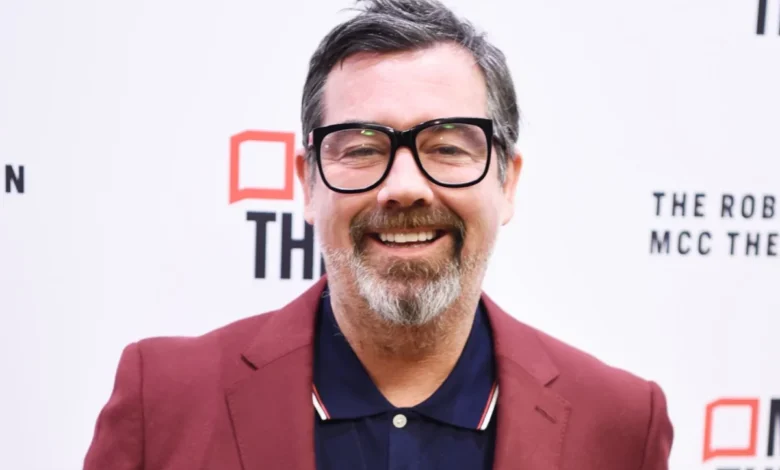
The music and theater worlds are mourning the sudden loss of Duncan Sheik, the multifaceted artist whose career bridged the gap between 1990s alternative pop and the avant-garde of contemporary musical theater. Sheik passed away on Thursday in Manhattan due to complications arising from heart failure that resulted in sudden cardiac arrest. His passing was confirmed by his mother to The New York Times, marking a premature end to a career that was still actively evolving.
At the time of his death, Sheik remained a vital presence in the arts, currently preparing for a new Off-Broadway production. His sudden departure at age 56 has sent ripples through the Broadway community, where he was highly regarded for his ability to translate complex human emotions into nuanced, melodic rock scores.
A Career Defined by Artistic Evolution
Duncan Sheik’s professional journey began in earnest during the mid-1990s, a period defined by the dominance of post-grunge and the emergence of the singer-songwriter movement. His self-titled debut album, released in 1996, arrived with a sophisticated, textured sound that separated him from the radio-friendly acts of the era. The album’s lead single, Barely Breathing, became a cultural touchstone. The track remained on the Billboard Hot 100 for an extraordinary 55 weeks, peaking at No. 16. It was a song that transcended the limitations of the "one-hit wonder" label, showcasing a songwriter capable of capturing the melancholy and longing of the decade.
However, Sheik’s artistic ambitions were never tethered to the pop charts. As the late 90s progressed and the industry leaned heavily into the polished, synthetic sounds of the burgeoning boy band era, Sheik began to look toward new horizons. His transition to musical theater was not a retreat, but a deliberate expansion of his creative toolkit.
The defining moment of this second act arrived in 2006 with the development of Spring Awakening. Working alongside lyricist Steven Sater, Sheik composed a rock-infused score that revitalized the medium of the Broadway musical. The production, which explored the turbulent intersection of youth, rebellion, and repression in 19th-century Germany, was a critical and commercial phenomenon. In 2007, Spring Awakening swept the Tony Awards, winning eight trophies, including Best Original Score for Sheik. The success proved that rock music could thrive on the Broadway stage without sacrificing its edge or its emotional intimacy.
Following his triumph with Spring Awakening, Sheik continued to challenge himself, composing the score for American Psycho, a musical adaptation that further solidified his reputation for creating soundscapes that were both atmospheric and intellectually demanding.
A Chronology of a Musical Life
The roots of Sheik’s musicality were established long before his mainstream breakthrough. Born and raised in South Carolina, he famously recounted his early childhood sessions with his grandmother. By age four, he was already experimenting with improvisation on the piano. This formative period, which he described as "musical nonsense" in a 1997 interview with Entertainment Weekly, fostered an early comfort with the piano that would serve as the backbone for his later compositions.
- 1996: Release of his self-titled debut album and the breakout success of the single "Barely Breathing."
- 2006: The Off-Broadway premiere of "Spring Awakening," which later transferred to Broadway to critical acclaim.
- 2007: Wins the Tony Award for Best Original Score for "Spring Awakening."
- 2016: The Broadway premiere of "American Psycho," for which Sheik wrote the music and lyrics.
- 2026: Sheik passes away in Manhattan at the age of 56.
Official Responses and Industry Impact
The loss of such a singular voice has prompted an outpouring of tributes from peers and collaborators. A spokesperson for Sheik provided a statement to People, capturing the sentiment shared by those who worked with him: "The world has lost a singular talent and deeply influential voice in music and theater. He will be remembered for his sensitivity, wit, intelligence, and depth of spirit he brought to those who knew and loved him."

Beyond the professional accolades, those who knew him personally have spoken of a man deeply committed to his family. Sheik is survived by his wife, Nora Ariffin, and their seven-year-old daughter, Ines. The family has requested privacy as they navigate this sudden transition.
The Health Context: Cardiac Arrest in Men Over 50
The medical circumstances surrounding Sheik’s passing—specifically the mention of heart failure leading to sudden cardiac arrest—have brought renewed attention to cardiovascular health in middle-aged men. Medical experts note that while heart attacks and cardiac arrest are often used interchangeably in casual conversation, they represent distinct physiological events.
A heart attack occurs when blood flow to a section of the heart is blocked, typically by a clot or plaque buildup. Cardiac arrest, conversely, is an electrical failure. The heart’s internal rhythm is disrupted, causing it to stop pumping blood to the brain and other vital organs. This event is often fatal if not treated immediately with an automated external defibrillator (AED) or cardiopulmonary resuscitation (CPR).
According to the American Heart Association and various cardiovascular research institutions, men over the age of 50 are at a significantly higher statistical risk for these events. Data suggests that approximately one in nine men will experience a sudden cardiac event before the age of 70. Several factors contribute to this elevated risk, including:
- Arterial Stiffening: As the cardiovascular system ages, the elasticity of the arteries decreases, increasing the workload on the heart.
- Hormonal Changes: Shifts in testosterone levels and other metabolic factors can impact cardiovascular resilience.
- Chronic Conditions: Long-standing issues such as hypertension, cholesterol imbalances, or underlying coronary artery disease can reach a critical threshold in the 50s.
Public health officials emphasize that many of these risks are manageable through consistent screenings. Routine monitoring of blood pressure, lipid panels (cholesterol), and stress testing are considered the "gold standard" for preventative care. For men in Sheik’s age demographic, the consensus among cardiologists is that early detection remains the most effective tool in preventing sudden, unexpected cardiac events.
The Lasting Legacy of a Versatile Composer
Duncan Sheik leaves behind a body of work that defies easy categorization. His ability to move from the radio airwaves to the Broadway pit was a rare feat, and he did so without losing the distinct, intimate sound that characterized his early work. By injecting the raw vulnerability of his pop sensibilities into the structured world of musical theater, he helped pave the way for a new generation of composers to experiment with genre-blending scores.
His influence is not merely found in the awards on his shelf, but in the way he allowed his music to evolve alongside his life. He was an artist who rejected the pressure to conform, instead seeking out mediums that allowed him to explore the "depth of spirit" that his spokesperson noted in his final tribute.
As the theater community prepares to honor his life and work, the focus will likely remain on his contributions to the American songbook and the quiet, introspective nature of his music. Whether it was the melancholic hook of a 90s ballad or the complex harmonies of a Broadway production, Sheik’s compositions possessed a consistent intellectual honesty. He was a creator who understood that music, at its core, is a dialogue between the composer and the listener—a dialogue he sustained with grace and intelligence for over three decades.
His death serves as a poignant reminder of the fragility of life, even for those whose voices seem destined to endure. While his final project may remain unfinished, the impact of his past work continues to resonate, ensuring that the legacy of Duncan Sheik will remain a significant chapter in the history of contemporary music and performance.