Beyond the Bottle: How Brain Adaptations During Abstinence Drive Alcohol Relapse Risk

The pursuit of sobriety is widely recognized as a cornerstone of improved physical and mental well-being, yet addiction researchers have long grappled with a complex and frustrating paradox: the very neurological adaptations that occur during abstinence may significantly heighten an individual’s vulnerability to relapse. While public health initiatives consistently champion alcohol abstinence—exemplified by cultural movements like "Dry January" and traditional clinical recovery programs—the physiological reality within the recovering brain is remarkably intricate. Recent scientific investigations are shedding light on these hidden biological challenges, offering a deeper understanding of why maintaining long-term recovery remains an uphill battle for millions.
A groundbreaking preclinical study recently published in leading scientific journals has investigated the behavioral and neurological aftermath of long-term voluntary alcohol consumption followed by forced abstinence. By examining murine models exposed to these precise conditions, researchers have uncovered critical insights into the neural mechanisms driving compulsive drinking behaviors and the persistent risk of relapse in alcohol use disorder (AUD).
Unraveling the Mechanics of Aversion-Resistant Drinking
To simulate the complex trajectory of human alcohol misuse and subsequent withdrawal, investigators provided mice with long-term voluntary access to alcohol, followed by a strictly enforced period of abstinence. Upon the reintroduction of alcohol, researchers observed a distinct behavioral phenotype in a specific subset of the subjects: the development of aversion-resistant alcohol intake.
In these experiments, quinine was systematically added to the alcohol to render it increasingly bitter and unpalatable. While typical subjects naturally avoided the bitter substance, this subset of mice continued to consume alcohol despite the strong aversion. More strikingly, compared to control groups that had not experienced forced abstinence, these mice consumed significantly larger quantities of the heavily adulterated alcohol.
These empirical observations strongly indicate that the physiological stress and neurobiological shifts associated with abstinence create profound bodily and psychological challenges. Rather than diminishing the drive to drink, the transition into sobriety can, in vulnerable neural circuits, amplify the motivation to seek out alcohol, overriding natural self-preservation instincts and aversion signals.
The Role of the Bed Nucleus of the Stria Terminalis (BNST)
Seeking to identify the neurological epicenters driving these behaviors, researchers turned their attention to a small, almond-sized collection of cells nestled deep within the forebrain: the bed nucleus of the stria terminalis, commonly referred to as the BNST. Historically, neuroscientists have heavily implicated the BNST in the orchestration of emotional states, particularly anxiety, stress, and depressive symptoms—all of which are hallmark features of alcohol withdrawal and acute abstinence syndromes.
To evaluate real-time neural engagement, the research team monitored the cellular activity of the BNST when abstinent mice were reintroduced to the distinct physical environment where alcohol had previously been accessible. Even when the dispensing spout contained nothing more than innocuous water, the mice actively attempted to drink, driven by contextual cues and spatial memory.
Crucially, these compulsive attempts to secure alcohol correlated directly with heightened electrical and metabolic activity within the BNST. When researchers compared the neural profiles of abstinent mice that had developed a taste for bitter, aversion-resistant alcohol against those that had not undergone forced abstinence, the findings were stark: the vulnerable cohort exhibited more than double the level of BNST activity.
Even more promising from a diagnostic perspective, researchers detected anomalous BNST activity prior to providing the mice with access to the bitter alcohol. This temporal sequence suggests that baseline neural reactivity within this specific brain region could potentially serve as a reliable neurological biomarker, offering a pathway to screen and identify individuals who harbor a heightened risk of relapse before they return to active substance use.
The Escalating Public Health Crisis of Alcohol Misuse in the United States
The urgency of identifying neurobiological vulnerabilities to relapse is underscored by the staggering public health footprint of alcohol misuse in the United States. While public discourse frequently fixates on the opioid epidemic, statistical data reveals a vastly underestimated crisis unfolding in plain sight. Government and public health tracking data indicate that fatalities directly and indirectly associated with alcohol use in recent years have outpaced opioid-related deaths by a factor of 4.5.
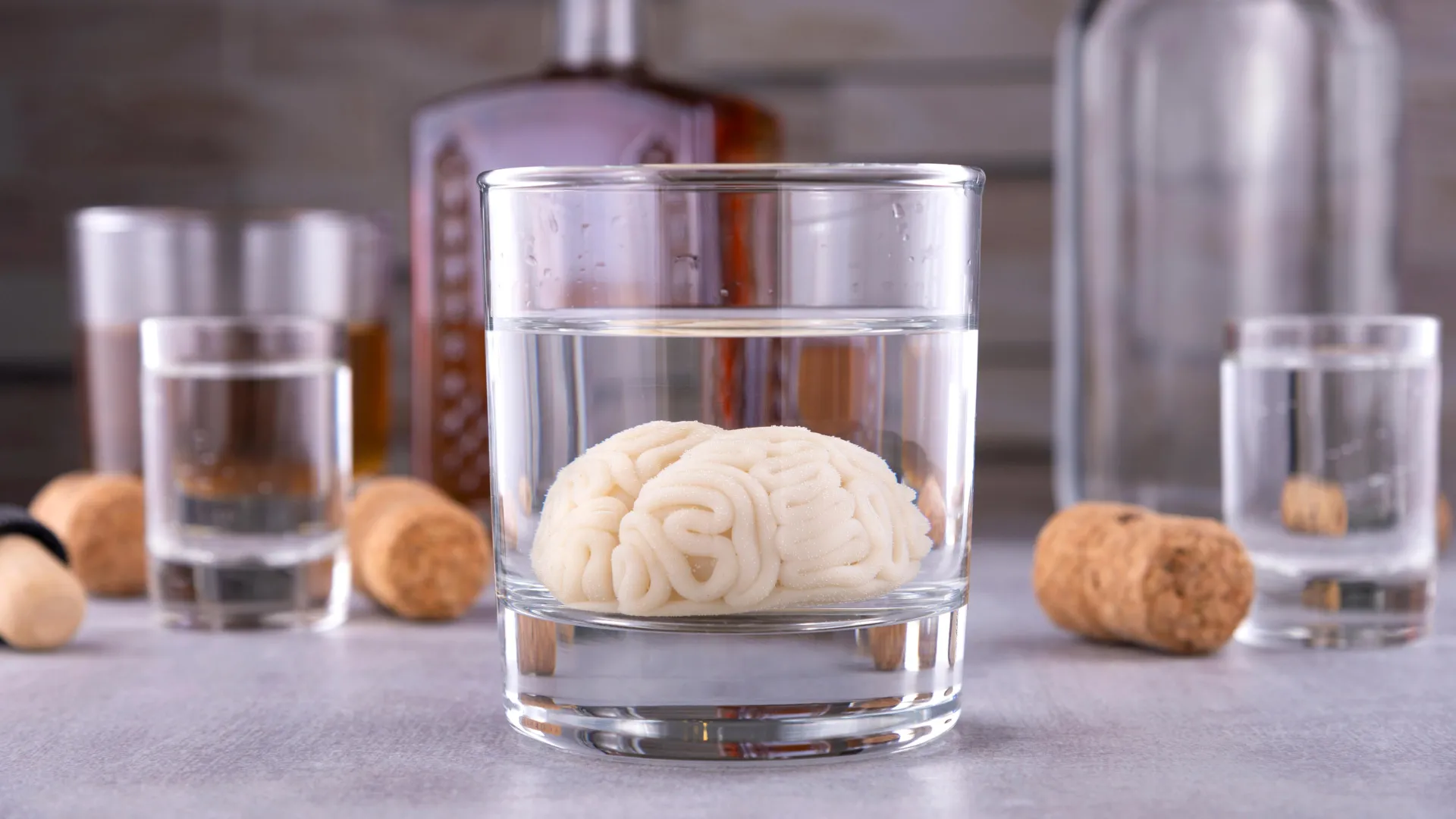
Despite these alarming statistics, public perception chronically minimizes the dangers of alcohol. Ubiquitous in social settings, cultural celebrations, and daily routines, alcohol is rarely viewed by the general populace through the same lethal lens as illicit narcotics. Yet, extensive scientific literature links alcohol consumption to a devastating array of chronic health conditions, including multiple forms of cancer. Epidemiological studies emphasize that even modest consumption levels can measurably elevate oncological risks, a reality that remains largely unrecognized by a significant portion of the adult demographic.
Demographic Impact and the Treatment Gap
Epidemiological surveys conducted by the National Institute on Alcohol Abuse and Alcoholism (NIAAA) reveal that over 80% of Americans aged 12 and older consume alcohol at some point during their lifetimes. Among this broad population, approximately 10% eventually cross the threshold into meeting the clinical diagnostic criteria for alcohol use disorder. In raw numbers, this 10% translates to nearly 30 million individuals across the United States who are actively in need of specialized medical and psychological intervention.
Despite the sheer scale of the population affected, modern clinical medicine remains remarkably ill-equipped to accurately predict which individuals are most susceptible to developing severe AUD, nor can clinicians reliably forecast who will successfully maintain long-term sobriety versus those who will inevitably experience a relapse.
While the U.S. Food and Drug Administration (FDA) has approved several pharmaceutical treatments designed to assist in managing AUD, the prevalence of the disorder has surged. Longitudinal epidemiological data demonstrates that the number of individuals diagnosed with AUD in the United States has effectively doubled since 1999. This alarming trajectory highlights a systemic failure in matching patients with precision-tailored therapeutic interventions, emphasizing the urgent need to develop advanced prognostic screening tools.
Current Limitations and Unanswered Questions in Addiction Neuroscience
While the discovery regarding BNST hyperactivation marks a major leap forward in addiction research, neuroscientists emphasize that several critical questions remain unanswered. Foremost among these unknowns is the exact mechanistic pathway through which the BNST governs complex behaviors related to compulsive alcohol seeking and consumption.
Furthermore, researchers have yet to pinpoint the precise environmental or genetic triggers that drive the abnormal surge in BNST activity during early abstinence. The BNST is not a monolithic structure; rather, it is a heterogeneous region composed of numerous distinct subpopulations of neurons, each potentially playing opposing roles in stress regulation and reward processing. Identifying which specific cellular assemblies within the BNST encode these relapse-promoting signals remains a paramount objective for contemporary neurobiology. Unraveling this cellular code could eventually pave the way for novel, highly targeted pharmacological or neuromodulatory treatments that selectively dampen pathological BNST activity without causing widespread disruption to normal emotional processing.
Translating Animal Models to Clinical Realities
Building upon these preclinical discoveries, the broader scientific community is actively working to bridge the translational gap between animal models and human clinical populations. Advanced neuroscience tools, including optogenetics and chemogenetics, currently allow researchers to manipulate the activity of specific neuronal populations in murine models with unprecedented precision, definitively establishing causality between BNST firing patterns and aversion-resistant drinking.
Simultaneously, human-focused clinical investigations are underway. Noted neuroimaging researcher Dr. Jennifer Blackford and her laboratory team are currently investigating BNST activity in human subjects diagnosed with alcohol use disorder who are navigating the precarious phase of early abstinence. By employing functional neuroimaging techniques tailored to visualize deep brain structures, Blackford’s team aims to determine whether human patients exhibit neural activation patterns analogous to those observed in the murine models.
Should ongoing clinical studies validate these findings in humans, the logical next phase of research will involve testing the clinical utility of BNST screening protocols within structured therapeutic trials. Integrating neuroimaging or electrophysiological biomarkers of BNST reactivity into standard addiction treatment pipelines could fundamentally transform clinical practice. Clinicians could potentially utilize these objective neural markers to stratify patients based on relapse risk, tailoring intensive monitoring, behavioral therapies, and pharmacotherapeutic regimens precisely to those whose brain states indicate the highest vulnerability.
As researchers continue to decode the complex neurological rewiring that accompanies abstinence, the path toward more effective, individualized addiction medicine is slowly coming into focus. By treating alcohol use disorder not merely as a failure of willpower, but as a complex neurobiological condition rooted in measurable brain adaptations, science is steadily moving closer to turning the tide against one of the nation’s most persistent public health crises.