Decoding the Clock of Aging: Dr. Vineeta Tanwar and the Frontiers of Postmenopausal Health at the Buck Institute

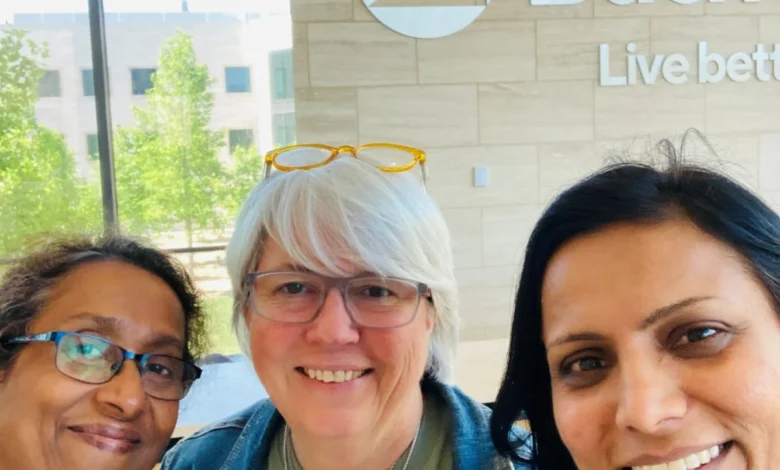
The landscape of biogerontology is undergoing a profound transformation, shifting away from the reactive treatment of isolated age-related diseases toward the proactive, systemic management of aging itself as a modifiable biological process. At the forefront of this paradigm shift is Dr. Vineeta Tanwar, a translational scientist at the renowned Buck Institute for Research on Aging in Novato, California. Through her pioneering clinical research, most notably the upcoming GRACE (Glycation Reduction and Aging, a Clinical Evaluation) study, Dr. Tanwar is addressing a critical blind spot in modern medicine: the complex interplay of metabolic, hormonal, and functional shifts experienced by women during the postmenopausal transition. As life expectancies rise globally, the imperative to extend not merely lifespan, but healthspan—the period of life spent in good health and autonomy—has never been more urgent. Dr. Tanwar’s work represents a vital bridge between rigorous cellular biology and tangible, patient-centric clinical interventions, offering a new blueprint for how medical science approaches women’s health in the 21st century.
A Global Journey of Scientific Discovery
Dr. Tanwar’s path to the frontiers of aging biology is as diverse geographically as it is intellectually. Her academic foundation was established in New Delhi, India, where she earned her PhD at the prestigious All India Institute of Medical Sciences (AIIMS). This rigorous early training instilled a deep appreciation for molecular mechanisms and physiological systems, setting the stage for an international career in translational research.
Following her doctoral studies, Dr. Tanwar transitioned to the United States, taking up a research position at Vanderbilt University in Nashville, Tennessee. In this capacity, she immersed herself in regenerative medicine, working on the intricate processes required to differentiate pluripotent stem cells into beating cardiac myocytes. This foundational experience in cellular plasticity and tissue engineering provided her with a profound understanding of how cellular building blocks can be manipulated to restore or support organ function.

Seeking to broaden the scope of her environmental and physiological inquiries, Dr. Tanwar subsequently joined The Ohio State University in Columbus. There, her research focus expanded into the environmental determinants of health, specifically investigating how air pollution and chronic environmental exposures adversely impact cardiovascular and pulmonary systems. This work cemented her holistic view of health, demonstrating that human biology does not operate in a vacuum, but is continuously sculpted by external stressors and internal metabolic processes over time.
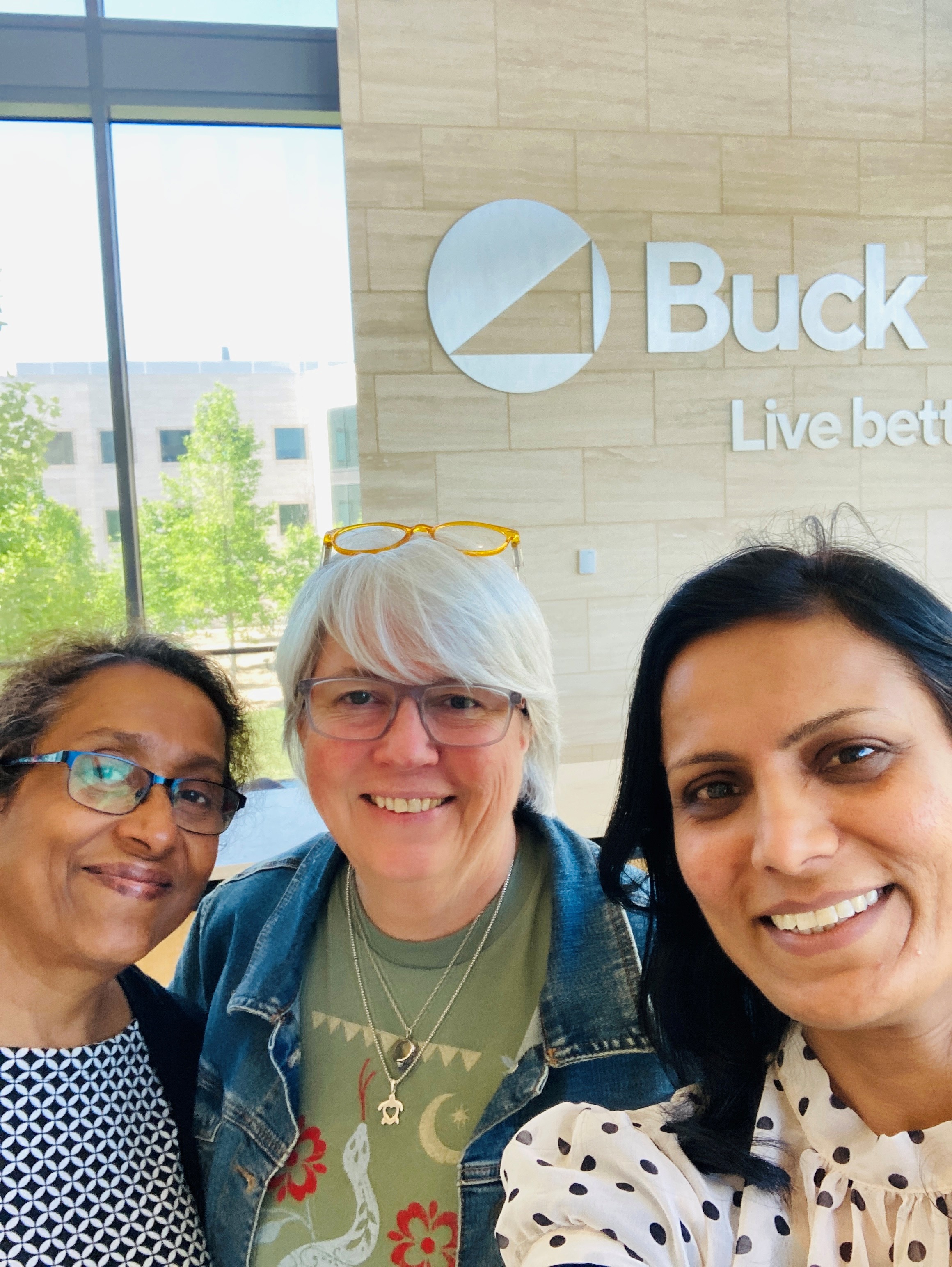
Today, operating out of the Buck Institute in Novato—the world’s first independent research institution dedicated solely to unlocking the mechanisms of aging—Dr. Tanwar applies her multifaceted background to clinical trials. By translating fundamental discoveries in biogerontology into human studies, she operates on the guiding principle that aging is not an immutable, passive decline, but a quantifiable and ultimately malleable biological trajectory.
The Chronology of Translation: From Bench to Clinic
The trajectory of Dr. Tanwar’s career mirrors the broader historical evolution of biogerontology itself over the past two decades. For many years, aging research was heavily confined to preclinical models—yeast, worms, flies, and mice—where scientists mapped out the hallmarks of aging, such as cellular senescence, genomic instability, and mitochondrial dysfunction. Translating these theoretical frameworks into human interventions, however, has historically presented monumental logistical, regulatory, and financial hurdles.
The inception of the GRACE study marks a critical milestone in this timeline of translation. Designed to move years of preclinical data regarding metabolic health and cellular damage into a rigorous human clinical trial, GRACE represents a deliberate effort to address a chronically underserved demographic. Historically, clinical research has frequently suffered from a persistent demographic bias, often extrapolating data derived from male-dominant cohorts to the entire population. Postmenopausal women, who undergo rapid and systemic biological shifts over a compressed timeframe, have frequently been overlooked in comprehensive clinical aging trials.

By designing a study specifically tailored to this life stage, Dr. Tanwar and her team at the Buck Institute are establishing a new methodological precedent. The timeline of this research underscores a growing recognition within the scientific community: that effective preventive medicine must intercept aging processes during critical windows of vulnerability rather than waiting for pathological conditions, such as cardiovascular disease or severe metabolic syndrome, to fully manifest.
Decoding Glycation Stress and Postmenopausal Health
At the core of Dr. Tanwar’s current clinical investigation is the phenomenon of glycation stress—a biochemical process that she likens to a form of internal "caramelization." As the human body ages, particularly in the postmenopausal phase when hormonal fluctuations impair the efficient processing of sugars and energy, excess glucose molecules bind spontaneously to proteins and lipids without the controlling influence of enzymes. This reaction produces advanced glycation end-products (AGEs), which create a microscopic, sticky matrix that stiffens vital tissues, including blood vessels, skin, and cartilage.
This molecular stiffening accelerates functional decline and elevates the risk of numerous age-related pathologies. Postmenopausal women frequently report a constellation of symptoms—including persistent fatigue, unexplained weight gain, joint stiffness, and metabolic instability—that traditional medicine often treats in isolation through symptom management rather than root-cause intervention.
The GRACE study seeks to determine whether strategically reducing glycation stress can systematically improve physiological resilience during the postmenopausal transition. Rather than chasing individual symptoms with separate pharmaceutical agents, the trial investigates whether a unified metabolic intervention can simultaneously enhance multiple aspects of health, ranging from metabolic balance and physical mobility to overall quality of life. In doing so, the research challenges the conventional medical paradigm of treating age-related decline as an inevitable consequence of passing time.

Integrating Advanced Biomarkers and Non-Invasive Metrics
A defining characteristic of modern translational aging research is the deployment of sophisticated, non-invasive diagnostic tools to quantify biological age as distinct from chronological age. In the GRACE trial, Dr. Tanwar and her colleagues are moving beyond traditional blood panels and metabolic markers to incorporate cutting-edge assessments, including the evaluation of retinal aging and functional physical performance metrics.
The retina, often described as a window to the central nervous system and the cardiovascular system, offers unique microvascular insights that can reflect systemic aging and vascular health. By coupling retinal imaging with functional performance tests—such as gait speed, grip strength, and metabolic tracking—the research team can capture a multi-dimensional portrait of a participant’s biological trajectory.
These technological advancements are pivotal for clinical trials in biogerontology. Because aging is a gradual process, waiting decades to observe mortality or major disease incidence as primary endpoints is neither practical nor ethical for rapid therapeutic development. Validated biomarkers of biological age serve as surrogate endpoints, allowing researchers to measure the efficacy of interventions over shorter timeframes and accelerate the delivery of actionable health insights to the public.
Broader Implications for Healthcare and Preventive Medicine
The implications of Dr. Tanwar’s research extend far beyond the immediate parameters of the GRACE study, offering a glimpse into the future of mainstream healthcare over the next five to ten years. As wearable technologies, multi-omics, and advanced biomarker discovery continue to mature, the integration of aging science into routine medical practice appears increasingly inevitable.
Public health analysts emphasize that shifting from a reactive "disease-care" model to a proactive "healthspan" model is essential for mitigating the economic and social strains of aging global populations. Chronic diseases—such as type 2 diabetes, cardiovascular disease, and neurodegenerative conditions—account for the vast majority of healthcare expenditures in developed nations. By intervening early in life stages marked by rapid biological transitions, such as menopause, researchers hope to compress morbidity, ensuring that individuals maintain their independence, cognitive function, and physical vitality into later life.
Furthermore, Dr. Tanwar’s focus on women’s aging biology addresses a long-standing equity gap in biomedical research. By establishing robust data sets specifically for postmenopausal women, the scientific community is laying the groundwork for more precise, personalized, and equitable healthcare guidelines. This targeted approach ensures that half the global population is no longer treated as an afterthought in the design of anti-aging and preventive therapies.
Conclusion: Balancing Ambition and Everyday Joy
Despite the profound complexity of her scientific endeavors, Dr. Tanwar maintains a grounded philosophy regarding her work and its ultimate purpose. Describing her research to a layperson, she likens the aging process to an inefficient kitchen engine that gradually accumulates damage, emphasizing that the overarching goal is not the pursuit of science-fiction immortality, but the preservation of vitality and grace in everyday life.
Outside the high-stakes environment of the laboratory and clinical trial coordination, Dr. Tanwar balances her rigorous professional schedule with active pursuits, including social dancing, kayaking, hiking, and long-distance running. This commitment to personal equilibrium mirrors her scientific ethos: striving for ambitious, transformative breakthroughs while remaining deeply attuned to the fundamental, everyday joy of living well. As the Buck Institute continues to chart the uncharted territories of biogerontology, scientists like Dr. Tanwar are turning the abstract promise of longevity science into a practical, measurable reality for generations to come.