Global Immunization Coverage Shows Modest Gains in 2025, But Critical Gaps and Stagnation Persist, Threatening Public Health

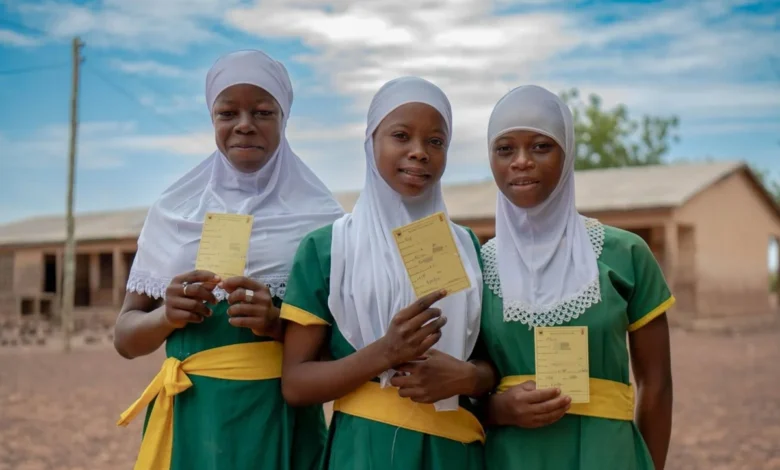
Global immunization efforts in 2025 revealed a landscape of modest recovery tempered by persistent challenges, with 90% of infants worldwide—approximately 116 million—receiving at least one dose of the diphtheria, tetanus, and pertussis (DTP) vaccine. This represents a crucial first step in child protection. Concurrently, 85% of infants, totaling 110 million, successfully completed the full three-dose DTP series, a benchmark indicating more comprehensive protection. These figures, released today in the annual WHO-UNICEF Estimates of National Immunization Coverage (WUENIC), mark a one-percentage-point increase for both indicators compared to the previous year. However, despite these gains, global DTP coverage remains precariously one point below 2019 pre-pandemic levels, continuing a pattern of stagnation that has largely held since 2009. This plateau highlights a critical juncture for global health, where incremental progress is overshadowed by deeply entrenched systemic issues and emerging threats.
The Enduring Legacy of Vaccine-Preventable Diseases and the Pandemic’s Shadow
Vaccines against diseases like diphtheria, tetanus, and pertussis (whooping cough), along with measles, represent some of the most profound public health achievements of the 20th century. Diphtheria, once a leading cause of child mortality, is a serious bacterial infection that can lead to breathing difficulties, heart failure, paralysis, and death. Tetanus, caused by a bacterial toxin, results in severe muscle spasms and can be fatal. Pertussis, highly contagious, is particularly dangerous for infants, causing severe coughing fits that can lead to pneumonia, seizures, and brain damage. Measles, one of the most contagious viral diseases, can cause severe complications including pneumonia, encephalitis, and permanent disability, and its outbreaks are a clear indicator of weakening immunization systems. The development and widespread deployment of these vaccines dramatically reduced the incidence and mortality rates associated with these illnesses, saving millions of lives annually and laying the foundation for global child health initiatives.
For decades, international bodies like the World Health Organization (WHO) and UNICEF have collaborated with governments and partners like Gavi, the Vaccine Alliance, to expand immunization coverage globally. This concerted effort led to significant progress, particularly in reducing the number of children who received no vaccines at all. However, the period leading up to the COVID-19 pandemic saw a worrying slowdown in the rate of improvement. From 2009 onwards, DTP coverage hovered within a narrow range, struggling to break past the high 80s, suggesting that reaching the "last mile" of unvaccinated children was becoming increasingly difficult even before the unprecedented disruptions of 2020.
The COVID-19 pandemic delivered a severe blow to these fragile gains. Lockdowns, supply chain disruptions, re-prioritization of health resources towards the pandemic response, and widespread fear significantly curtailed routine immunization services. In 2020-2022, millions of children missed out on essential vaccines, creating a large cohort of under-immunized individuals vulnerable to outbreaks. The 2025 data, while showing a slight rebound, confirms that the world is still grappling with the pandemic’s aftershocks. The one-percentage-point gain from the previous year, while positive, underscores the arduous path to fully recover and surpass pre-pandemic coverage levels. It also emphasizes the fragility of immunization systems when faced with concurrent crises.
The Lingering Challenge of Zero-Dose Children and Rising Drop-Out Rates
A critical metric in assessing immunization equity is the number of "zero-dose" children—infants who have not received even a single dose of the DTP vaccine. In 2025, an estimated 13.5 million children fell into this vulnerable category. While this represents a reduction of nearly 750,000 children compared to the previous year, signaling some success in reaching previously unreached populations, the overall progress is severely hampered by another alarming trend: a rising number of children who initiate their vaccination schedule but fail to complete it. This "drop-out" phenomenon means that while initial access might improve, the sustained engagement needed for full protection is lacking.
This growing cohort of partially vaccinated children poses a complex challenge. They are not entirely outside the health system, having received at least one vaccine dose, yet they remain susceptible to diseases like pertussis or diphtheria due to incomplete immunity. The reasons for drop-out are multifaceted, ranging from lack of awareness about the full schedule, logistical barriers to subsequent appointments, to disruptions caused by migration, conflict, or natural disasters. The WUENIC data specifically highlights that most of these children live in countries where national immunization programmes receive support from Gavi, the Vaccine Alliance, indicating that even with significant international assistance, systemic issues persist in ensuring full course completion.
The consequences of high drop-out rates are particularly stark for measles. Globally, an estimated 7.3 million infants received their first DTP dose but dropped out before receiving their first measles dose (MCV1). This significant gap has directly contributed to stalled measles coverage, with only 84% of children receiving MCV1 and a mere 77% receiving the second dose (MCV2). These figures fall far short of the 95% threshold required for robust community (herd) immunity, which is essential to prevent widespread outbreaks of this highly contagious virus. The direct impact of this deficit was evident in 2025, with 57 countries reporting large or disruptive measles outbreaks, underscoring the urgent need to address both zero-dose children and those who drop out of the vaccination schedule.
Regional Disparities: A Patchwork of Progress and Decline
The global averages mask significant regional disparities, reflecting varied capacities, political commitments, and local challenges. Compared to their 2019 baselines, the Americas and South-East Asia have demonstrated remarkable recovery and even improved their performance, with South-East Asia emerging as the highest-performing region in terms of immunization coverage. This success can be attributed to strong national immunization programs, sustained political will, and effective outreach strategies in many countries within these regions.
In contrast, while Africa, the Eastern Mediterranean, and Europe regions recorded gains in 2025, their coverage still lags below pre-COVID-19 pandemic levels. This indicates a slower and more challenging recovery trajectory, often exacerbated by ongoing conflicts, economic instability, or the resurgence of vaccine hesitancy in some European nations. Most concerning is the Western Pacific region, which experienced a decline in 2025, leaving it furthest below its 2019 baseline. This decline in a region that typically boasts strong health systems could be a worrying indicator of new or intensifying challenges, potentially linked to geopolitical tensions, economic shifts, or specific public health communication failures.
Underlying Drivers of Variability and Volatility
Behind these regional and global statistics lie profound and often interconnected threats that drive variability and volatility in country-level vaccination coverage:
-
Fragile, Conflict-Affected, or Vulnerable (FCV) Settings: These environments disproportionately bear the burden of unvaccinated children. More than half of all zero-dose children reside in FCV settings, despite these areas accounting for only about a third of the world’s child population. In such contexts, immunization programs are severely strained by political upheaval, chronic insecurity, damaged infrastructure, disrupted supply chains, and chronic underfunding. Health workers face immense risks, and access to vulnerable populations is often impossible. The tragic case of Syria, which lost 6 percentage points on DTP1 coverage and 12 points on MCV1 in a single year, starkly illustrates the devastating impact of prolonged conflict. Conversely, Sudan recorded the largest single-country gain globally in 2025, increasing DTP1 coverage by 35 percentage points and MCV1 coverage by 22 points, even amidst ongoing conflict. This exceptional achievement demonstrates the immense potential when humanitarian access improves and dedicated efforts are made to reach children in dire circumstances, highlighting the importance of adaptable and resilient program delivery models.
-
Challenges in Middle- and High-Income Countries: Even in settings where vaccines are fully accessible, coverage is slipping due to a different set of challenges. Shifting political commitment can lead to reduced funding for public health campaigns, complacency, or a lack of emphasis on routine immunization. Structural challenges, such as difficulties in reaching marginalized urban populations, migrant communities, or remote rural areas, persist. Moreover, rising vaccine hesitancy, fueled by misinformation, distrust in institutions, and organized anti-vaccine movements, poses a significant threat. The 20-percentage-point fall in South Africa’s DTP1 coverage since 2019, continuing its decline in 2025, exemplifies how socio-economic factors, health system limitations, and possibly hesitancy can erode coverage in a middle-income context. Similarly, Bosnia and Herzegovina’s 23-point drop in MCV1 coverage in 2025, following a significant increase in 2024, points to the volatility that can arise from changing public sentiment or policy shifts in more developed nations.
Statements from Global Health Leaders
Leaders of the world’s premier health organizations underscored both the progress and the pressing need for renewed action. Catherine Russell, UNICEF Executive Director, acknowledged the recovery efforts: "Governments and health workers have helped global vaccination rates bounce back after dropping significantly during the COVID-19 pandemic. But millions of vulnerable children are still being left unprotected due to conflict, displacement, and poverty. We must reach every child, and we must rebuild trust where it is fraying. No child should suffer from a disease that a simple vaccine can prevent." Her statement emphasizes the humanitarian imperative and the multifaceted nature of the challenge.
Dr. Tedros Adhanom Ghebreyesus, WHO Director-General, reiterated the fundamental right to health protection: "Every child, whether born into wealth or poverty, peace or conflict, deserves the lifegiving protection that vaccines provide. Immunization is one of the most cost-effective, most equitable, and most reliable interventions for protecting children’s health and well-being. Our greatest security begins with ensuring that everyone, wherever they may live, is protected from deadly diseases that vaccines have the power to prevent." His words highlight the foundational role of immunization in global health security and equity.
Dr. Sania Nishtar, CEO of Gavi, the Vaccine Alliance, reflected on past successes and future hurdles: "The historic levels of immunization that we are seeing across lower income countries shows what can be achieved when all stakeholders work together towards a shared objective. As Gavi heads into a new five-year period, our great challenge now will be to maintain this momentum in the face of funding constraints, geopolitical uncertainty, and increasing outbreaks – while working harder to reach those children that still do not have access to immunization." Her perspective brings to light the critical role of partnerships and the looming financial and political obstacles.
Historical Context and the Looming Funding Crisis
Over the past 25 years, sustained investments from governments and partners, unwavering community commitments, strengthened immunization programs, and broad public trust have collectively reduced the annual number of zero-dose children by an impressive 40%. This long-term trend underscores the efficacy of global health initiatives when consistently funded and supported. For instance, in countries supported by Gavi, children today are protected against more diseases than ever before, with an average coverage of 74% across a full course of WHO-recommended vaccines, a testament to collaborative efforts.
However, the very foundations that enabled this progress are now under significant strain. The full impact of substantial cuts to international health financing announced over the past two years is not yet fully reflected in these 2025 estimates. The concern is that these cuts will inevitably lead to a decline in services and coverage in subsequent years. Compounding this issue is the alarming weakening of data systems, which are crucial for tracking immunization impact and preventing backsliding. In 2025, only 18 national immunization surveys were undertaken and submitted, a drastic drop from 50 in 2024 and an average of 33 per year between 2015 and 2019. This decline in data collection is not merely an administrative issue; it directly impedes the ability of health agencies to identify and reach children who are missing out on vaccines, making targeted interventions more difficult and increasing the risk of preventable outbreaks and deaths. The agencies warn that underinvestment in data systems is a precursor to a public health crisis.
Broader Implications and the Path Forward
The implications of stalled immunization coverage are far-reaching, extending beyond individual health to affect societies and economies. Uncontrolled outbreaks of vaccine-preventable diseases place immense pressure on healthcare systems, diverting resources from other critical health needs. The economic cost of treating these diseases and managing outbreaks far outweighs the cost of prevention through vaccination. Furthermore, outbreaks disrupt education, cause long-term disabilities, and perpetuate cycles of poverty, particularly in vulnerable communities. The concept of global health security is intrinsically linked to robust immunization; low coverage in one region poses a risk to all, as infectious diseases do not respect borders. The current stagnation, coupled with increasing global mobility, makes the world more susceptible to widespread epidemics.
The global Immunization Agenda 2030 (IA2030), a comprehensive strategy developed by WHO, UNICEF, Gavi, and other partners, aims to ensure vaccines reach everyone, everywhere, at every age. Yet, the current trajectory indicates that the world is significantly off track to achieve the critical goal of reducing zero-dose children. A sharp course correction is urgently needed to bridge this critical gap.
To achieve this, WHO and UNICEF call on governments and relevant partners to:
- Increase investment in primary healthcare: Strengthen the fundamental infrastructure of health systems, ensuring that immunization services are integrated and accessible, particularly in remote and underserved areas. This includes adequate funding for cold chain logistics, trained health workers, and community outreach.
- Address vaccine hesitancy and rebuild trust: Implement evidence-based communication strategies to counter misinformation, engage communities, and foster confidence in vaccines and health authorities. Tailored approaches are needed to address specific cultural contexts and concerns.
- Prioritize and sustain funding for immunization programs: Governments and international donors must commit to predictable and adequate financial resources for routine immunization, recognizing it as a foundational investment in public health and economic stability.
- Strengthen data collection and monitoring systems: Invest in robust and real-time data systems to accurately track coverage, identify zero-dose and drop-out children, and enable rapid, targeted interventions. This includes conducting regular national immunization surveys.
- Innovate and adapt delivery strategies: Develop flexible and context-specific approaches to reach marginalized populations, including those in FCV settings, urban slums, and nomadic communities, leveraging mobile clinics, community health workers, and integrated health camps.
- Reinforce political commitment: Leaders must champion immunization as a national priority, ensuring policies and resources are aligned with global goals to protect every child.
The 2025 WUENIC report serves as a critical reminder that while progress is being made, the journey to universal immunization is far from over. The global community stands at a crossroads, with the opportunity to either accelerate efforts and secure a healthier future for all children or risk a resurgence of preventable diseases that could unravel decades of public health gains. The imperative to act, with renewed vigor and collaborative spirit, has never been more urgent.
Related posts: