COVID-19 Infection Linked to Accelerated Vascular Aging and Increased Cardiovascular Risk Especially in Women According to International Study

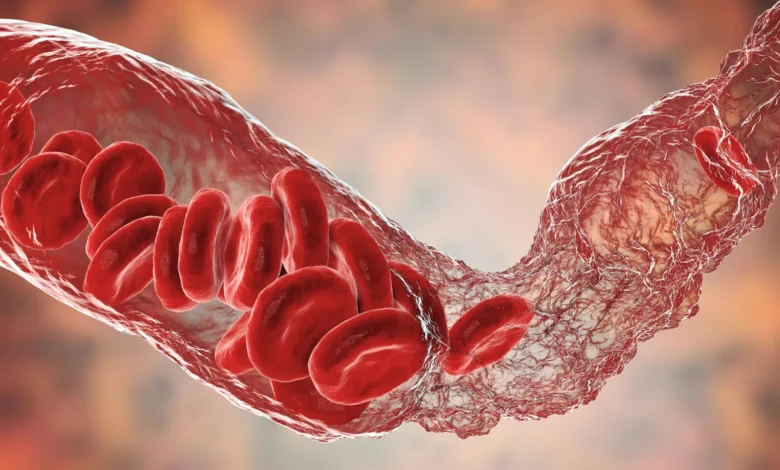
The long-term physiological consequences of the SARS-CoV-2 virus are becoming increasingly clear as a major international study reveals that a COVID-19 infection may lead to the premature aging of blood vessels by as much as five years. The research, published in the prestigious European Heart Journal, highlights a concerning trend where the virus accelerates the stiffening of arteries, a process typically associated with natural aging. This phenomenon, termed early vascular aging (EVA), appears to disproportionately affect women and those who suffered from severe bouts of the disease, although even mild cases showed measurable changes in arterial health.
The Vascular Impact of a Global Pandemic
Since the early stages of the pandemic in 2020, clinicians have observed that COVID-19 is not merely a respiratory ailment but a systemic condition that significantly impacts the cardiovascular system. The latest findings from the CARTESIAN (COVID-19 Effects on ARTErial StIffness and vascular agiNg) study provide a quantitative look at how the virus alters the structural integrity of the human circulatory system. Researchers found that the infection triggers a biological process that makes blood vessels behave as though they are chronologically older than they actually are.
Arterial stiffness is a critical marker of cardiovascular health. Under normal circumstances, blood vessels possess a degree of elasticity that allows them to expand and contract with each heartbeat, regulating blood pressure and ensuring smooth delivery of oxygen to organs. As people age, these vessels naturally lose their elasticity. However, when this process is accelerated, the heart must work harder to pump blood, significantly increasing the risk of hypertension, myocardial infarction (heart attack), and cerebrovascular accidents (stroke).
Professor Rosa Maria Bruno, from Université Paris Cité and Inserm in France, who led the study, emphasized the necessity of understanding the internal mechanisms driving long-term symptoms. "Since the pandemic, we have learned that many people who have had Covid are left with symptoms that can last for months or even years," Professor Bruno stated. "We believe that this may result in what we call early vascular aging… if that is happening, we need to identify who is at risk at an early stage to prevent heart attacks and strokes."
Methodology and Global Scope of the CARTESIAN Study
The study represents one of the most comprehensive efforts to track vascular health post-infection, involving a diverse cohort of 2,390 participants recruited from 16 countries across several continents. The participating nations included Austria, Australia, Brazil, Canada, Cyprus, France, Greece, Italy, Mexico, Norway, Turkey, the United Kingdom, and the United States. Recruitment took place between September 2020 and February 2022, covering various waves of the pandemic and different variants of the virus.
To ensure a robust comparison, researchers categorized participants into four distinct groups:
- Individuals who had never contracted COVID-19 (control group).
- Patients who had a recent infection but did not require hospitalization.
- Patients hospitalized on a general ward.
- Patients who required treatment in an intensive care unit (ICU).
The primary metric used to assess vascular age was the carotid-femoral pulse wave velocity (PWV). This non-invasive diagnostic tool measures the speed at which the pressure wave generated by the heart travels between the carotid artery in the neck and the femoral artery in the groin. A higher velocity indicates stiffer arteries, which correlates directly with an older vascular age. Measurements were conducted at the six-month mark following infection and repeated at twelve months to track progression or recovery.
Quantifying the Damage: Data and Gender Disparities
The data yielded striking results, particularly regarding the gendered impact of the virus. While COVID-19 was initially noted for causing higher acute mortality rates in men, the long-term vascular "scarring" appears to be more pronounced in women.
In women who experienced only a mild case of COVID-19, the average increase in PWV was 0.55 meters per second (m/s). For those hospitalized, the increase was 0.60 m/s, and for those who survived the ICU, the increase jumped to a staggering 1.09 m/s. To put these numbers into perspective, clinical experts consider an increase of 0.5 m/s to be "clinically relevant." In a 60-year-old woman, such an increase is equivalent to five years of chronological aging and carries a 3% increased risk of a major cardiovascular event.
Men also showed signs of arterial stiffening, but the magnitude was generally lower than that observed in their female counterparts. Furthermore, the study noted a strong correlation between the persistence of "Long COVID" symptoms—such as chronic fatigue and shortness of breath—and the degree of arterial stiffness. This suggests that the vascular damage may be a primary driver of the lingering exhaustion reported by millions of survivors worldwide.
Biological Mechanisms: The ACE2 Receptor and Immune Response
The research team proposed several biological pathways to explain why a respiratory virus causes such significant damage to the arteries. A primary culprit is the angiotensin-converting enzyme 2 (ACE2) receptor. The SARS-CoV-2 virus uses these receptors as a gateway to enter human cells. Crucially, ACE2 receptors are found in high concentrations on the endothelium, the thin layer of cells lining the interior of blood vessels.
When the virus attaches to these receptors, it can cause direct vascular dysfunction. This is compounded by the body’s own defense mechanisms. The systemic inflammation and "cytokine storms" associated with COVID-19 can damage the delicate lining of the arteries, leading to the accumulation of collagen and the breakdown of elastin—the two main components that determine vessel flexibility.
Regarding the gender disparity, Professor Bruno suggested that the very strength of the female immune system might be a contributing factor. "Women mount a more rapid and robust immune response, which can protect them from infection," she explained. "However, this same response can also increase damage to blood vessels after the initial infection." This hyper-reactive immune state may lead to chronic low-grade inflammation that stiffens the vascular walls long after the virus has been cleared from the system.
The Protective Effect of Vaccination and Potential for Recovery
In a glimmer of positive news, the study found that vaccination played a significant role in mitigating vascular damage. Participants who had been vaccinated prior to infection generally exhibited arteries that were less stiff than those who were unvaccinated. This suggests that while vaccines may not always prevent infection, they significantly reduce the systemic "insult" to the vascular system.
Furthermore, the twelve-month follow-up data indicated that the vascular aging associated with COVID-19 is not necessarily a permanent downward trajectory. In many participants, the arterial stiffness seemed to stabilize or show slight improvements over time. This suggests that the body possesses some capacity for vascular repair, or that the inflammatory processes eventually subside.
Expert Reactions and the Rise of Post-Acute COVID-19 Syndrome
The findings have sparked significant discussion within the medical community. In an accompanying editorial, Dr. Behnood Bikdeli from Harvard Medical School and his colleagues noted that as the acute threat of the pandemic fades, the medical world is facing a second crisis: post-acute COVID-19 syndrome (PACS).
According to the World Health Organization (WHO), PACS is defined by symptoms that appear three months after the initial infection and last for at least two months. Dr. Bikdeli highlighted that up to 40% of COVID-19 survivors may develop this syndrome. "The CARTESIAN study makes the case that COVID-19 has aged our arteries, especially for female adults," Dr. Bikdeli wrote. He emphasized the need to find "modifiable targets" to prevent this damage in future surges and to help those already afflicted.
Implications for Public Health and Future Screening
The realization that COVID-19 acts as a catalyst for vascular aging has profound implications for public health policy. It suggests that millions of people may now have a cardiovascular risk profile that is higher than their age or lifestyle would otherwise suggest.
Professor Bruno advocates for a proactive approach to heart health for COVID-19 survivors. "Vascular aging is easy to measure and can be addressed with widely available treatments," she noted. These treatments include:
- Lifestyle Modifications: Increased physical activity and a heart-healthy diet (such as the Mediterranean diet) can help restore some elasticity to the vessels.
- Pharmacological Intervention: The use of blood pressure-lowering medications (antihypertensives) and cholesterol-lowering drugs (statins) can mitigate the risks associated with stiffer arteries.
- Targeted Screening: Incorporating PWV measurements into routine check-ups for individuals who had severe COVID-19 or suffer from Long COVID.
As the global medical community continues to monitor the long-term health of the billions of people infected since 2020, the CARTESIAN study serves as a critical reminder that the "hidden" damage of the virus may be its most enduring legacy. Professor Bruno and her team intend to continue following the participants for several more years to determine if this measured arterial stiffness translates into a higher incidence of actual heart attacks and strokes in the long term. For now, the message to survivors is clear: monitoring heart health is more important than ever in the post-pandemic era.