The History, Nutritional Science, and Culinary Legacy of the Boysenberry: From California Hybrid to Superfood Staple

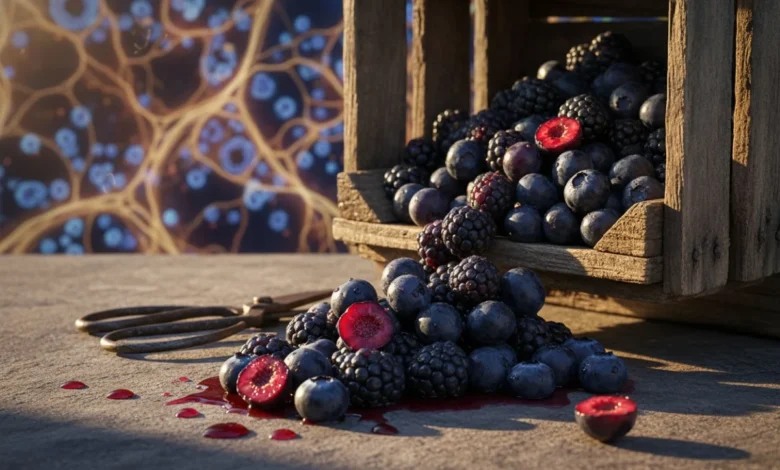
The boysenberry, a complex hybrid fruit characterized by its deep purple hue and robust flavor profile, represents a significant achievement in 20th-century American pomology. While often grouped with more common brambles like blackberries and raspberries, the boysenberry is a distinct botanical entity with a storied history rooted in the agricultural innovation of the California Depression era. Today, the fruit is recognized not only for its unique culinary applications but also for a burgeoning body of scientific research suggesting substantial health benefits, ranging from cardiovascular support to respiratory health.
The Botanical Genesis of a Super-Hybrid
The boysenberry is botanically classified as an aggregate fruit of the genus Rubus in the Rosaceae family. Unlike many fruits that occur naturally in the wild, the boysenberry is a human-assisted hybrid, a genetic mosaic of several species. It is widely documented as a cross between the European raspberry (Rubus idaeus), the common blackberry (Rubus fruticosus), the American dewberry (Rubus aboriginum), and the loganberry (Rubus × loganobaccus).
This genetic complexity gives the boysenberry its signature characteristics: the size and juice content of a blackberry, the acidity and floral notes of a raspberry, and the trailing growth habit of a dewberry. The fruit is typically larger than a standard blackberry, often reaching an inch or more in length, and possesses a thin skin that makes it exceptionally juicy but also highly perishable.
A Chronological History: From Abandoned Vines to Global Recognition
The history of the boysenberry is a classic narrative of American agricultural perseverance. The timeline begins in the early 1920s with Rudolph Boysen, a horticulturist and park superintendent in Napa, California. Boysen began experimenting with various crosses on his farm, aiming to create a berry that combined the best traits of the Rubus genus.
The 1920s: The Initial Experimentation
Boysen’s early work focused on crossing a loganberry-dewberry hybrid with various blackberry and raspberry strains. While he succeeded in creating a fruit with remarkable flavor, the vines were difficult to manage and did not initially achieve commercial success. When Boysen moved to Orange County, California, he brought his experimental plants with him but eventually abandoned the project due to a back injury and the economic pressures of the era.
1932: The Revival by Walter Knott
The survival of the boysenberry is credited to George M. Darrow of the United States Department of Agriculture (USDA) and Walter Knott, a berry farmer in Buena Park. In the late 1920s, Darrow received reports of an extraordinary berry and contacted Knott to help track down its creator. They eventually located Rudolph Boysen, who led them to his former farm in Anaheim. There, they found a few withered, weed-choked vines surviving in a field.
Knott took these "frail" specimens back to his farm, nurtured them back to health, and began commercial cultivation. By 1932, Knott began selling the large, dark berries at his roadside stand. When customers asked what they were called, Knott referred to them as "Boysenberries" in honor of the man who had first developed the hybrid.
1930s-1950s: Commercial Expansion
The success of the berry was immediate. Its popularity helped the Knott family expand their roadside stand into the "Knott’s Berry Farm" empire, which initially grew around a tea room and a fried chicken restaurant. By the mid-20th century, the boysenberry had become a staple of California agriculture, though its delicate nature meant it was primarily grown for local markets or immediate processing.
Detailed Nutritional Profile and Composition
According to data compiled by the USDA, the boysenberry is a nutrient-dense fruit that provides a significant array of vitamins, minerals, and dietary fiber with a relatively low caloric density. A standard one-cup serving (approximately 132 grams) of frozen, unsweetened boysenberries contains approximately 68 calories.
Macronutrient Breakdown
- Carbohydrates: 16.1 grams per cup, with a significant portion derived from fiber.
- Dietary Fiber: 7 grams, representing approximately 25-28% of the recommended daily intake for adults.
- Protein: 1.5 grams.
- Fat: Less than 0.5 grams.
Micronutrient Density
The boysenberry is particularly notable for its high concentration of manganese, providing 36% of the Daily Value (DV) per cup. Manganese is a critical cofactor for several enzymes involved in bone formation, blood clotting, and metabolism.
Additionally, the fruit is an excellent source of:
- Folate (Vitamin B9): Providing 21% of the DV, essential for DNA synthesis and cellular repair.
- Vitamin K: Providing 13% of the DV, crucial for bone health and proper blood coagulation.
- Vitamin C and E: Acting as potent antioxidants that protect cells from oxidative damage.
- Potassium and Magnesium: Vital electrolytes that support heart rhythm and muscle function.
Scientific Research into Physiological Health Benefits
In recent decades, the boysenberry has moved from the kitchen to the laboratory, as researchers investigate the biological activity of its high polyphenol content, particularly anthocyanins. These compounds give the berry its deep purple color and are believed to be the primary drivers of its health-promoting properties.
Cardiovascular Regulation
A landmark 2014 study published in the Journal of Nutritional Science and Vitaminology utilized animal models to examine the effects of boysenberry juice on blood pressure. The research suggested that the polyphenols in the juice could influence the concentration of nitric oxide in the blood. Specifically, the study found that the juice helped activate aortic endothelial nitric oxide synthase, an enzyme that promotes vasodilation (the widening of blood vessels). This mechanism is a key factor in the natural regulation of blood pressure and the prevention of hypertension.
Respiratory Health and Lung Repair
The boysenberry has also shown promise in the field of respiratory science. A 2016 study published in AJP Lung (American Journal of Physiology-Lung Cellular and Molecular Physiology) investigated the fruit’s impact on chronic asthma models. The researchers found that boysenberry consumption supported the development of "fibrolytic" lung macrophages. These specific immune cells are responsible for breaking down excess scar tissue and promoting the repair of lung tissue, suggesting that the berry could play a supportive role in managing chronic inflammatory lung conditions.
Antioxidant Protection and DNA Integrity
Research published in the Journal of the Science of Food and Agriculture (2006) examined how boysenberry anthocyanins interact with human cells in vitro. The study demonstrated that these compounds could effectively inhibit oxidative stress and reduce cellular DNA damage. Crucially, the researchers noted that these effects occurred at concentration levels that are achievable through normal human dietary consumption, moving the findings beyond theoretical application and into the realm of practical nutrition.
Challenges in Cultivation and Modern Market Dynamics
Despite its nutritional and culinary appeal, the boysenberry remains a "specialty crop" rather than a global commodity like the strawberry or blueberry. This status is largely due to the fruit’s physical characteristics.
Fragility and Shelf Life
The boysenberry has a very thin skin and a high juice-to-pulp ratio. Once ripe, the fruit is extremely soft and prone to leaking. This fragility makes mechanical harvesting difficult and limits the fruit’s ability to withstand long-distance shipping. Consequently, fresh boysenberries are rarely seen in supermarkets outside of their primary growing regions, such as California, Oregon, and parts of New Zealand.
The Role of Processing
To mitigate the issues of perishability, the vast majority of the global boysenberry harvest is diverted into the processing industry. The fruit is flash-frozen, pureed, or concentrated for use in:
- Preserves and Jams: Where its high pectin content and tartness are prized.
- Dairy Products: Including yogurts and ice creams.
- Beverages: Used both as a primary juice and a natural coloring agent.
- Baking: In pie fillings and tarts where the berry’s structural integrity is less critical than its flavor.
Culinary Versatility and Consumer Trends
The boysenberry’s flavor is often described as a more intense, tangy version of a blackberry with a distinct floral finish. This complexity makes it a favorite among chefs and home cooks who advocate for whole-food ingredients.
In traditional American baking, the boysenberry pie remains a cultural icon, particularly in the Western United States. Standard recipes emphasize the fruit’s natural sugars, requiring only a modest amount of added sweetener and a thickening agent like cornstarch or gelatin to manage the berry’s abundant juice. Beyond desserts, the fruit is increasingly used in savory applications, such as balsamic-boysenberry glazes for roasted meats, or incorporated into nutrient-dense smoothies and breakfast bowls.
The rise of the "superfood" trend has also revitalized interest in the boysenberry. As consumers seek out foods with high antioxidant capacities, the boysenberry’s deep pigmentation serves as a visual indicator of its health potential, aligning it with other high-anthocyanin foods like acai and elderberry.
Conclusion: A Legacy of Innovation and Health
The boysenberry stands as a testament to the intersection of horticultural art and nutritional science. From its humble beginnings as a "frail vine" rescued from an abandoned field, it has grown into a fruit of significant economic and health importance. While its physical delicacy prevents it from dominating the fresh produce aisle, its concentrated nutritional profile—rich in manganese, folate, and fiber—ensures its continued relevance in the functional food market.
As scientific inquiry continues to explore the mechanisms by which boysenberry polyphenols interact with human physiology, it is likely that this 20th-century hybrid will remain a focus of both culinary delight and medical interest. For the modern consumer, the boysenberry offers a rare combination: a rich historical narrative, a complex and rewarding flavor, and a scientifically backed suite of health benefits.