The Resurgence of Red: Unpacking the Viral ‘Red Nail Theory’ and Its Sociopsychological Underpinnings

Amidst the constant churn of dating tips and beauty hacks that proliferate across social media, one particular phenomenon captured widespread attention: the "Red Nail Theory." This intriguing concept posits that women who adorn their fingernails with red polish are inherently more likely to attract the notice and admiration of men. What began as a seemingly innocuous observation shared on TikTok rapidly escalated into a global trend, prompting millions to experiment with crimson manicures and sparking a broader conversation about color psychology, self-perception, and the subtle dynamics of attraction.
The Genesis of a Viral Sensation: A TikTok Phenomenon
The "Red Nail Theory" first entered the public consciousness through a viral TikTok video posted by user Robyn Delmonte, known on the platform as @girlbosstown, in early 2022. Delmonte shared her personal anecdote, observing that whenever she wore red nail polish, she consistently received compliments and attention from men, often older men who recalled their mothers or teachers wearing similar shades in their youth. She hypothesized that the color red evoked a sense of nostalgia or a subconscious association with a classic, perhaps even maternal, aesthetic from a bygone era, thereby making the wearer more appealing.
This initial observation resonated deeply with a vast audience, particularly among women navigating the complexities of modern dating. The simplicity of the "theory"—a mere change in nail color—offered an accessible and low-stakes experiment for those seeking an edge in their romantic pursuits. Soon, countless users began sharing their own experiences, many corroborating Delmonte’s claims with anecdotal evidence. Content creator Taylor Donoghue, for instance, famously reported being approached by four different men after painting her nails red, further fueling the theory’s momentum. The hashtag #rednailtheory quickly amassed hundreds of millions of views, transforming a casual observation into a full-fledged cultural touchstone. The virality of the theory underscored the immense power of social media platforms like TikTok to disseminate niche ideas and rapidly elevate them to mainstream trends, influencing everything from beauty choices to interpersonal interactions.
Deciphering the ‘Red Effect’: Psychological Perspectives
While the "Red Nail Theory" found its initial traction in anecdotal evidence, its widespread acceptance prompted a deeper inquiry into its potential psychological underpinnings. The idea that the color red can influence perception and attraction is not new; it has been a subject of extensive research within color psychology for decades. Psychologists and social scientists have long explored the powerful associations humans have with specific colors, and red consistently emerges as one of the most potent.
According to psychologist Stefanie Mazer, the perceived effectiveness of the "Red Nail Theory" is not solely about the color itself, but rather about the confidence it instills in the wearer. Mazer posits that red is intrinsically linked to confidence and attractiveness. When an individual believes that their red nails make them stand out or appear more desirable, this belief can fundamentally alter their behavior and self-presentation. They might become more outgoing, make more eye contact, or exude a greater sense of self-assurance. "If someone believes that red nails help them stand out, they behave and present themselves differently, and people will notice," Mazer explained. This self-fulfilling prophecy mechanism suggests that the magic lies less in the pigment and more in the psychological boost it provides.
Further scientific backing for the "red effect" can be traced back to a seminal 2008 study published in the Journal of Personality and Social Psychology by Andrew Elliot and Daniela Niesta. Their research, titled "Red, Rank, and Romance in Women Viewing Men," demonstrated that men rated women wearing red clothing as significantly more attractive and sexually desirable than those wearing other colors. This effect was consistent across various experimental settings, suggesting a deep-seated, possibly evolutionary, response to the color red. The study hypothesized that red’s association with fertility and health (e.g., flushed cheeks indicating arousal or good circulation) might play a role in its attractiveness-enhancing properties.
Subsequent research has expanded on these findings, revealing that the "red effect" is not confined to Western cultures. Studies conducted in diverse cultural contexts, including China, have yielded similar results, indicating a potentially universal human response to the color. In many species, red serves as a signal of dominance, vitality, and fertility, and evolutionary psychologists suggest that these primal associations may still influence human perception. For instance, in non-human primates, red is often associated with sexual receptivity and dominance displays. This evolutionary perspective suggests that the human brain might be hardwired to respond to red as a signal of readiness and vigor, translating into perceived attractiveness.
Beyond the Polish: The Self-Fulfilling Prophecy and Confidence Boost
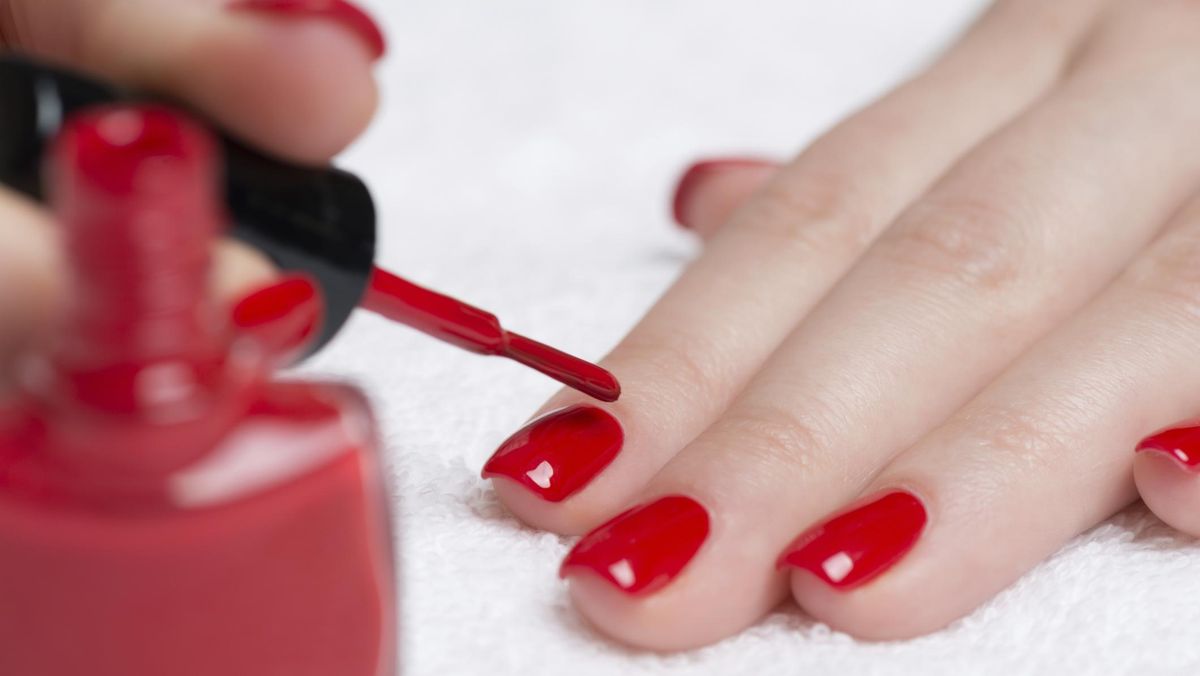
The narrative surrounding the "Red Nail Theory" transcends a simple cause-and-effect relationship between nail polish and male attention. A significant component of its observed success can be attributed to the psychological concept of the self-fulfilling prophecy. When individuals adopt a belief, especially one widely affirmed by a social media trend, their subsequent actions and perceptions often align with that belief, thereby making it "true" for them.
If a woman believes that red nails will make her more noticeable and attractive, she might unconsciously adjust her demeanor. She may walk with more confidence, engage in more flirtatious eye contact, or be more open to social interactions. These subtle shifts in behavior can genuinely make her appear more approachable and engaging, eliciting the very attention she anticipated. The red nails, in this context, act as a powerful psychological primer, a visible cue that reinforces an internal state of enhanced self-assurance.
Moreover, the act of choosing to wear red nails can be an intentional statement of boldness and self-expression. Red is a color associated with passion, energy, and assertiveness. Donning red polish might empower individuals to embody these traits, leading to a more vibrant and confident presence. This intrinsic boost in self-esteem is often more impactful in attracting others than any superficial change. As Stefanie Mazer aptly put it, "In this sense, red nails may be more effective because they boost self-perception rather than because of the color itself." The outward display of red then becomes a manifestation of an internal shift, a symbol of newfound or amplified confidence.
A Chronology of Crimson Craze
The journey of the "Red Nail Theory" from a niche observation to a global phenomenon can be traced through a clear social media timeline:
- Early 2022: Robyn Delmonte (@girlbosstown) posts her initial TikTok video, sharing her personal experiences and coining the term "Red Nail Theory." The video quickly gains traction, sparking initial interest and experimentation among her followers.
- Mid-2022: The theory begins to spread rapidly across TikTok. Other content creators, including Taylor Donoghue, share their positive experiences, providing anecdotal "proof" and encouraging more users to try it. Hashtags like #rednailtheory and #rednails become trending topics, accumulating millions of views.
- Late 2022 – Early 2023: The theory transcends TikTok and is picked up by traditional media outlets, beauty blogs, and lifestyle publications. Articles and segments discussing the phenomenon appear, often featuring interviews with psychologists and social media experts. Beauty brands begin to notice an uptick in sales of red nail polishes.
- Mid-2023 onwards: While the initial virality subsides, the "Red Nail Theory" cements its place in pop culture lexicon. It continues to be referenced in discussions about dating, beauty standards, and the influence of social media. Its principles are often discussed in broader contexts of color psychology and self-confidence, evolving from a mere trend to a case study in digital influence.
Industry Reactions and Market Trends
The sudden surge in popularity of the "Red Nail Theory" did not go unnoticed by the beauty industry. Nail polish brands, always attuned to emerging trends, likely experienced a noticeable increase in demand for red shades. Companies such as OPI, Essie, Sally Hansen, and Chanel, which typically offer a wide spectrum of reds, may have strategically highlighted their crimson collections in marketing campaigns, directly or indirectly referencing the viral theory. Limited edition "Red Nail Theory" kits or curated collections featuring various red hues could have been launched to capitalize on the moment.
Beyond direct sales, the theory provided valuable fodder for content marketing. Beauty influencers and brands could create engaging content around the trend, offering tutorials for classic red manicures, discussing different undertones of red, or even debating the theory’s efficacy. This organic buzz translated into increased brand visibility and consumer engagement, demonstrating how viral social media phenomena can directly impact market behavior and product promotion strategies within the beauty sector.
The Broader Implications: Social Media, Dating, and Beauty Standards
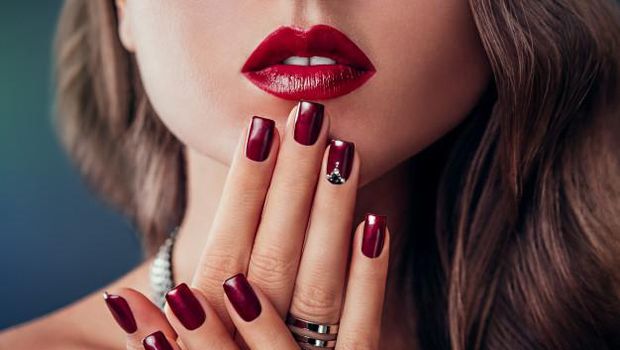
The "Red Nail Theory" serves as a compelling case study in the multifaceted impact of social media on contemporary culture, particularly in the realms of dating and beauty standards.
- Influence on Dating Culture: The theory tapped into a universal desire for connection and attraction, offering a simple, actionable "hack" in an often-complex dating landscape. It sparked conversations about what men find attractive, how women perceive themselves, and the role of subtle cues in romantic interactions. While not a guaranteed success formula, it encouraged experimentation and self-reflection regarding personal presentation.
- Shaping Beauty Standards: The theory momentarily elevated red nail polish to a symbol of desirability and confidence. It reinforced the idea that specific aesthetic choices can significantly influence social outcomes, potentially leading to a renewed appreciation for classic beauty elements. However, it also raised questions about whether such trends inadvertently promote conformity or create new, often arbitrary, beauty benchmarks.
- Power of Social Media: The rapid dissemination and widespread adoption of the "Red Nail Theory" exemplify the unparalleled power of platforms like TikTok to create and propagate cultural trends. A single user’s observation can quickly morph into a global phenomenon, influencing consumer behavior, personal choices, and even societal perceptions of attractiveness. It highlights the democratic nature of trend-setting on these platforms, where authenticity and relatability often trump traditional marketing.
- Interplay of Self-Perception and External Validation: The theory underscores the delicate balance between internal self-confidence and external validation. While the psychological boost from believing in the theory is powerful, the quest for external affirmation (in the form of male attention) can be a double-edged sword. It encourages individuals to consider how their personal style intersects with perceived social benefits.
Skepticism and Nuance: A Balanced View
Despite its viral success and numerous anecdotal endorsements, the "Red Nail Theory" is not universally accepted, and its efficacy is subject to various individual perceptions and circumstances. Many individuals who tried the theory reported no discernible difference in the attention they received, highlighting that human attraction is far too complex to be reduced to a single color choice.
Skeptics argue that the theory suffers from confirmation bias, where individuals selectively notice and remember instances that support their pre-existing beliefs, while overlooking contradictory evidence. If one believes red nails attract men, they might be more attuned to any positive interaction after painting their nails red, attributing it to the polish, even if similar interactions occur when wearing other colors or no polish at all.
Moreover, the perceived attractiveness of red can vary significantly among individuals. Not all men will have the same associations with the color red, nor will they all find it equally appealing. Personal preferences, cultural backgrounds, and individual experiences all play a role in shaping aesthetic appreciation. The theory also overlooks other crucial factors in attraction, such as personality, shared interests, communication skills, and overall presentation, which undoubtedly carry far more weight than nail color.
Psychologist Mazer herself acknowledged these nuances, stating that while the "Red Nail Theory" can work for some, it is not an instant, universal solution. Its success largely depends on the individual’s self-perception and how that confidence translates into their interactions. The theory’s true power, therefore, lies not in a magical property of the color red, but in its capacity to serve as a psychological trigger for enhanced self-assurance and intentional self-presentation.
Conclusion: More Than Just a Manicure
The "Red Nail Theory" transcended its initial TikTok origins to become a fascinating cultural phenomenon, offering a glimpse into the intricate interplay between psychology, social media influence, and human attraction. While its scientific validity as a direct cause-and-effect relationship remains debatable, its impact on self-perception and confidence is undeniable. It highlighted how simple aesthetic choices, when imbued with a collective belief and amplified by digital platforms, can empower individuals to feel more attractive and assertive. Ultimately, whether or not red nails genuinely attract more male attention, the theory succeeded in sparking conversations, encouraging experimentation, and reminding many that sometimes, the most potent tool for attraction lies not in an external adornment, but in the self-assured spirit it helps awaken.