The Rise of Vegetable-Based Substitutes: How Low-Carb Swaps are Redefining Modern Dietary Habits and the Global Food Market

The global food landscape is currently witnessing a transformative shift as consumers increasingly pivot away from traditional high-carbohydrate staples in favor of vegetable-based alternatives. This movement, driven by a combination of health consciousness, the rise of specific dietary frameworks like ketogenic and Paleo lifestyles, and an evolving culinary curiosity, has turned once-overlooked vegetables into the primary architects of the modern meal. By mimicking the textures and functions of bread, pasta, and rice, these vegetable "swaps" are no longer niche health food items but have become mainstream commodities found in nearly every major supermarket chain. This trend reflects a broader nutritional recalibration in the United States and beyond, where the restriction of carbohydrates is viewed by many as a fundamental component of long-term wellness and disease prevention.
The Cultural and Scientific Shift Toward Low-Carbohydrate Living
To understand the current popularity of vegetable-based food swaps, one must look at the dramatic change in eating behavior that has occurred over the last several decades, reaching a fever pitch in the last two years. Historically, dietary guidelines in the West emphasized a high-carbohydrate, low-fat model, often represented by the traditional food pyramid. However, a growing body of scientific literature and public health analysis suggests that this sudden shift toward carbohydrate restriction is one of the most significant changes in American eating habits in recent memory.
According to researchers analyzing these dietary trends, the move toward "low-carb" living is not merely a passing fad but a response to rising rates of metabolic disorders, obesity, and type 2 diabetes. The restriction of carbohydrates—or "carbs," as they are colloquially known—has moved from the fringes of clinical nutrition into the center of the public consciousness. This shift is characterized by a desire to reduce the glycemic load of meals, thereby stabilizing blood sugar levels and insulin response. As a result, the demand for foods that provide the sensory satisfaction of starches without the accompanying caloric and sugar density has skyrocketed.
Cauliflower: The Versatile Anchor of the Substitute Movement
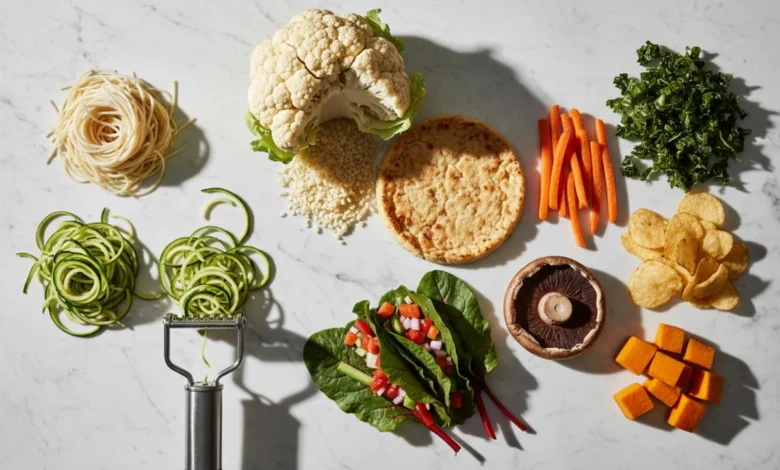
At the forefront of this movement is cauliflower, a cruciferous vegetable that has achieved a level of culinary celebrity once reserved for high-end proteins. Cauliflower is frequently cited by nutritionists and chefs alike as the most versatile base for creating low-carb alternatives. Its unique cellular structure and relatively neutral flavor profile allow it to be processed into forms that closely resemble rice, mashed potatoes, and even pizza crust.
The historical context of cauliflower adds depth to its current status as a "superfood." Originating in the ancient Mediterranean and Middle Eastern regions around 600 B.C., cauliflower has been a dietary staple for millennia. However, its transformation into a "carb-swapper" is a modern innovation. Today, the vegetable is cultivated on a massive scale to meet global demand, with China, India, and the United States serving as the primary producers. In the United States, the "riced cauliflower" market alone has grown into a multi-million dollar industry, with frozen and fresh pre-packaged options becoming standard inventory.
The appeal of cauliflower lies in its ability to absorb the flavors of seasonings and fats. When finely minced or pulsed in a food processor, it takes on the texture of grain, making it an ideal substitute for white rice. When steamed and blended, it provides a creamy consistency that mimics traditional mashed potatoes. Perhaps most notably, when combined with eggs and cheese, it forms a pliable dough that can be baked into a low-carb pizza crust, allowing those on restrictive diets to enjoy a food that was previously considered "off-limits."
Beyond the Crucifer: Leafy Greens and Squash as Functional Alternatives
While cauliflower may be the most prominent substitute, other vegetables are increasingly utilized for specific culinary roles. The use of leafy greens, such as Swiss chard and collard greens, as structural replacements for tortillas and wraps is a growing trend in the "taco and burrito" category. Unlike flour or corn tortillas, these greens offer a high concentration of vitamins K, A, and C while contributing negligible amounts of carbohydrates.
Similarly, zucchini has carved out a permanent place in the low-carb pantry through the advent of "zoodles"—zucchini noodles. Prepared using a spiralizer or a simple vegetable peeler, these long, thin strands of squash serve as a direct replacement for wheat-based pasta. The nutritional comparison is stark and serves as a primary motivator for consumers. According to dietary guidance and low-carb vegetarian literature, one cup of roasted zucchini noodles contains approximately 7 grams of carbohydrates. In contrast, a single cup of cooked traditional pasta contains roughly 43 grams of carbohydrates. This significant reduction allows individuals to consume a larger volume of food while maintaining a lower caloric and glycemic intake.
The popularity of zucchini noodles has also spurred the development of other squash-based swaps. Spaghetti squash, for instance, naturally separates into noodle-like ribbons when baked, providing a fibrous and nutrient-dense alternative to spaghetti that is particularly popular in Paleo and Whole30 dietary circles.
Targeting the Snack and Side Dish Market
The innovation in vegetable swaps extends beyond the main course and into the realm of snacks and side dishes, areas where high-carb potato products have historically dominated. Carrot fries and kale chips are increasingly proposed as healthier, lower-carb substitutes for traditional French fries and potato chips.
By slicing carrots into batons and roasting them with olive oil and salt, consumers can achieve a sweet and savory side dish that satisfies the craving for a fried potato. Kale chips, made by dehydrating or baking kale leaves until they are crisp, provide a nutrient-dense alternative to processed snacks. Furthermore, Portobello mushrooms have emerged as a "perfectly pliable" substitute for burger buns. The large, hearty caps of the mushroom provide a savory "umami" flavor and a structural integrity that can support a burger patty and toppings without the need for a grain-based bun.
Another notable swap involves the use of pumpkin as a replacement for sweet potatoes. While sweet potatoes are often touted as a healthy complex carbohydrate, they remain relatively high in sugar and starch. Research indicates that one cup of pumpkin offers approximately eight grams of carbohydrates, compared to 27 grams in a cup of sweet potato. This "one-for-one" substitution allows for the creation of mashes, soups, and even "fries" with a much lower impact on blood glucose levels.
Nutritional Rationale and the Critique of Conventional Guidance
The drive toward these vegetable-based swaps is supported by a growing body of evidence suggesting that low-carb, high-nutrient diets can lead to superior health outcomes. Proponents of the ketogenic and Paleo frameworks argue that the human body is better adapted to processing fats and proteins than the high levels of refined carbohydrates found in the modern diet.
A significant portion of the advocacy for these swaps comes from a critique of conventional dietary guidance. Some experts and health authors argue that the focus on low-fat, high-carbohydrate diets over the past 40 years has inadvertently contributed to a global health crisis. They point to studies consistently showing that individuals who adopt a low-carb, high-fat (LCHF) diet often experience more significant weight loss and better metabolic markers than those on traditional low-fat diets. By replacing refined grains with nutrient-dense vegetables, consumers are not only reducing their carbohydrate intake but also increasing their consumption of essential vitamins, minerals, and phytonutrients.
Economic and Agricultural Implications
The surge in demand for vegetables like cauliflower and zucchini has had tangible effects on the agricultural sector. Farmers who once focused on traditional row crops are increasingly diversifying into "specialty crops" to meet the needs of the health-conscious consumer. This shift has also influenced food processing and packaging industries. The rise of "value-added" produce—vegetables that have been pre-washed, pre-cut, or pre-riced—reflects a consumer base that is willing to pay a premium for convenience in their healthy eating habits.
Furthermore, the "veggie swap" trend has spurred innovation in the food technology space. Companies are now developing sophisticated vegetable-based products that aim to replicate the "mouthfeel" of meat and grains more accurately than ever before. This has led to the creation of a multi-billion dollar plant-based food market that includes everything from cauliflower-based crackers to chickpea-based pasta.
Conclusion: A Continued Evolution in Consumer Habits
The trend toward utilizing vegetables as low-carb substitutes is more than a culinary fad; it represents a fundamental evolution in how individuals approach nutrition and meal structure. By reimagining the role of vegetables—moving them from the side of the plate to the center—consumers are finding ways to maintain familiar eating patterns while aligning their diets with modern health goals.
As scientific understanding of metabolism continues to advance, it is likely that the variety and sophistication of these vegetable swaps will only increase. For those seeking to manage their weight, control their blood sugar, or simply increase their intake of whole foods, these alternatives provide a practical and flavorful path forward. The continued popularity of these substitutes underscores a collective move toward a more functional, nutrient-dense approach to the daily diet, signaling a permanent change in the global food economy.