ACC and AHA Release 2026 Clinical Practice Guideline for the Management of Blood Cholesterol and Dyslipidemia

The American College of Cardiology (ACC) and the American Heart Association (AHA) have officially unveiled the 2026 Guideline on the Management of Blood Cholesterol, marking the first comprehensive update to clinical protocols since 2018. Presented on March 28 at the ACC’s 75th Annual Scientific Session in New Orleans and published simultaneously in the Journal of the American College of Cardiology and Circulation, the new recommendations represent a significant shift toward personalized, life-course-based preventive care. The release of these guidelines coincides with the publication of a foundational paper titled "The ABCs of Cardiovascular Disease Prevention: Communicating What We Know in 2026" in the American Journal of Preventive Cardiology, signaling a unified front in the medical community’s approach to combating the leading cause of death worldwide.
The 2026 guidance emphasizes a more aggressive and nuanced strategy for managing low-density lipoprotein (LDL) cholesterol—often referred to as "bad" cholesterol—and other atherogenic lipids. By moving away from a one-size-fits-all model, the new framework prioritizes individualized risk assessments that account for genetic predispositions, co-existing health conditions, and long-term exposure to elevated lipids. This evolution in clinical thought is designed to foster shared decision-making between healthcare providers and patients, ensuring that treatment plans are as unique as the individuals receiving them.
A Paradigm Shift in Preventive Cardiology
For decades, the management of cholesterol was primarily reactive, often focusing on older adults who had already developed signs of cardiovascular disease. The 2026 guidelines challenge this status quo by advocating for a "lower is better" and "earlier is better" philosophy. Dr. Roger S. Blumenthal, chair of the guideline writing committee and director of the Johns Hopkins Ciccarone Center for the Prevention of Cardiovascular Disease, noted that the scientific consensus has solidified around the fact that reducing LDL cholesterol levels is the most effective way to prevent heart attacks, strokes, and congestive heart failure.
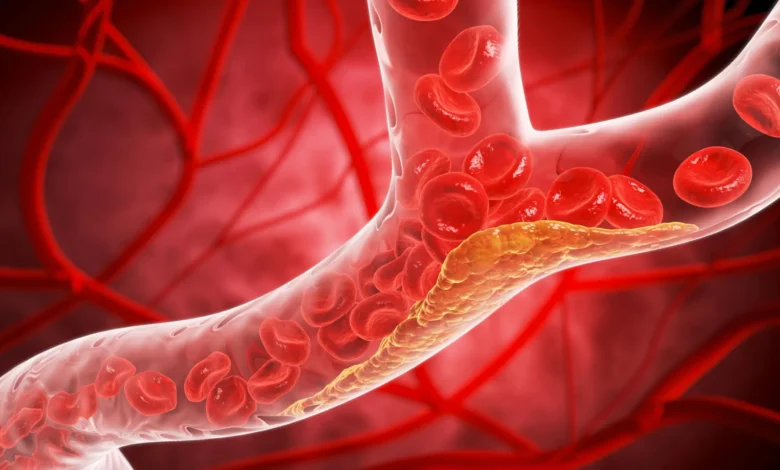
The rationale behind earlier intervention is rooted in the cumulative effect of lipid exposure. Just as smoking damage accumulates over years, the "pack-years" of high cholesterol—often called "cholesterol-years"—contribute to the gradual buildup of plaque in the arteries, a process known as atherosclerosis. By managing lipids and blood pressure in young adulthood, clinicians aim to preserve vascular health and prevent the structural damage that often becomes irreversible by middle age.
The PREVENT Risk Calculator: A New Standard for Prediction
One of the most transformative elements of the 2026 update is the introduction of the Predicting Risk of Cardiovascular Disease EVENTs (PREVENT) calculator. This tool replaces previous models that focused almost exclusively on 10-year risk for adults aged 40 and older. The PREVENT model expands the horizon to include 30-year risk estimates and is designed for use in adults as young as 30.
The statistical power of the PREVENT calculator is significantly greater than its predecessors. While the earlier Pooled Cohort Equations (PCE) were based on data from approximately 26,000 individuals, the PREVENT model was developed using data from over 6.6 million people. This massive dataset allows for more accurate predictions across diverse populations. Furthermore, the new calculator integrates critical health markers that were previously omitted, such as blood glucose levels and kidney function (estimated glomerular filtration rate). By including these factors, the tool acknowledges the complex interplay between metabolic health, renal function, and cardiovascular risk.
Dr. Seth Martin, a cardiologist and member of the guideline writing committee, emphasized that shifting the paradigm toward proactive prevention strategies earlier in life can fundamentally change the trajectory of cardiovascular disease. The ability to show a 30-year-old their potential risk at age 60 provides a powerful motivational tool for lifestyle changes and early medical intervention.
Prioritizing Genetic Risk and Pediatric Screening
The 2026 guidelines place a renewed focus on genetic factors that predispose individuals to high cholesterol. A major update is the recommendation for universal screening of children as young as age nine, particularly if there is a family history of early heart disease or high cholesterol. This is especially critical for identifying familial hypercholesterolemia (FH), a genetic condition that causes dangerously high LDL levels from birth. If left untreated, individuals with FH face a significantly higher risk of heart attacks in their 20s or 30s.
In addition to standard LDL-C tests, the guidelines now recommend a one-time screening for Lipoprotein(a), or Lp(a). Lp(a) is a genetically determined lipid particle that is not significantly affected by diet or exercise. Research indicates that elevated levels of Lp(a) can increase heart disease risk by 40% at 125 nmol/L and can double the risk at levels of 250 nmol/L. By identifying individuals with high Lp(a) early, clinicians can implement more aggressive management of other modifiable risk factors to offset the inherited danger.
Expanded Treatment Options and Lower LDL Targets
While lifestyle modifications—such as a heart-healthy diet, regular exercise, and tobacco cessation—remain the foundation of cardiovascular health, the 2026 guidelines provide updated protocols for pharmacotherapy. The recommendations now include a broader range of medications beyond traditional statins. For patients who do not achieve their target LDL levels with statins alone, or for those who are statin-intolerant, the guidelines support the use of ezetimibe, bempedoic acid, and injectable PCSK9 monoclonal antibodies.
The target levels for LDL cholesterol have also been refined to reflect recent clinical trial data:
- Optimal Health: For individuals without existing cardiovascular disease, LDL-C levels should ideally remain below 100 mg/dL.
- Intermediate Risk: For those with moderate risk factors, the target is now below 70 mg/dL.
- High Risk: For individuals with established cardiovascular disease or multiple severe risk factors, the guidelines recommend a target of less than 55 mg/dL.
These aggressive targets are supported by findings from trials such as VESALIUS-CV, which demonstrated that lowering LDL-C to very low levels can significantly reduce the incidence of major adverse cardiovascular events even in patients with moderate atherosclerosis.
Refining Risk with "Risk Enhancers" and Imaging
For patients whose risk level falls into a "borderline" or "intermediate" category, the 2026 guidelines provide a framework for using "risk enhancers" to tip the scales toward or away from drug therapy. These enhancers include:
- High-sensitivity C-reactive protein (hsCRP): A marker of systemic inflammation.
- Family history: Specifically, a history of premature atherosclerotic cardiovascular disease in first-degree relatives.
- Life events in women: Factors such as early menopause, preeclampsia, or gestational diabetes are now recognized as significant indicators of future cardiovascular risk.
- Chronic conditions: Rheumatoid arthritis, HIV, and chronic kidney disease are noted for their inflammatory impact on the vascular system.
The guidelines also reinforce the utility of Coronary Artery Calcium (CAC) scans. This non-invasive imaging tool measures the amount of calcified plaque in the coronary arteries. A CAC score of zero can often allow a patient to delay statin therapy, while a high score indicates the need for immediate and aggressive lipid-lowering treatment.
Chronology of Cholesterol Management
The evolution of these guidelines reflects decades of advancing medical science. The journey began with the National Cholesterol Education Program (NCEP) and its Adult Treatment Panel (ATP) reports in the 1980s and 90s, which first established LDL as a primary target. The 2013 ACC/AHA guidelines moved away from specific targets toward "statin intensity" doses, a move that was controversial at the time. The 2018 update reintroduced targets for high-risk patients and emphasized the role of non-statin therapies.
The 2026 update represents the most sophisticated iteration to date, integrating big data through the PREVENT calculator and recognizing the importance of non-LDL markers like Lp(a) and inflammation. This chronology demonstrates a move toward "precision cardiology," where data-driven tools allow for more accurate and personalized interventions.
Broader Impact and Public Health Implications
The societal implications of the 2026 guidelines are profound. Cardiovascular disease remains a leading driver of healthcare costs and lost productivity globally. By advocating for screening at age nine and intervention in the 30s, the ACC and AHA are attempting to shift the entire burden of disease downward.
Public health experts suggest that if these guidelines are widely adopted, the medical community could see a substantial reduction in the incidence of "preventable" heart attacks. However, the success of these guidelines depends on accessibility to screening and the affordability of newer therapies like PCSK9 inhibitors.
The 2026 Guideline on the Management of Dyslipidemia was a collaborative effort involving the American Association of Clinical Endocrinology, the American College of Physicians, the American Society of Preventive Cardiology, and several other major medical organizations. This broad consensus underscores the urgency of the new recommendations. As the medical community moves forward, the focus will remain on the "ABCs" of prevention: Assessment of risk, Blood pressure and lipid control, and Comprehensive lifestyle changes, ensuring that the heart health of the population is protected from childhood through old age.