World Health Organization Unveils New PROTECT Package to Combat Global Drowning Epidemic on World Drowning Prevention Day

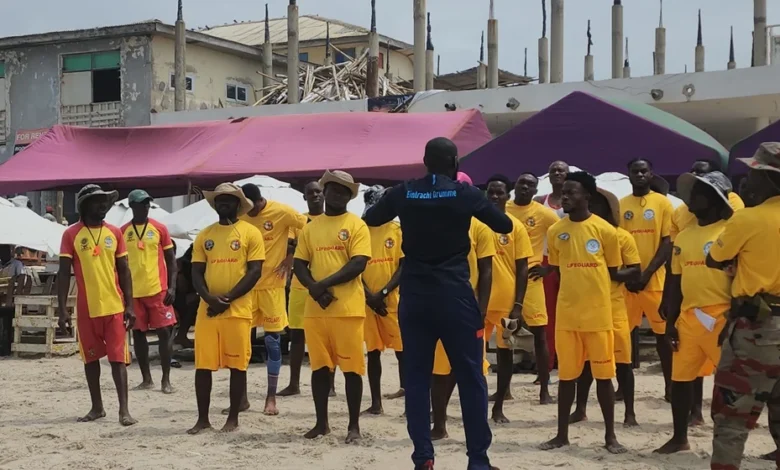
Ahead of World Drowning Prevention Day on July 25, the World Health Organization (WHO) has launched a comprehensive new technical package, dubbed PROTECT, designed to equip governments and communities worldwide with seven evidence-based measures crucial for significantly reducing preventable drowning deaths. This pivotal initiative underscores the global urgency to address a silent epidemic that claims nearly 300,000 lives annually, disproportionately affecting vulnerable populations in low- and middle-income countries. The launch event in Ghana highlights the country’s burgeoning commitment to water safety and serves as a beacon for other nations grappling with this tragic public health challenge.
The Silent Epidemic: Understanding the Global Burden of Drowning
Drowning remains a leading, yet often overlooked, cause of death across the globe. The staggering figure of nearly 300,000 annual fatalities underscores the pervasive nature of this issue. More alarmingly, drowning stands among the top ten leading causes of death for children aged 5–14 years, representing a profound loss of young lives and future potential. These tragedies often unfold in seemingly innocuous environments, including rivers, lakes, wells, domestic water storage containers, and swimming pools, highlighting the diverse risks faced by communities. The geographical distribution of these deaths reveals a stark inequity, with over 90% occurring in low- and middle-income countries where resources for prevention, rescue, and post-resuscitation care are often limited. This demographic and economic disparity underscores the need for targeted, accessible, and scalable interventions.
The human and economic costs of drowning extend far beyond the immediate fatality. Each death leaves behind a grieving family and community, often impacting household stability, especially in agrarian or fishing communities where the deceased might have been a primary provider. The societal impact includes lost productivity, strain on emergency services, and the long-term psychological trauma endured by survivors and witnesses. Understanding the specific contexts and risk factors in different regions is paramount to developing effective prevention strategies. For instance, in many low-income settings, open water sources for daily chores, lack of safe play areas for children, and rudimentary water transport systems contribute significantly to the high incidence of drowning.
Climate Change: An Accelerating Threat to Water Safety
Compounding the existing risks, climate change is emerging as a critical factor that intensifies drowning hazards. The increasing frequency and severity of extreme weather events—such as floods, storms, and heatwaves—are directly contributing to a higher risk of drowning globally. Flooding, whether from heavy rainfall, storm surges, or overflowing rivers, can rapidly transform familiar landscapes into perilous environments, trapping individuals and causing widespread displacement. In such scenarios, existing infrastructure may be compromised, and emergency response capabilities can be overwhelmed, leading to increased fatalities.
Heatwaves, too, present a significant, though perhaps less intuitive, link to drowning. As temperatures soar, people often seek relief in natural water bodies like rivers, lakes, and coastal areas. However, these environments can harbor hidden dangers such as strong currents, cold-water shock, submerged obstacles, and a lack of supervision or safety infrastructure. Research conducted in the United Kingdom, for example, has demonstrated a strong association between rising temperatures and increased drowning incidents. Studies found that drowning deaths increase by 7.2% for every 1°C rise in temperature. The risk escalates dramatically, becoming nearly five times higher on days when temperatures exceed 25°C compared with days below 10°C. This data provides compelling evidence that climate change mitigation and adaptation strategies must integrate drowning prevention measures, particularly in regions prone to extreme heat and flooding. Anticipating these environmental shifts and proactively implementing safety protocols will be vital in protecting vulnerable communities.
Introducing PROTECT: A Strategic Framework for Prevention
At the core of WHO’s latest initiative is the PROTECT technical package, a comprehensive framework designed to translate the vision of the first-ever Global Strategy for Drowning Prevention into practical, actionable policy guidance. Dr. Tedros Adhanom Ghebreyesus, WHO Director-General, articulated the profound philosophy underpinning this effort: "Every drowning is a tragedy, and most are preventable. The seven PROTECT strategies give countries practical, evidence-based approaches to prevent these tragedies, including making water transport safer, teaching school kids to swim, and preparing for floods. Drowning prevention isn’t the job of one ministry; it belongs to everyone, and the lives it saves are the reward." This statement underscores the multifaceted nature of drowning prevention, emphasizing that effective solutions require a coordinated, multi-sectoral approach, transcending traditional health sector boundaries.
The PROTECT package offers policy-makers concrete, evidence-informed recommendations across seven interconnected domains aimed at strengthening safety around water. These strategies, forming the acronym PROTECT, are:
- Provide safe places for children, such as crèches and supervised childcare, away from water hazards. This is particularly crucial in communities where children live or play near open water bodies or domestic water storage.
- React to flood risks and other localized hazards, including preparing communities for potential emergencies, implementing early warning systems, and establishing safe evacuation routes.
- Organize community-based water safety and rescue education, empowering local populations with the knowledge and skills to identify risks, respond to incidents, and promote safe practices.
- Teach school-aged children water safety, swimming, and safe rescue skills. Integrating these life-saving skills into school curricula can create a generation more resilient to water-related dangers.
- Establish and enforce safe boating, shipping, and ferry regulations. This includes ensuring vessels are seaworthy, passengers wear life jackets, and operators are trained and licensed, particularly in regions heavily reliant on water transport.
- Coordinate and plan drowning prevention efforts nationally, fostering collaboration between various government ministries (health, education, transport, environment), civil society organizations, and international partners to create cohesive and sustainable programs.
- Train bystanders in safe rescue and resuscitation. Equipping individuals with basic first aid and CPR skills can significantly improve outcomes in the critical moments following a drowning incident.
These strategies collectively represent a holistic approach, addressing prevention from multiple angles, from infrastructure and regulation to education and emergency response. The comprehensive nature of PROTECT aims to build resilient communities capable of mitigating and responding to drowning risks effectively.
A Global Strategy’s Foundation and Timeline
The PROTECT package is a direct implementation tool for the vision outlined in the Global Strategy for Drowning Prevention. This foundational strategy was launched by the WHO-hosted Global Alliance for Drowning Prevention in 2025. While the original text indicates a future launch year for the strategy itself, the PROTECT package’s immediate rollout signifies the urgent need to translate strategic goals into tangible actions. The Global Alliance for Drowning Prevention, a collaborative platform, unites diverse stakeholders including governments, international organizations, civil society, and academic institutions, all committed to reducing drowning fatalities worldwide. The alliance focuses on fostering research, advocating for policy changes, and supporting the implementation of evidence-based interventions. The PROTECT package stands as a testament to the alliance’s ongoing efforts to provide practical guidance and support to countries in their drowning prevention endeavors.
Ghana: A Beacon of Commitment and Action
The decision to launch the PROTECT package in Ghana underscores the country’s growing political commitment to drowning prevention and its proactive efforts to strengthen water safety measures. Ghana faces significant challenges regarding water safety, with an estimated 1,100 people dying from drowning annually—equivalent to approximately three deaths every single day. Children and young adults are disproportionately affected, highlighting a critical vulnerability within the population. Ghana’s geographical features, including extensive coastlines, numerous rivers, and reliance on water bodies for livelihood and transport, contribute to these high statistics. The launch event in Ghana serves not only to introduce the PROTECT package but also to recognize and bolster the nation’s leadership in addressing this preventable tragedy. By showcasing Ghana’s initiatives and commitment, the WHO hopes to inspire other governments to adopt and adapt these evidence-based policies to protect their own at-risk communities. This collaborative approach, rooted in local context but guided by global best practices, is essential for turning the tide on drowning.
Partnerships Driving Progress: The Role of Bloomberg Philanthropies
The success and reach of global health initiatives often rely on robust partnerships and sustained funding. The launch of the PROTECT package builds on more than a decade of collaboration between WHO, governments, and key partners, most notably Bloomberg Philanthropies. Since 2014, Bloomberg Philanthropies has been a steadfast partner with the WHO on drowning prevention, providing critical financial and technical support. This long-standing collaboration has been instrumental in the development of foundational resources that have guided global best practices for prevention interventions, including the very PROTECT technical package being launched today.
Dr. Kelly Henning, who leads the public health program at Bloomberg Philanthropies, emphasized the significance of this framework: "This framework will save lives while building on the progress governments around the world are making to prevent drowning deaths in their countries. Bloomberg Philanthropies has worked with governments worldwide to implement proven, effective strategies that reduce drowning deaths. We applaud the World Health Organization for its leadership on this issue and look forward to continuing to support it and local governments as they use the PROTECT technical package." Her statement highlights the impact of philanthropic investment in translating research into actionable programs and the importance of sustained support for local implementation. This partnership exemplifies how a combination of scientific expertise from organizations like WHO and strategic funding from philanthropies can drive significant progress in public health.
World Drowning Prevention Day: Uniting to Turn the Tide
World Drowning Prevention Day, designated by a United Nations General Assembly resolution, is observed annually on July 25. This year’s theme, "Unite to turn the tide," serves as a powerful call to action, encapsulating the urgent need for coordinated efforts across all levels of society to combat drowning. The theme emphasizes that no single entity—government, community, or organization—can solve this complex problem alone. It requires a collaborative synergy, bringing together diverse stakeholders from national policymakers to local community leaders, educators, healthcare professionals, transport authorities, and civil society organizations.
The day serves as a global platform to raise awareness about the scale and impact of drowning, highlight effective prevention strategies, and advocate for policy changes and increased investment. By uniting under a common goal, the international community can amplify its efforts, share best practices, and accelerate progress towards a world where drowning deaths are drastically reduced. This collective resolve is particularly crucial in regions most affected by drowning, where resources are scarce and the burden is heaviest.
Broader Impact and Implications for Global Health
The launch of the PROTECT package carries significant implications for global public health. Firstly, it provides a standardized, evidence-based framework that can be adapted and implemented in diverse contexts, ensuring that prevention efforts are grounded in scientific rigor rather than anecdotal approaches. This consistency can accelerate progress and facilitate the sharing of lessons learned across borders. Secondly, by explicitly linking drowning prevention to broader issues like climate change and sustainable development goals, the initiative encourages a more integrated approach to public health, recognizing that health outcomes are interconnected with environmental, social, and economic factors.
The call for multi-sectoral collaboration embedded within the PROTECT strategies is a crucial element. Drowning prevention is not solely a health issue; it involves education, transport, urban planning, disaster management, and environmental protection. Fostering cross-ministerial and cross-sectoral partnerships is essential for creating comprehensive and sustainable solutions. Furthermore, the emphasis on community engagement and capacity building empowers local populations, who are often the first responders, to take ownership of their safety. This bottom-up approach, combined with top-down policy support, is vital for long-term success.
Challenges, however, remain. Implementing these strategies effectively, especially in resource-constrained settings, will require sustained political will, dedicated funding, and robust monitoring and evaluation systems. Accurate data collection on drowning incidents is often lacking in many countries, hindering the ability to precisely identify high-risk areas and tailor interventions. The PROTECT package implicitly calls for improved surveillance to better understand the epidemiology of drowning and measure the impact of prevention programs.
Ultimately, the PROTECT package represents a renewed global commitment to preventing a silent tragedy. By providing clear guidance, fostering collaboration, and leveraging partnerships, the WHO and its allies aim to empower nations to turn the tide on drowning, saving countless lives and building safer, more resilient communities for generations to come. The message is clear: drowning is preventable, and through united action, we can make a profound difference.
Related posts: