The findings from KFF’s extensive polling on Health Information and Trust underscore a critical challenge for public health communication and policy in the United States. While individual doctors and other healthcare providers consistently remain the most trusted source for reliable health information across all demographic and partisan lines, trust in federal health institutions like the Centers for Disease Control and Prevention (CDC) and the Food and Drug Administration (FDA) has eroded significantly. This decline is starkly illustrated by partisan divisions, with political figures like HHS Secretary Robert F. Kennedy Jr. and former President Trump commanding trust among their respective bases, yet struggling to gain widespread public confidence.
The Enduring Trust in Personal Healthcare Providers
KFF’s research consistently demonstrates that a substantial majority of adults express at least "a fair amount" of trust in their personal doctor for reliable information on health issues. This trust in individual healthcare providers transcends age, gender, race and ethnicity, and educational background, positioning them as the bedrock of health information dissemination. For instance, white adults and those with a college degree show a slightly higher propensity to trust their doctor or healthcare provider, a trend that may subtly reflect underlying disparities in healthcare access and utilization. This unwavering confidence in personal medical professionals stands in sharp contrast to the wavering and often politically charged trust in governmental bodies.
Erosion of Confidence in Federal Health Agencies
The trajectory of public trust in federal health agencies has seen a dramatic shift since the onset of the COVID-19 pandemic. Initially, in 2020, there were high levels of bipartisan trust in the CDC for information regarding the novel coronavirus. However, KFF polling reveals that this trust began to decline, particularly among Republicans, as partisan divisions widened concerning COVID-19 vaccines and vaccines more broadly. The trend continued, with Democratic trust in the agency also experiencing a significant drop following President Trump’s re-election and the subsequent confirmation of Robert F. Kennedy Jr. as HHS Secretary. By January 2026, only half of the public expressed trust in the CDC for reliable vaccine information, a stark indicator of the deepening skepticism.
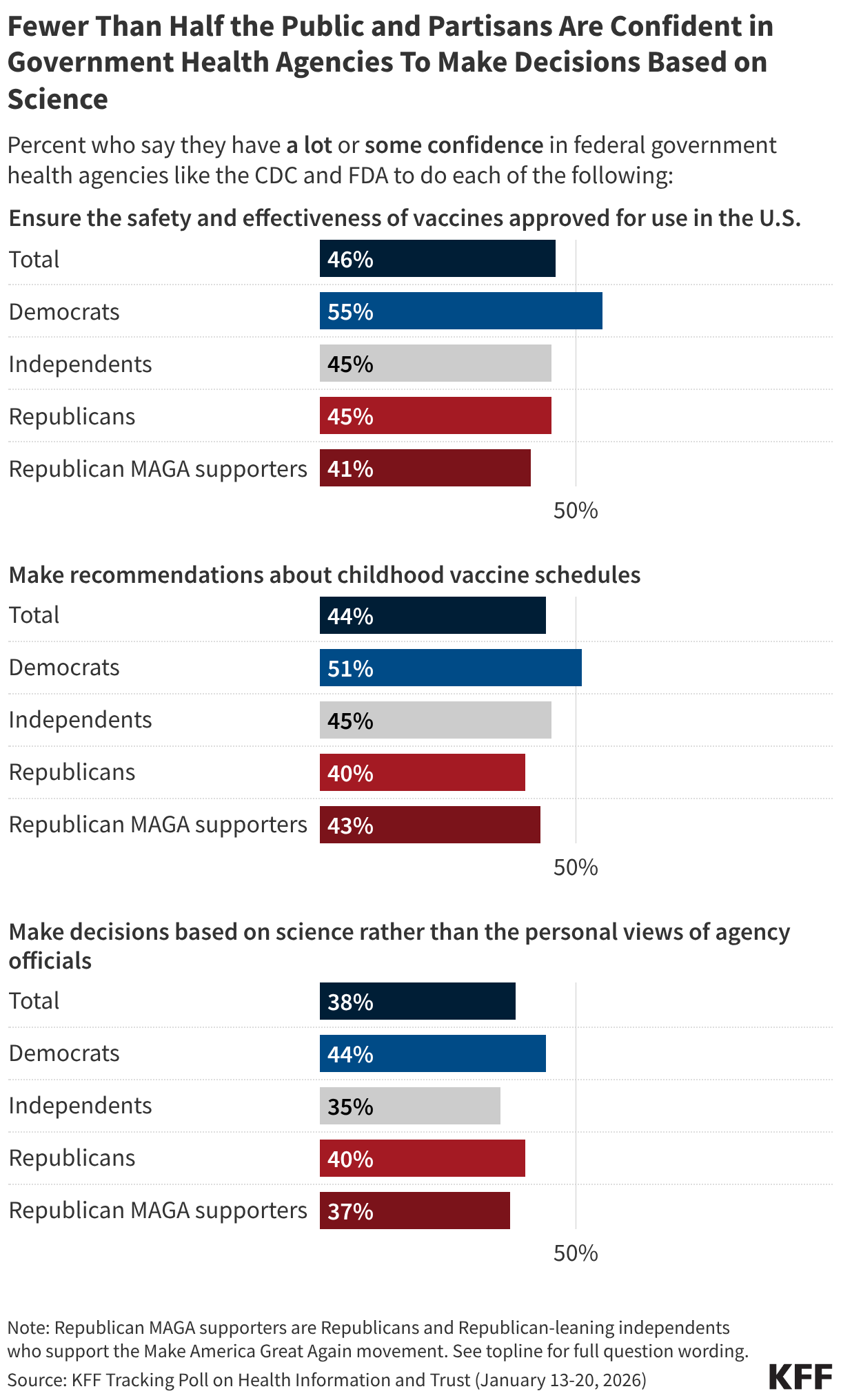
Further data from KFF’s January 2026 Tracking Poll on Health Information and Trust indicates a widespread lack of confidence in agencies like the CDC and FDA to execute their core responsibilities. Fewer than half of the public, across partisan lines, express confidence in these agencies to make decisions based on science, even regarding critical functions like ensuring vaccine safety and effectiveness or making recommendations about childhood vaccine schedules. While Democrats show a slightly higher inclination towards confidence in these areas, the overall sentiment remains one of apprehension.
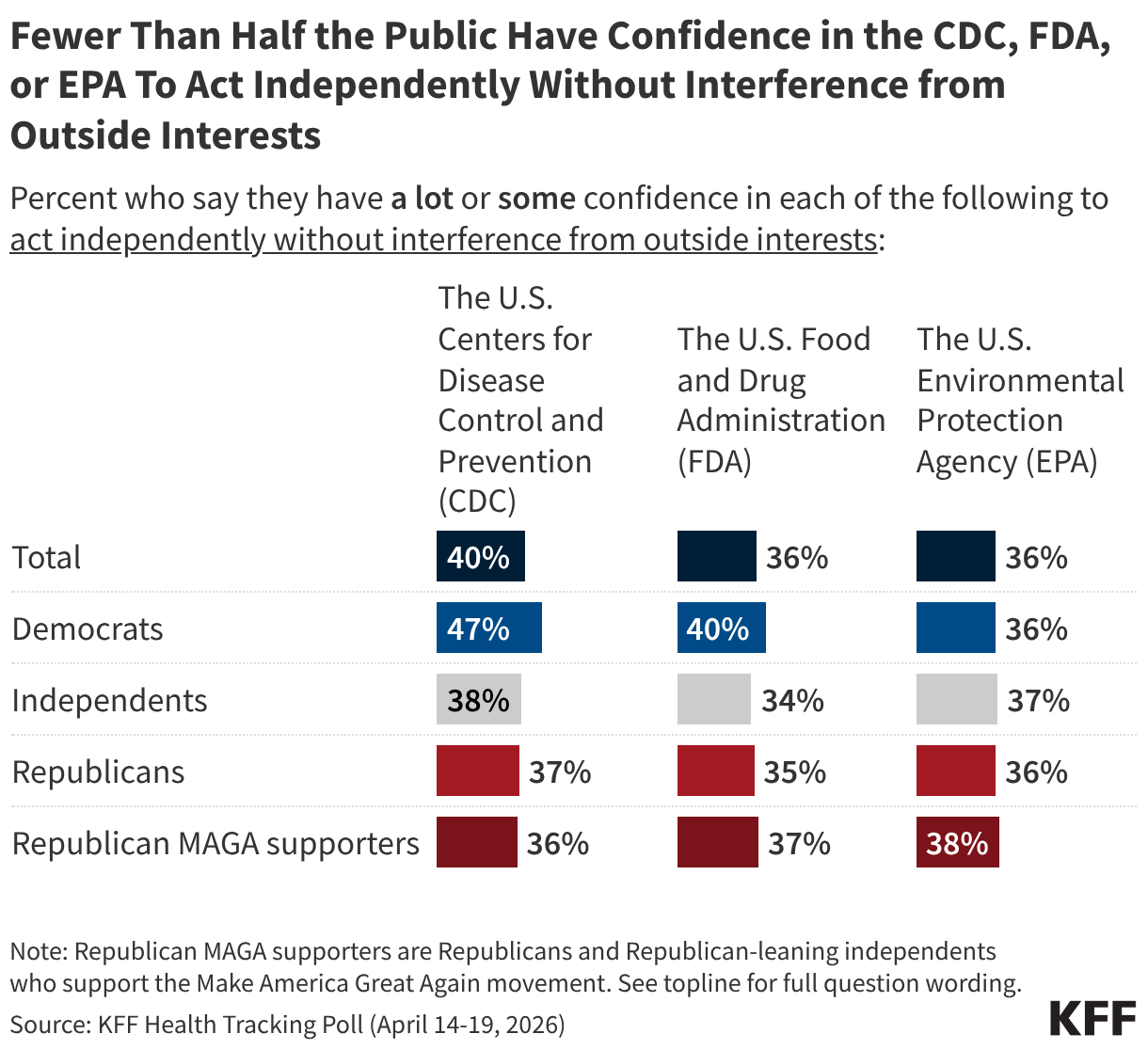
Moreover, the April 2026 Health Tracking Poll underscores concerns about agency independence. Less than half of the public and partisans express confidence in the CDC, FDA, or Environmental Protection Agency (EPA) to act without outside interference. Even among Democrats, who are somewhat more likely to trust the CDC’s independence, confidence barely reaches half, while the FDA and EPA fare even worse. This suggests a systemic challenge for these institutions in projecting an image of unbiased, science-driven governance, particularly in an era of heightened political scrutiny.
Partisan and Demographic Divides in Trust
The KFF polls illuminate profound partisan fissures in who the public trusts for health information. Republicans, especially those identifying as "MAGA-supporting Republicans" (Make America Great Again), are significantly more likely to trust Secretary Kennedy or President Trump for reliable health information—roughly six in ten, rising to seven in ten among MAGA supporters. In stark contrast, only three in ten or fewer independents and Democrats share this trust. Conversely, Democrats are more inclined than Republicans to trust their state government officials for health information. Interestingly, similar proportions of Democrats and Republicans express trust in the CDC or FDA, suggesting that while overall confidence in these federal agencies has fallen, the remaining trust is somewhat evenly distributed across the major political divide.
Demographic factors also play a role. Beyond the general trust in healthcare providers, trust in other health information sources varies by groups. College-educated adults, for instance, are more likely to trust the CDC and state government officials. White adults are more likely than their peers to trust Secretary Kennedy and President Trump. These variations highlight that communication strategies need to be nuanced, acknowledging different trust ecosystems within the population.
Parental Trust and Vaccine Attitudes
Among parents of children under 18, pediatricians emerge as the unequivocal most trusted source for reliable vaccine information. While majorities also place trust in local public health departments, the CDC, and the FDA, a notable over half of parents trust friends and family for vaccine information, dwarfing the trust placed in figures like Robert F. Kennedy Jr., pharmaceutical companies, or health and wellness influencers.
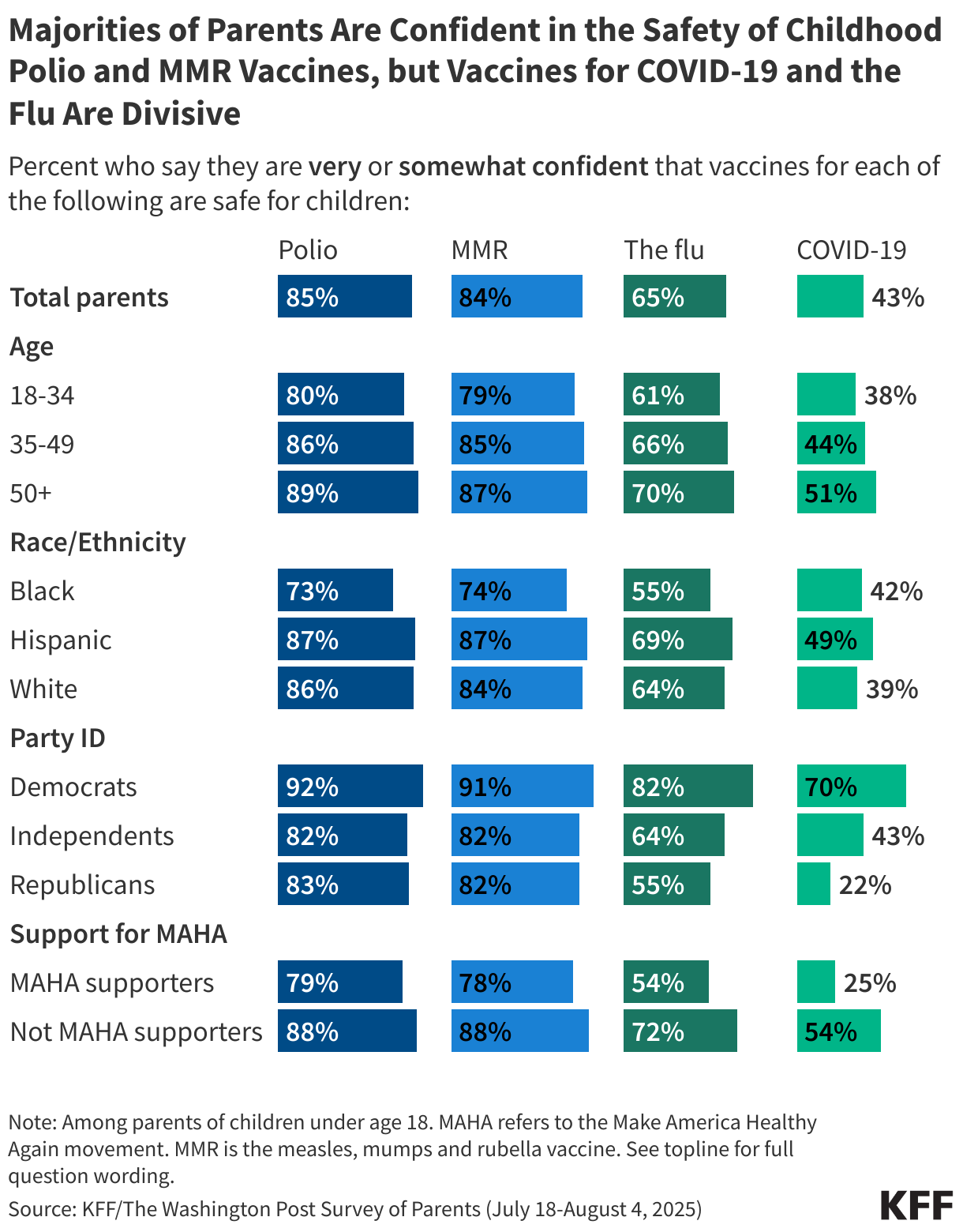
The KFF/Washington Post Survey of Parents in summer 2025 revealed that while majorities of parents were confident in the safety of routine childhood vaccines like polio and MMR, views on COVID-19 and flu vaccines were highly polarized. Fewer than half of parents considered COVID-19 vaccines safe for children, with clear partisan lines dictating these perceptions. Parents supporting the "Make America Healthy Again" (MAHA) movement (38% of all parents), Black parents, and parents under age 35 showed less confidence in the safety of many routine vaccines compared to their peers.
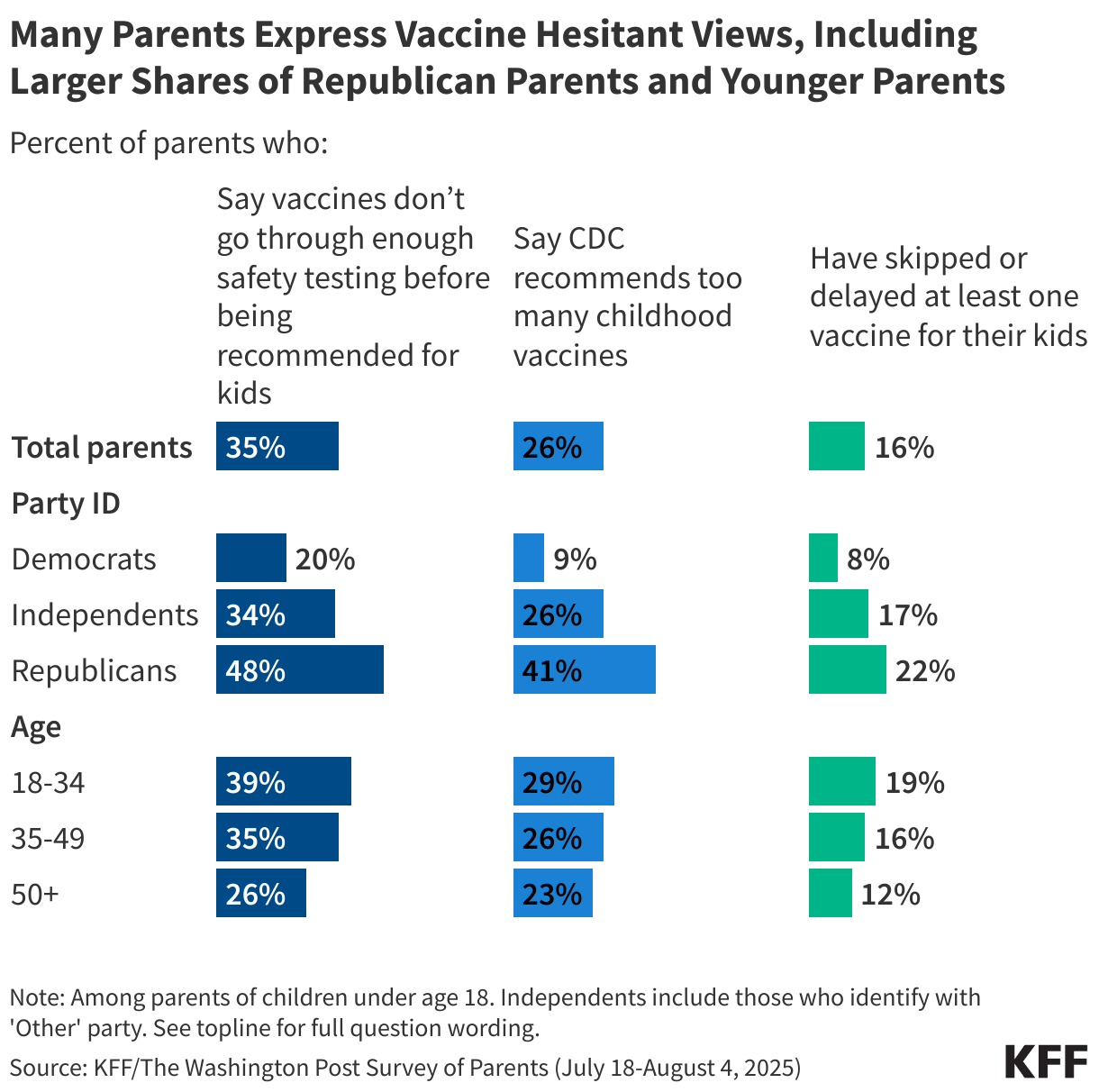
Despite high reported rates of keeping children up to date on childhood vaccines, about one in six parents admit to having skipped or delayed at least one non-seasonal childhood vaccine. Younger parents and Republicans are more prone to endorsing vaccine-skeptical attitudes and delaying vaccines for their children. Crucially, parents who skip or delay recommended vaccines are approximately twice as likely to believe or lean towards believing false claims about measles and COVID-19 vaccines, directly illustrating how misinformation translates into real-world health decisions. The public’s general lack of understanding or confidence in mRNA technology, with about half saying they "don’t know enough to say," further complicates vaccine acceptance and is a fertile ground for misinformation, as highlighted by KFF’s April 2025 Tracking Poll.
The Evolving Role of Media and Digital Platforms
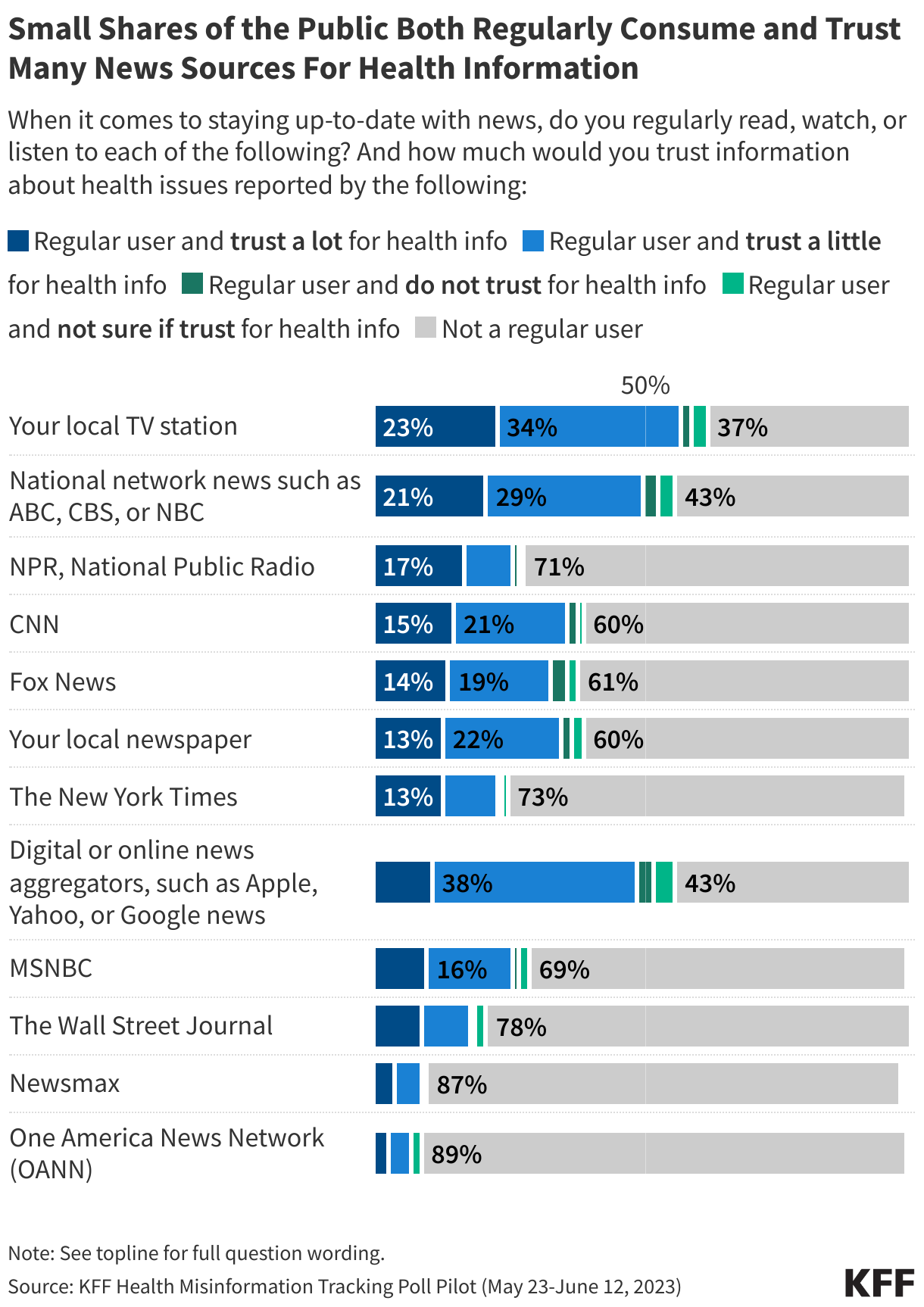
The digital age has profoundly reshaped how Americans access and interpret health information, introducing both opportunities and significant challenges. KFF’s Health Misinformation Tracking Poll Pilot measured the public’s consumption and trust in various news sources for health information. Overall, few adults both regularly consume and highly trust most news sources for health issues. Local and national network television news topped the list, with about a quarter (23%) and a fifth (21%) of adults, respectively, reporting regular viewership and high trust. Other established news outlets like NPR, CNN, Fox News, local newspapers, The New York Times, digital news aggregators, and MSNBC commanded trusting audiences ranging from one in ten to one in six of the overall public, indicating a fractured news consumption landscape for health topics.
Social Media as a Health Information Hub:
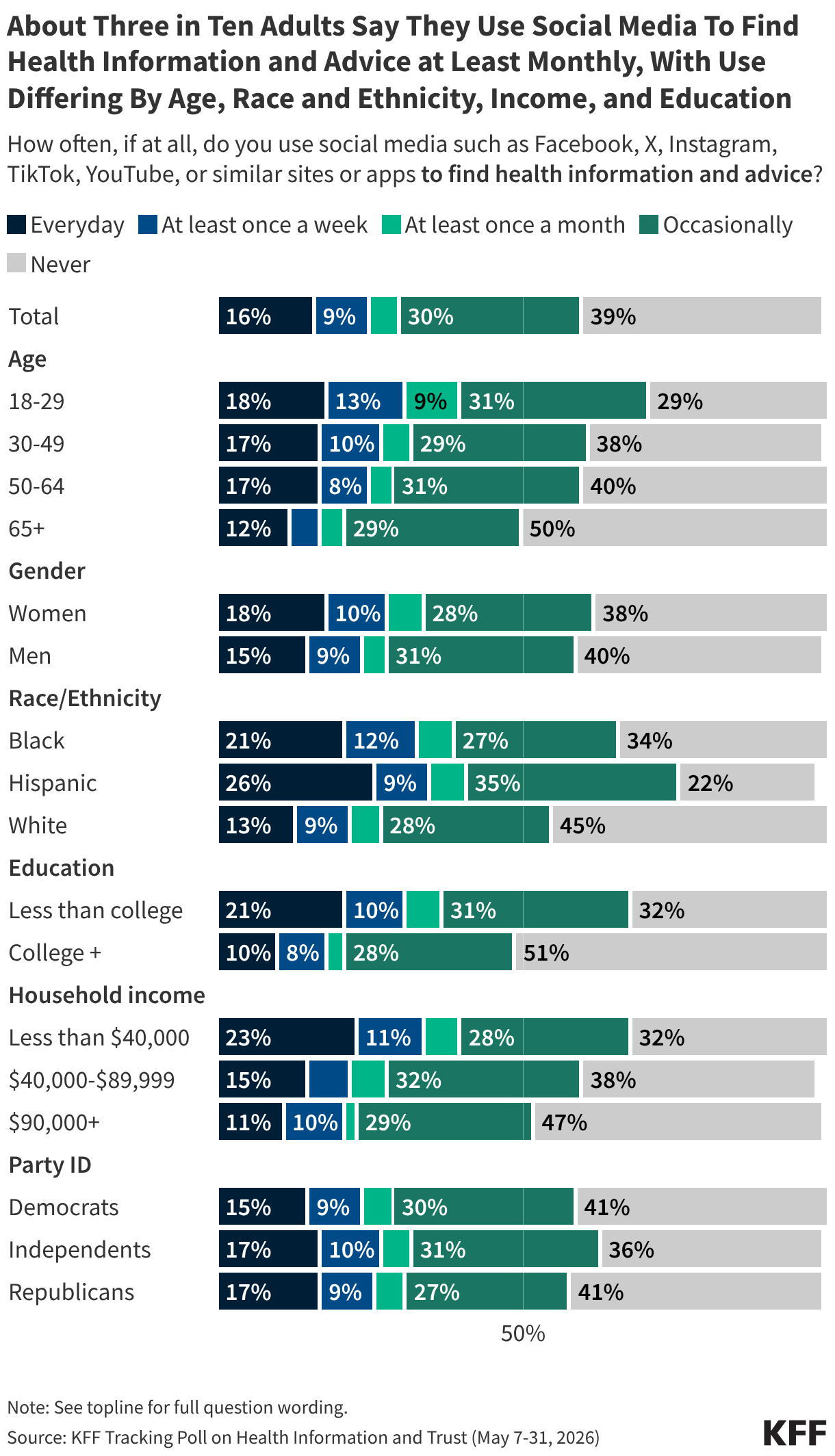
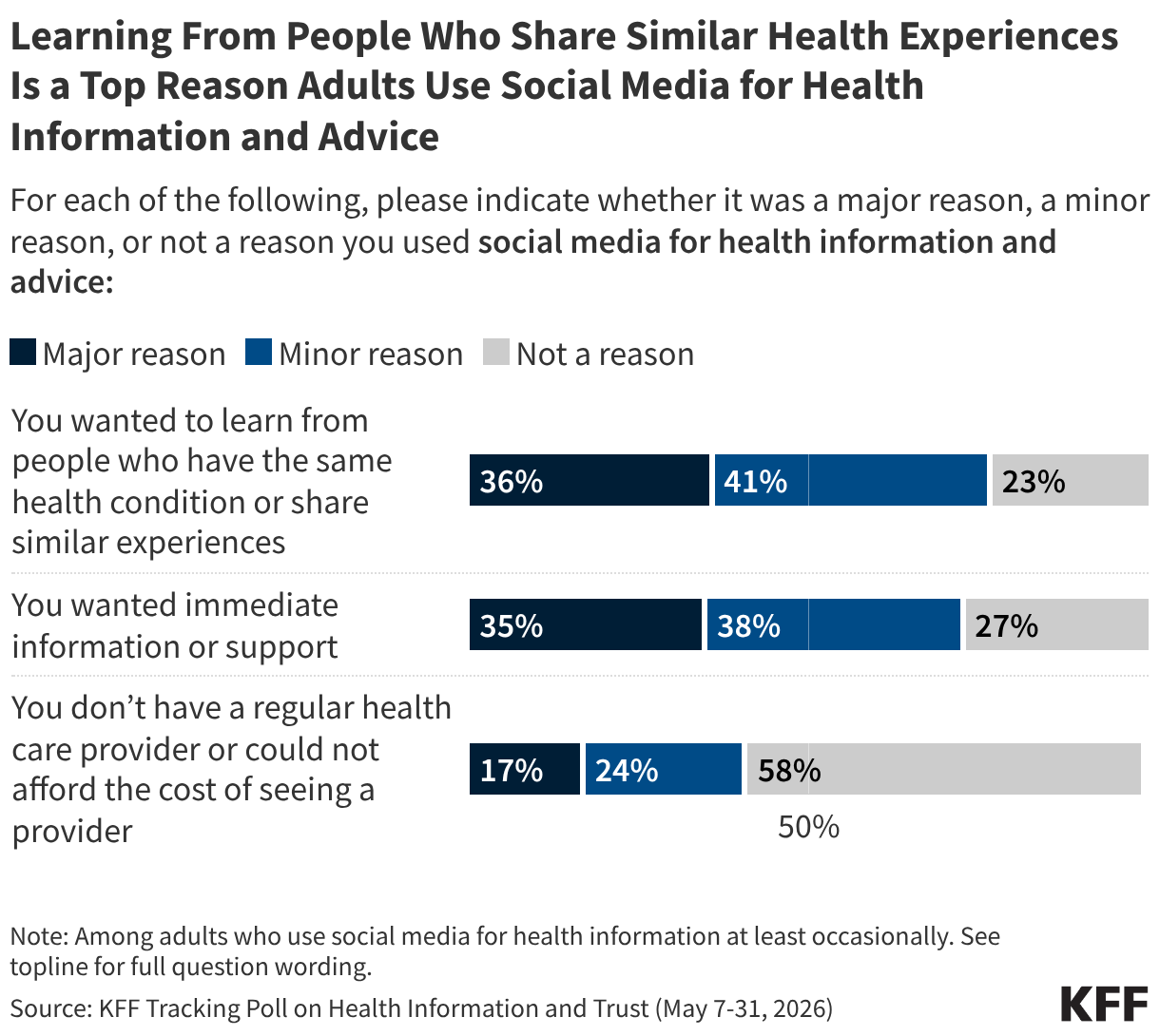
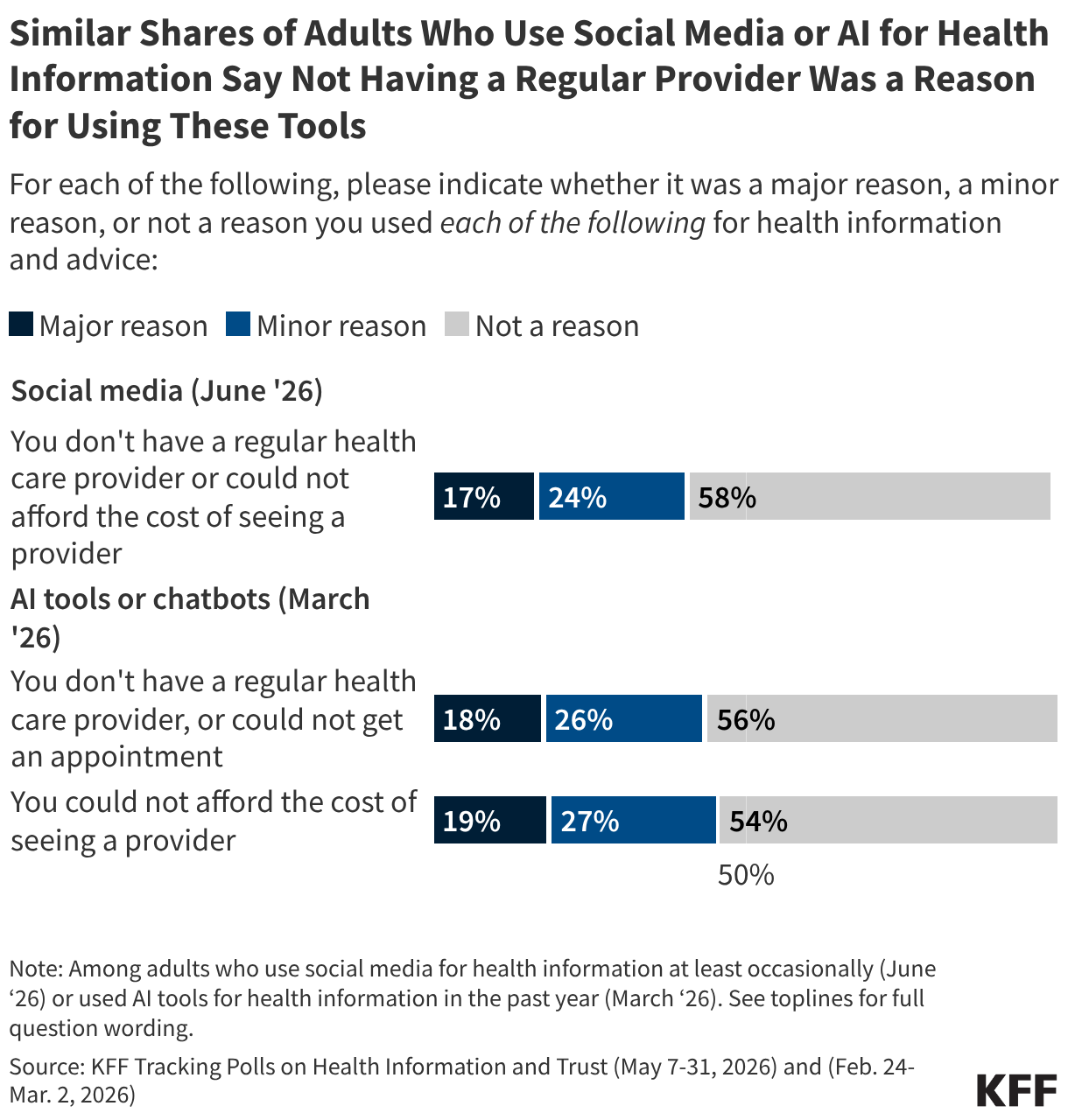
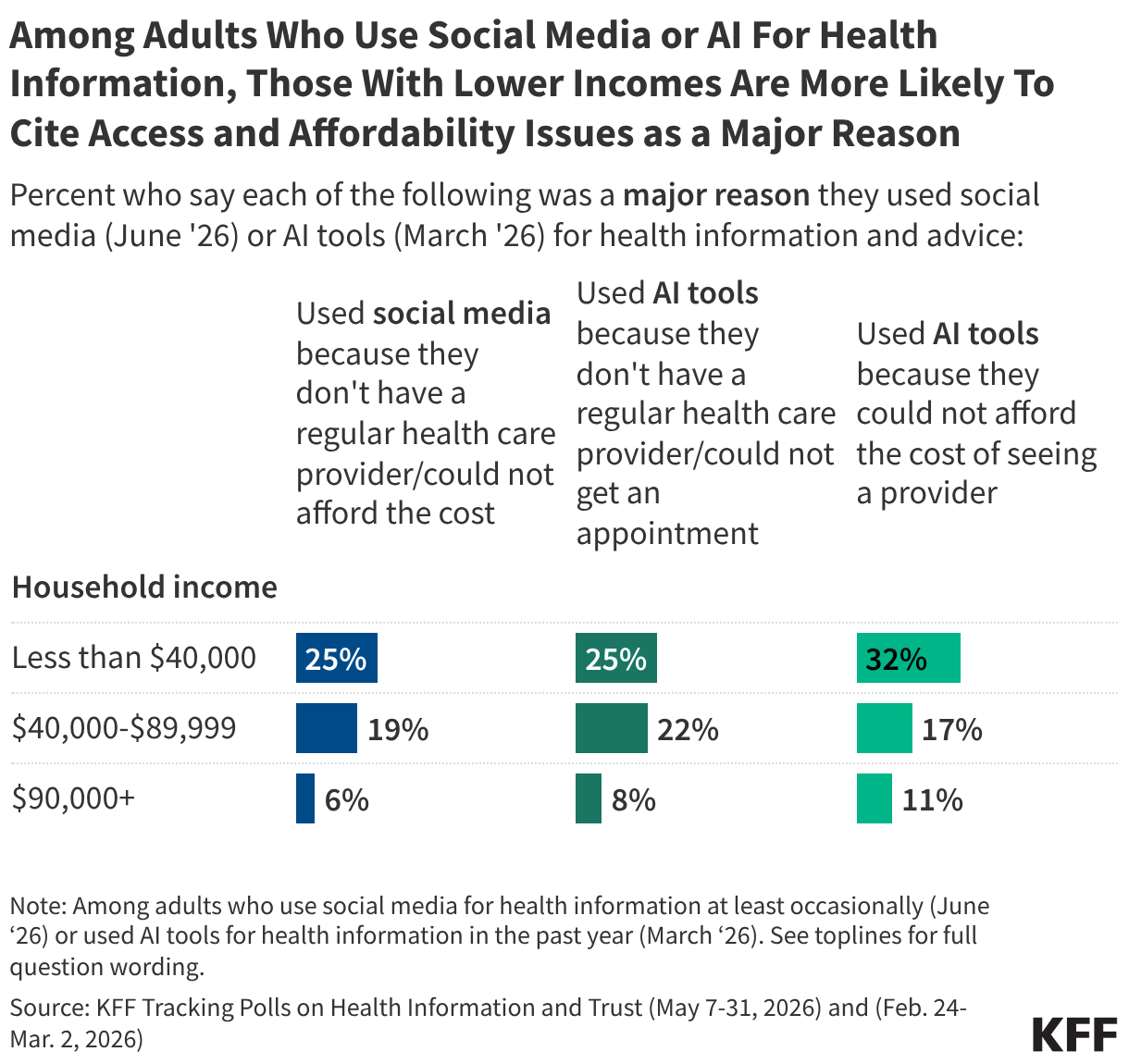
Social media has emerged as a significant, albeit often untrustworthy, source of health information. Approximately three in ten adults use social media "at least monthly" to find health information and advice, with higher engagement among younger adults, Black and Hispanic adults, lower-income adults, and those with lower educational attainment. The June 2026 Tracking Poll on Health Information and Trust reveals compelling reasons for this reliance: about one-third of users cite wanting to learn from people with similar experiences or seeking immediate information and support as "major reasons." Alarmingly, about one in six social media users, particularly lower-income individuals, cite difficulty accessing or affording health care as a major impetus for turning to these platforms. This highlights a critical link between systemic healthcare access issues and the reliance on potentially unreliable digital sources.
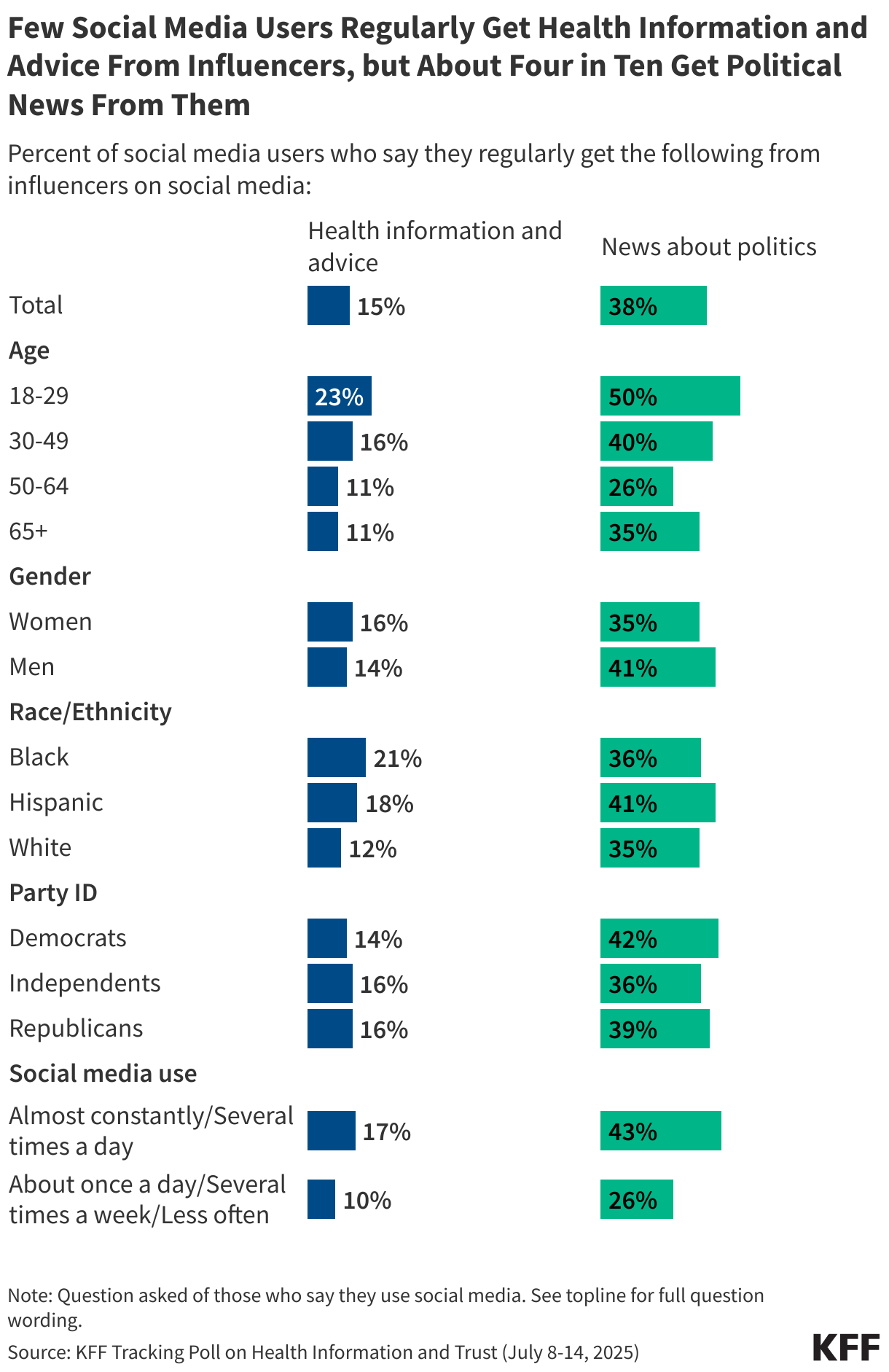
While active use for health information is substantial, even larger majorities report passive exposure to health content, with weight loss, diet, nutrition, and mental health topics being most prevalent. Social media influencers, despite their prominence in news and politics, hold limited sway over health information, with only 15% of users turning to them for health advice, though this figure is higher among younger adults, Black adults, and frequent social media users. Trust in social media platforms for health information remains generally low, with fewer than half of users finding content "somewhat" trustworthy, though younger users tend to be more trusting of platforms like TikTok, YouTube, Instagram, and Reddit.
The Rise of Artificial Intelligence in Health Information:
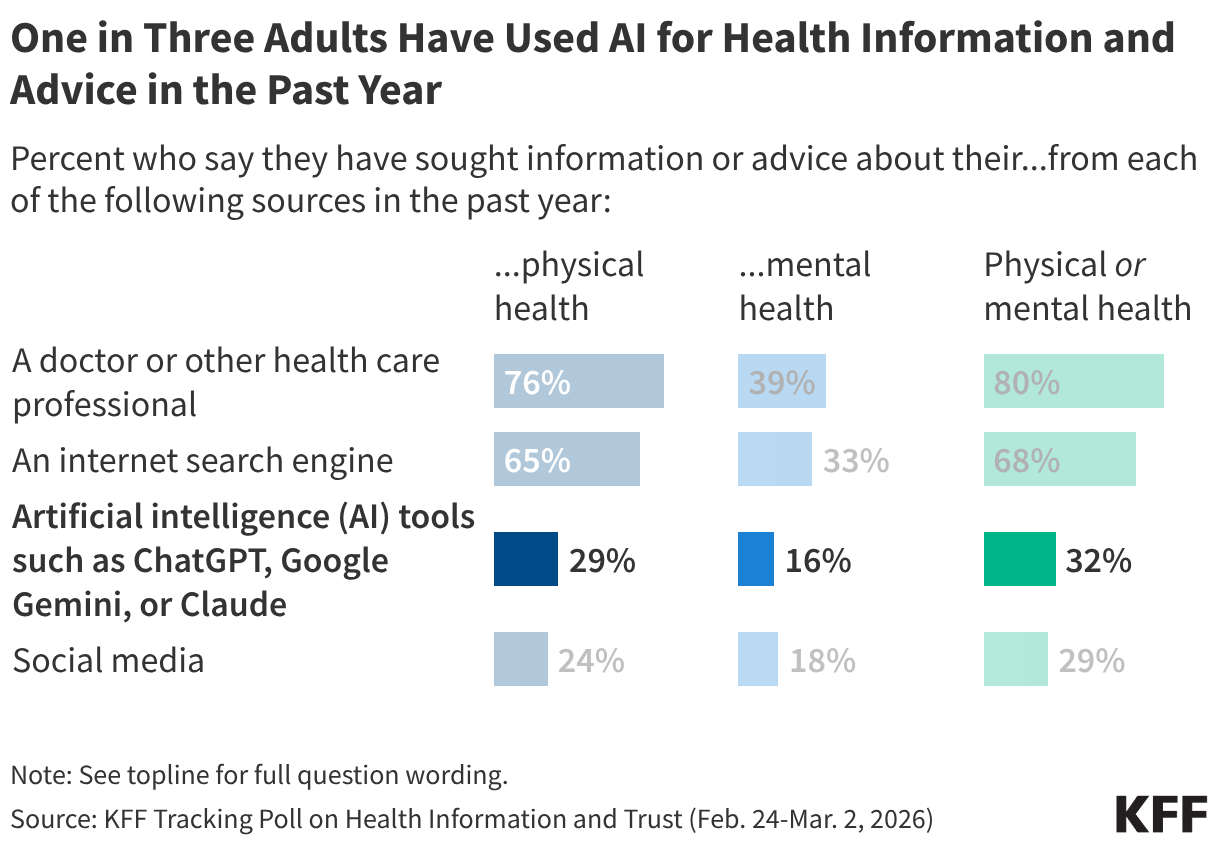
Perhaps the most significant emerging trend is the rapid adoption of AI chatbots for health information. KFF’s March 2026 Tracking Poll on Health Information and Trust found that about a third (32%) of the public has turned to AI chatbots for health information or advice in the past year, rivaling social media and approaching internet search engines in prominence. This includes three in ten seeking physical health advice and one in six for mental health information. Younger adults, uninsured adults, and Black and Hispanic adults are more likely to use AI for mental health advice.
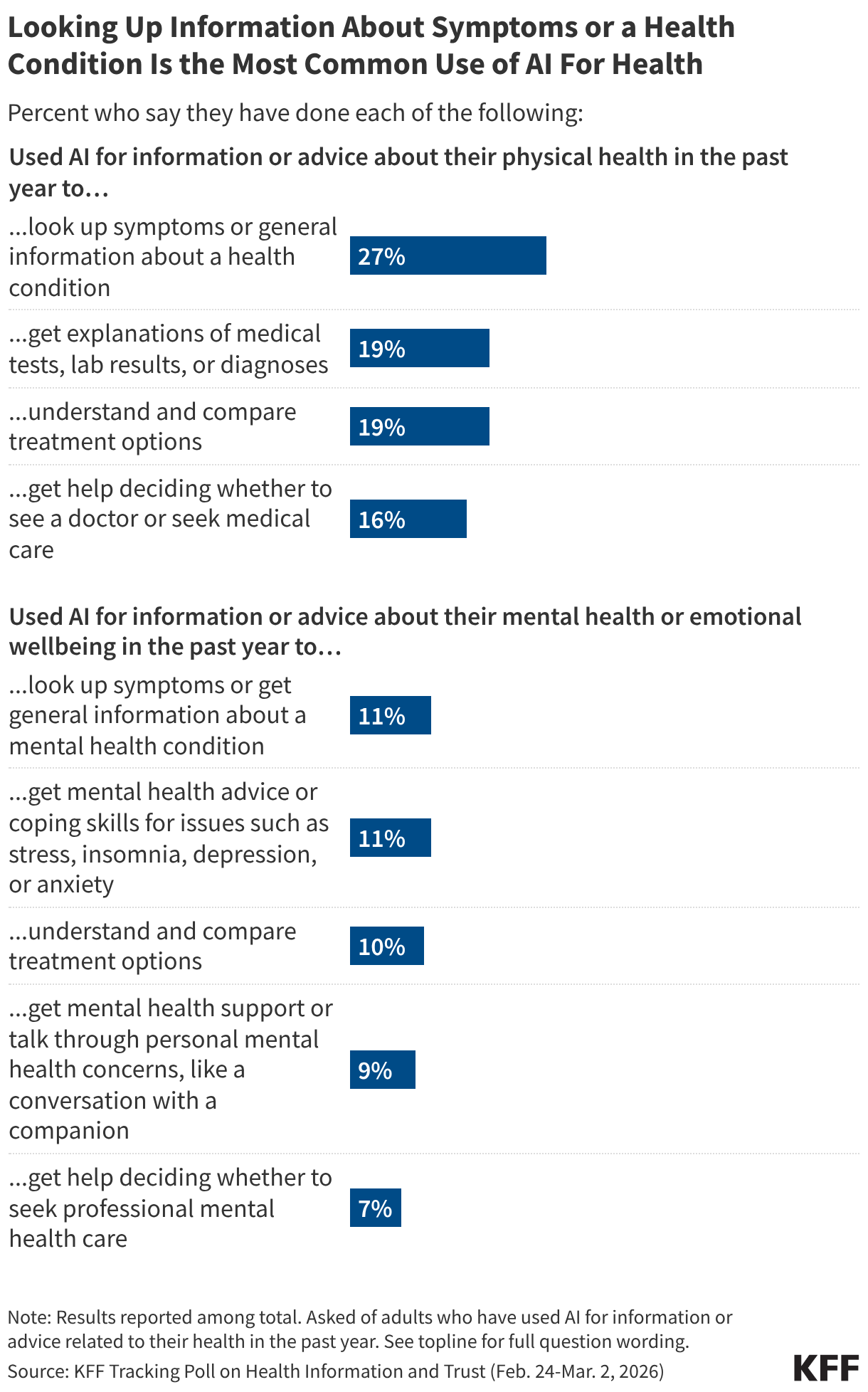
Users primarily leverage AI for looking up symptoms or general information about health conditions, with fewer using it to make decisions about seeking medical care. The primary drivers for AI use mirror those for social media: wanting quick or immediate support, looking up information before seeing a provider, and feeling more comfortable seeking health questions privately. Critically, one in five users, and larger shares among younger adults and those with lower household incomes, cite healthcare access or affordability issues as major reasons for turning to AI.
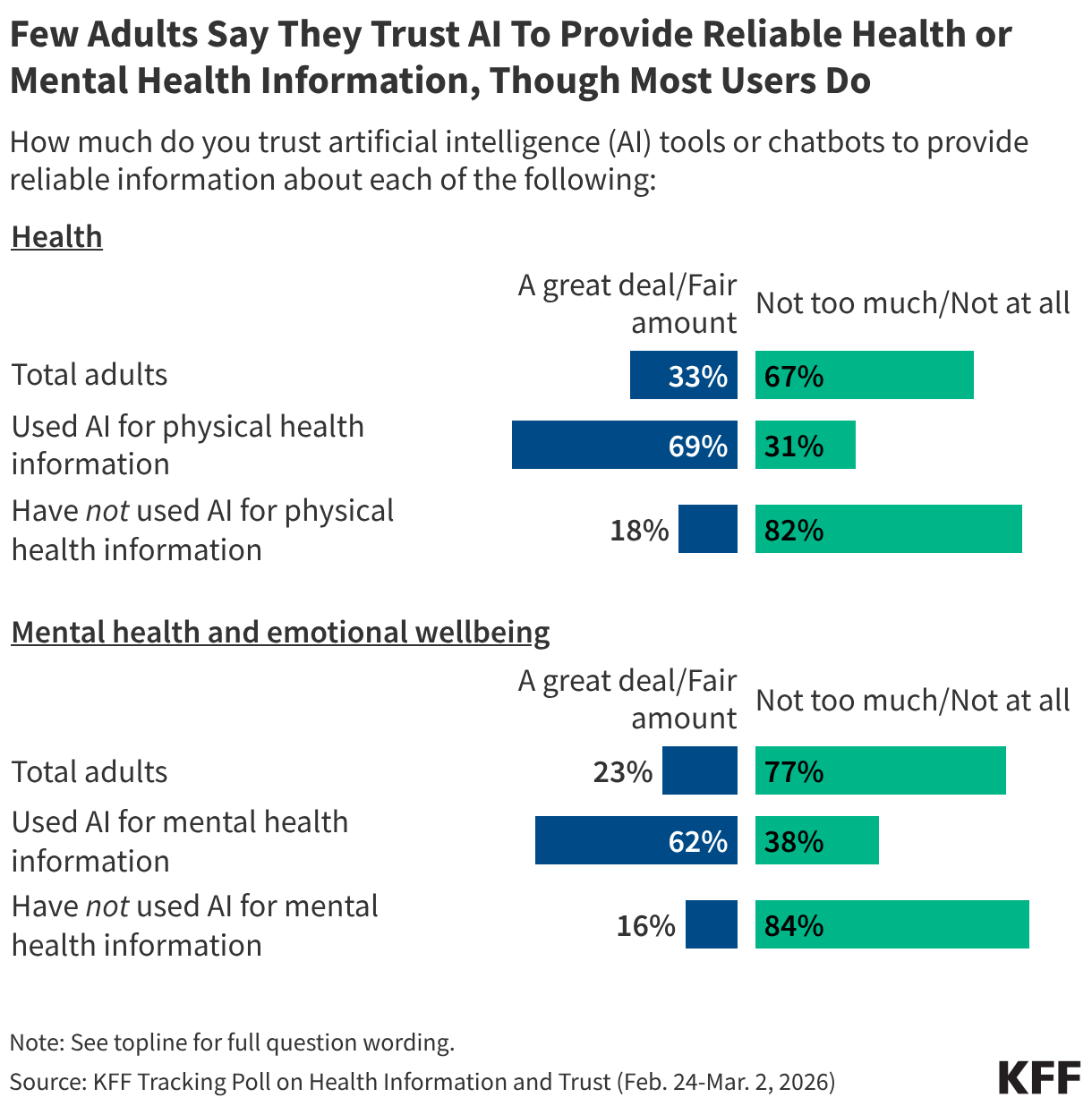
Despite its growing use, public trust in AI tools to provide reliable health information remains low overall. However, a fascinating dichotomy emerges: most adults who have used AI for health information and advice report trusting these chatbots, suggesting a user-driven validation that may not align with broader public skepticism or the actual accuracy of AI-generated health advice.
The Persistent Challenge of Misinformation
KFF polling consistently highlights the pervasive nature of health misinformation, yet also identifies a "malleable middle"—at least half of the public who are uncertain whether false or unproven claims are "probably true" or "probably false." This uncertainty, observed across various claims including those related to COVID-19, vaccines, measles, and the purported link between Tylenol and autism (a claim notably amplified by President Trump in September 2025), presents a crucial opportunity for targeted interventions to deliver accurate information.
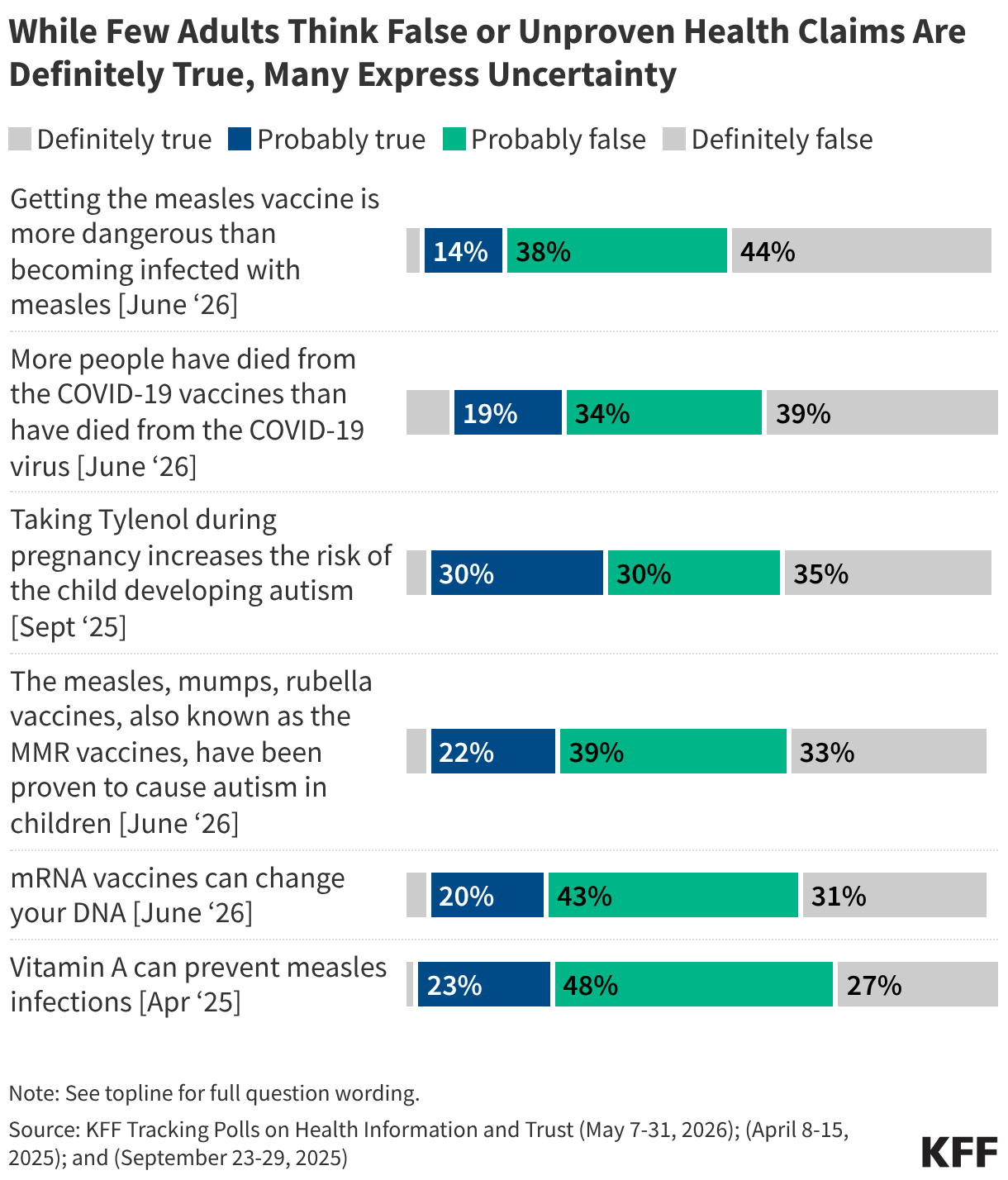
Exposure to claims like the Tylenol-autism link is widespread, often amplified by prominent figures and media coverage. While few adults are certain that these claims are "definitely true," the large proportion expressing uncertainty underscores a vulnerability to manipulation. The June 2026 Tracking Poll on Health Information and Trust identified five groups based on belief patterns across common vaccine myths, illustrating the nuances within this "malleable middle."
Partisanship and education are significant predictors of belief in false or unproven health claims. Republicans and adults without a college degree are consistently more likely than Democrats and college-educated adults to believe or lean towards believing vaccine-related myths. Beyond these factors, belief in common vaccine myths varies by age (adults aged 30-49 more susceptible) and race/ethnicity (Black adults and Hispanic adults showing higher endorsement of certain claims). These differences suggest that susceptibility to misinformation is not uniform but varies based on demographic characteristics and potentially different information channels.
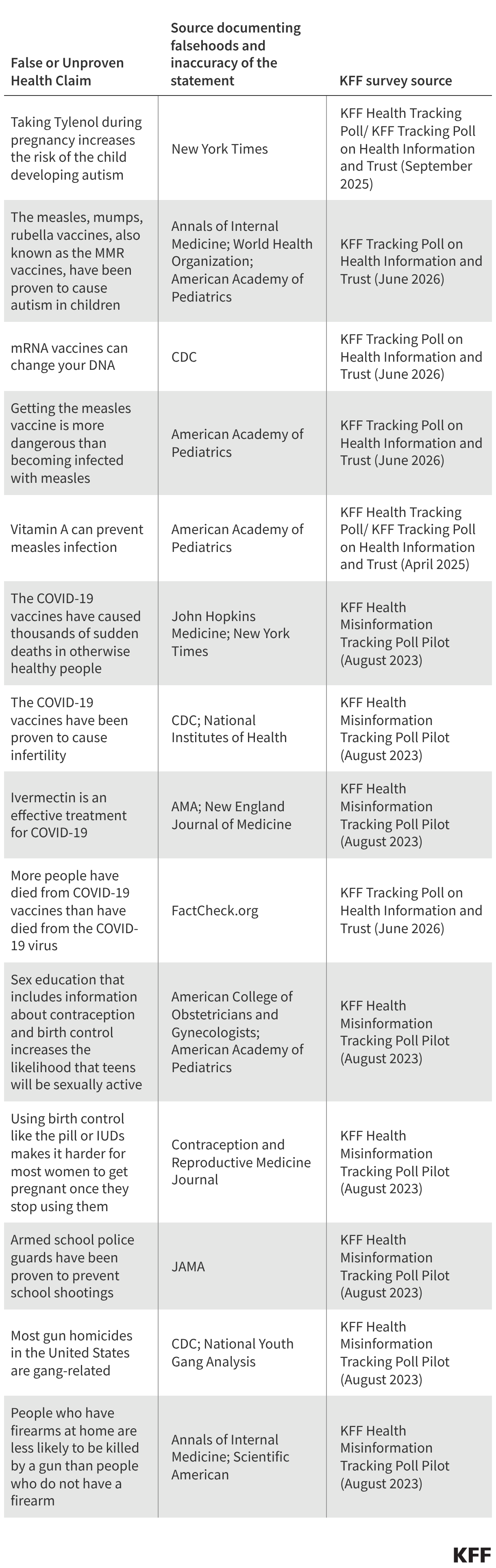
Furthermore, a direct correlation exists between the use of social media and AI tools for health information and a higher likelihood of believing several false claims about vaccines. Similarly, individuals who lack a trusted healthcare provider are more likely to endorse these myths. This underscores a concerning feedback loop where individuals lacking access to traditional, trusted sources of health information turn to digital platforms, which in turn expose them to and potentially reinforce misinformation. The KFF Appendix for False or Unproven Health Claims meticulously documents the inaccuracy of many such claims, some of which have been amplified by government officials themselves, highlighting the complex origins and spread of health misinformation.
Broader Implications and Future Outlook
The KFF polling data paints a vivid picture of a public health landscape characterized by deep distrust, political polarization, and a rapidly evolving digital information ecosystem. The unwavering trust in individual healthcare providers offers a vital anchor, suggesting that strengthening the patient-provider relationship and empowering clinicians as trusted communicators is paramount. However, the erosion of confidence in federal health agencies, exacerbated by partisan divides and high-profile political figures, poses a severe threat to national public health initiatives, especially during crises.
The rise of social media and AI as alternative health information sources, driven partly by convenience but also by systemic issues of healthcare access and affordability, presents a double-edged sword. While these platforms can democratize access to information, they are also potent vectors for misinformation, particularly for vulnerable populations. The "malleable middle" identified by KFF represents a critical demographic for intervention, requiring nuanced, evidence-based communication strategies that can cut through the noise and address underlying uncertainties without alienating skeptical audiences.
For policymakers, public health officials, and media organizations, the implications are profound. Rebuilding trust in institutions demands transparency, consistent science-based messaging, and a concerted effort to depoliticize public health. Addressing healthcare access and affordability issues is not merely a matter of equitable care but also a crucial strategy for combating misinformation, as people are less likely to seek potentially unreliable digital advice if they have access to affordable, trusted professional care. Investing in digital literacy and critical thinking skills for the public is also essential to navigate the complex information environment.
In conclusion, KFF’s ongoing research illuminates a critical juncture for health information and trust in America. The challenge is not merely about combating individual false claims but about restoring foundational trust in institutions, adapting to new information paradigms, and ensuring that all Americans have equitable access to reliable health guidance in an increasingly complex and fractured world. The battle for accurate health information in the digital age will be an ongoing and multifaceted endeavor, requiring sustained effort from all sectors of society.
Related posts: