WHO Director-General visits Jordan to recognize strong collaboration on health system delivery, emergency relief and advancing mental health

World Health Organization (WHO) Director-General Dr. Tedros Adhanom Ghebreyesus wrapped up the primary engagements of his high-profile, two-day state visit to the Hashemite Kingdom of Jordan this week, focusing international attention on the country’s exemplary role in humanitarian health action, universal health coverage (UHC), and the integration of comprehensive mental health services. The visit served as a powerful testament to the enduring strategic partnership between the global health agency and the Jordanian government, particularly amid acute regional instability that continues to strain health infrastructure across the Middle East.
Throughout the visit, Dr. Tedros engaged in high-level diplomatic and technical discussions, inspecting specialized medical facilities, conferring with international donors and humanitarian partners, and evaluating Jordan’s vast capacity for medical evacuation and refugee healthcare management. He was accompanied during several critical legs of the journey by Prince Harry, the Duke of Sussex, and Meghan, the Duchess of Sussex, in their capacities as founders of Archewell Philanthropies and long-standing advocates for global health equity.
A Royal Audience and Strategic Regional Priorities
The cornerstone of the state visit was an official audience with His Majesty King Abdullah II of Jordan. The high-level meeting underscored Jordan’s steadfast leadership in championing health as both a fundamental national asset and a crucial pillar of global stability.
Discussions between Dr. Tedros and King Abdullah II centered on the enhancement of national health systems, the accelerated expansion of equitable healthcare access, and the critical need to sustain international support for emergency health responses throughout the region. Particular emphasis was placed on the ongoing plight of the Palestinian population, the logistical complexities surrounding patients evacuated from the Gaza Strip for specialized treatment in Jordanian facilities, and the protracted care provided to millions of refugees hosted within the kingdom’s borders.
Dr. Tedros publicly commended the Jordanian monarch for his unwavering commitment to achieving universal health coverage. "I wish to express my appreciation to His Majesty King Abdullah II for his commitment to advancing universal health coverage," Dr. Tedros stated during the proceedings. "I also extend my thanks to His Majesty and the people of Jordan for their solidarity and generosity in providing health services to more than three million refugees, primarily from Gaza and Syria, who are living in the country."
Furthermore, the WHO Director-General praised Jordan’s broader humanitarian leadership, specifically highlighting the monarch’s visionary Medical Corridor initiative. This vital pipeline facilitates the transfer and delivery of critical, life-saving care to critically ill and injured children evacuated from conflict zones in Gaza, demonstrating a practical model of humanitarian execution that puts human life above all geopolitical considerations.
Frontline Encounters: Witnessing Medical Evacuations Firsthand
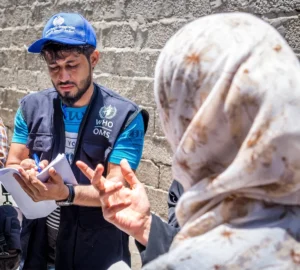
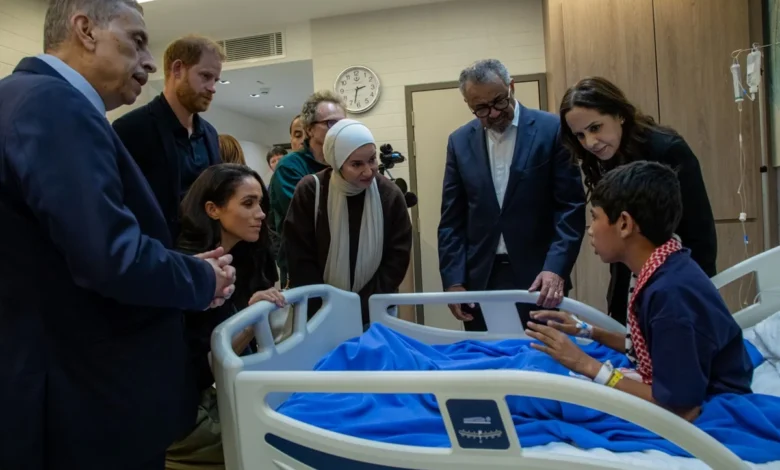
Moving beyond diplomatic chambers, Dr. Tedros visited a specialized, WHO-supported medical facility in Amman dedicated to treating pediatric patients evacuated from the Gaza Strip. During the hospital tour, the WHO chief walked the wards, interacting directly with young patients, their families, and the frontline medical personnel who work tirelessly under immense pressure to deliver life-saving interventions for severe traumatic injuries, pediatric oncology cases, and other complex, life-threatening medical conditions.
This visit served to illustrate the indispensable nature of the medical evacuation corridor established through Jordan. Public health experts note that as local healthcare systems in conflict zones collapse, third-party host nations like Jordan act as absolute lifelines. However, the longevity of these operations remains dependent on consistent international financial backing and logistical solidarity. Dr. Tedros used the platform to issue a renewed call to the international donor community, stressing that sustained support is imperative to ensure that children and other vulnerable populations can continue to cross borders to access essential, irreplaceable medical care.
Mobilizing Global Resources: High-Level Partner Consultations
To address the financial pressures associated with hosting displaced populations and maintaining resilient health architectures, Dr. Tedros convened a high-level strategic roundtable. The meeting brought together representatives from key donor governments, United Nations agencies, prominent international philanthropies, and domestic health partners.
The agenda focused squarely on financing priorities for strengthening Jordan’s domestic health system while simultaneously funding ongoing humanitarian health operations. Key focus areas included scaling up specialized mental health services within primary care frameworks and securing long-term funding streams for countries bearing the brunt of large-scale refugee hosting responsibilities. Participants evaluated current funding gaps and established collaborative frameworks designed to streamline resource allocation across the region.
Advancing Universal Health Coverage and Mental Health Integration
In a separate bilateral engagement, Dr. Tedros met with the Jordanian Minister of Health to discuss structural reforms aimed at fortifying the national health system. Jordan has earned international acclaim for its pioneering primary healthcare approach, which serves as the foundation for achieving universal health coverage.
Notably, Jordan has integrated mental health services directly into its primary healthcare network, ensuring that psychological support is treated as an essential, routine component of overall patient care rather than an isolated specialty. This progressive integration is actively supported by the WHO through the Director-General’s Special Initiative for Mental Health. Public health analysts point to Jordan’s model as a blueprint for developing nations seeking to de-stigmatize psychological care and make mental health services universally accessible at the community level.
The Role of Philanthropy and Global Advocacy
The inclusion of Prince Harry and Meghan, the Duchess of Sussex, as part of the official WHO delegation brought substantial global visibility to the mission. Operating through Archewell Philanthropies, the Duke and Duchess have cultivated a multi-year partnership with the WHO, contributing to initiatives ranging from equitable access to COVID-19 vaccines to complex medical evacuation programs and targeted mental health interventions.
Prince Harry actively participated in discussions centered on mental health resilience in emergency settings and conflict zones. He emphasized the urgent necessity of investing in psychological support networks tailored to marginalized demographics, including men, adolescents, and children who bear the psychological scars of systemic trauma.
Reflecting on the collaboration, Dr. Tedros remarked, "I want to thank our partners, including Prince Harry, Duke of Sussex and Meghan, Duchess of Sussex, whose commitment to mental health and humanitarian action has helped bring visibility, resources and hope to some of the world’s most vulnerable communities. Their collaboration is helping to advance WHO’s mission to ensure health for all."
Echoing these sentiments, Prince Harry shared his perspective on the ground realities observed during the visit: "It is an honour to join the Director-General of the World Health Organization in Jordan, a country that is leading by example in compassion, resilience and innovation. Through our work with Archewell Philanthropies, my wife and I have seen first-hand the impact of WHO’s efforts to support mental health and deliver life-saving care in emergencies. We remain deeply committed to advancing awareness, reducing stigma and expanding access to mental health support for all those affected by conflict and crisis. Mental health is fundamental to recovery, dignity and long-term peace, and we are proud to stand with WHO and partners around the world to make it a global priority."
Chronology and Agenda for the Concluding Itinerary
The second and final day of Dr. Tedros’s state visit is structured around targeted site visits and stakeholder consultations designed to evaluate specialized areas of Jordanian public health infrastructure:
- National Center for Rehabilitation of Addicts: Dr. Tedros is scheduled to tour this WHO-backed facility, which provides comprehensive, integrated medical, psychological, and social rehabilitation services for individuals struggling with substance use disorders.
- Community Engagement and Women’s Empowerment: The Director-General will meet with local community leaders and women’s advocacy groups, including key representatives from the Jordanian Hashemite Fund for Human Development (JOHUD), to review grassroots public health initiatives.
- King Hussein Cancer Center (KHCC): A premier regional institution, the KHCC will host Dr. Tedros for discussions concerning cutting-edge advancements in oncology care, research collaborations, and cross-border cancer treatment protocols for patients from neighboring crisis zones.
- Final Humanitarian Briefings: The visit will conclude with strategic wrap-up sessions with international humanitarian partners, cementing Jordan’s operational status as an indispensable logistical hub for emergency health response and medical evacuation in the Eastern Mediterranean region.
Broader Implications and Analytical Outlook
Public health analysts view this state visit as a critical diplomatic and technical alignment at a time when regional health systems are severely overextended. By spotlighting Jordan’s dual capacity as a structural reformer in universal health coverage and a generous humanitarian sanctuary, the WHO aims to catalyze broader international responsibility-sharing.
The economic burden of hosting over three million refugees—predominantly from neighboring Syria and, more recently, individuals displaced by the conflict in Gaza—places immense fiscal and infrastructural pressure on Jordan’s public institutions, particularly water, sanitation, energy, and healthcare networks. Without sustained, predictable multilateral funding, host nations risk systemic degradation of their own domestic health delivery capabilities.
Furthermore, the high-level focus on mental health integration serves as a timely reminder that physical survival in conflict zones must be immediately complemented by comprehensive psychological trauma support. As protracted crises multiply globally, the collaborative model demonstrated in Jordan between state actors, international agencies, and philanthropic organizations offers a viable framework for mitigating humanitarian catastrophes and building long-term health system resilience.
Related posts: