U.S. Global Health Programs: A Comprehensive Overview of Bilateral and Multilateral Engagements in FY 2024

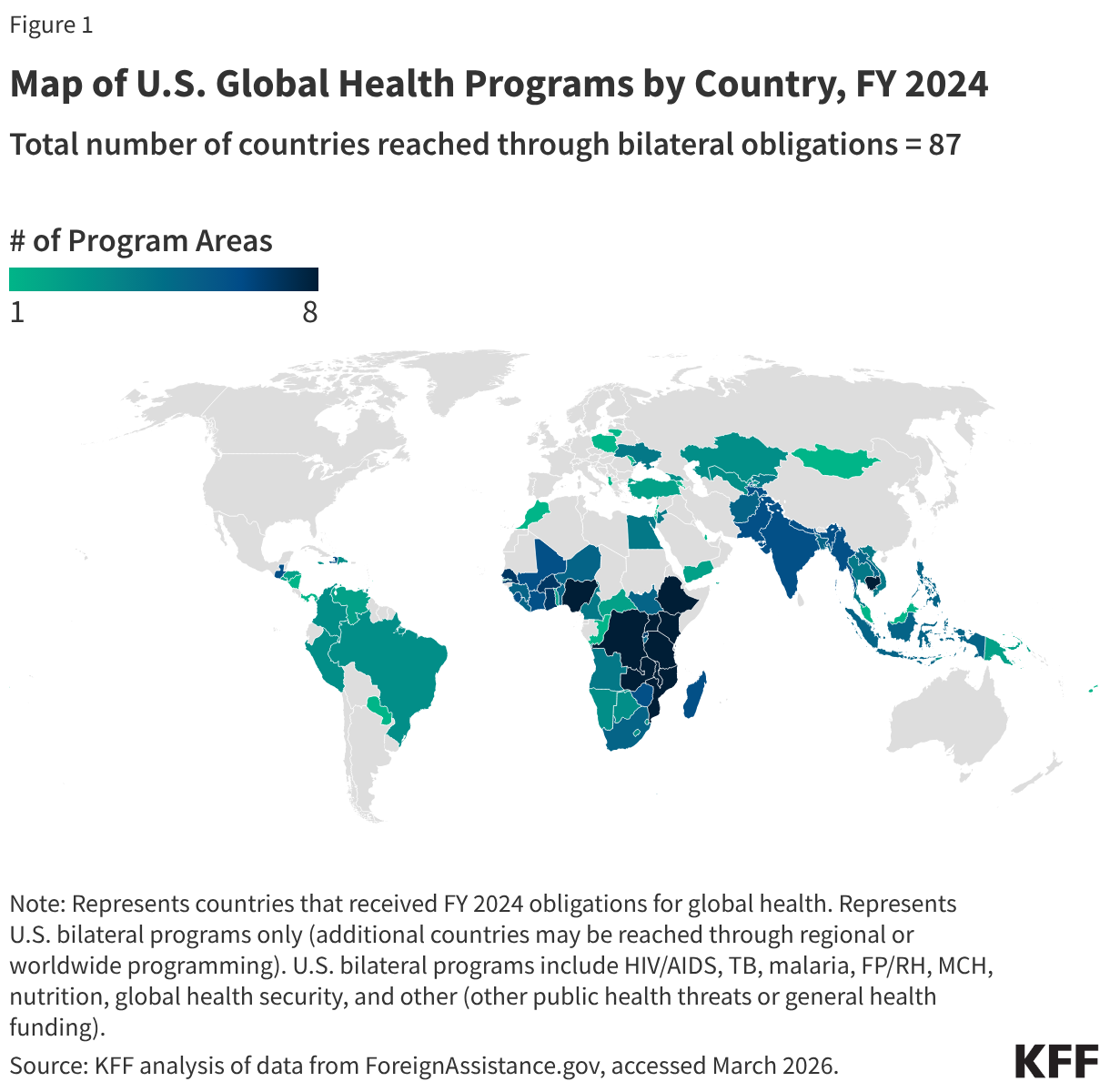
The United States maintains a robust and far-reaching commitment to global health, actively supporting programs in over 80 countries worldwide. This extensive engagement extends further through strategic regional initiatives and significant contributions to multilateral organizations, underscoring America’s multifaceted approach to addressing critical health challenges across the globe. For Fiscal Year 2024, the U.S. government’s bilateral global health efforts are meticulously tracked, revealing a complex web of interventions designed to combat some of humanity’s most persistent and devastating diseases while simultaneously strengthening health systems and promoting well-being. These programs are not monolithic; rather, they are tailored to the specific needs of each partner nation, often operating across multiple critical health domains. Key programmatic areas include the President’s Emergency Plan for AIDS Relief (PEPFAR), comprehensive Tuberculosis (TB) control, the President’s Malaria Initiative (PMI), Family Planning and Reproductive Health (FP/RH), Maternal and Child Health (MCH), Nutrition, and Global Health Security. This detailed overview leverages the latest FY 2024 data to illustrate the scope, depth, and strategic intent behind these vital international health investments, with a broader context provided by resources like the KFF tracker for U.S. global health country-level funding.
The Genesis and Evolution of U.S. Global Health Leadership
The United States’ involvement in global health is not a recent phenomenon but rather a legacy built over decades, evolving from early humanitarian aid to sophisticated, data-driven public health interventions. Post-World War II, U.S. foreign assistance often included health components, primarily focused on infectious disease control and maternal and child health in developing nations. However, it was the devastating HIV/AIDS epidemic of the late 20th and early 21st centuries that galvanized a monumental shift in U.S. global health policy and funding.
In 2003, President George W. Bush launched PEPFAR, an initiative that would fundamentally redefine the global fight against HIV/AIDS. At its inception, PEPFAR represented an unprecedented commitment of resources—initially $15 billion over five years—to address a single disease on a global scale. This program dramatically expanded access to antiretroviral treatment (ART), prevention services, and care for millions of people in low- and middle-income countries, particularly in Sub-Saharan Africa, which bore the brunt of the epidemic. PEPFAR’s success demonstrated the profound impact that sustained, strategic investment could have, not only in saving lives but also in strengthening entire health systems, training healthcare workers, and building laboratory capacity.
Following the success of PEPFAR, other major initiatives emerged. The President’s Malaria Initiative (PMI) was launched in 2005 with the goal of dramatically reducing malaria-related deaths, particularly among young children and pregnant women, in high-burden African countries. Similar to PEPFAR, PMI adopted a comprehensive strategy involving insecticide-treated bed nets, indoor residual spraying, accurate diagnosis, and effective treatment, alongside intermittent preventive treatment for pregnant women. These flagship programs laid the groundwork for a broader, more integrated approach to global health, recognizing the interconnectedness of various health challenges and their impact on development, stability, and security.
The U.S. approach further diversified to include robust support for tuberculosis control, a disease that remains a leading cause of death globally, especially in conjunction with HIV. Efforts in family planning and reproductive health were expanded, recognizing their critical role in women’s empowerment, child spacing, and reducing maternal and infant mortality. Maternal and child health programs, historically a cornerstone of global aid, received renewed focus, integrating interventions for nutrition, vaccination, and skilled birth attendance. Most recently, the experience with outbreaks like Ebola, Zika, and the COVID-19 pandemic highlighted the urgent need for robust Global Health Security initiatives, prompting increased U.S. investment in preventing, detecting, and responding to infectious disease threats worldwide. This historical trajectory underscores a consistent, albeit evolving, U.S. commitment to global health as both a humanitarian imperative and a strategic foreign policy tool.
Pillars of U.S. Global Health Engagement: A Deep Dive into Program Areas
The U.S. global health strategy is characterized by its comprehensive nature, addressing a spectrum of health challenges through specialized programs that often operate synergistically. The FY 2024 data reveals a sustained focus on these critical areas:
-
The President’s Emergency Plan for AIDS Relief (PEPFAR): As the largest commitment by any nation to address a single disease, PEPFAR has fundamentally transformed the global HIV/AIDS landscape. Since its inception, it has supported life-saving antiretroviral treatment for millions, preventing countless new infections, including mother-to-child transmission. Its legacy extends beyond treatment, having built robust laboratory networks, trained millions of healthcare workers, and significantly strengthened public health infrastructure in partner countries. In FY 2024, PEPFAR continues its vital work, focusing on sustainable control of the epidemic, transitioning to local ownership, and addressing key populations, demonstrating a continued commitment to achieving an AIDS-free generation. The program is estimated to have saved over 25 million lives globally, showcasing its unparalleled impact.
-
Tuberculosis (TB): Despite being preventable and curable, TB remains a major global health threat, particularly in regions with high HIV prevalence. U.S. programs, often implemented through USAID and CDC, focus on accelerating TB diagnosis, expanding access to quality treatment, and strengthening health systems to manage drug-sensitive and drug-resistant forms of the disease. Initiatives include supporting rapid diagnostic tools, directly observed treatment short-course (DOTS) strategies, and research into new vaccines and therapies. The U.S. is a leading donor to the Global Fund to Fight AIDS, Tuberculosis and Malaria, further amplifying its reach and impact in TB control.
-
The President’s Malaria Initiative (PMI): Launched in 2005, PMI has been instrumental in dramatically reducing malaria morbidity and mortality in targeted high-burden countries. Through a combination of proven interventions—including the distribution of insecticide-treated bed nets, indoor residual spraying, timely diagnostic testing, and effective antimalarial treatments—PMI has saved millions of lives, particularly those of young children and pregnant women. In FY 2024, PMI continues to support these core interventions, alongside efforts to strengthen surveillance systems and combat insecticide and drug resistance, ensuring that gains made are sustained and expanded. It is estimated that PMI has averted over 7 million malaria deaths and prevented more than 2 billion malaria cases.
-
Family Planning and Reproductive Health (FP/RH): U.S. support for FP/RH programs empowers individuals to make informed choices about their reproductive lives, leading to healthier families and communities. These programs provide access to a range of contraceptive methods, counseling, and related health services, reducing unintended pregnancies, unsafe abortions, and maternal and infant mortality. By supporting FP/RH, the U.S. contributes to women’s economic empowerment, educational attainment, and overall community development, aligning with broader sustainable development goals.
-
Maternal and Child Health (MCH): A cornerstone of humanitarian and development aid, U.S. MCH programs aim to reduce preventable deaths among mothers, newborns, and children under five. This involves a comprehensive package of interventions including antenatal care, skilled birth attendance, postnatal care, routine immunizations, nutrition programs for pregnant women and young children, and treatment for common childhood illnesses like pneumonia and diarrhea. These programs are vital for improving child survival rates and ensuring healthy development, contributing to long-term societal well-being.
-
Nutrition: Recognizing that malnutrition underlies a significant proportion of child deaths and impairs cognitive development, U.S. nutrition programs focus on addressing stunting, wasting, and micronutrient deficiencies. Interventions include promoting exclusive breastfeeding, providing micronutrient supplementation, treating severe acute malnutrition, and supporting food security initiatives. These efforts are often integrated with MCH and other health programs to ensure a holistic approach to child survival and healthy growth.
-
Global Health Security (GHS): The COVID-19 pandemic underscored the critical importance of robust global health security. U.S. GHS programs, primarily led by CDC and USAID, aim to strengthen countries’ capacities to prevent, detect, and respond to infectious disease threats, whether naturally occurring, accidental, or deliberate. This involves building surveillance systems, enhancing laboratory capabilities, training rapid response teams, and developing emergency preparedness plans. These investments protect not only partner countries but also safeguard the U.S. from cross-border health threats, highlighting the interconnectedness of global health.
The Bilateral and Multilateral Architecture of U.S. Global Health Funding
The U.S. global health strategy operates on a dual track: direct bilateral assistance to specific countries and substantial contributions to multilateral organizations. The FY 2024 tracker primarily highlights bilateral programs, but the impact of U.S. funding is significantly amplified through its multilateral engagements.
Bilateral programs allow for direct engagement with partner governments and local communities, enabling tailored interventions that address specific national health priorities. This direct approach fosters stronger diplomatic ties and allows for greater accountability and oversight of funds. Agencies like USAID and CDC are at the forefront of implementing these bilateral programs, working closely with ministries of health and local non-governmental organizations.
Conversely, contributions to multilateral organizations leverage global expertise and broader reach. The U.S. is the largest donor to the Global Fund to Fight AIDS, Tuberculosis and Malaria, a partnership that has saved over 50 million lives since its inception. It is also a significant contributor to the World Health Organization (WHO), Gavi, the Vaccine Alliance, and UNICEF, among others. These contributions support global norms and standards, facilitate large-scale procurement of medicines and vaccines, and enable coordinated responses to global health crises. The synergy between bilateral and multilateral efforts ensures comprehensive coverage and maximizes impact, allowing the U.S. to address both specific national needs and overarching global health challenges. The KFF tracker provides detailed insights into the complex funding landscape, illustrating how U.S. financial commitments underpin these diverse efforts.
Geographic Reach and Regional Strategies
With programs spanning over 80 countries, U.S. global health initiatives demonstrate a truly global footprint. While specific program concentrations vary, a significant portion of U.S. health aid is directed towards Sub-Saharan Africa, given its high burden of HIV/AIDS, malaria, and other infectious diseases. Countries in Southeast Asia, Latin America, and the Caribbean also receive substantial support, reflecting regional health priorities and strategic interests.
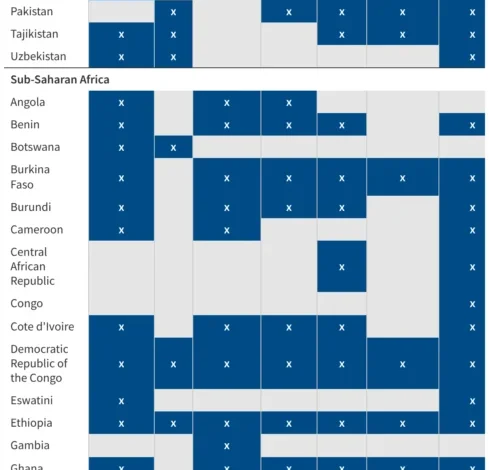
Beyond individual country programs, the U.S. also invests in regional health efforts. These initiatives address health challenges that transcend national borders, such as cross-border disease surveillance, regional laboratory networks, and coordinated responses to outbreaks. For instance, in West Africa, regional investments in health security were critical in bolstering defenses against future pandemics following the 2014 Ebola outbreak. These regional approaches recognize that pathogens do not respect political boundaries and that collective action is often the most effective defense. The map of U.S. Global Health Programs by Country in FY 2024 vividly illustrates this extensive geographic spread, while the table showing the Number of Countries Where the U.S. Operates Global Health Programs by Program Area and Region further delineates the strategic allocation of resources.
Partnerships, Local Ownership, and Sustainability
A cornerstone of the U.S. global health strategy is the emphasis on partnership and fostering local ownership. U.S. programs are not designed to be unilateral interventions but rather collaborative efforts with host governments, local civil society organizations, academic institutions, and other international donors. This approach ensures that programs are culturally appropriate, responsive to local needs, and ultimately sustainable.
Capacity building is a central tenet, involving the training of local healthcare professionals, strengthening health management information systems, and empowering communities to take charge of their own health outcomes. The goal is to gradually transition programs to local leadership and funding, ensuring that health gains are maintained long after direct U.S. financial support may decrease. This long-term vision for sustainability is critical for creating lasting impact and strengthening global health resilience.
Impact and Achievements: A Legacy of Lives Saved and Systems Strengthened

The collective impact of U.S. global health programs is profound and undeniable. Millions of lives have been saved through access to life-saving treatments for HIV/AIDS and malaria, preventable diseases have been curbed through widespread vaccination campaigns, and countless mothers and children have received essential care. Beyond direct health outcomes, these programs have significantly strengthened health systems in partner countries, improving diagnostic capabilities, expanding healthcare workforce, and building more resilient public health infrastructure.
These investments also yield substantial returns for the United States. By preventing the spread of infectious diseases abroad, the U.S. enhances its own national security and protects its citizens from potential pandemics. Furthermore, healthy populations are more productive, contributing to economic stability and reducing the likelihood of humanitarian crises that could necessitate costly interventions. The U.S. commitment to global health also serves as a powerful tool for diplomacy, fostering goodwill and strengthening international alliances.
Challenges and Future Directions
Despite significant achievements, the landscape of global health is constantly evolving, presenting new challenges. Emerging infectious diseases, antimicrobial resistance, the growing burden of non-communicable diseases (NCDs) in developing countries, and the health impacts of climate change all demand adaptive and innovative responses. Funding constraints and competing global priorities also pose ongoing challenges to sustaining and expanding critical programs.
Looking ahead, U.S. global health efforts will likely focus on several key areas. Innovation, particularly in diagnostics, vaccines, and treatment modalities, will be crucial. Strengthening primary healthcare systems and integrating services will be paramount to achieving universal health coverage. Data-driven approaches, leveraging digital health technologies, will enhance surveillance and program effectiveness. The commitment to global health security will remain high, ensuring the world is better prepared for future pandemics. Ultimately, the U.S. will continue to advocate for shared responsibility and increased investment from other nations and the private sector to collectively address global health challenges.
Official Perspectives and Stakeholder Reactions
U.S. government officials consistently articulate the strategic importance of these global health investments. As evidenced by numerous statements from the State Department, USAID, and CDC, the programs are framed not merely as humanitarian aid but as critical components of U.S. foreign policy and national security. A senior USAID official might remark, "Our investments in global health are an investment in a safer, more prosperous world for everyone, including Americans. When we strengthen health systems abroad, we’re building a frontline defense against future pandemics that could threaten our own shores."
International health organizations, such as the WHO and UNAIDS, frequently commend U.S. leadership and financial contributions. A representative from UNAIDS might acknowledge, "PEPFAR’s sustained commitment has been pivotal in turning the tide against HIV/AIDS, saving millions of lives and providing a blueprint for how global health challenges can be tackled through concerted effort." Similarly, leaders from partner countries often express gratitude for the U.S. support, while also highlighting the ongoing needs and the importance of sustained partnerships for long-term health gains. "The assistance from the U.S. has transformed our health landscape," a Minister of Health from a recipient country might state, "allowing us to provide essential services, train our doctors and nurses, and protect our communities from diseases that once devastated us. We look forward to continuing this vital partnership." These inferred statements reflect the broad consensus on the positive impact and strategic value of U.S. global health engagement.
In conclusion, the U.S. global health programs, as reflected in the FY 2024 data, represent a comprehensive, strategically vital, and enduring commitment to improving health outcomes worldwide. From combating specific diseases like HIV/AIDS and malaria to strengthening health systems and enhancing global health security, these initiatives have a profound and measurable impact. They underscore the U.S. conviction that global health is a shared responsibility, a humanitarian imperative, and a critical determinant of international stability and prosperity. The ongoing dedication to these programs will remain essential as the world navigates existing and emerging health challenges in the years to come.
Related posts: