The Dangerous Synergy Between Low Testosterone and Fructose Intake in the Development of Metabolic Dysfunction-Associated Steatotic Liver Disease

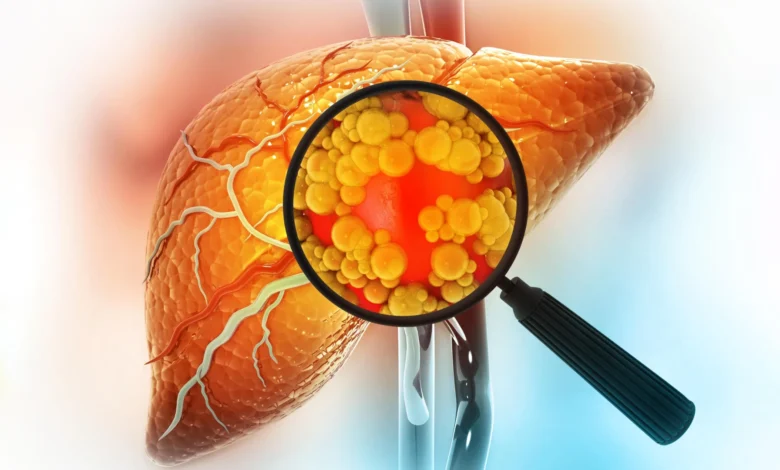
Metabolic dysfunction-associated steatotic liver disease (MASLD), formerly known as non-alcoholic fatty liver disease (NAFLD), has emerged as a significant global health crisis, currently affecting approximately 40% of the adult male population worldwide. As the prevalence of metabolic syndrome, obesity, and type 2 diabetes continues to climb, researchers are increasingly focused on the intersection of hormonal health and dietary habits. A groundbreaking study conducted by a team at the Graduate School of Agriculture has unveiled a critical, previously misunderstood mechanism: the synergistic relationship between reduced testosterone levels and high fructose consumption in the exacerbation of fatty liver disease.
The Growing Burden of MASLD
The progression of MASLD begins with hepatic steatosis—the accumulation of excess fat within the liver cells. While historically linked to alcohol consumption, the modern iteration of this disease is largely driven by metabolic disturbances. The condition is a silent epidemic; in its early stages, it often presents without overt symptoms, yet it serves as a precursor to more severe conditions, including non-alcoholic steatohepatitis (NASH), liver fibrosis, cirrhosis, and ultimately, hepatocellular carcinoma.
Global health authorities, including the World Health Organization and various hepatology societies, have noted that the rise of processed foods, particularly those high in high-fructose corn syrup, correlates directly with the rising incidence of MASLD. When combined with the demographic trend of declining testosterone levels in aging male populations, the physiological landscape for liver dysfunction becomes increasingly complex. Until now, however, the specific molecular interaction between these hormonal and dietary factors remained largely opaque.
Chronology of the Research
The study, led by graduate student Hiroki Takahashi and Associate Professor Naoki Harada, was designed to parse out the individual versus the combined impacts of testosterone deficiency and dietary sugar. The research process followed a rigorous experimental timeline:
- Subject Selection and Preparation: Researchers utilized eight-week-old male mice, providing a controlled environment to observe metabolic changes over a set duration.
- Experimental Stratification: The mice were divided into six distinct cohorts. One set underwent surgical castration to induce low testosterone levels, while the control group underwent a sham procedure. These were then cross-categorized by diet—standard versus high-fructose—and further segmented by the administration of antibiotics to observe the role of the gut microbiome.
- Multi-Omic Analysis: Upon completion of the trial, the team performed a comprehensive analysis of liver tissues, blood plasma, cecum organic acids, and gut microbial composition.
- Cellular Validation: Following the observation of liver weight increases in the castrated, fructose-fed group, the team isolated primary hepatocytes (liver cells) to confirm the specific chemical pathways involved in fat accumulation.
The Data Behind the Discovery
The quantitative data emerging from this study provided a stark illustration of biological synergy. When researchers examined low testosterone and fructose intake as isolated variables, the impact on liver triglyceride levels was relatively modest. However, the data shifted dramatically when the two factors were combined.
In the cohort that experienced both reduced testosterone and a high-fructose diet, the researchers observed a statistically significant increase in liver weight and lipid accumulation compared to any other group. Perhaps most revealing was the impact of antibiotic treatment. When antibiotics were administered, the increase in liver weight was significantly blunted, providing a smoking gun for the involvement of the gut microbiome.
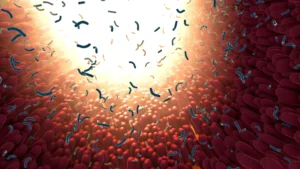
The analysis revealed that the combination of low testosterone and fructose significantly altered the composition of the gut microbiota. This dysbiosis appeared to trigger an increase in the production of pyruvate within the intestine. Pyruvate, a key intermediate in cellular energy metabolism, was found to act as a catalyst. When it reached the liver, it worked in tandem with fructose to accelerate the conversion of metabolic substrates into neutral lipids, which then deposited within the liver cells.
Expert Insights and Mechanism Breakdown
"Upon examining this mechanism, we found that changes in the gut microbiota led to increased levels of pyruvate within the intestine," explained Hiroki Takahashi. "Furthermore, experiments using mouse-derived primary hepatocytes revealed that pyruvate acts synergistically with fructose to promote neutral lipid accumulation in hepatocytes."
This mechanism provides a novel explanation for why traditional dietary interventions—such as simply cutting sugar—may yield inconsistent results in men with hormonal imbalances. If the gut-liver axis is fundamentally altered by low testosterone, the liver may remain hypersensitive to fructose, creating a "metabolic trap" that persists despite modest lifestyle changes.
The implications for clinical practice are substantial. By identifying pyruvate as a key metabolic mediator, the study opens the door for targeted pharmacological interventions. Rather than merely managing symptoms, future therapies might focus on modulating the gut microbiome or inhibiting the specific pathways through which pyruvate promotes lipid storage.
Broader Impact and Future Directions
The publication of these findings in the American Journal of Physiology-Endocrinology and Metabolism marks a pivotal shift in how clinicians might view the relationship between endocrinology and hepatology. As Associate Professor Naoki Harada noted, the goal is to leverage this understanding to "pioneer the development of therapeutic drugs and the establishment of preventive methods through dietary interventions."
The broader impact of this research is twofold. First, it highlights the necessity of a holistic approach to patient health. Men presenting with metabolic issues, including elevated liver enzymes or ultrasound evidence of fatty liver, should potentially be screened for testosterone deficiency. Conversely, patients undergoing androgen deprivation therapy—common in certain cancer treatments—may require more stringent dietary oversight regarding fructose intake to mitigate the risk of secondary liver damage.
Second, the study reinforces the growing body of evidence that the gut microbiome is not merely a bystander in metabolic disease but an active participant. The fact that antibiotics could partially negate the effects of the fructose-testosterone combination suggests that microbiome-based therapies, such as targeted prebiotics or probiotics, could serve as powerful adjunctive treatments for MASLD.
Limitations and Clinical Reality
While the results are compelling, the research team remains cautious. The study was conducted in a murine model, and while mouse physiology often mirrors human metabolic pathways, the complexity of the human diet and the diversity of the human microbiome necessitate further clinical trials. Furthermore, the use of castration as a model for testosterone deficiency is an extreme physiological intervention, and further study is required to see if naturally occurring age-related testosterone decline produces the same magnitude of hepatic sensitivity to fructose.
Nonetheless, the research provides a clear roadmap for future longitudinal studies in humans. As the medical community grapples with the rising costs and complications of metabolic disease, identifying these "hidden" drivers of fat accumulation is essential. The interaction between hormonal status and dietary substrates represents a sophisticated frontier in metabolic medicine, one that moves beyond simple caloric counting and into the nuanced world of molecular signaling and microbial regulation.
As the findings gain traction, they are likely to influence nutritional guidelines for men, particularly those entering middle age. Reducing the intake of high-fructose corn syrup and processed sugars is no longer just a recommendation for weight loss; it is increasingly becoming a clinical imperative for protecting liver function, especially in the context of shifting hormonal profiles. For researchers and physicians alike, the work of Takahashi and Harada serves as a vital reminder that in the human body, no organ or system operates in isolation, and the most effective treatments will be those that address the body’s interconnected regulatory systems.