Thailand Considers Overhauling Khao San Road Nightlife Regulations to Combat Corruption and Extend Operating Hours


The Thai government is currently spearheading a strategic initiative to modernize the regulatory framework governing nightlife venues along the iconic Khao San Road and the adjacent Rambuttri Road in Bangkok. This ambitious project, spearheaded by the Minister attached to the Prime Minister’s Office, Paradorn Prissananantakul, aims to address long-standing legal ambiguities, mitigate systemic corruption, and potentially extend operating hours for businesses that currently struggle under outdated zoning mandates.
The proposed pilot project represents a pivotal shift in how the Thai capital manages its vibrant, yet often legally complex, tourism corridors. By transitioning from a punitive enforcement model to one focused on standardized compliance, the government hopes to revitalize the local economy while ensuring public safety and order.
A History of Regulatory Gray Areas
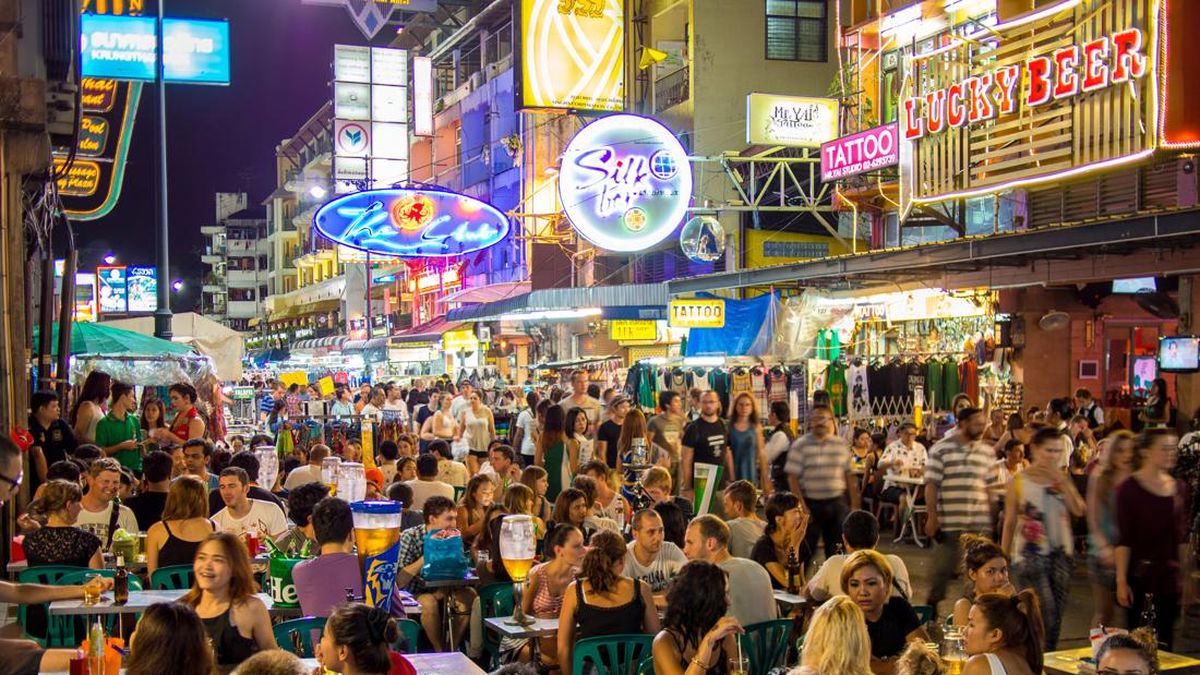
For decades, Khao San Road has stood as a global landmark for backpackers and international tourists, serving as a pulse point for Bangkok’s tourism sector. Despite its international prominence, the area has historically existed in a legal paradox. Under the current Entertainment Places Act, much of the nightlife in the area does not technically fall under the "official" nightlife zone designation.
Because of this zoning discrepancy, many establishments have been forced to register as restaurants rather than entertainment venues. This classification imposes significant restrictions on operating hours, often requiring them to cease alcohol service or close their doors well before the peak of the night. This mismatch between the legal status of the businesses and the reality of their operations has created a fertile ground for "under-the-table" payments.
Recent investigations by the Ministry of Interior revealed that various establishments have been paying bribes to local officials to overlook violations of operating hours and zoning restrictions. These findings acted as a catalyst for the current reform movement. The government acknowledges that when regulations are fundamentally disconnected from the operational realities of a district, the result is not compliance, but rather a shadow economy characterized by rent-seeking and corruption.
Chronology of the Reform Initiative
The move toward formalization began accelerating in late October 2024. On Friday, October 30, Paradorn Prissananantakul convened a high-level meeting involving the Bangkok Metropolitan Administration (BMA), the Royal Thai Police, and representatives from the Ministry of Interior.
The meeting established a roadmap for the "Khao San Model," which aims to transition the area from an informal nightlife hub to a regulated, high-standard tourist destination. Key milestones in this process include:
- Data Harmonization: The government is currently centralizing the records of every establishment in the vicinity. Currently, different government departments hold disparate data sets, which has historically hindered effective oversight.
- Risk Assessment Implementation: Authorities are moving toward a "color-coded" system to classify businesses based on safety and compliance risks. This will allow for tiered oversight, where compliant businesses are rewarded with more operational flexibility.
- Legislative Review: The Ministry is preparing a formal review of the Entertainment Places Act to redefine how entertainment zones are designated in high-density tourist areas.
- Public Consultation: Before the pilot is fully launched, the government has pledged to conduct a series of town halls with local residents and business owners to balance the economic benefits of tourism with the quality of life for the surrounding community.
Economic Implications and Worker Welfare
The economic significance of Khao San Road cannot be overstated. During the pre-pandemic era, the area contributed billions of baht to the local economy annually. However, the regulatory constraints have stifled the recovery of this sector.
Proponents of the reform, including representatives from the local business association, argue that the extension of operating hours is not merely about selling more alcohol; it is about sustaining an ecosystem of workers. Musicians, street performers, waitstaff, and logistics providers have all suffered from the intermittent enforcement of "closing times." When an establishment is forced to close at midnight, the entire supply chain—from street food vendors to transport services—experiences a sharp drop in income.
By legalizing later operating hours, the government intends to bring these workers into the formal labor market. Providing them with legal, predictable hours of operation will improve their access to social security, fair wages, and safer working conditions.
Addressing Safety and Noise Pollution
A central pillar of the new proposal is the refinement of the complaint mechanism regarding noise pollution. One of the primary contentions from local residents has been the lack of a clear, actionable path to report excessive noise.
The government intends to implement a digital portal where noise complaints can be logged and tracked by the BMA in real-time. This ensures that the responsibility for noise control is shifted from the business owner’s relationship with individual officers to a standardized, data-driven enforcement system.
Furthermore, all businesses seeking to operate beyond traditional hours will be required to undergo a rigorous safety audit. This includes fire safety, structural integrity, and crowd management plans. Establishments that fail to meet these stringent standards will not be permitted to participate in the extended-hour program, regardless of their location.
A Broader Strategic Shift
The initiative in Khao San Road is viewed by analysts as a litmus test for Thailand’s broader tourism policy. The "Amazing Thailand" campaign, which aims to boost visitor spending, relies heavily on the quality and accessibility of nightlife. If the pilot project succeeds in reducing corruption while increasing the tax base through legalized, extended hours, the government is likely to roll out similar frameworks in other major tourist hubs like Phuket, Pattaya, and Chiang Mai.
However, the path forward is not without challenges. Critics warn that the government must be vigilant to ensure that the "color-coded" system does not become a new mechanism for favoritism. Furthermore, the balance between the interests of the nightlife industry and the needs of the local residential population remains a delicate political tightrope.
Conclusion and Future Outlook
The Thai government’s decision to reconsider the operational status of Khao San Road is a pragmatic acknowledgement that outdated laws are often the primary driver of the very corruption they are intended to prevent. By bringing the informal economy into the light of regulatory oversight, the government hopes to create a more resilient, safer, and more profitable environment for both business owners and tourists.
As the pilot project moves into its next phase, the eyes of the international tourism industry will be on Bangkok. If the government can successfully demonstrate that regulation, rather than restriction, leads to better outcomes, the transformation of Khao San Road could serve as a model for urban governance in rapidly developing tourism economies worldwide.
For now, the focus remains on data collection and stakeholder engagement. The coming months will determine whether this reform will result in a more prosperous, transparent era for one of the world’s most famous streets, or if the deeply entrenched interests will prove too resistant to change. The government’s commitment to reviewing the Entertainment Places Act and establishing royal decrees to protect designated zones suggests a long-term vision that extends far beyond a simple change in closing times.
Related posts: