Surabaya Government Reintroduces Educational Historical Tours via SSCT Bus for November 2026 Heroic Days Commemoration

The Surabaya City Government has officially announced the revival of its highly anticipated educational historical tour program, the Surabaya Sightseeing and City Tour (SSCT), scheduled to operate throughout November 2026. This initiative is strategically aligned with the commemoration of "Surabaya Heroic Days," a month-long tribute to the city’s pivotal role in the Indonesian National Revolution. By utilizing the iconic SSCT buses, the municipal government aims to bridge the gap between historical awareness and modern urban tourism, offering residents and visitors an immersive journey through the sites where the battle for independence was fought and won.
The program, which spans from November 6 to November 29, 2026, is structured as a series of curated itineraries running every Friday, Saturday, and Sunday. With two departure sessions offered daily, the city administration has designed this project to accommodate a diverse range of participants, including students, history enthusiasts, and domestic and international tourists. All excursions commence and conclude at the historic Alun-alun Surabaya (Surabaya Square) at Balai Pemuda, located on Jalan Gubernur Suryo No. 15, serving as a symbolic gateway to the city’s colonial and revolutionary past.
A Chronology of Heroic Significance
The selection of November as the focal point for this program is rooted in the deep historical significance of the month for the city of Surabaya. Known globally as the "City of Heroes," Surabaya became the epicenter of resistance against Allied forces in late 1945. The Battle of Surabaya, which reached its zenith on November 10, 1945, remains the bloodiest and most significant battle of the Indonesian National Revolution.
By integrating specific landmarks into the SSCT routes, the government is providing a chronological narrative of these events. The Friday itineraries, for instance, focus on the intellectual and foundational aspects of the independence movement. The visit to the Gedung Nasional Indonesia (GNI) highlights the role of early nationalist movements, while the focus on the "Kota Lama" (Old City) area provides context on the administrative structures that the revolutionary forces sought to reclaim from colonial authorities.
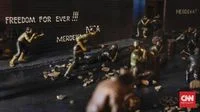
Saturday itineraries shift the narrative toward the military and symbolic aspects of the struggle. Visits to the Tugu Pahlawan (Heroes Monument) and the Museum 10 Nopember serve as the educational core of the program, where visitors can engage with artifacts and dioramas that document the sacrifice of local militias and the civilian population during the conflict. The inclusion of the SMAK St. Louis 1 building and the Wismilak building reminds participants of how civilian infrastructure was repurposed during the tactical maneuvers of the 1945 resistance.
Sunday’s sessions offer a cultural and political perspective. The visit to the Rumah Lahir Bung Karno (the birthplace of Indonesia’s first President, Sukarno) allows participants to understand the ideological origins of the nation. Furthermore, the inclusion of sites like the former Domei News Agency (now a PT PELNI building) underscores the importance of propaganda and information warfare during the revolution, as it was from this location that the news of Indonesia’s declaration of independence was disseminated to the world.
Logistics, Tariff, and Operational Procedures
The accessibility of the SSCT program remains a priority for the Surabaya municipal authorities. The ticket price is set at a nominal fee of IDR 10,000 per person, a strategic decision designed to ensure that historical education remains affordable for the general public, particularly students.
To modernize the experience and ensure efficient crowd management, the government has transitioned to a fully digital booking system. Interested participants are required to register through the official portal at tiketwisata.surabaya.go.id. The system opens for bookings at 09:00 WIB exactly one day prior to the intended date of travel. This "H-1" booking policy is designed to prevent overselling and allow for real-time adjustments based on demand.
There are specific financial considerations for certain sites. While the bus tour fee is inclusive of most experiences, the Museum 10 Nopember, visited on Saturday afternoons, requires additional entrance fees:
- Students (Non-Surabaya residents): IDR 3,000
- General Indonesian Citizens (WNI): IDR 8,000
- International Tourists (WNA): IDR 15,000
Participants are required to arrive at the Ruang Pusat Informasi Pariwisata in the Alun-alun Surabaya area at least 30 minutes prior to departure for mandatory check-in and e-ticket validation. The government has implemented strict policies regarding attendance; tickets are non-refundable, and schedule changes are not permitted, reflecting the logistical complexity of coordinating city-wide traffic and site access during the busy month of November.
Socio-Economic and Educational Implications
The reintroduction of the SSCT program carries broader implications for Surabaya’s tourism and educational landscape. Analysts suggest that such programs do more than just provide entertainment; they foster a sense of collective identity and civic pride. By physically moving participants through the city’s landscape, the program creates a "living classroom" that is significantly more effective at retaining historical interest than traditional classroom lectures.
From an economic perspective, the program serves as a catalyst for urban renewal. By directing foot traffic to areas like the Old City and the vicinity of the Heroes Monument, the government encourages local entrepreneurship and supports the maintenance of historic buildings. The ongoing revitalization of the Museum dr. Soetomo at the GNI complex, despite limiting current access to the interior, signals the city’s long-term commitment to preserving its architectural heritage.
Furthermore, the program addresses a critical need for structured tourism in Indonesia’s secondary cities. As Surabaya continues to position itself as a hub for MICE (Meetings, Incentives, Conferences, and Exhibitions) and historical tourism, the SSCT acts as a flagship product that distinguishes the city from other regional destinations.
Official Stance and Community Engagement
While the municipal government has not issued a formal press conference for the 2026 iteration, the program is widely viewed by local urban planners as an extension of the city’s "Smart City" initiatives. By utilizing a digital-first approach to manage a traditional heritage-based tour, the government demonstrates a balance between technological integration and historical preservation.
Educational institutions in Surabaya have already expressed support for the initiative. Many local schools have indicated their intention to utilize the Friday sessions as part of their extracurricular history curriculum. The requirement for modest and respectful attire for the Sunday sessions—specifically for the visits to the Masjid Kemayoran and the birthplace of Bung Karno—highlights the program’s role in promoting local customs and respectful tourism behavior.
Conclusion and Outlook
As the city approaches the November 2026 commemorative season, the SSCT program stands as a testament to Surabaya’s resilience and its commitment to honoring its past. Through a combination of low-cost access, historical accuracy, and efficient digital infrastructure, the program ensures that the sacrifices made by the city’s ancestors remain relevant to the generations of today.
For those planning to participate, the strict adherence to the, "no return, no exchange" policy and the early booking requirement are essential to keep in mind. As the city continues to navigate the complexities of heritage tourism, the SSCT remains the most comprehensive, government-sanctioned method for citizens and visitors alike to traverse the streets of the City of Heroes and understand the true weight of the independence they enjoy today. The program not only preserves the memory of 1945 but also ensures that the narrative of the Indonesian struggle remains a living, breathing part of the urban experience.