A Rising Star Makes Her Mark in the Buck Institute’s Mass Spectrometry Center and Proteomics Core

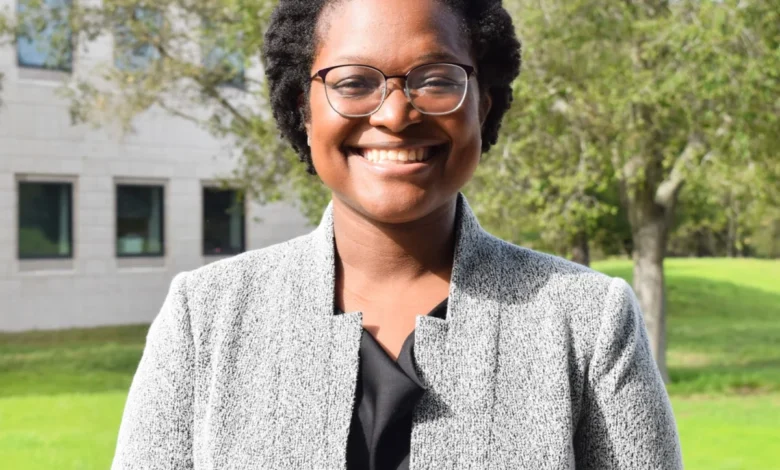
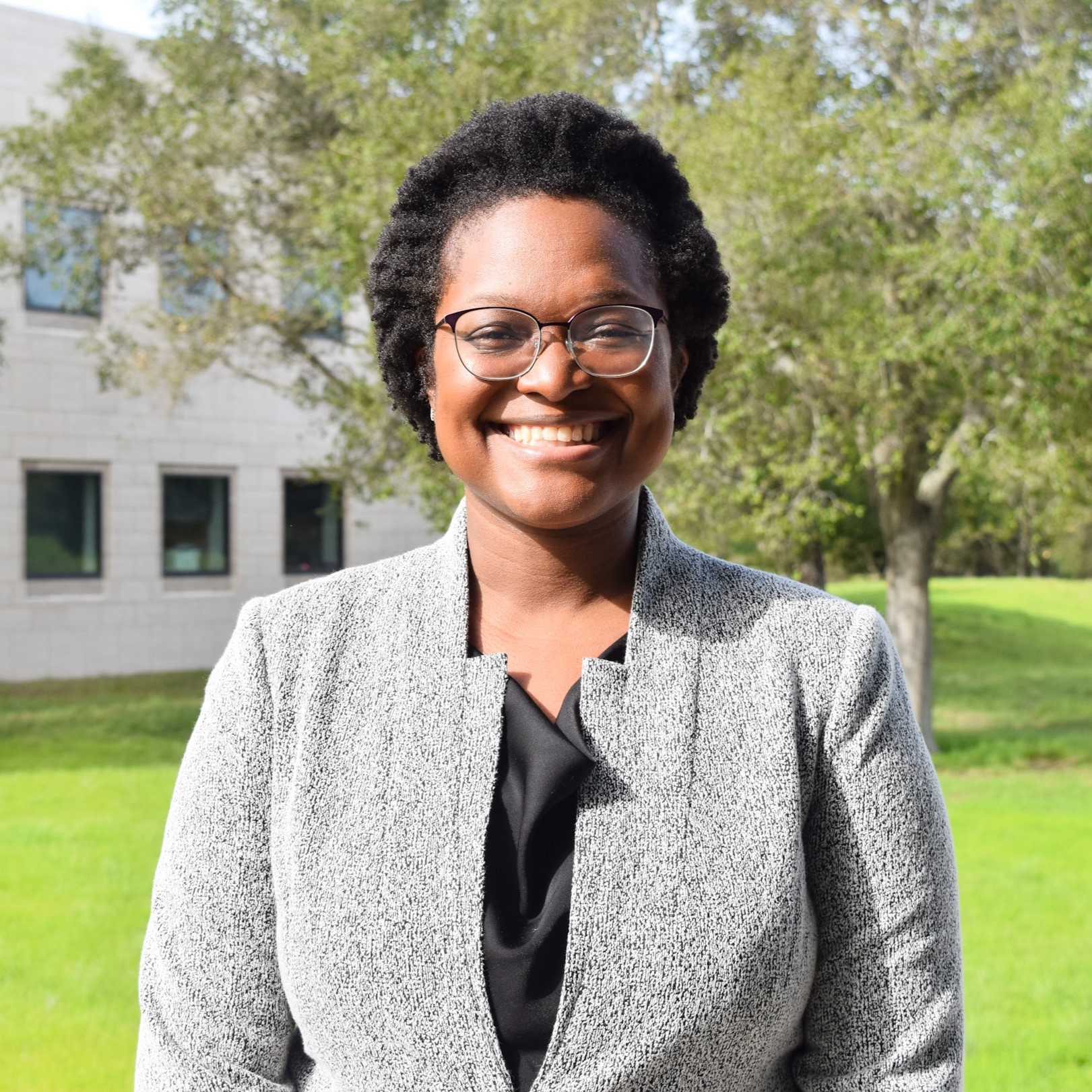
Christina King, the associate director of the Buck Institute’s Mass Spectrometry Center and Proteomics Core, recently received significant recognition for her pioneering work in the field of proteomics. Her selection as a "2024 Rising Star" by the Journal of Proteome Research highlights her exceptional contributions and promising future in the intricate disciplines of proteomics and metabolomics. This prestigious acknowledgment underscores King’s innovative approach and her ability to translate complex scientific endeavors into relatable concepts, even for those outside the scientific community. The Journal of Proteome Research, a leading publication in its domain, bestows this honor upon a select group of early-career scientists who demonstrate outstanding originality and profound potential to shape the future of their respective fields. This award signifies a critical juncture in King’s career, positioning her as a key figure in advancing our understanding of the molecular underpinnings of aging and age-related diseases.
A Dedication to Unraveling the Molecular Landscape of Aging
King’s research at the Buck Institute is centered on understanding how proteins, the workhorses of our cells, change under various conditions related to aging. This fundamental inquiry has far-reaching implications for developing targeted interventions to improve healthspan and mitigate the effects of age-related decline. When asked to articulate her work to non-scientific audiences, King employs an accessible analogy: "I tell them I’m interested in studying how proteins change in various conditions related to aging." This simple yet effective explanation opens the door to more specific discussions, such as her research on Alzheimer’s disease or, more recently, reproductive aging. "Once I say things like, ‘Oh, I’ve studied Alzheimer’s,’ or more recently, reproductive aging, people are really interested because they can relate for different reasons," King explains. Her enthusiasm for the sophisticated instrumentation she utilizes further humanizes her scientific passion: "I also just tell people I use a lot of cool instrumentation to study what’s going on with someone who may be younger versus someone who’s older. I’m such an instrument geek!" This blend of accessible explanation and genuine excitement for her tools of the trade makes her work relatable and engaging.
A Journey to the Buck Institute and the Frontlines of Aging Research
King’s path to the Buck Institute is a testament to her strategic career development and her alignment with institutions at the forefront of aging research. She arrived at the Buck in December 2020, during the unprecedented challenges of the COVID-19 pandemic lockdown, having completed her postdoctoral training at Vanderbilt University. At Vanderbilt, she applied proteomic techniques to investigate the complex relationship between hypertension and the onset of Alzheimer’s disease, with a particular focus on African Americans. Her doctoral research provided a strong foundation in proteomic analysis and its application to neurodegenerative diseases.
"I was looking for a science position that would allow me to utilize my proteomic expertise in studies involving aging or neurodegenerative disease," King stated. Her search led her to the Buck Institute, where Professor Birgit Schilling, director of the Mass Spectrometry Center and Proteomics Core, was seeking a staff scientist. The opportunity to work under Schilling’s direction and within a leading aging research institution presented a compelling prospect. "After meeting her and the Schilling team, I decided this position would be a great opportunity, so I accepted the position," King recalled. Her initial onboarding, however, coincided with a period of significant disruption. "I arrived in December 2020, in the midst of the Covid lockdown, which was a pretty strange time to start a job that is normally so collaborative in nature," she noted, highlighting the unique circumstances of her early tenure.
The Electrifying Environment of Collaborative Aging Science
Despite the initial challenges posed by the pandemic, King found the Buck Institute to be an exceptionally stimulating and collaborative environment. As the institute gradually transitioned away from lockdown restrictions, the opportunities for in-person interactions and scientific exchange became apparent. "I was ecstatic when we were able to move away from that lockdown stage and have in-person events and meetings again, because I was able to see the different communities for trainees and all the collaborative projects underway," King shared. She describes the Buck as "an electrifying place, where there’s lots of opportunities to meet people. And if you want to grow, there’s opportunities for you move forward in that regard."
The institute’s interdisciplinary approach is a key factor in its success. King observed, "I was able to see how well people work together. I was able to see how well the projects integrate with each other, and how having this interdisciplinary focus really enriches the work. Because you can have different points of view and then you also have different expertise that really elevates a lot of projects." This collaborative ethos fosters a dynamic research ecosystem where diverse perspectives and specialized knowledge converge to drive innovation. King’s personal growth within this environment is evident: "I’ve had some really great opportunities here. I think the Buck is a great place, and I see why we’re soaring."
Pioneering Research in Reproductive Aging and Racial Disparities
Among the many compelling research avenues at the Buck Institute, King has developed a particular passion for the ongoing work in the reproductive aging program. This area of research is crucial for understanding the biological processes that accompany female aging, including the menopausal transition and its associated health implications. Her involvement in projects examining reproductive aging in both physiological models and human populations has yielded significant insights.
"I’ve really taken an interest in the work that we’ve been doing in our reproductive aging program," King stated. She has had the opportunity to contribute to projects investigating reproductive aging in a mouse model, providing a controlled environment for studying the molecular changes associated with this process. Furthermore, her research extends to human studies, specifically examining "racial disparities in the post-menopausal human ovary." This focus on diverse populations is vital for ensuring that scientific findings are broadly applicable and address health inequities.
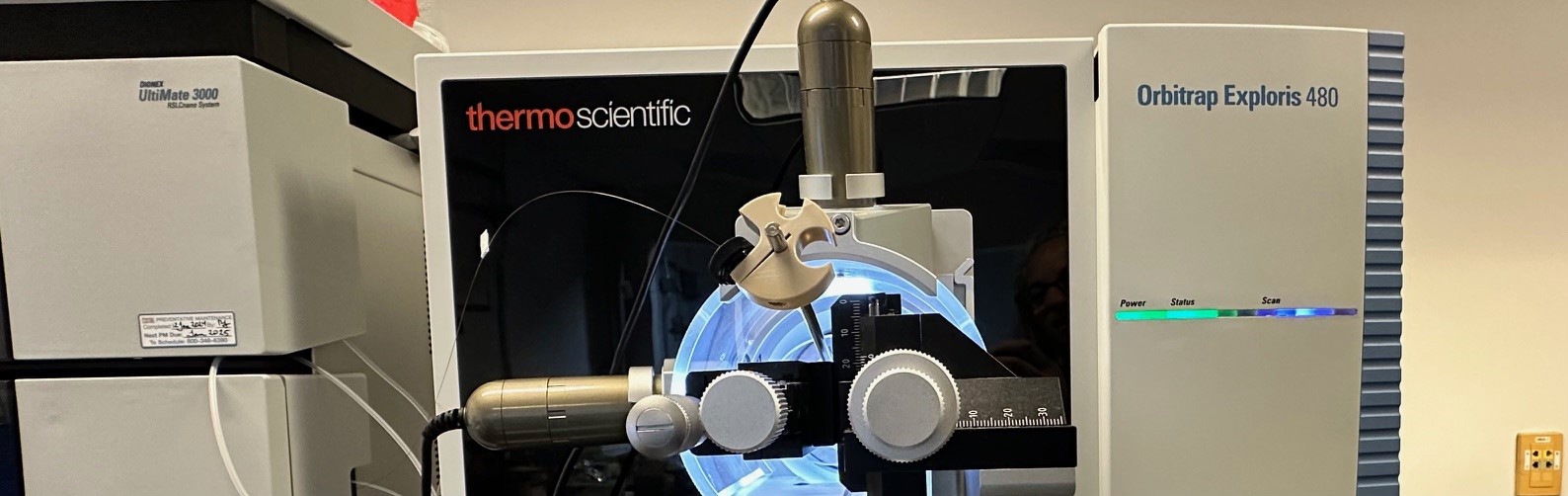
The core of King’s excitement lies in the application of advanced proteomic techniques. "I love working with the various instruments in the Core. It’s really exciting to get fresh data and then dive into the weeds to see what it all means," she expressed. The ability to generate novel data and then meticulously analyze it to uncover meaningful biological patterns is a driving force behind her research. Her collaborative work with numerous labs at the Buck has also broadened her understanding of the multifaceted challenges of aging. "Since we collaborate with so many labs at the Buck, I have had the opportunity to gain a deeper understanding of the types of aging and aging-related problems being investigated here."
An Unexpected Path from Arts to Science
King’s journey into the scientific realm is not a linear progression from an early, unwavering commitment to STEM. In fact, she initially identified more with the arts. "I feel like I was more of an arts kid, actually," she confessed. Her childhood aspirations leaned towards education, and she was deeply involved in music and outdoor activities. "I was a choir kid, so I sang all the way through high school. I was also a Girl Scout, so I can pretty much do any craft you can think of. I was very outdoorsy for someone growing up in Houston. We would go camping a lot." While she enjoyed science, it did not capture her full attention at that stage. "I liked science, but it didn’t grab my attention," she admitted. She also noted the societal context of her youth: "Unfortunately, a lot of girls were not encouraged to engage in STEM-related activities. That’s changing though." Thankfully, her parents provided a supportive environment, allowing her to explore her interests without pressure. "Thankfully my parents let me discover myself. They never tried to push me in one direction or the other."
The Transformative Power of Organic Chemistry
Despite her initial leanings towards the arts, King pursued a bachelor’s degree in science, initially intending to study biology and teach. A pivotal shift occurred during her undergraduate studies when she considered medical school, which led her to delve deeper into chemistry. It was organic chemistry that proved to be a turning point. "Organic chemistry was a game changer for me because I really liked the distillation experiments, and we distilled some type of esters that essentially made bubble gum," she recalled with a smile. This tangible and engaging experience sparked a profound interest in the field. "I thought that was really neat. And so that is why I switched to chemistry which gave me a lot of career opportunities." This experience underscores the importance of hands-on learning and finding connections between abstract scientific principles and relatable outcomes.
Mentorship and the Importance of Inclusivity in STEM
The influence of mentors has been instrumental in shaping King’s career trajectory. She acknowledges the impact of female scientists in mass spectrometry, whose journeys have served as inspiration. However, she particularly emphasizes the profound influence of her PhD advisor, Dr. Renée Robinson, at Vanderbilt University. Dr. Robinson’s guidance and support provided King with a crucial blueprint for navigating a career in STEM as a Black woman.
"I would be remiss not to acknowledge my PhD advisor, Dr. Renée Robinson," King stated. "She’s been an excellent example of what it’s like to be a black woman in STEM." Dr. Robinson’s mentorship created an environment where King could focus on her scientific pursuits without the added burden of navigating potential systemic barriers. "She allowed me to really focus on my science and avoid some of the issues that some black graduate students experience. I was fortunate that she shielded me from those things." King elaborated on the significance of this protection: "Some people experience microaggressions, macroaggressions, but I never had to worry about someone saying like, ‘Oh, maybe you shouldn’t wear your hair like this (e.g., braids or an afro) at a conference.’ Or be concerned with people harping on how I speak or how I present myself. I really was allowed to be a scientist, and I think it’s because Dr. Robinson really protected me." This experience highlights the critical role of inclusive leadership in fostering diverse talent within scientific communities.
King’s initial attraction to Dr. Robinson’s lab was rooted in a shared interest in aging research. "What drew me to her lab was that she was working on aging. And I was like, ‘Well, I think older people are really wise, and I have a lot of respect for them, and I want them to live the best they can.’" This inherent respect for the aging population and a desire to contribute to their well-being fueled her commitment to the field. The utilization of mass spectrometry as a tool to investigate aging further solidified her path. "So I think I had more of an attitude like, ‘Oh, these projects will help the older population. And she’s using mass spectrometry as a tool to study that.’ So those projects are what really got me in the door to this exciting field."
Beyond the Lab: The Strategic Discipline of Bouldering
When not immersed in the complexities of proteomics, King prioritizes rest and has discovered a new passion that complements her scientific endeavors: bouldering. "I rest. Rest is so important. That’s what I’ve learned," she emphasized, recognizing the crucial role of recovery in maintaining performance. "But I’ve actually picked up climbing. I’ve been doing this for a few months now."
Bouldering, a form of rock climbing performed on short walls without ropes, has become more than just a physical activity for King. It has become a mental training ground. "What I really like about bouldering is that you have to use critical thinking skills to identify which route you should use to reach the top of the wall," she explained. The focus required during a climb directly translates to her scientific work. "When you’re on the wall, you can’t think about other things or else you’ll fall. Right? So, it’s really helped me in terms of just being really intentional about what steps I want to take." This disciplined approach to problem-solving, honed on the climbing wall, undoubtedly informs her meticulous analysis of proteomic data and her strategic planning of research projects. King’s recognition as a "Rising Star" is not just a testament to her current achievements but also a beacon of her future potential to significantly advance the understanding of aging through the powerful lens of proteomics.
Related posts: