World Health Organization Calls for Urgent Integration of Mental Health Care in NTD Elimination Efforts Amidst Funding Crisis

On the occasion of World Neglected Tropical Diseases (NTDs) Day, the World Health Organization (WHO) issued a stark warning regarding the pervasive and often invisible suffering endured by millions afflicted by NTDs. The organization highlighted how discrimination, profound social stigma, and untreated mental health conditions exacerbate the physical burdens of these diseases. Under the unified banner of "Unite. Act. Eliminate.," the WHO and its global partners have intensified their plea for governments worldwide to systematically integrate mental health care into broader NTD elimination strategies, emphasizing the moral imperative to leave no individual behind in a state of pain or isolation. This year’s commemoration serves as a critical juncture, celebrating historic gains in disease elimination while simultaneously sounding an alarm over a precipitous decline in funding that threatens to unravel decades of hard-won progress.
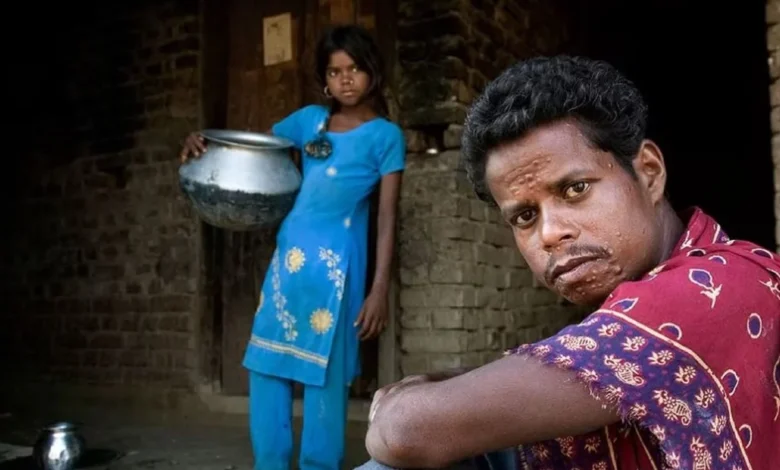
More than one billion people globally are currently grappling with NTDs, a figure eerily mirrored by the number of individuals experiencing mental health conditions. The intersection of these two global health challenges creates a complex web of suffering, particularly for those whose NTDs lead to visible physical impairments or disfigurement. Conditions such as cutaneous leishmaniasis, leprosy, lymphatic filariasis, mycetoma, and noma, while distinct in their pathology, share a common devastating consequence: they often trigger intense stigma and discrimination. Leprosy, for instance, has historically been associated with social ostracization, a legacy that persists despite the disease being treatable and curable. Lymphatic filariasis, commonly known as elephantiasis, causes severe swelling and disfigurement of limbs and other body parts, leading to profound psychological distress and social exclusion. Noma, a rapidly progressing gangrenous infection of the face, predominantly affecting young children in impoverished areas, leaves survivors with severe facial disfigurement, impacting their ability to eat, speak, and integrate socially.
Misconceptions surrounding contagion and infection further deepen the chasm of stigma, perpetuating discrimination and profound social exclusion. Communities often react with fear and misunderstanding, leading to isolation that compounds the physical discomfort of the disease. Individuals living with chronic NTDs experience significantly higher rates of depression, anxiety, and suicidal idehaviours when compared to both the general population and those managing other chronic health conditions. This elevated mental health burden is a critical, yet frequently overlooked, aspect of NTD management. Disturbingly, a vast majority of those affected do not receive the essential care and support they desperately need within their own communities, leaving them to navigate a dual struggle against both disease and despair.
Dr. Tedros Adhanom Ghebreyesus, the Director-General of the WHO, underscored the profound human element at stake. "The fight against neglected tropical diseases is not only a fight against pathogens, it’s a fight against the profound human suffering they cause," Dr. Tedros stated. "True elimination means freeing people not only from the disease, but from the shame, isolation, and despair that too often accompany it." His words resonate with the growing understanding that public health interventions must extend beyond mere biomedical treatment to encompass the holistic well-being of the individual.
WHO’s Groundbreaking Response: Integrating Mental Health Care into NTD Strategies
Recognizing this urgent and critical gap in care, the WHO recently launched its first-ever global guide titled "Essential care package (ECP) to address mental health and stigma for persons with neglected tropical diseases." This landmark publication represents a significant stride forward in global health policy, providing health service leaders with a comprehensive summary of evidence-based interventions specifically designed to mitigate the mental health consequences and combat the pervasive stigma associated with NTDs.
The ECP guide is a practical tool intended to empower healthcare systems to implement integrated approaches. It outlines strategies for identifying mental health conditions among NTD patients, providing appropriate psychological support, and fostering community-based care models that reduce isolation. Key interventions detailed within the guide likely include:
- Screening and Assessment: Tools and protocols for frontline health workers to identify common mental health disorders such as depression, anxiety, and post-traumatic stress disorder (PTSD) among individuals affected by NTDs.
- Psychological First Aid and Basic Counselling: Training for healthcare providers and community volunteers to offer immediate emotional support and basic counselling techniques.
- Peer Support Networks: Facilitating groups where individuals affected by NTDs can share experiences, provide mutual support, and reduce feelings of isolation.
- Anti-Stigma Campaigns: Developing and implementing public awareness campaigns to challenge misconceptions, promote empathy, and reduce discrimination within communities.
- Referral Pathways: Establishing clear pathways for individuals requiring more specialized mental health care to access appropriate services.
- Capacity Building: Training for a wide range of health professionals, from primary care providers to specialists, on the specific mental health needs of NTD patients.
- Integration into Existing Health Systems: Guidance on how to seamlessly embed mental health services within existing NTD control and elimination programs, ensuring a holistic approach to patient care.
The guide emphasizes that addressing mental health and stigma is not an auxiliary component but an essential pillar of successful NTD elimination, crucial for ensuring equitable access to treatment and fostering dignity for affected populations.
World NTD Day: A Global Campaign for Awareness and Action
World Neglected Tropical Diseases Day, observed annually on January 30th, was officially recognized by the World Health Assembly in 2021. The day serves as a powerful global platform to raise awareness about the devastating impact of NTDs on the world’s poorest and most marginalized communities. It champions the need for greater investment, political commitment, and integrated approaches to achieve the ambitious targets set forth in the WHO’s 2030 roadmap for NTDs. The global campaign, spearheaded by the WHO and a broad coalition of partners including governments, non-governmental organizations, academic institutions, and pharmaceutical companies, consistently highlights that NTDs remain one of the most solvable challenges in global health and, critically, one of the smartest investments. Each year, the campaign spotlights country-led successes and the resilience of affected communities, aiming to inspire renewed commitment and collaboration.
A Decade of Progress: Historic Gains Against Neglected Tropical Diseases
The past decade has witnessed unprecedented progress in the fight against NTDs, a testament to the power of sustained unity and collaborative action. Global efforts have led to a significant reduction in the burden of these diseases, demonstrating that elimination is not merely an aspiration but an achievable reality. The number of people requiring NTD interventions has fallen to a historic low of 1.4 billion, a remarkable achievement given that over a billion people were previously affected. This decline has been accompanied by significant reductions in mortality and morbidity, improving the health and livelihoods of countless individuals.
As of today, an impressive 58 countries have successfully eliminated at least one NTD, showcasing diverse national commitment and effective implementation strategies. These successes put the world firmly on track toward achieving the WHO’s ambitious target of 100 countries eliminating at least one NTD by 2030. Nations spanning continents, from Brazil in South America to Jordan in the Middle East, and from Niger in Africa to Fiji in Oceania, have demonstrated that with political will, sustained funding, and community engagement, elimination is both realistic and attainable. These country-level victories offer invaluable lessons and inspire continued global efforts. For example, countries have achieved elimination of diseases like trachoma, which causes irreversible blindness, and onchocerciasis (river blindness), through mass drug administration campaigns and improved sanitation. The elimination of sleeping sickness (human African trypanosomiasis) in several countries has been a result of enhanced surveillance and targeted treatment.
The Looming Threat: Declining Funding and the Risk of Reversing Progress
Despite these monumental achievements, the future of NTD elimination hangs precariously in the balance. The recently published Global Report on Neglected Tropical Diseases 2025 delivers a sobering assessment: global official development assistance (ODA) specifically allocated for NTDs plummeted by a staggering 41% between 2018 and 2023. This alarming decline in funding directly threatens to reverse the hard-won gains, jeopardizing the health and well-being of billions. The report underscores that without a significant and immediate reversal of this trend, the global community risks losing momentum and allowing these preventable and treatable diseases to regain ground.
This reduction in funding stands in stark contrast to the compelling economic argument for investing in NTD elimination efforts. Numerous studies have consistently demonstrated that such investments yield substantial returns. Specifically, every US$1 invested in preventive chemotherapy, a cornerstone strategy for controlling many NTDs, is estimated to yield an impressive return of approximately US$25. This high return on investment is driven by reduced healthcare costs, increased productivity, and improved quality of life for affected populations. The economic benefits extend beyond individual health, contributing to national development and poverty reduction.
The human and economic cost of inaction is profound. Without renewed and robust action, NTDs will continue to drain more lives and livelihoods, perpetuating cycles of poverty and suffering. Affected families and communities are estimated to incur a staggering US$33 billion annually in lost wages and out-of-pocket medical expenses. This immense financial burden pushes vulnerable households deeper into poverty, preventing children from attending school, adults from working, and entire communities from thriving. The implications stretch across generations, entrenching inequality and hindering sustainable development goals.
Socio-Economic Impact and the Cycle of Poverty
The socio-economic impact of NTDs extends far beyond the immediate health burden. These diseases disproportionately affect the poorest populations, trapping them in a vicious cycle of poverty and disease. Children afflicted with NTDs often suffer from malnutrition, impaired cognitive development, and reduced school attendance, severely limiting their educational attainment and future opportunities. Adults experience reduced productivity, disability, and premature death, leading to significant loss of income and increased dependency within families. The visible disfigurement and disability caused by many NTDs can lead to social isolation, discrimination in employment, and barriers to accessing public services, further entrenching poverty.
Women and girls are often disproportionately affected, facing additional layers of stigma and discrimination, particularly for conditions that impact their reproductive health or appearance. The burden of care for family members with chronic NTDs often falls on women, limiting their economic participation and perpetuating gender inequality. The economic strain on households can force families to sell assets, incur debt, or forgo other essential needs like food and education, deepening their vulnerability. The US$33 billion annual cost is not just a statistic; it represents countless individual tragedies, lost futures, and unrealized potential across the globe.
The Path Forward: Renewed Commitment and Integrated Approaches
This World NTD Day serves as an urgent and comprehensive call to action for the global community. It implores stakeholders to safeguard the remarkable progress made over the past decade, mobilize new and sustained funding streams, and foster decisive leadership. Furthermore, it advocates for accelerating innovation in diagnostics, treatments, and vector control, and crucially, for integrating health services – including comprehensive mental health support – into all NTD responses. The campaign actively invites the global community to engage with and explore the inspiring stories of resilience and country-led successes prominently featured on the World Neglected Tropical Diseases Day 2026 page, hoping to ignite further commitment and collaboration.
Achieving the 2030 elimination targets requires a multifaceted and renewed commitment. This includes:
- Increased Financial Investment: Governments, international donors, and philanthropic organizations must reverse the trend of declining ODA and significantly increase funding for NTD programs. This investment is not charity but a strategic decision with high returns.
- Strengthened Political Will: Leaders must prioritize NTD elimination within national health agendas, ensuring robust policies and resource allocation.
- Enhanced Partnerships and Collaboration: The spirit of unity that has driven past successes must be reinvigorated, fostering stronger collaboration between governments, NGOs, research institutions, pharmaceutical companies, and affected communities.
- Innovation and Research: Continued investment in research and development is vital for developing new tools, more effective treatments, and sustainable control strategies.
- Community Engagement: Empowering communities to participate actively in NTD programs, promoting local ownership, and addressing specific cultural and social barriers to care.
- Integration of Services: Moving beyond siloed approaches, integrating NTD programs with broader health systems, including primary healthcare, maternal and child health, and, critically, mental health services. This holistic approach ensures comprehensive care and addresses the intertwined nature of physical and psychological well-being.
The fight against neglected tropical diseases is a testament to humanity’s capacity for collective action and compassion. While significant strides have been made, the current funding crisis and the pervasive issue of mental health and stigma present formidable challenges. The message from the WHO and its partners is unequivocal: to truly eliminate NTDs, the world must unite, act decisively, and ensure that every individual, regardless of their circumstances, is afforded the dignity, care, and support necessary to live a life free from disease, shame, and despair. The potential for a world free from NTDs is within reach, but it demands immediate, sustained, and integrated global effort.
Related posts: