
The Gut-Brain Axis: Unraveling the Link Between Gut Health and Neurodegenerative Diseases


The burgeoning field of microbiome research is casting a new light on the origins of some of the most debilitating neurodegenerative diseases, suggesting that the answer may lie not solely within the brain, but also within the complex ecosystem of the gut. Scientists at the Buck Institute for Research on Aging are at the forefront of this groundbreaking exploration, investigating how the intricate communication network known as the gut-brain axis, and specifically the health of our gastrointestinal microbiome, could be pivotal in the progression of conditions like Parkinson’s disease and Alzheimer’s disease. Postdoctoral researchers Minna Schmidt, PhD, from the Andersen Lab, and Priya Makhijani, PhD, affiliated with both the Andersen and Winer Labs, are spearheading research that delves into the profound impact of gut health on the development and advancement of these age-related neurological disorders.
The Gut’s Silent Influence: A Two-Way Street of Communication
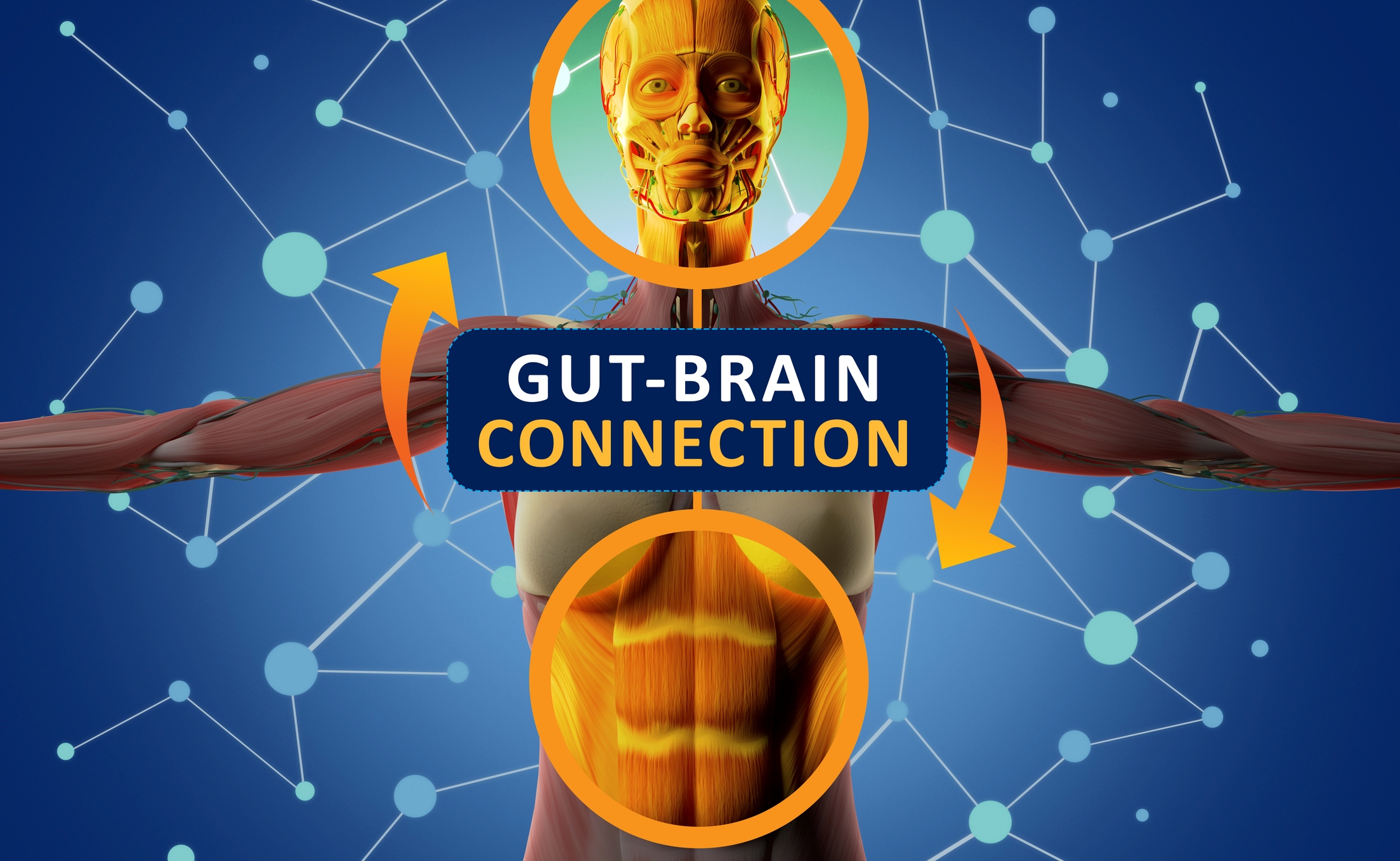
At the heart of this connection is the enteric nervous system, a vast network of neurons embedded within the digestive tract. This system, often referred to as the "second brain," independently regulates digestion and serves as a critical conduit for communication along the gut-brain axis. The health and function of this axis are intrinsically linked to the trillions of microorganisms, colloquially termed "bugs," that reside within our gut. These microbes play a vital role in breaking down food and, in the process, produce a diverse array of chemical compounds known as metabolites. These metabolites can enter the bloodstream, traverse the formidable blood-brain barrier, and exert significant influences on both brain function and overall bodily processes. Furthermore, the gut’s immune cells are instrumental in maintaining a balanced microbiome, which in turn bolsters the systemic immune system’s capacity to ward off disease.
However, this delicate balance can be disrupted. As individuals age or face various disease states, the gut microbiome can experience dysbiosis, a state characterized by a loss of beneficial microbial diversity and an overgrowth of potentially harmful species. This imbalance can manifest as gastrointestinal distress and impair the production of essential nutrients. Crucially, altered gut microbial composition can lead to a shift in the types of metabolites released into the bloodstream, impacting the brain’s chemical environment. Dysbiosis can also trigger immune dysregulation, increasing susceptibility to disease. A particularly concerning consequence is the development of a "leaky gut," where the intestinal barrier’s integrity is compromised, allowing microbes and their byproducts to seep into the bloodstream, initiating a cascade of widespread inflammation throughout the body.
Parkinson’s Disease: A Gut-Initiated Cascade?
The hypothesis that Parkinson’s disease might originate in the gut is gaining considerable traction within the scientific community. Strikingly, many individuals diagnosed with Parkinson’s report experiencing gastrointestinal issues, such as constipation or irritable bowel syndrome, sometimes as long as three decades before the hallmark motor symptoms like tremors and rigidity become apparent. A key pathological feature of Parkinson’s disease is the accumulation of misfolded alpha-synuclein protein within the brain, forming Lewy bodies. The Braak hypothesis, a prominent theory in Parkinson’s research, posits that the aggregation of alpha-synuclein begins in the enteric nervous system of the gut and then travels to the brain via the vagus nerve, a major component of the gut-brain axis, thereby contributing to the disease’s insidious progression.
Dr. Minna Schmidt’s research at the Buck Institute is specifically designed to unravel how alterations in the gut microbiome can influence this detrimental aggregation of alpha-synuclein. Her work focuses on understanding the role of specific bacteria, such as Lactobacillus, which are known to produce lactate. Lactate is a metabolite naturally produced during physical activity, and exercise is well-documented to alleviate certain non-motor symptoms of Parkinson’s disease, though the precise mechanisms remain elusive.
To investigate this connection, Dr. Schmidt employs a genetically modified strain of the microscopic roundworm, C. elegans, a widely used model organism in aging and neuroscience research due to its genetic tractability and short lifespan. Through these studies, she is examining the impact of lactate itself, as well as yogurt containing lactate-producing bacteria, on the harmful clumping of alpha-synuclein in the worm models. Preliminary findings from her laboratory are highly encouraging, suggesting that lactate may indeed inhibit the aggregation of alpha-synuclein, potentially offering a protective effect on neurons in these worm models of Parkinson’s disease. This research opens exciting avenues for the development of novel therapeutic strategies for Parkinson’s, potentially leveraging dietary interventions or probiotic supplements to modulate gut health and mitigate disease progression. The implications of such findings could lead to earlier interventions and improved quality of life for millions affected by this devastating condition.
Alzheimer’s Disease: The Gut Microbiome’s Enigmatic Role
Similar to Parkinson’s disease, a significant subset of individuals with Alzheimer’s disease also report experiencing gastrointestinal disturbances prior to the onset of cognitive decline and memory loss. While the gut’s involvement in Alzheimer’s is less understood than in Parkinson’s, it is emerging as a critical area of investigation. Alzheimer’s disease is characterized by the accumulation of two hallmark protein aggregates in the brain: amyloid-beta plaques and tau tangles. These misfolded proteins trigger an inflammatory response within the brain, leading to neuroinflammation and widespread inflammation throughout the body.
Dr. Priya Makhijani and her colleagues hypothesize that a reduced diversity of the gut microbiome may contribute to Alzheimer’s progression. This imbalance could foster a "leaky gut" scenario, allowing gut microbes and their inflammatory byproducts to enter the bloodstream and subsequently contribute to both systemic and neuroinflammation. This raises a classic "chicken or the egg" conundrum: it remains unclear whether the protein misfolding in the brain initiates the gut dysbiosis and leaky barrier, or if the compromised gut health precedes and contributes to the brain pathology. Current Alzheimer’s research, often relying on mouse models that primarily focus on the disease originating in the brain, may not fully capture the intricate interplay between the gut and the brain.
Dr. Makhijani’s research takes a different approach, focusing on the role of immune cells within the gut and their influence on Alzheimer’s progression. In her studies utilizing genetically modified mice, she has made a remarkable discovery: certain gut-associated immune cells appear to migrate to the dura mater, the tough outer membrane protecting the brain. This finding suggests a direct physical link between gut immune activity and the brain’s environment. Dr. Makhijani is now actively investigating why these immune cells are migrating to this specific region and what role they might play in the progression of Alzheimer’s disease. Understanding this migration could unlock new therapeutic targets aimed at modulating the immune response originating in the gut to influence brain health.

Broader Implications and Future Directions
The accumulating evidence underscores a profound and often overlooked connection between the health of our gut and the well-being of our brain, particularly in the context of neurodegenerative diseases. Dr. Minna Schmidt emphasizes the need to reframe our understanding of the gut, viewing it not merely as a digestive organ, but as a crucial endocrine and immunological hub that actively produces chemicals with far-reaching effects on brain function.
The implications of this research are vast. If gut dysbiosis is a significant contributing factor to neurodegenerative diseases, then interventions targeting the gut microbiome could offer novel preventative and therapeutic strategies. This could involve dietary modifications, the use of probiotics and prebiotics, or even fecal microbiota transplantation. The potential for early intervention, particularly in individuals identified as being at higher risk for these diseases, could revolutionize patient care.
Furthermore, the "leaky gut" phenomenon, driven by inflammation and compromised intestinal barrier function, emerges as a central mechanism linking gut health to systemic and neurological disease. Understanding how to strengthen and maintain this barrier could be key to preventing or slowing the progression of conditions like Parkinson’s and Alzheimer’s.
The research conducted by Dr. Schmidt and Dr. Makhijani, along with the broader scientific community, is paving the way for a more holistic approach to brain health. As Dr. Schmidt aptly puts it, "we need to see the gut not just as an organ for waste, but as one producing chemicals affecting the brain." This paradigm shift necessitates a greater emphasis on gut health in public health initiatives and clinical practice.
Both researchers strongly advocate for open communication with healthcare professionals regarding gut health. They stress the importance of a varied and nutrient-rich diet as a cornerstone for nurturing a diverse and robust gut microbiome, which in turn is essential for supporting optimal brain health. As this field continues to evolve, it promises to unlock new insights into the complex origins of neurodegenerative diseases and offer hope for more effective treatments and preventative measures in the future. The intricate dance between our gut microbes and our brain is proving to be a critical determinant of our long-term neurological well-being.