Addressing the Silent Epidemic: Essential Iron-Rich Foods to Combat Deficiency and Enhance Cognitive Function

Persistent fatigue, diminished focus, and a general sense of mental disengagement are often dismissed as minor inconveniences of modern life. However, these seemingly trivial symptoms could be indicators of a more profound underlying issue: iron deficiency. As highlighted by Dr. Luciana Sutanto, a leading nutrition specialist, ensuring adequate iron intake is not merely a matter of physical vitality but is crucial for maintaining optimal brain function. This widespread nutritional challenge affects a significant portion of the global population, with particular prevalence among children, adolescents, and women of reproductive age, making it a critical public health concern. The consequences extend far beyond mere tiredness, impacting concentration, memory, and overall quality of life, underscoring the urgent need for a comprehensive understanding of dietary iron sources and absorption mechanisms.
The Silent Scourge of Iron Deficiency: A Global Perspective
Iron deficiency, and its more severe form, iron deficiency anemia (IDA), represents the most common nutritional deficiency worldwide. According to the World Health Organization (WHO), anemia affects approximately one-third of the global population, with a disproportionate burden on low- and middle-income countries. Women of reproductive age, pregnant women, and young children are particularly vulnerable due to increased physiological demands for iron. For instance, pregnant women require significantly higher iron to support fetal development and prevent complications. Adolescents, especially girls, are at risk due to rapid growth spurts and menstrual blood loss. In Southeast Asia, including Indonesia, the prevalence of anemia remains a significant public health challenge, impacting educational attainment, work productivity, and maternal and child health outcomes. Symptoms are often subtle initially, including persistent fatigue, weakness, pale skin, shortness of breath, dizziness, cold hands and feet, brittle nails, and inflammation of the tongue. Left unaddressed, it can lead to severe health complications, including impaired immune function, heart problems, and developmental delays in children.
Iron’s Pivotal Role in Human Health: Beyond Red Blood Cells
Iron is an indispensable micronutrient that plays a central role in numerous vital bodily functions. Its most recognized function is as a critical component of hemoglobin, the protein in red blood cells responsible for transporting oxygen from the lungs to all tissues and organs throughout the body. Without sufficient iron, the body cannot produce enough healthy red blood cells, leading to a reduced oxygen-carrying capacity—the hallmark of anemia. However, iron’s importance extends far beyond oxygen transport. It is also a key component of myoglobin, a protein that stores oxygen in muscle cells. Furthermore, iron is essential for the function of various enzymes involved in energy metabolism, DNA synthesis, and cellular growth and differentiation. It supports a healthy immune system, enabling the body to fight off infections. Crucially, iron plays a significant role in neurological development and function, particularly in children. Iron deficiency during critical periods of brain development can lead to irreversible cognitive and behavioral deficits, affecting learning abilities, memory, and overall academic performance. In adults, even mild iron deficiency can impair cognitive functions such as attention, concentration, and problem-solving skills, leading to reduced productivity and quality of life.
Understanding Dietary Iron: Heme vs. Non-Heme Sources and Absorption
To effectively combat iron deficiency, it is essential to understand the two primary types of dietary iron and how they are absorbed by the body. As Dr. Sutanto elucidated during a recent discussion at the Indonesia Health Development Center (IHDC) in Jakarta on April 16, 2026, iron in food is categorized into heme iron and non-heme iron.
-
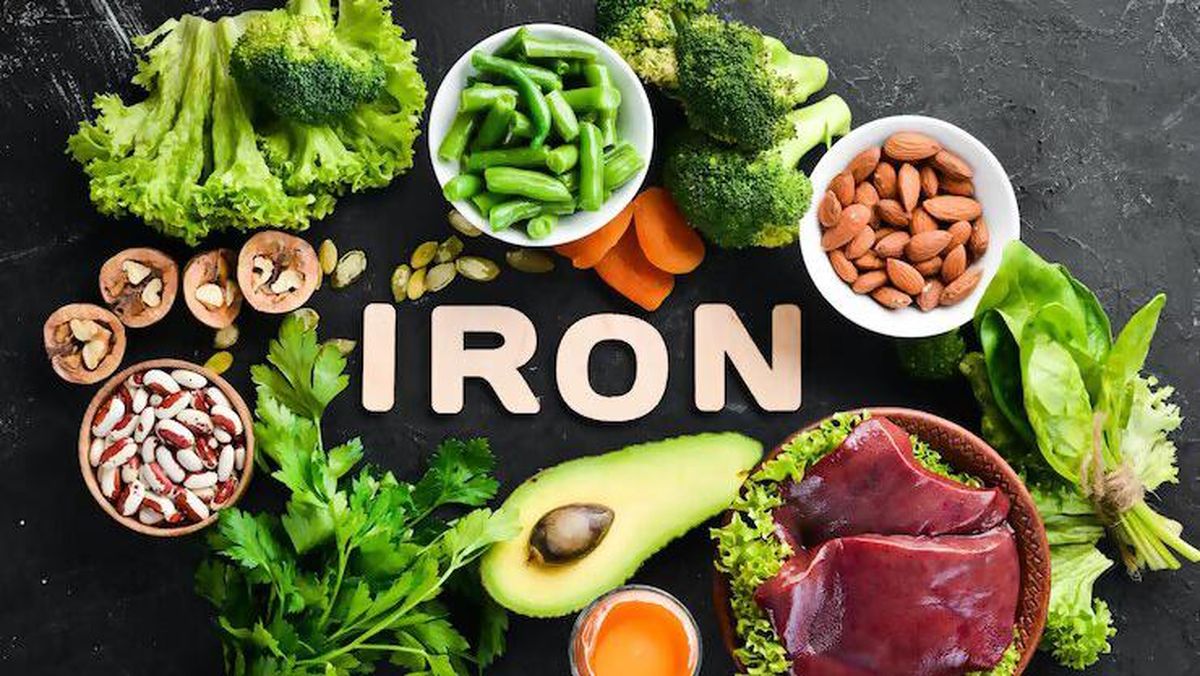
Heme Iron: This type of iron is derived exclusively from animal sources and is distinguished by its high bioavailability. Heme iron is part of hemoglobin and myoglobin in animal tissues, meaning it is already bound within a porphyrin ring structure. This unique molecular structure allows it to be absorbed more efficiently by the human body, with absorption rates typically ranging from 25% to 30%. This makes heme iron a highly effective source for meeting daily iron requirements, especially for individuals at higher risk of deficiency.
- Primary Sources of Heme Iron:
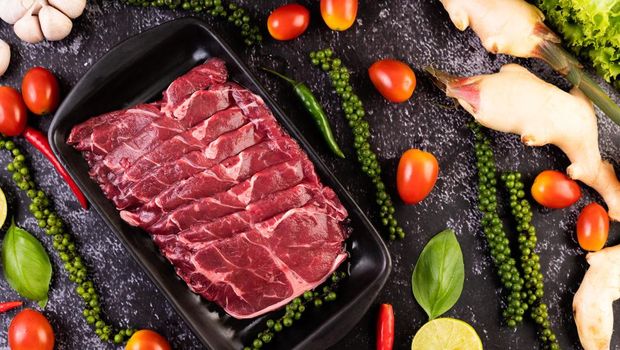
- Red Meat: Beef, lamb, pork, and venison are excellent sources. A standard serving of lean beef, for instance, can provide a substantial amount of readily absorbable iron.
- Poultry: Chicken, turkey, and duck, particularly the dark meat, contain significant amounts of heme iron.
- Fish and Seafood: Tuna, salmon, cod, and shellfish like oysters, clams, mussels, and shrimp are rich in heme iron. Oysters, in particular, are renowned for their exceptionally high iron content.
- Organ Meats: Liver (from beef, chicken, or lamb) is one of the most concentrated sources of heme iron, along with other organ meats such as kidney and heart. While less commonly consumed in some diets, they are nutritional powerhouses.
- Primary Sources of Heme Iron:
-
Non-Heme Iron: This type of iron is found in both plant-based foods and iron-fortified products. Unlike heme iron, non-heme iron is not part of the hemoglobin molecule and exists in an inorganic form. Its absorption is more complex and significantly influenced by other dietary components. The absorption rate of non-heme iron is considerably lower than that of heme iron, typically ranging from 1% to 10%. Despite its lower absorption rate, non-heme iron remains a vital component of a balanced diet, particularly for vegetarians, vegans, and individuals seeking to diversify their iron sources.
- Primary Sources of Non-Heme Iron:
- Legumes: Lentils, beans (kidney, black, pinto, chickpeas), and soybeans (including tofu and tempeh) are excellent plant-based sources.
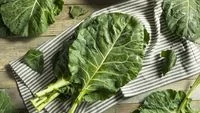
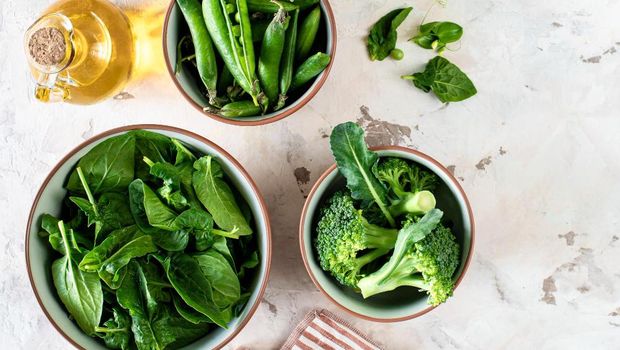
- Dark Leafy Green Vegetables: Spinach, kale, Swiss chard, collard greens, and mustard greens are rich in non-heme iron. Although they also contain compounds like oxalates that can inhibit absorption, their overall nutritional profile makes them valuable.
- Nuts and Seeds: Pumpkin seeds, sesame seeds, cashews, almonds, and flaxseeds offer good amounts of non-heme iron, along with healthy fats and fiber.
- Whole Grains: Oats, quinoa, brown rice, and fortified cereals are important contributors to non-heme iron intake, especially in diets that limit animal products.
- Dried Fruits: Raisins, apricots, prunes, and figs contain concentrated non-heme iron.
- Iron-Fortified Foods: Many breakfast cereals, breads, pastas, and plant-based milks are fortified with non-heme iron to help address dietary gaps, particularly in populations where iron deficiency is prevalent.
- Primary Sources of Non-Heme Iron:
Dr. Sutanto emphasized the importance of consuming a variety of foods, encompassing both heme and non-heme sources, to ensure a comprehensive and balanced iron intake. While heme iron is more readily absorbed, non-heme sources play a crucial complementary role and are often rich in other essential nutrients.
Optimizing Iron Absorption: The Vitamin C Connection and Beyond
The absorption of non-heme iron is particularly susceptible to the influence of other dietary components, making strategic food combinations vital. The most well-known enhancer of non-heme iron absorption is Vitamin C (ascorbic acid). When consumed together, Vitamin C converts non-heme iron into a more soluble and absorbable form, significantly boosting its uptake by the body. This synergistic relationship means that combining plant-based iron sources with Vitamin C-rich foods can dramatically improve overall iron status.
- Practical Vitamin C Pairings:
- Squeeze lemon juice over spinach or lentils.
- Enjoy a glass of orange juice with a bowl of fortified cereal.
- Add bell peppers or tomatoes to a bean chili.
- Include strawberries or kiwi in a meal containing nuts or seeds.
- Serve leafy greens with citrus-based dressings.
Beyond Vitamin C, other dietary factors can influence iron absorption:
-
Enhancers:
- Meat, Fish, and Poultry (MFP factor): Even small amounts of heme iron sources consumed alongside non-heme iron can significantly enhance the absorption of the non-heme iron. This is known as the "MFP factor."
- Organic Acids: Lactic acid (found in fermented foods), malic acid (apples), and citric acid (citrus fruits) can also improve non-heme iron absorption to a lesser extent than Vitamin C.
-
Inhibitors: Certain substances commonly found in food can hinder iron absorption, particularly non-heme iron. Being mindful of these can help optimize iron intake.
- Phytates: Found in whole grains, legumes, and nuts. Soaking, sprouting, and fermenting these foods can reduce phytate content.
- Oxalates: Present in spinach, rhubarb, and beet greens. While these vegetables contain iron, their oxalate content can slightly reduce absorption. Cooking can help reduce oxalate levels.
- Tannins: Found in tea, coffee, and some wines. It is advisable to avoid consuming these beverages with iron-rich meals, especially for individuals prone to iron deficiency.
- Calcium: High levels of calcium, whether from dairy products or supplements, can inhibit the absorption of both heme and non-heme iron. It’s generally recommended to consume calcium supplements or high-calcium foods at a different time than iron supplements or very high-iron meals.
Expert Perspectives and Public Health Imperatives
Dr. Sutanto’s emphasis on dietary variation aligns perfectly with broader public health recommendations. "The key to good nutrition is not relying on a single ‘superfood,’ but rather consuming a wide variety of foods in accordance with balanced dietary guidelines," she stated. This philosophy underpins national strategies to combat micronutrient deficiencies, including iron deficiency. Public health initiatives often involve a multi-pronged approach:
- Food Fortification Programs: Many countries implement programs to fortify staple foods like flour, rice, and cooking oil with iron and other essential micronutrients. This passive strategy aims to increase the iron intake of the general population without requiring significant behavioral changes.
- Supplementation Programs: Targeted iron supplementation is crucial for high-risk groups, such as pregnant women and young children, often provided through antenatal care clinics and child health programs. Such interventions are typically administered under medical supervision to ensure appropriate dosing and monitoring.
- Nutrition Education: Raising public awareness about the importance of iron, identifying iron-rich foods, and understanding absorption enhancers and inhibitors is vital. Educational campaigns through various media channels empower individuals to make informed dietary choices.
- Dietary Diversification: Promoting the consumption of a diverse range of locally available iron-rich foods, both animal and plant-based, is a sustainable long-term strategy. This also includes encouraging home gardening for nutrient-dense vegetables.
Addressing Specific Demographics: Tailored Strategies
While general dietary advice is beneficial, certain demographic groups require tailored strategies to meet their unique iron needs:
- Pregnant Women: Iron requirements surge significantly during pregnancy to support the increased blood volume of the mother and the rapid growth of the fetus. Iron deficiency during pregnancy can lead to preterm birth, low birth weight, and increased risk of maternal mortality. Routine iron and folic acid supplementation is a standard recommendation in prenatal care, alongside a diet rich in heme and non-heme iron combined with Vitamin C.
- Infants and Young Children: Rapid growth in infancy and early childhood creates high iron demands. Breast milk contains iron, but infants typically need additional iron from complementary foods starting around six months of age. Iron-fortified cereals, pureed meats, and legumes are crucial first foods. Iron deficiency in this age group can severely impair cognitive development and immune function.
- Adolescent Girls: The onset of menstruation combined with rapid growth makes adolescent girls particularly susceptible to iron deficiency. Educational programs focusing on balanced nutrition and appropriate dietary choices are critical for this group.
- Vegetarians and Vegans: Individuals following plant-based diets must pay close attention to their iron intake, as they rely solely on non-heme iron sources. A well-planned vegetarian or vegan diet can provide sufficient iron, but it requires deliberate combinations of non-heme iron with Vitamin C-rich foods, along with strategies to minimize absorption inhibitors. Regular monitoring of iron levels is advisable.
- Athletes: Individuals engaged in intense physical activity, especially endurance athletes, may have higher iron requirements due to increased red blood cell turnover and iron loss through sweat.
The Broader Societal and Economic Impact
The ramifications of widespread iron deficiency extend far beyond individual health. At a societal level, it contributes to a significant public health burden and has profound economic consequences. Children suffering from iron deficiency often exhibit reduced attention spans, impaired learning abilities, and lower academic performance, which can lead to diminished educational attainment and future earning potential. In adults, iron deficiency translates to decreased work productivity, reduced physical stamina, and increased susceptibility to illness, resulting in lost workdays and reduced economic output. Studies have estimated that the economic cost of iron deficiency anemia, in terms of lost productivity and healthcare expenditures, can amount to several percentage points of a nation’s Gross Domestic Product (GDP). For a developing nation like Indonesia, where a substantial portion of the workforce and student population may be affected, addressing iron deficiency is not just a health imperative but an economic development strategy. Investing in programs to improve iron status can yield significant returns in human capital development and economic growth.
Beyond the Plate: A Holistic Approach to Iron Status
While dietary intake is the primary determinant of iron status, other factors can influence the body’s iron balance. Chronic blood loss, such as from gastrointestinal conditions or heavy menstrual bleeding, can deplete iron stores regardless of dietary intake. Certain medical conditions, like celiac disease or inflammatory bowel disease, can impair nutrient absorption, including iron. Infections, particularly parasitic infections common in tropical regions, can also contribute to iron loss and inflammation, further exacerbating deficiency. Therefore, a holistic approach to managing iron deficiency often involves:
- Regular Health Check-ups: Routine blood tests, including a complete blood count and ferritin levels, can help detect iron deficiency early, even before symptoms become severe.
- Addressing Underlying Medical Conditions: Treating conditions that cause chronic blood loss or malabsorption is crucial for resolving iron deficiency.
- Hygiene and Sanitation: Improving sanitation and hygiene can reduce the prevalence of parasitic infections that contribute to iron loss.
- Community-Based Interventions: Integrated programs that combine nutrition education, food fortification, and deworming initiatives have shown significant success in improving iron status in vulnerable populations.
In conclusion, iron deficiency is a pervasive and often underestimated health issue with far-reaching consequences for physical health, cognitive function, and socio-economic development. As underscored by experts like Dr. Luciana Sutanto, adopting a diversified diet rich in both heme and non-heme iron, strategically paired with absorption enhancers like Vitamin C, is fundamental. Beyond individual dietary choices, comprehensive public health strategies, including fortification, supplementation, and education, are essential to address this silent epidemic. By prioritizing adequate iron intake and implementing robust public health interventions, societies can foster healthier, more productive populations, unlocking their full potential and contributing to sustainable development.