The pervasive presence of microplastics has emerged as a significant environmental and public health concern, infiltrating nearly every aspect of modern life. From food packaging and everyday consumables to our water supply and even the air we breathe, these tiny plastic particles, less than 5 millimeters in size, are increasingly found in our food, personal care products, clothing, and water sources. Scientific research has established links between microplastic exposure and detrimental effects on human health and the broader ecosystem, creating a growing sense of unease and urgency.
In response to this escalating challenge, strategic and sustainable lifestyle changes are being championed as a crucial pathway toward mitigating daily exposures. Lindsay McCormick, founder and CEO of Bite, a pioneering plastic-free body care company, emphasizes the importance of making informed choices. "The biggest thing is to eliminate your daily exposures where you can," McCormick advises, highlighting the need for conscious consumerism in combating the microplastic crisis.
The Genesis of Bite: A Response to Plastic Waste
McCormick’s commitment to addressing plastic waste stems from her personal experiences and growing awareness of its environmental impact. The inception of Bite in 2017 was a direct reaction to the sheer volume of single-use plastic generated by everyday items. While working as a surf instructor, McCormick witnessed firsthand the disheartening accumulation of plastic debris on beaches, a stark visual representation of the planet’s plastic pollution problem. This imagery fueled her determination to create alternatives.
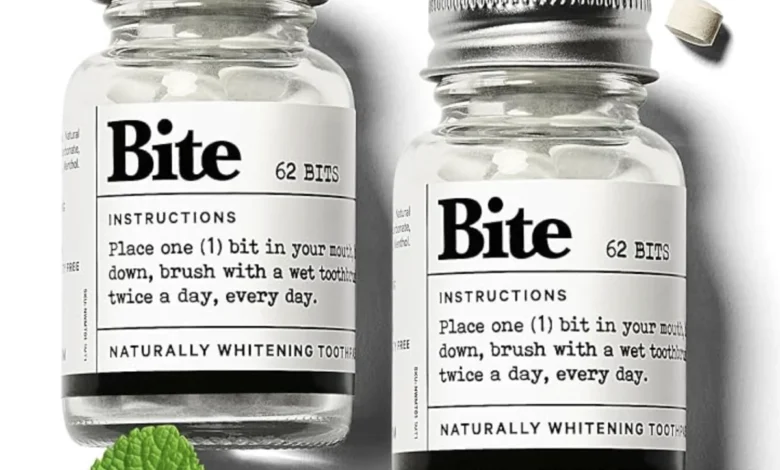
The initial frustration that sparked Bite’s creation was the excessive waste generated by travel-sized toothpaste tubes. "This is so wasteful," McCormick recalls thinking. Her journey began with experimentation, attempting to formulate effective tooth powders. However, these early efforts proved unsuccessful. Undeterred, she shifted her focus to developing a more innovative solution: toothpaste "bits"—small, concentrated tablets designed to be bitten and chewed, transforming into a foamy paste suitable for brushing. This novel approach aimed to eliminate plastic tubes entirely from the oral care routine.

Bite’s Product Evolution: From Toothpaste Bits to Comprehensive Plastic-Free Solutions
Bite has since evolved into a comprehensive line of plastic-free personal care products, demonstrating a commitment to sustainability across multiple categories. The company’s flagship product, the toothpaste bits, are now available in both fluoride and fluoride-free formulations, catering to diverse consumer preferences. Popular flavor options include mint and berry, offering a pleasant user experience. Beyond oral care, Bite has expanded its offerings to include a whitening gel and bamboo toothbrushes, all designed with the principle of zero plastic in both the product and its packaging.
Further solidifying its position as a leader in sustainable body care, Bite has ventured into the deodorant market. Recognizing the shortcomings of conventional cardboard deodorants, which can become soggy and degrade with use, McCormick envisioned a more durable and eco-friendly alternative. Bite’s innovative deodorant system features a deodorant insert housed within a cardboard tube, which is then placed inside a reusable metal case. This design allows for easy refilling of the deodorant component once it is depleted, significantly reducing waste. "I wanted products that were functional, sustainable, and effective, but also beautiful," McCormick states, underscoring the company’s dedication to aesthetics alongside environmental responsibility.
The Unseen Threat: Microplastics and Human Health
The insidious nature of microplastics lies in their ubiquitous presence and the growing body of research linking them to adverse health outcomes. Initially, the focus of companies like Bite was primarily on environmental impact, driven by the visible problem of plastic pollution. However, as scientific understanding of microplastics has advanced, the implications for human health have become increasingly apparent.
Recent studies have provided alarming insights into the extent of microplastic contamination. A 2022 study published in Environmental Science & Technology estimated that individuals ingest tens of thousands to over a hundred thousand microplastic particles annually through their diet and drinking water. These particles can enter the human body through various pathways, including inhalation, ingestion of contaminated food and water, and absorption through the skin.
The long-term health effects of microplastic exposure are still under active investigation, but emerging research suggests potential links to inflammation, oxidative stress, and even endocrine disruption. Some studies have detected microplastics in human blood, tissues, and organs, raising concerns about their bioaccumulation and potential impact on cellular function. The "circular economy" of pollution means that what pollutes our oceans and environment can eventually find its way back into our bodies. As McCormick aptly puts it, "What happens in the ocean eventually happens in our blood." This interconnectedness underscores the urgency of addressing microplastic contamination at its source.

Broader Implications and the Path Forward
The microplastic crisis is a complex global challenge that requires a multi-faceted approach involving individual action, corporate responsibility, and governmental policy. The success of companies like Bite demonstrates the growing consumer demand for sustainable alternatives and the potential for innovation to drive positive change. By offering plastic-free options for everyday essentials, Bite empowers consumers to make choices that align with their environmental values.
The ripple effect of individual choices, when amplified across a population, can lead to significant shifts in market demand and encourage broader industry transformation. The concept of a "contained ecosystem" that McCormick describes highlights the interconnectedness of all actions. Every choice, from the products we purchase to the waste we generate, has consequences that extend far beyond our immediate environment.
The timeline of this issue is rapidly accelerating. While the concept of plastic pollution has been recognized for decades, the specific threat of microplastics has gained prominence in scientific discourse and public awareness over the last ten to fifteen years. The establishment of companies like Bite in 2017 represents a growing wave of businesses responding to this emerging awareness. The continued scientific research and the increasing visibility of microplastics in media coverage are pushing for more urgent action.
Official Responses and Future Directions
While specific governmental responses to microplastic pollution vary by region, there is a growing global recognition of the need for regulatory action. International bodies and national governments are beginning to explore policies aimed at reducing plastic production, improving waste management infrastructure, and promoting the development of sustainable materials. The European Union, for example, has implemented regulations to restrict certain single-use plastics and is exploring broader measures to address microplastic pollution.
In the United States, legislative efforts are underway to address plastic waste, including proposals for extended producer responsibility programs and bans on certain plastic products. The scientific community continues to advocate for increased research funding to better understand the full scope of microplastic impacts and to develop effective mitigation strategies.

Industry leaders are increasingly recognizing the importance of sustainability, not only as an ethical imperative but also as a strategic business advantage. Companies are investing in research and development for biodegradable and compostable materials, as well as exploring innovative recycling technologies. The emphasis is shifting from a linear "take-make-dispose" model to a more circular economy that prioritizes reuse, repair, and recycling.
The implications of this ongoing shift are profound. A successful transition to a less plastic-dependent future could lead to cleaner oceans, healthier ecosystems, and improved human well-being. It also presents opportunities for economic growth in the green technology sector, creating new jobs and fostering innovation. However, the transition will require significant investment, collaboration, and a sustained commitment from all stakeholders.
Conclusion: A Collective Responsibility
The pervasive presence of microplastics serves as a stark reminder of the unintended consequences of our consumption patterns. The story of Bite and its founder, Lindsay McCormick, exemplifies how individual initiative and a commitment to sustainability can contribute to addressing this global challenge. By making conscious choices to reduce our daily exposures and support businesses that prioritize eco-friendly practices, we can collectively work towards a healthier planet and a more sustainable future. The interconnectedness of our actions, as highlighted by McCormick, underscores the critical need for a unified approach to combating the pervasive threat of microplastics. The journey ahead requires continued innovation, robust policy frameworks, and a fundamental shift in our relationship with plastic.