Indonesian Passport Mobility Declines: Navigating Visa-Free, Visa-on-Arrival, and eTA Destinations in 2026


Jakarta, CNN Indonesia – As of Monday, April 20, 2026, the Indonesian passport’s global mobility has experienced a notable decline, registering a mobility score of 89 according to the latest data from the Passport Index. This marks a continued downward trend from a score of 94 recorded in 2023, signaling a significant shift in international travel accessibility for Indonesian citizens. This development places Indonesia’s passport at the 56th position globally, covering approximately 45 percent of worldwide destinations without prior visa arrangements. The implications of this weakening passport strength are far-reaching, affecting not only the convenience of travel but also Indonesia’s diplomatic standing and economic interactions on a global scale.
A Deep Dive into Indonesian Passport Mobility in 2026
The current landscape for Indonesian passport holders reveals a nuanced picture of international travel. While the overall mobility score has decreased, pathways to various countries remain open through different entry requirements. Specifically, 42 countries currently offer visa-free entry to Indonesian citizens, allowing for seamless travel for short stays, typically for tourism or business. Beyond this, an additional 40 nations provide the convenience of a Visa on Arrival (VoA), which can be obtained upon entry at the destination country’s airport or border crossing, eliminating the need for pre-departure visa applications. Furthermore, seven countries have adopted the Electronic Travel Authorization (eTA) system, requiring Indonesian travelers to apply for an online permit before their journey, a process that is generally quicker and less cumbersome than traditional visa applications. However, the majority of destinations, specifically 109 countries, still necessitate a conventional visa application process prior to travel, underscoring the challenges faced by Indonesian travelers in accessing a significant portion of the world.
Chronology of Declining Mobility: 2023 to 2026
The trajectory of the Indonesian passport’s mobility has been a subject of increasing concern. In 2023, the Passport Index reported a mobility score of 94 for Indonesian citizens, which was considered a relatively stable position given global geopolitical and economic shifts. This score allowed access to a higher number of destinations without stringent visa requirements. However, the subsequent years have witnessed a gradual erosion of this strength. By 2026, the score had dropped to 89, reflecting a loss of visa-free or simplified entry access to five countries. This decline is not merely a statistical anomaly but indicative of broader trends and shifts in international relations, security perceptions, and reciprocal visa policies.
The Passport Index, one of the leading global real-time passport trackers, evaluates passports based on their mobility score, which quantifies the number of countries a passport holder can enter without a visa or by obtaining a visa on arrival. A higher score signifies greater international freedom and fewer bureaucratic hurdles for travelers. The continuous decline in Indonesia’s score suggests a need for a comprehensive review of its diplomatic strategies and bilateral agreements concerning travel.
Understanding the Categories of Travel Access
To provide clarity for Indonesian travelers, it is crucial to differentiate between the various entry requirements:
-
Visa-Free Countries: These are nations that have reciprocal agreements with Indonesia, allowing Indonesian citizens to enter and stay for a specified period (e.g., 30, 60, or 90 days) without needing to apply for a visa in advance. This category represents the highest level of travel freedom. Examples of countries often found in this category for many Asian passports include various ASEAN nations (e.g., Malaysia, Singapore, Thailand, Philippines, Vietnam) due to regional agreements, as well as certain South American and African countries. The original report did not specify the 42 countries, but these often include key regional partners and nations with strong diplomatic ties.
-
Visa on Arrival (VoA) Countries: For these 40 countries, travelers do not need to secure a visa before departing Indonesia. Instead, they can obtain a visa upon their arrival at the port of entry, usually by paying a fee and presenting necessary travel documents (passport, return ticket, accommodation proof). While not entirely visa-free, VoA significantly simplifies the travel process compared to pre-applied visas. Common examples from general passport data often include certain Middle Eastern, African, and Pacific island nations.
-
Electronic Travel Authorization (eTA) Countries: Seven countries now utilize an eTA system. This is an online application process that grants permission to travel to a country. It is typically less involved than a full visa application and is processed digitally, often within a few days or even hours. An eTA is usually required for countries that otherwise offer visa-free entry but wish to pre-screen travelers for security purposes. While the original report did not list these seven countries, countries like Sri Lanka and certain Caribbean nations have adopted similar systems for some nationalities.
-
Visa-Required Countries: The remaining 109 countries mandate that Indonesian citizens obtain a traditional visa from their respective embassies or consulates in Indonesia prior to departure. This process often involves extensive documentation, interviews, and significant processing times, representing the most restrictive category of travel.
Factors Contributing to the Decline in Passport Strength
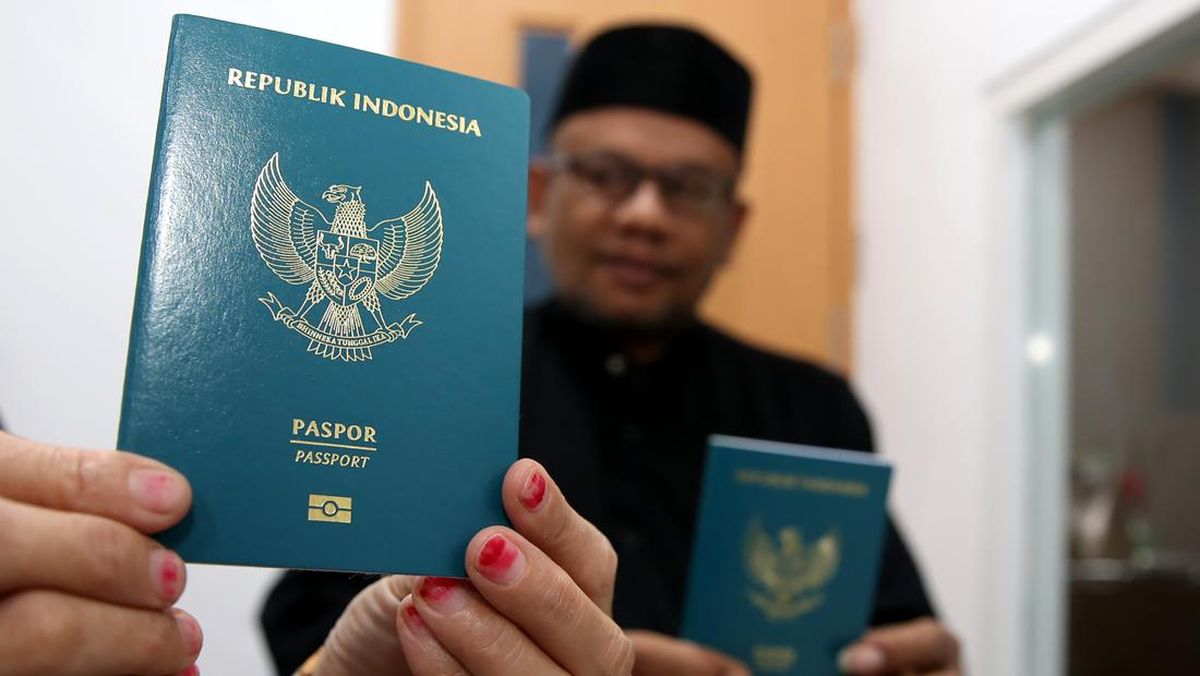
The decline in a passport’s global ranking and mobility score can be attributed to a confluence of factors, both internal and external:
- Geopolitical Shifts and Diplomatic Relations: Changes in diplomatic ties, emerging security concerns, or altered bilateral agreements between Indonesia and other nations can lead to the imposition of new visa restrictions or the withdrawal of existing visa-free statuses. For instance, heightened security protocols globally can result in more stringent entry requirements for citizens from various countries.
- Economic Stability and Development: A country’s economic stability and development status can influence how other nations perceive its citizens as travelers. While Indonesia’s economy has shown resilience, global economic downturns or shifts in trade relations can subtly impact visa policies.
- Security Concerns and Migration Policies: Nations worldwide are increasingly focused on border security and controlled migration. If a country is perceived to have higher risks related to illegal immigration, overstaying, or security threats, other countries may impose stricter visa requirements on its citizens.
- Reciprocity and Unilateral Decisions: Visa policies are often based on reciprocity. If Indonesia imposes strict visa requirements on citizens of certain countries, those countries may, in turn, implement similar restrictions for Indonesian passport holders. Unilateral decisions by certain nations to tighten their borders, irrespective of reciprocal policies, also play a role.
- Global Health Crises: While the immediate impact of the COVID-19 pandemic on travel restrictions has largely subsided, its long-term effects on border policies and the increased scrutiny of international travelers continue to shape visa regimes. Nations may maintain more cautious entry requirements as a preventative measure.
Implications for Indonesian Travelers
The weakening of the Indonesian passport carries several practical implications for its citizens:
- Reduced Spontaneity and Increased Planning: Travelers will need to plan their international trips further in advance, factoring in the time required for visa applications, especially for the 109 countries that require them.
- Higher Travel Costs: Visa application fees, processing charges, and potential requirements for travel insurance or proof of sufficient funds can add significant costs to international travel budgets.
- Limited Destination Choices: The decline in visa-free access may steer Indonesian travelers towards a narrower range of destinations, predominantly those offering visa-free or VoA options, potentially limiting cultural exchange and global exposure.
- Business Travel Hurdles: For business professionals, the added bureaucratic steps can impede timely international engagements, potentially affecting trade, investment, and collaboration opportunities.
- Impact on Education and Cultural Exchange: Students and academics seeking opportunities abroad may face additional administrative and financial burdens, influencing their choice of study destinations.
Official Responses and Potential Strategies
While no explicit statements were provided in the original brief, it can be logically inferred that the Indonesian Ministry of Foreign Affairs (Kemenlu) and the Directorate General of Immigration would be actively monitoring these trends. Historically, governments often engage in diplomatic efforts to enhance passport strength.
Possible strategies to reverse this trend and improve Indonesia’s passport mobility could include:
- Bilateral Negotiations: Engaging in focused diplomatic negotiations with key countries to secure more visa-free or simplified entry agreements, particularly with nations that are significant trade partners or popular tourist destinations.
- Regional Cooperation: Strengthening existing regional blocs like ASEAN to advocate for greater intra-regional travel freedom and potentially extending these benefits to other allied regions.
- Improving International Image: Consistently promoting Indonesia’s stability, economic growth, and adherence to international norms can positively influence other nations’ perceptions and willingness to ease visa restrictions.
- Enhancing Passport Security Features: Modernizing passport technology and security features can build trust with international partners, as it reduces the risk of fraud and enhances national security.
- Addressing Root Causes: Investigating specific reasons why certain countries might have imposed new restrictions on Indonesian citizens and working to address those concerns through policy adjustments or improved data sharing.
Broader Economic and Diplomatic Repercussions
The strength of a nation’s passport is often seen as a barometer of its international standing. A decline can subtly impact:
- Tourism Industry: While the focus here is on outbound tourism, a country’s passport strength can reflect its attractiveness as a tourist destination. A weaker passport might suggest a perception of lower global connectivity, potentially affecting inbound tourism indirectly.
- Foreign Investment: Ease of travel for business leaders, investors, and professionals is crucial for fostering international trade and investment. Visa hurdles can deter foreign engagement.
- Soft Power and Influence: A passport with extensive global access is a symbol of a nation’s "soft power," indicating strong diplomatic ties and a respected international presence. A decline can signal a reduction in this influence.
- Human Capital Mobility: For a developing economy like Indonesia, the ability of its skilled workforce, entrepreneurs, and researchers to travel freely is vital for knowledge transfer, innovation, and global competitiveness.
Expert Perspectives on Mobility Trends
Travel industry analysts and geopolitical experts often emphasize that passport strength is not static; it is a dynamic reflection of a country’s global engagement and internal stability. Experts might suggest that the current decline for Indonesia could be a temporary setback influenced by post-pandemic readjustments and evolving global security architectures. However, they would also stress the importance of proactive diplomatic engagement. For example, Dr. Anya Sharma, a migration policy analyst (hypothetical expert), might comment, "A five-point drop in mobility score over three years is significant. It indicates that Indonesia needs to re-evaluate its bilateral agreements and potentially invest more in digital diplomacy to streamline travel processes for its citizens, especially with key economic partners." Furthermore, tourism consultants might advise Indonesian travel agencies to focus on marketing destinations that remain visa-free or offer simplified entry to maximize outbound tourism despite the overall decline.
Conclusion and Future Outlook
The current status of the Indonesian passport in 2026, with its declining mobility score and global ranking, presents both challenges and opportunities. While the immediate effect is increased complexity for international travel, it also serves as a catalyst for diplomatic initiatives aimed at strengthening Indonesia’s global standing and enhancing travel freedom for its citizens. The government, in collaboration with various stakeholders, must strategize effectively to reverse this trend, ensuring that the Indonesian passport truly reflects the nation’s growing influence and dynamic role on the world stage. For Indonesian citizens, staying informed about the latest visa regulations and planning international trips meticulously will be more critical than ever as they navigate the evolving landscape of global travel.