Alyssa Daguise Prepares for First Child with Al Ghazali by Showcasing Premium Baby Essentials and International Shopping Finds

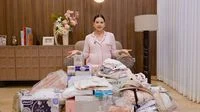
Alyssa Daguise, the prominent Indonesian-French model and wife of actor-musician Al Ghazali, has officially entered the final stages of preparation for the arrival of her first child. Through a comprehensive digital presentation on the YouTube channel "The ALs," Daguise shared a detailed "unboxing" session featuring an array of infant essentials curated during her recent travels to Paris and supplemented by local acquisitions. This preparation highlights not only the couple’s transition into parenthood but also the meticulous attention to detail required in modern infant care, blending high-end fashion with practical technological solutions.
The announcement of the couple’s pregnancy earlier this year sparked significant interest among their substantial following, and this latest update provides a transparent look into their "nesting" process. Daguise, 28, confirmed that the baby is a girl, a detail that has influenced several of the aesthetic choices for the nursery and wardrobe. The unboxing event serves as a milestone in the couple’s public journey, marking the shift from their high-profile wedding to the domestic realities of preparing for a newborn.
A Chronological Approach to Preparation and Sourcing
The preparation for the new addition to the Ghazali-Daguise family has been an international endeavor. Much of the inventory showcased was procured during a strategic trip to Paris, France—a city that holds both cultural and personal significance for Daguise. By sourcing items from Europe, Daguise has integrated her French heritage into her daughter’s upbringing from the very beginning.
The chronology of these preparations began shortly after the couple confirmed the pregnancy. Following the initial announcement, the couple utilized their international travel opportunities to visit specialized boutiques that offer products not readily available in the Indonesian market. Upon returning to Jakarta, the collection was further augmented by gifts from a "baby registry," a practice that has gained significant traction among modern Indonesian families. This registry allowed friends and family to contribute specific, high-quality items that the couple had pre-selected, ensuring that the nursery was equipped with both functional and sentimental value.
Wardrobe Selection: Integrating Cultural Identity and Practicality
One of the primary focuses of the unboxing was the infant’s wardrobe. Daguise revealed a comprehensive collection of "baby body suits" designed to accommodate the child from the newborn stage through nine months of age. This long-term planning is a hallmark of organized parenting, acknowledging the rapid growth cycles of infants during their first year.
A notable feature of the clothing collection is the inclusion of garments labeled with the days of the week in French—from Lundi (Monday) to Dimanche (Sunday). These items were largely selected by Daguise’s mother, highlighting the intergenerational involvement in the baby’s arrival. The use of French labels serves as a subtle nod to Daguise’s background, ensuring the child is exposed to her bilingual heritage from infancy. From a developmental perspective, early exposure to different languages and cultural markers is often cited by experts as beneficial for cognitive growth.
High-End Textiles and Multi-Functional Nursery Gear
Beyond clothing, Daguise emphasized the importance of high-quality textiles. She showcased elegant patterned cloths purchased in Paris, specifically designed to serve as burp cloths or "tatakan." These items are essential for protecting the parent’s clothing during feeding and provide a soft surface for the infant.
The textiles also function as swaddles, a traditional yet scientifically supported method for soothing newborns by mimicking the snug environment of the womb. Daguise noted that these items featured "iconic patterns" from renowned brands, reflecting a trend in the luxury baby market where functionality meets high-fashion aesthetics. The choice of muslin fabric is particularly relevant for the Indonesian climate, as it is breathable, lightweight, and reduces the risk of overheating—a common concern for pediatricians in tropical regions.
The nursery theme appears to lean toward classic motifs, as evidenced by the "carousel" patterned blankets and pillowcases. These items, also sourced from Paris, contribute to a cohesive visual environment for the infant, which child psychologists suggest can provide a sense of routine and comfort as the child begins to recognize their surroundings.
Technological Integration and Safety Standards
In line with modern parenting trends, Daguise has prioritized safety through the acquisition of advanced monitoring technology. She introduced a high-specification baby monitor equipped with night vision, a microphone for two-way communication, and a room temperature alert system.
"This is very important for those of us who tend to be anxious; we need this for the baby," Daguise stated during the video. The inclusion of a temperature sensor is a critical safety feature, as maintaining an optimal sleeping temperature is a key recommendation from the American Academy of Pediatrics (AAP) to reduce the risk of Sudden Infant Death Syndrome (SIDS). The microphone allows for "responsive parenting," where caregivers can soothe the baby vocally even before reaching the nursery, a technique shown to foster secure attachment.
Nursing Essentials and Post-Natal Planning
Alyssa Daguise also addressed the logistical aspects of feeding and nutrition. She expressed a clear intention to pursue a combination of breastfeeding and pumping, a decision that aligns with global health recommendations promoting the benefits of breast milk for infant immunity and development.
To facilitate this, she has prepared specialized newborn bottles and a high-efficiency cooler box for the storage of expressed breast milk (ASI). The cooler box is an essential tool for active mothers, allowing for the safe transport of milk while maintaining the cold chain necessary to prevent bacterial growth. This preparation suggests a strategic approach to maintaining a balance between her professional life and maternal responsibilities.
Furthermore, the unboxing included an ergonomic baby carrier. While Daguise expressed slight apprehension regarding the physical weight of the carrier as the child grows, the use of such devices—often referred to as "babywearing"—is associated with increased infant calmness and easier integration of the baby into the parent’s daily activities.
Hygiene Management and Domestic Innovation
A final but crucial item mentioned was a specialized diaper disposal system. Unlike standard waste bins, these units are designed to hermetically seal soiled diapers in individual plastic segments, effectively neutralizing odors and maintaining a hygienic environment within the home. Daguise pointed out that this was a practical necessity for keeping the nursery "fresh and free from unpleasant odors." This focus on domestic hygiene reflects a broader consumer shift toward specialized household products that address the specific challenges of infant care.
Broader Socio-Cultural Impact and Market Trends
The detailed sharing of Alyssa Daguise’s baby preparation reflects several broader trends in contemporary Indonesian society. First, the rise of "celebrity vlogging" regarding domestic life has transformed the way the public consumes lifestyle content. By sharing the specifics of her baby registry and shopping choices, Daguise acts as a "tastemaker," influencing the purchasing decisions of thousands of expectant parents.
Second, the "Baby Registry" culture, once a primarily Western phenomenon, is now firmly established among the Indonesian middle and upper classes. This shift indicates a move toward more practical, needs-based gift-giving, ensuring that young families receive the tools they actually require.
Finally, the luxury baby goods market continues to show resilience. Despite global economic fluctuations, the demand for premium infant products—ranging from organic textiles to high-tech monitors—remains strong. Analysts suggest that parents are increasingly willing to invest in high-quality items that offer perceived benefits in safety, durability, and aesthetic value.
Conclusion and Future Outlook
The arrival of Alyssa Daguise and Al Ghazali’s first child marks a significant chapter in the lives of two of Indonesia’s most followed public figures. The meticulous preparation showcased in their recent unboxing video demonstrates a blend of cultural pride, modern technological adoption, and practical parenting foresight.
As the couple prepares for the transition to a family of three, their journey serves as a high-profile example of the "nesting" phase, characterized by the careful curation of an environment intended to foster the health, safety, and comfort of the next generation. With a nursery equipped with international finds and essential safety gear, Daguise and Ghazali appear well-positioned for the challenges and rewards of early parenthood. The public will undoubtedly continue to follow their progress as they welcome their daughter and navigate the complexities of raising a child in the spotlight.