The landscape of modern breakfast nutrition is undergoing a significant shift as health professionals move away from traditional, high-carbohydrate starts toward macro-nutrient-dense, functional meals designed to stabilize metabolic health. Registered Dietitian Nutritionist Molly Knudsen, M.S., RDN, has recently detailed a specific formulation for a berry-based smoothie that addresses the common "energy crash" associated with liquid breakfasts. By prioritizing a protein threshold of at least 30 grams and integrating specific ergogenic aids like creatine and taurine, this approach aims to provide sustained satiety and muscle support, marking a departure from the fruit-heavy, low-protein smoothies that dominated the wellness industry for decades.
Redefining the Morning Meal through Macro-Nutrient Density
For many consumers, the convenience of a smoothie is often undermined by a lack of nutritional balance. Traditional recipes frequently rely on fruit juices, large quantities of high-sugar fruits, and minimal protein sources, leading to a rapid spike in blood glucose followed by a compensatory insulin surge. This physiological process often results in hunger returning within 60 to 90 minutes of consumption. Knudsen’s research and personal dietary evolution over the past year have led to the conclusion that the "filling" factor of a meal is almost entirely dependent on its protein and fiber content.
The shift toward high-protein breakfasts is supported by a growing body of clinical evidence suggesting that "front-loading" protein intake can improve glycemic control throughout the day. By consuming a significant portion of daily protein in the morning, individuals may experience reduced cravings for high-calorie snacks later in the evening. This phenomenon, often referred to as the "protein leverage hypothesis," suggests that the human body will continue to signal hunger until its protein requirements are met, regardless of total caloric intake.
The 30-Gram Protein Threshold: A Science-Backed Necessity
A central pillar of the recommended smoothie formulation is the attainment of at least 30 grams of protein. This specific number is not arbitrary; many nutritionists and researchers, including those specializing in muscle protein synthesis (MPS), argue that 30 grams is the approximate threshold required to trigger the "leucine trigger" effect. Leucine, a branched-chain amino acid (BCAA), is essential for signaling the body to build and repair muscle tissue.
To achieve this, the recipe utilizes a combination of whole-food sources and high-quality supplementation. While Greek yogurt provides a base of probiotics and slow-digesting casein protein, it is often insufficient on its own to reach the 30-gram mark. The integration of grass-fed whey protein isolate serves as the primary engine for reaching this goal.
The Role of Grass-Fed Whey Isolate in Metabolic Regulation
The choice of whey protein isolate over concentrate is a strategic one. Whey isolate undergoes a more rigorous filtration process to remove most of the lactose, fat, and carbohydrates, resulting in a product that is typically 90% protein or higher. For individuals with mild lactose sensitivities, isolate is often better tolerated than concentrate. Furthermore, the "grass-fed" designation ensures a more favorable fatty acid profile and the absence of synthetic hormones, which aligns with the growing consumer demand for "clean label" ingredients.
Knudsen notes that the consistency of the smoothie is also a factor in satiety. When blended with specific ingredients, whey isolate provides a "milkshake-like" thickness. This textural element is psychologically important, as thicker liquids are often perceived by the brain as more substantial meals, potentially leading to a greater reduction in ghrelin—the body’s primary hunger hormone.

Beyond Athletics: The Integration of Creatine and Taurine
Perhaps the most significant enrichment of this smoothie recipe is the inclusion of creatine monohydrate and taurine. Historically, creatine has been pigeonholed as a supplement exclusively for bodybuilders and high-performance athletes. However, contemporary research has expanded the understanding of its benefits to include cognitive health, bone density, and glucose metabolism.
The Science of Creatine for the General Population
Creatine is a naturally occurring compound that helps regenerate adenosine triphosphate (ATP), the primary energy currency of the cell. While its role in high-intensity exercise is well-documented, newer studies suggest that creatine supplementation can support brain health, particularly in demanding cognitive tasks or during periods of sleep deprivation. For the average consumer, adding five grams of creatine to a morning smoothie provides a steady supply of energy to both muscle and brain tissues without the jittery effects associated with caffeine.
Taurine and Cardiovascular Support
The addition of taurine, an amino acid-like sulfonic acid, further enhances the functional profile of the meal. Taurine is found in high concentrations in the heart and brain. Research indicates that taurine plays a role in regulating calcium levels in cells, supporting bile acid production, and acting as an antioxidant. By including two grams of taurine, the smoothie transitions from a simple meal replacement to a proactive health intervention targeting cardiovascular and neurological longevity.
The Berry Pie Smoothie: Formulation and Nutritional Profile
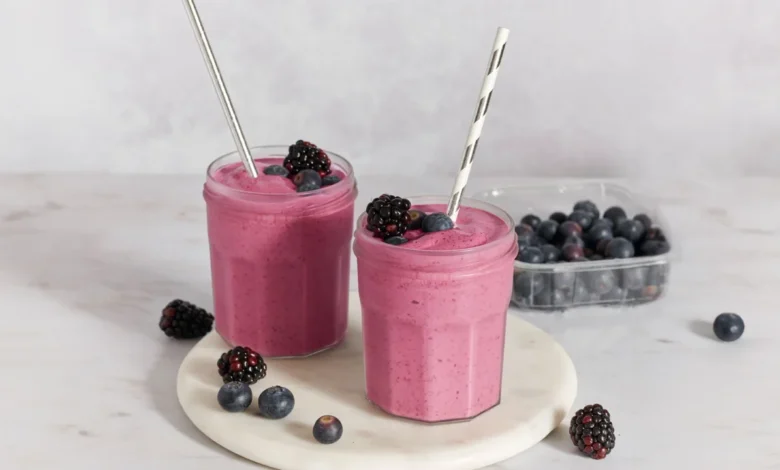
The "Berry Pie Smoothie" is designed to be a "basic" yet highly effective template for those looking to replicate these results. The recipe emphasizes frozen berries, which are often picked at peak ripeness and frozen immediately, preserving their antioxidant content, specifically anthocyanins, which have been linked to improved heart health and reduced inflammation.
Ingredients and Preparation
The recipe for a single serving includes:
- 1 scoop of grass-fed whey protein isolate (providing approximately 25g of protein)
- 2 dollops of plain Greek yogurt
- 1 cup of frozen mixed berries (blueberries, raspberries, blackberries)
- 1 scoop of creatine and taurine supplement (5g creatine, 2g taurine)
- 1 cup of unsweetened almond milk or water
- A pinch of cinnamon and pink Himalayan salt for flavor and trace minerals
Method: All ingredients are added to a high-speed blender and processed until smooth. For those who prefer a "spoonable" consistency, the amount of liquid can be reduced, or ice can be added if using fresh fruit instead of frozen.
Nutritional Breakdown
The estimated nutritional profile for this smoothie is as follows:
- Calories: 342
- Protein: 40 grams
- Carbohydrates: 27 grams
- Fat: 8 grams
With 40 grams of protein, this meal significantly exceeds the minimum requirements for muscle protein synthesis and provides a robust buffer against mid-morning hunger.

Chronology of the Functional Smoothie Movement
The evolution of the smoothie as a meal replacement has followed a distinct timeline:
- The 1990s – The Juice Bar Era: Smoothies were largely viewed as "health shakes" but were often little more than fruit purees with high sugar content and negligible protein.
- The 2000s – The Green Smoothie Revolution: Emphasis shifted toward the inclusion of leafy greens like kale and spinach. While this improved micronutrient intake, these shakes often lacked the caloric density to serve as full meals.
- The 2010s – The Macro-Tracking Era: As "If It Fits Your Macros" (IIFYM) gained popularity, protein powders became a staple, but many contained artificial sweeteners and fillers.
- The 2020s – The Functional Longevity Era: Current trends, as exemplified by Knudsen’s recipe, focus on metabolic health, blood sugar stability, and the use of "clean" supplements like grass-fed whey and pharmaceutical-grade creatine to support long-term wellness.
Broader Implications for Public Health and the Wellness Industry
The move toward high-protein, blood-sugar-stabilizing breakfasts has broader implications for public health. With the rising prevalence of insulin resistance and Type 2 diabetes, educating the public on how to construct liquid meals that do not cause glucose excursions is a vital task for dietitians.
Furthermore, the integration of supplements like creatine into the daily routines of non-athletes represents a democratization of sports science. As the "aging well" movement grows, the focus on maintaining lean muscle mass (sarcopenia prevention) through adequate protein and supplemental support is becoming a mainstream priority.
Industry analysts suggest that the market for "clean" protein and functional additives will continue to grow as consumers become more savvy about ingredient lists. The move away from "chemistry textbook" ingredients toward organic extracts and natural minerals—such as the pink Himalayan salt and cinnamon bark mentioned by Knudsen—reflects a desire for products that are both effective and minimally processed.
Final Analysis and Expert Recommendations
While the Berry Pie Smoothie offers a robust nutritional profile, Registered Dietitians emphasize that individual needs may vary. For those looking to further enhance the blood-sugar-balancing effects, the addition of healthy fats (such as a tablespoon of almond butter or chia seeds) and fiber-rich vegetables (such as frozen cauliflower or spinach) can provide additional layers of satiety.
The takeaway for the modern consumer is clear: a smoothie is only as healthy as its macro-nutrient balance. By shifting the focus from fruit-only blends to high-protein, supplement-supported formulations, individuals can transform a simple breakfast into a powerful tool for metabolic stability and sustained daily energy. As with any change in a supplement routine, experts recommend that individuals—particularly those who are pregnant, breastfeeding, or on medication—consult with a healthcare provider to ensure the regimen aligns with their specific health profile.