U.S. Uninsured Rate Rises for First Time Since 2019, Driven by Medicaid Unwinding and Affordability Challenges

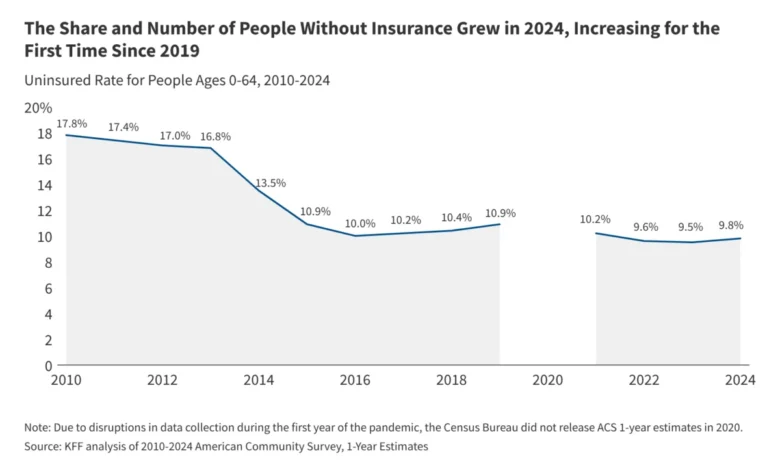
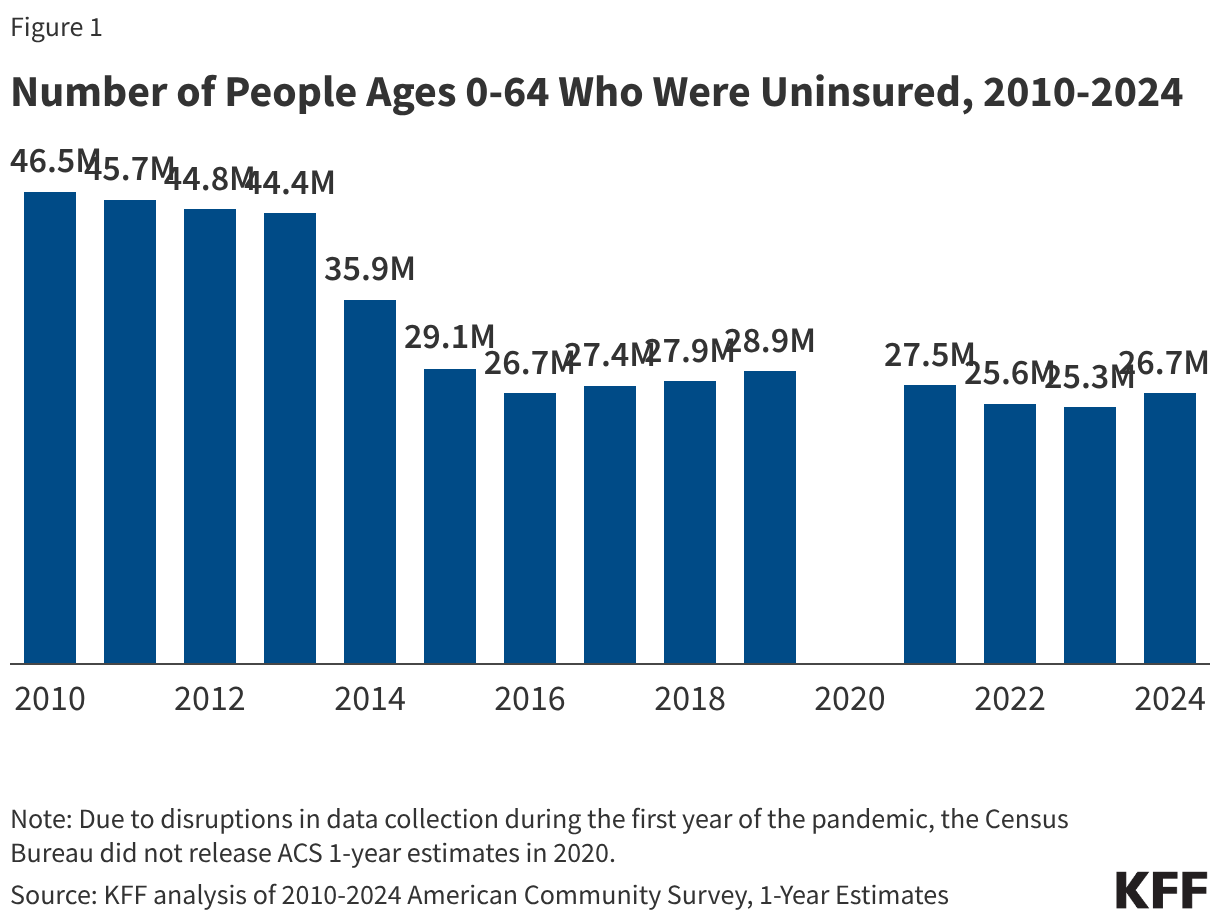
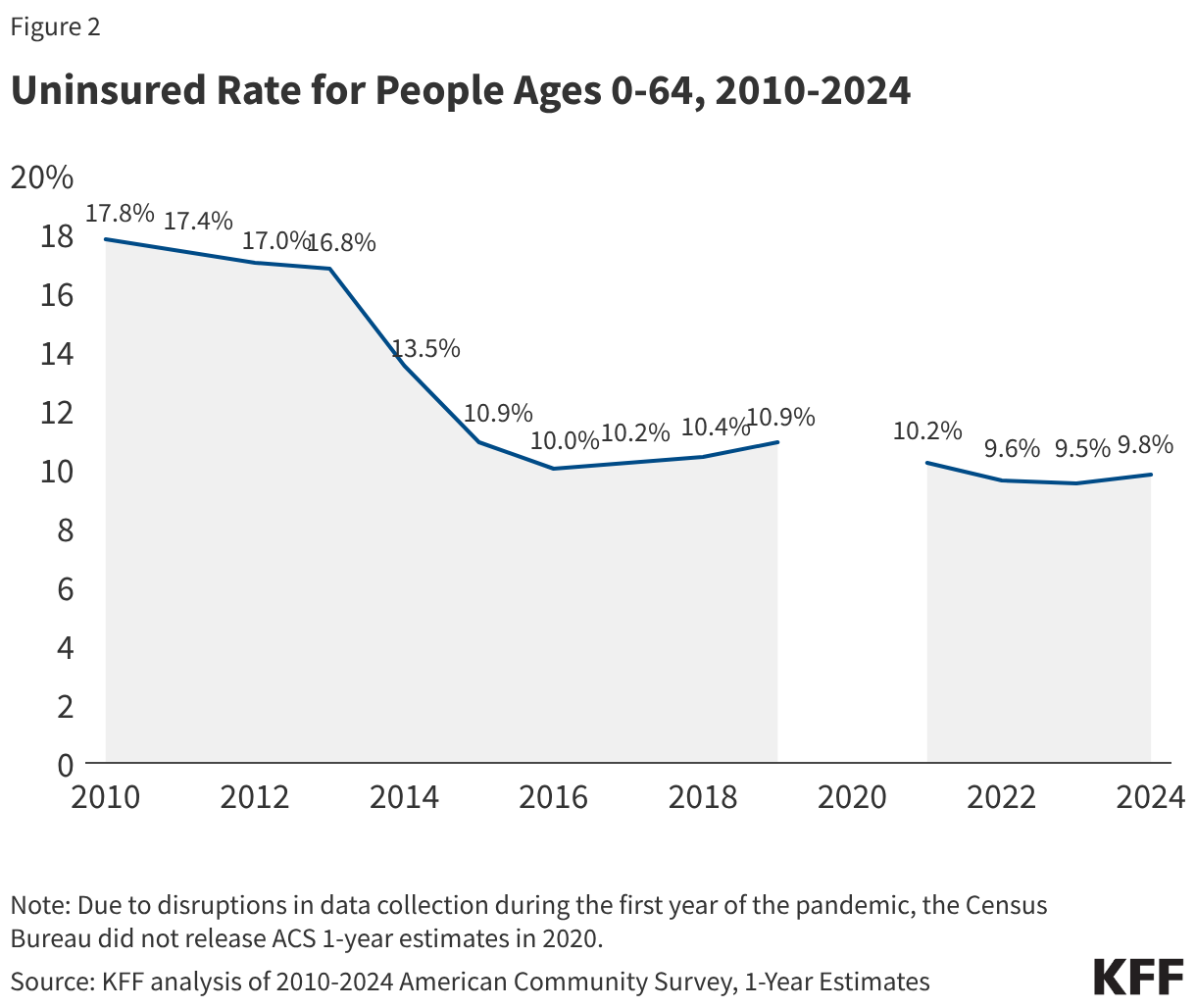
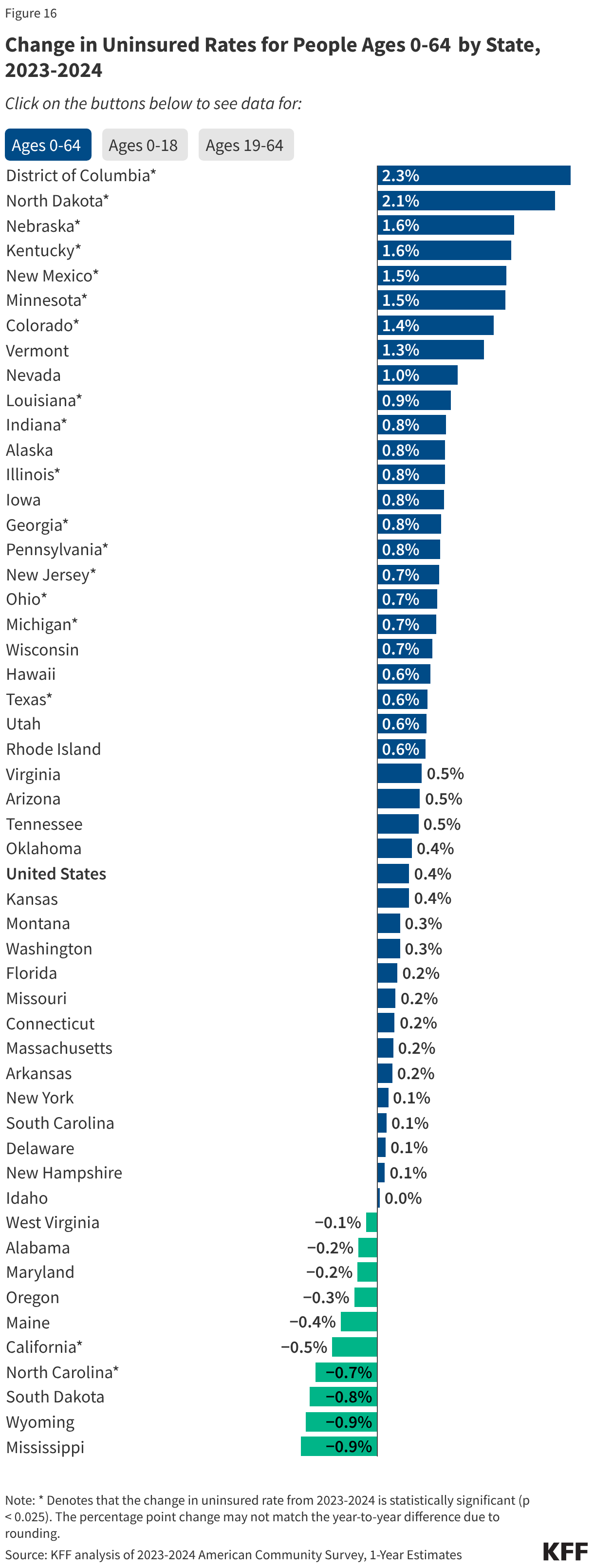
The landscape of health insurance in the United States shifted significantly in 2024, witnessing the first increase in the number of uninsured individuals since 2019. A complex interplay of factors, including the cessation of pandemic-era Medicaid continuous enrollment, persistent high costs of private insurance, and limited public coverage options in certain states, propelled 1.3 million more people into an uninsured status. This surge brought the total number of uninsured individuals aged 0-64 to 26.7 million, pushing the uninsured rate for this demographic from 9.5% in 2023 to 9.8% in 2024. The implications for access to care, financial stability, and health equity are profound, with projections indicating further increases in the coming years due to anticipated policy changes and expiring subsidies.
The Unwinding of Medicaid and its Immediate Impact
A primary driver of the rising uninsured rate in 2024 was the "Medicaid unwinding" process. During the COVID-19 public health emergency, a continuous enrollment provision prevented states from disenrolling most Medicaid recipients, ensuring stable coverage during a national crisis. This provision expired in March 2023, prompting states to resume eligibility redeterminations for millions of enrollees. By the end of 2024, nearly all states had completed these renewals, leading to the disenrollment of a substantial number of individuals who were either no longer eligible or failed to complete the complex renewal process.
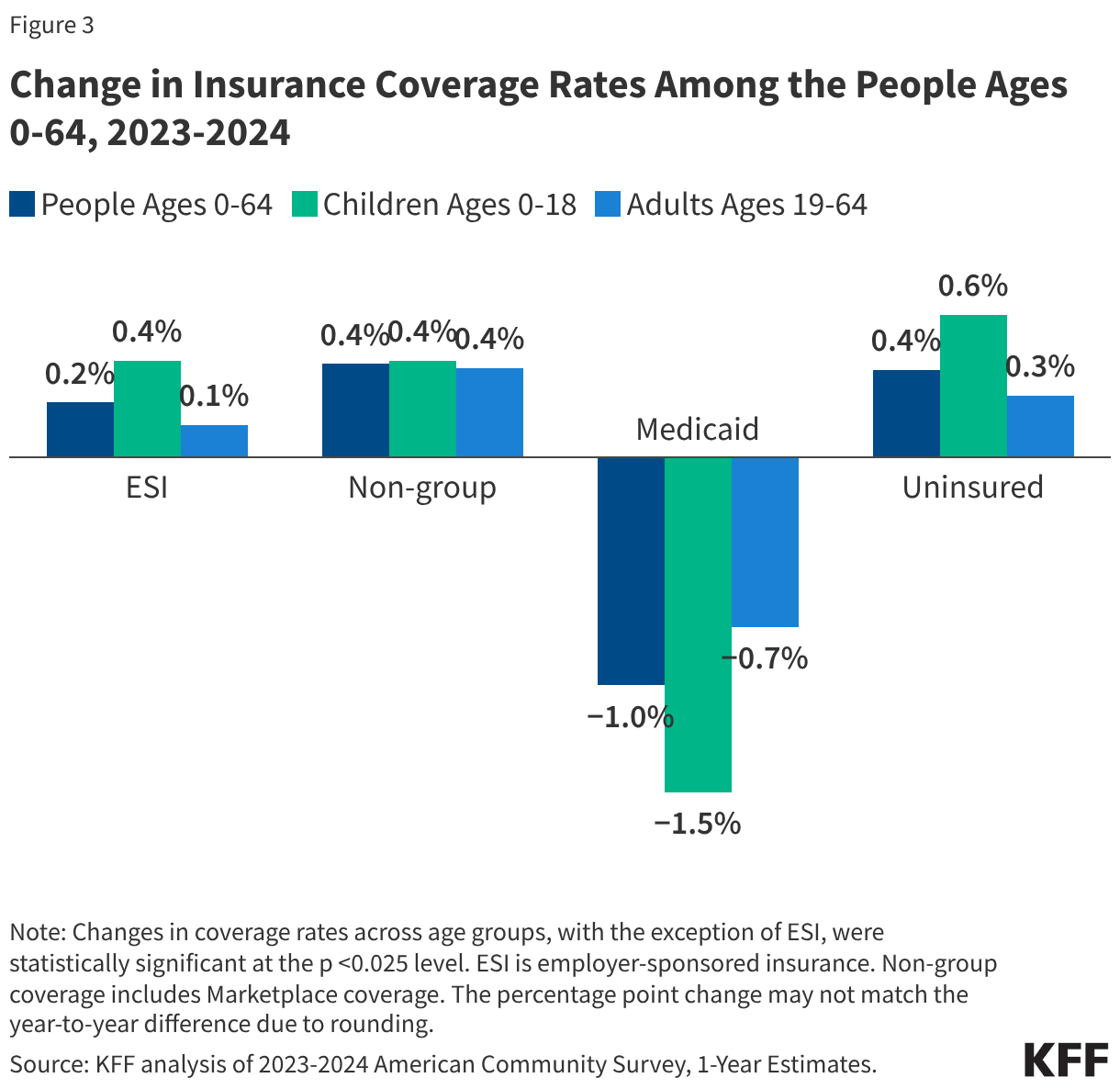
While many of those losing Medicaid transitioned to subsidized coverage through the Affordable Care Act (ACA) Marketplace, this shift was insufficient to fully offset the decline in Medicaid enrollment. The enhanced Marketplace subsidies, initially enacted in the American Rescue Plan Act (ARPA) and extended through 2025 by the Inflation Reduction Act of 2022 (IRA), offered crucial financial assistance. However, even with these subsidies in place during 2024, coverage remained unaffordable for some, highlighting persistent gaps in the system. The expiration of these enhanced subsidies at the end of 2025 is expected to exacerbate affordability issues, potentially leading to further coverage losses. Employer-sponsored insurance, a cornerstone of U.S. health coverage, remained largely unchanged between 2023 and 2024, underscoring that the primary shifts occurred within public and non-group markets.
Demographic Shifts: Who is Most Affected?
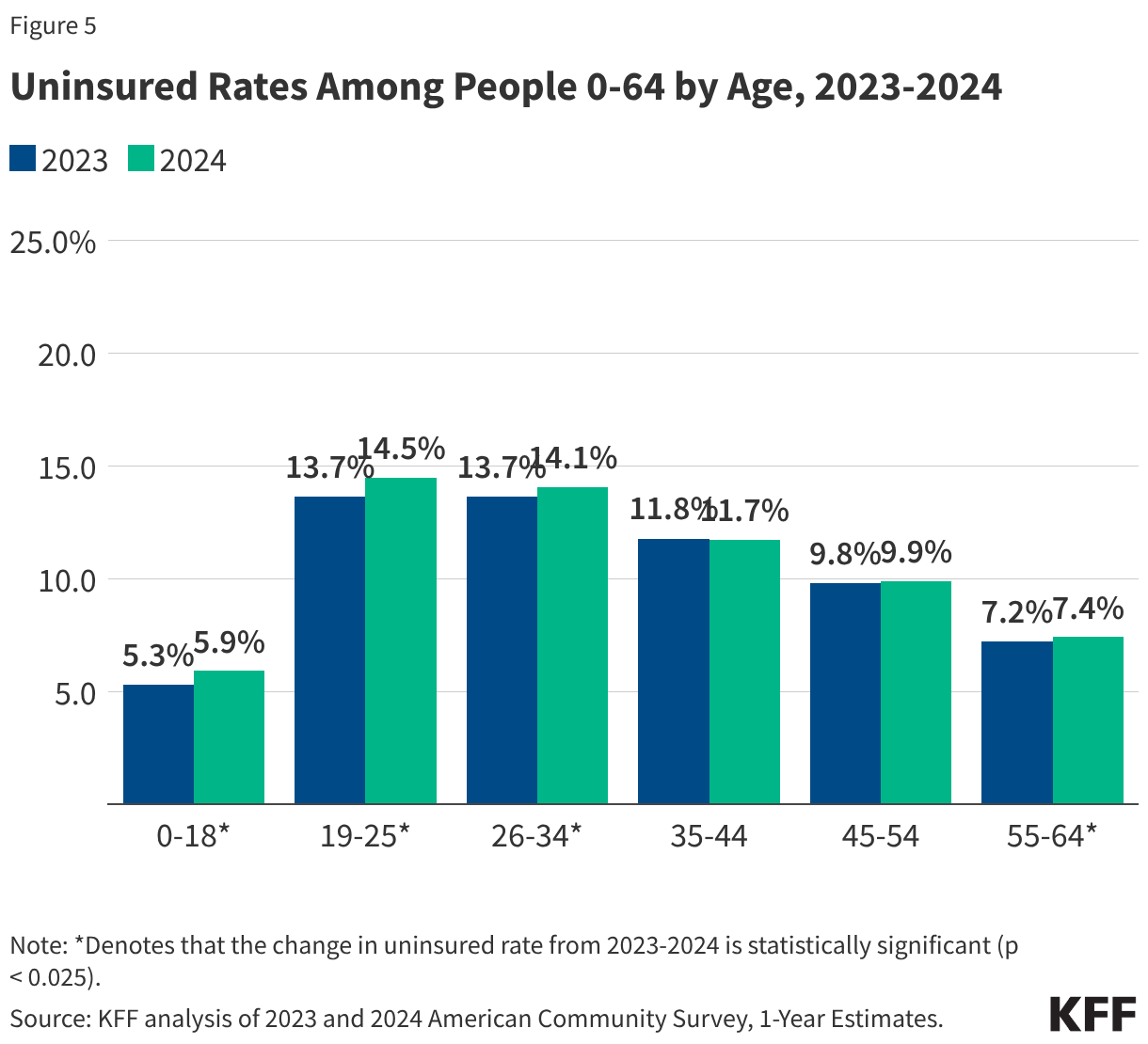
The increase in the uninsured rate was not evenly distributed across all age groups. While the overall rate for those aged 0-64 increased, children (aged 18 and younger) experienced a larger proportional rise, with their uninsured rate climbing from 5.3% to 5.9%. Adults aged 19-64 also saw an increase, albeit smaller, from 11.1% to 11.3%. This disparity in children’s coverage loss is largely attributed to a steeper drop in Medicaid enrollment for children compared to adults, reflecting the complexities of family-based eligibility redeterminations during the unwinding period.
Analysis of the 2024 uninsured population reveals several critical demographic characteristics:
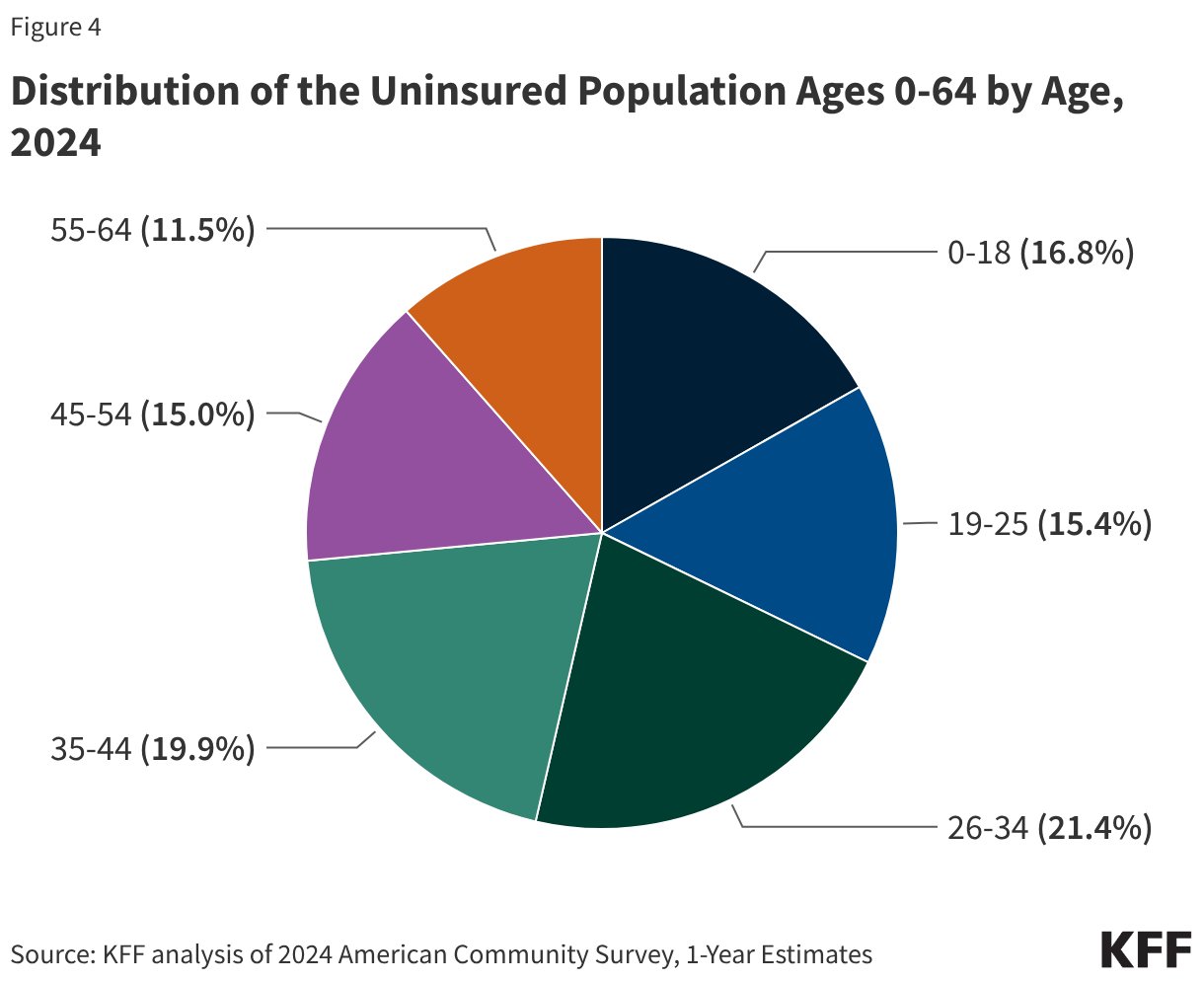
- Age: Adults aged 19-44 constitute over half (56.7%) of the uninsured population under 65, with young adults (19-25) and adults (26-34) having particularly high uninsured rates (14.5% and 14.1% respectively). This is partly due to individuals aging off their parents’ plans and facing challenges securing their own coverage.
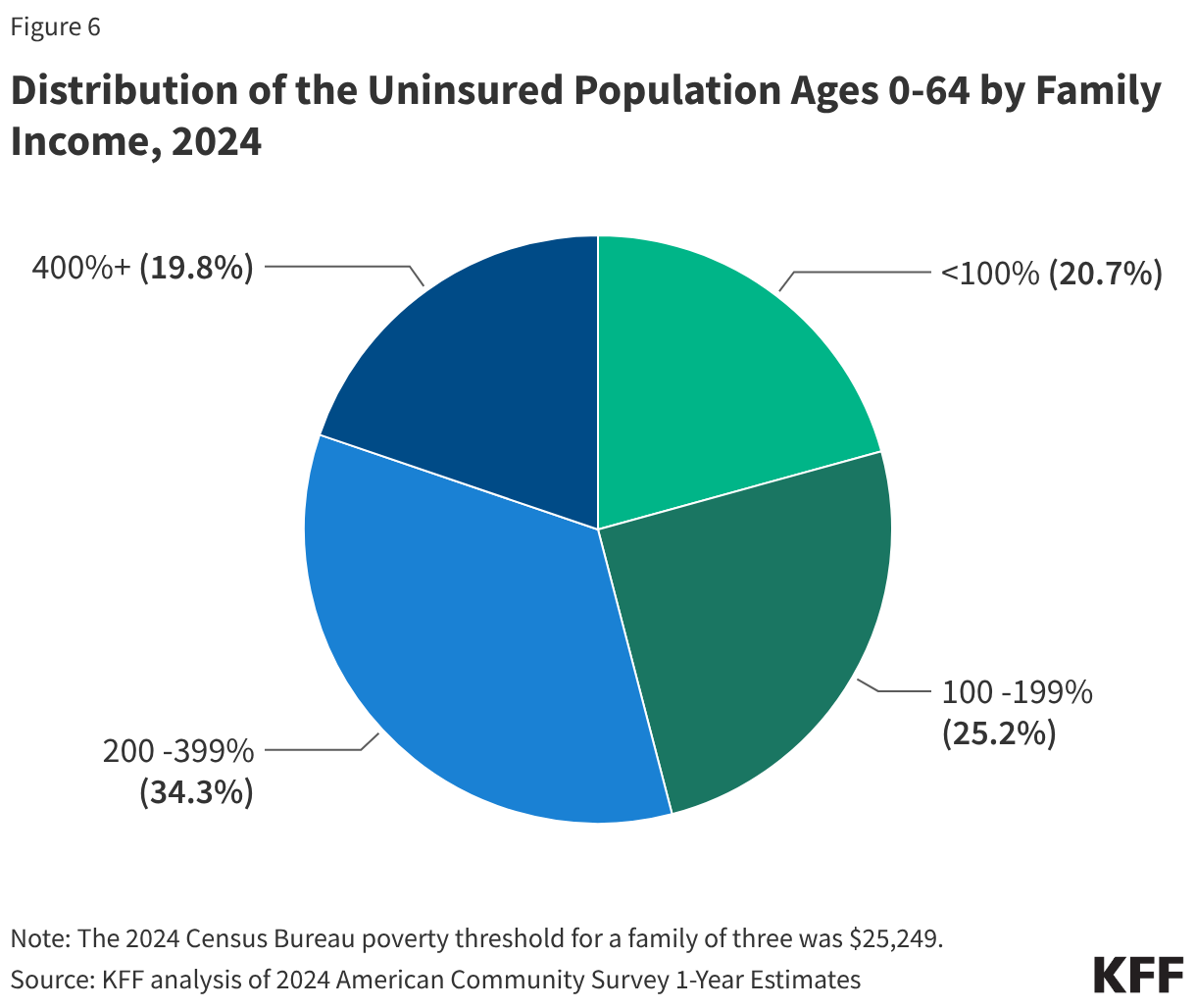
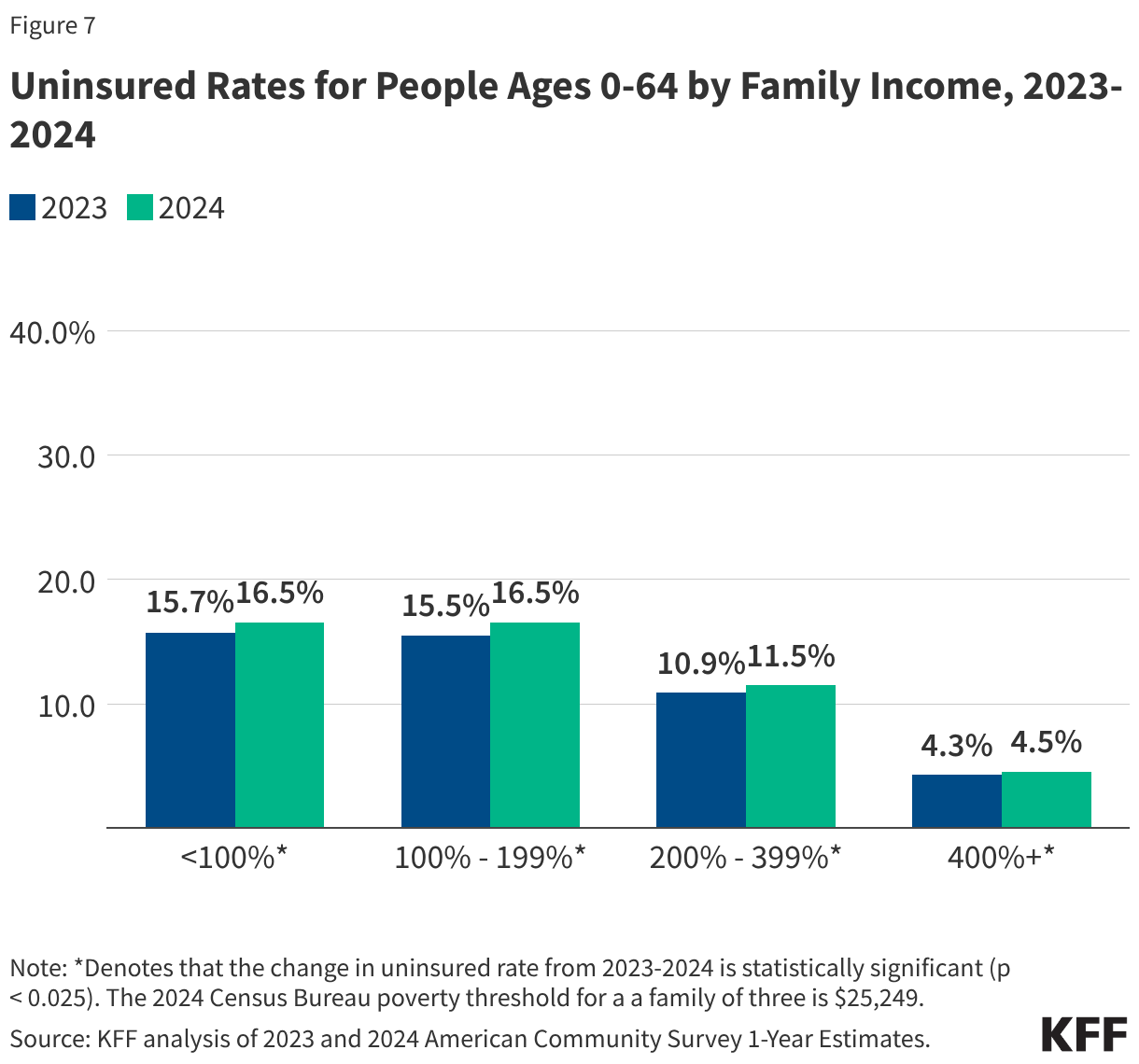
- Income: Financial vulnerability remains a dominant theme, with eight out of ten (80.2%) uninsured individuals under 65 belonging to families with incomes below 400% of the federal poverty level (FPL). Nearly half (45.9%) had incomes below 200% FPL. These low-income populations, already facing economic hardships, are significantly more likely to be uninsured, with a 16.5% uninsured rate for those in poverty or between 100-199% FPL, compared to just 4.5% for those above 400% FPL.
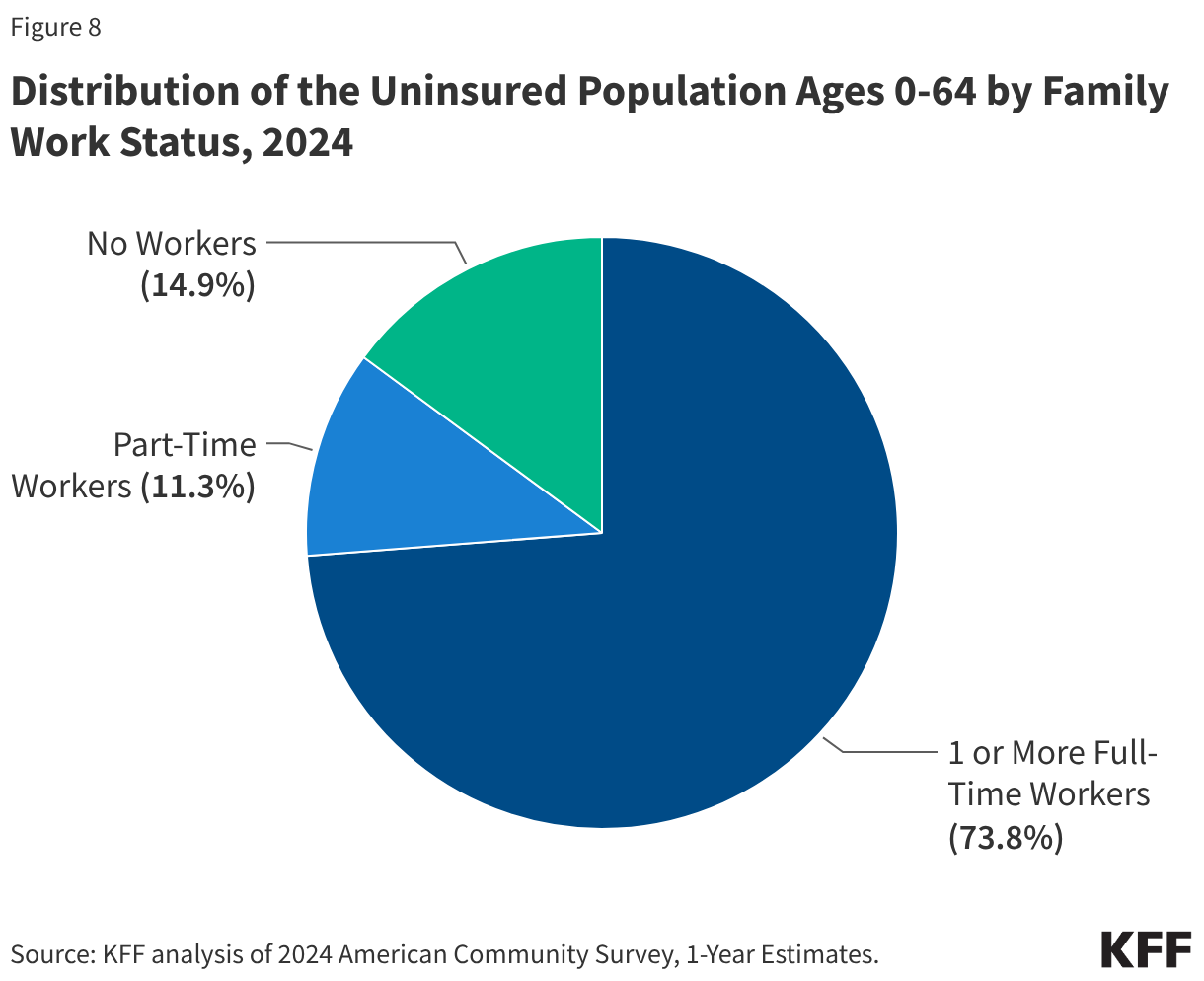
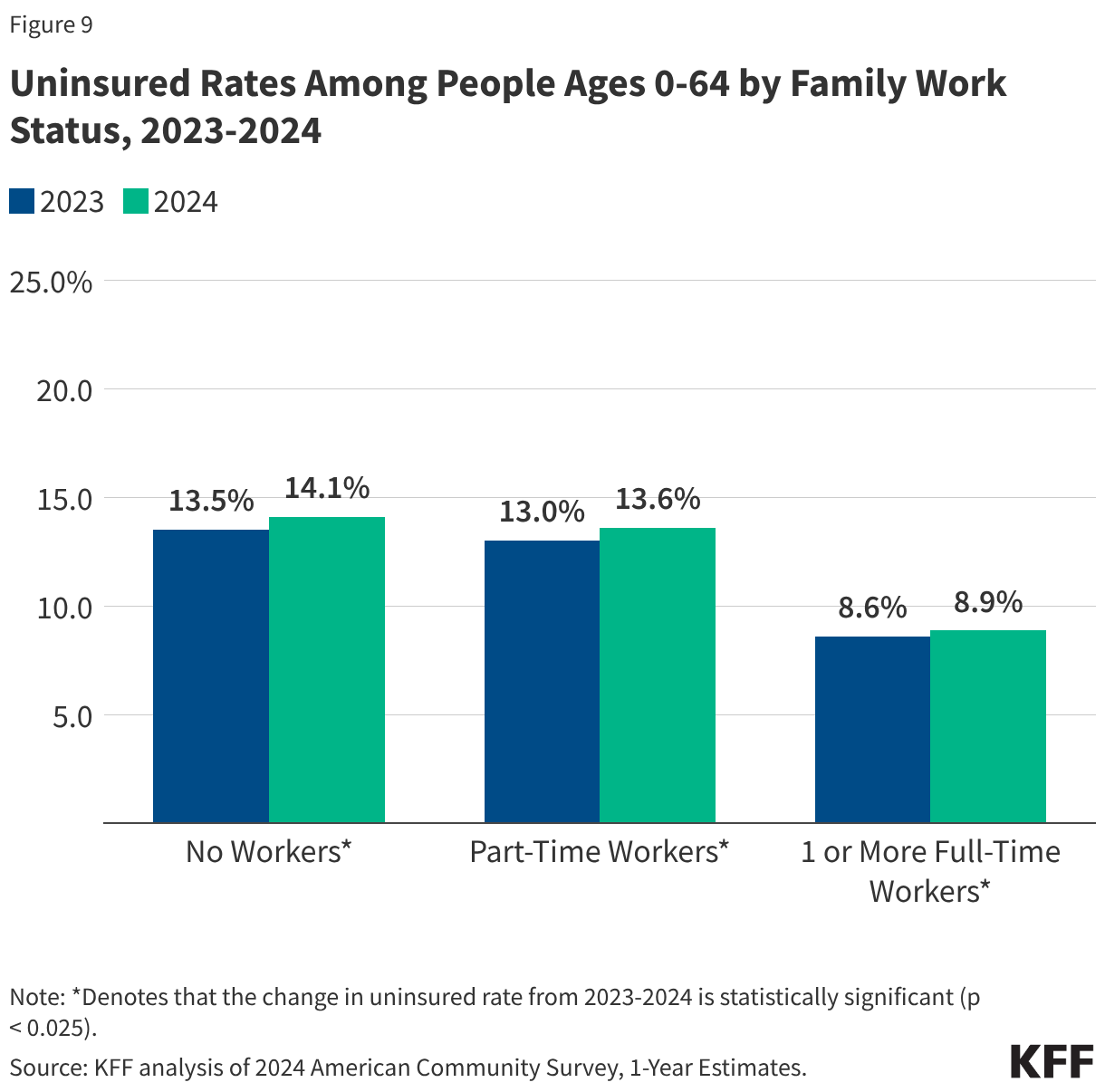
- Work Status: The notion that employment guarantees health coverage is challenged by the data. A vast majority (85.1%) of uninsured individuals lived in working families in 2024, with nearly three-quarters (73.8%) having at least one full-time worker. However, individuals in families with no workers or only part-time workers were nearly twice as likely to be uninsured (14.1% and 13.6%, respectively), highlighting gaps in employer-sponsored coverage, particularly for part-time or contract roles.
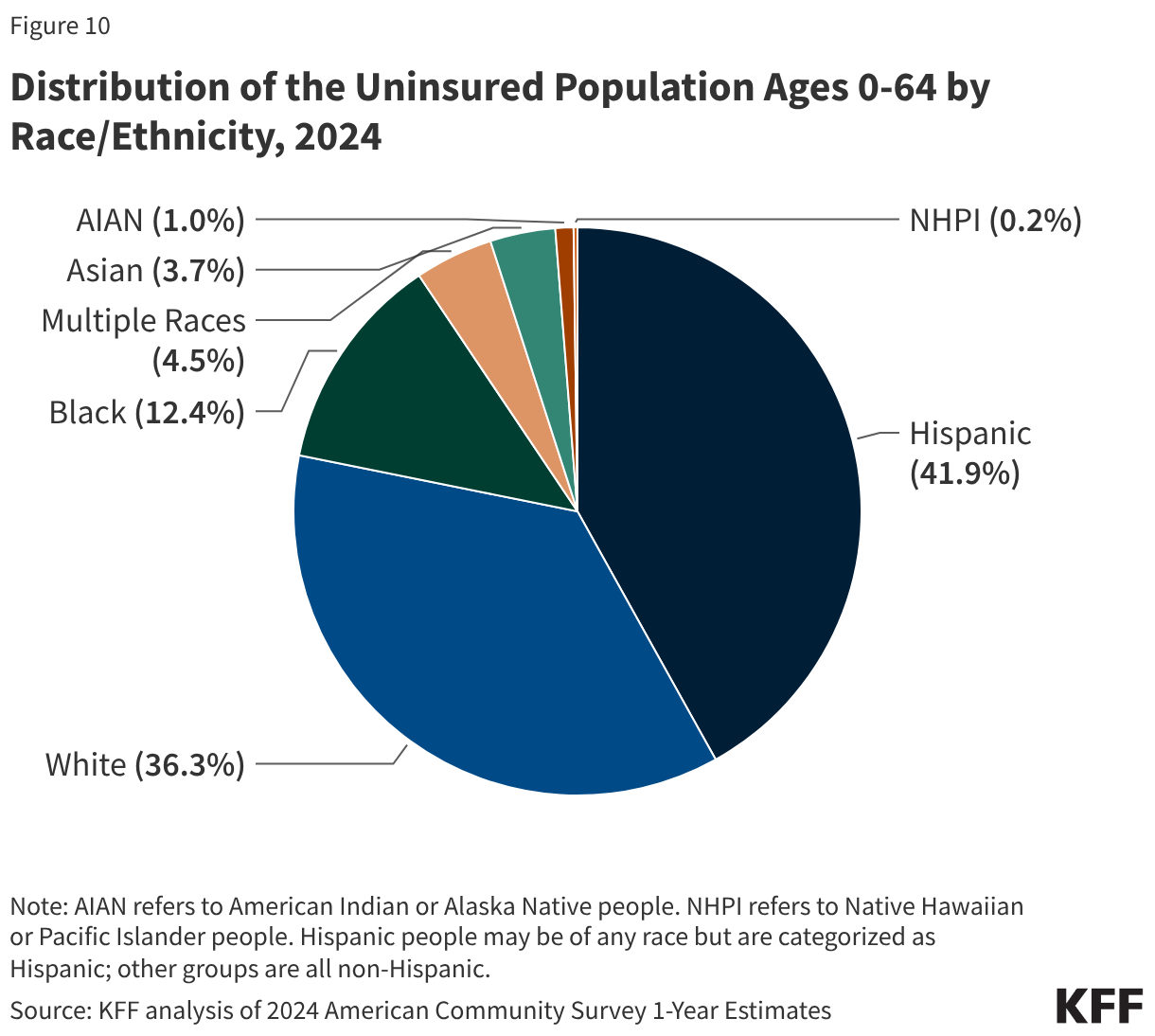
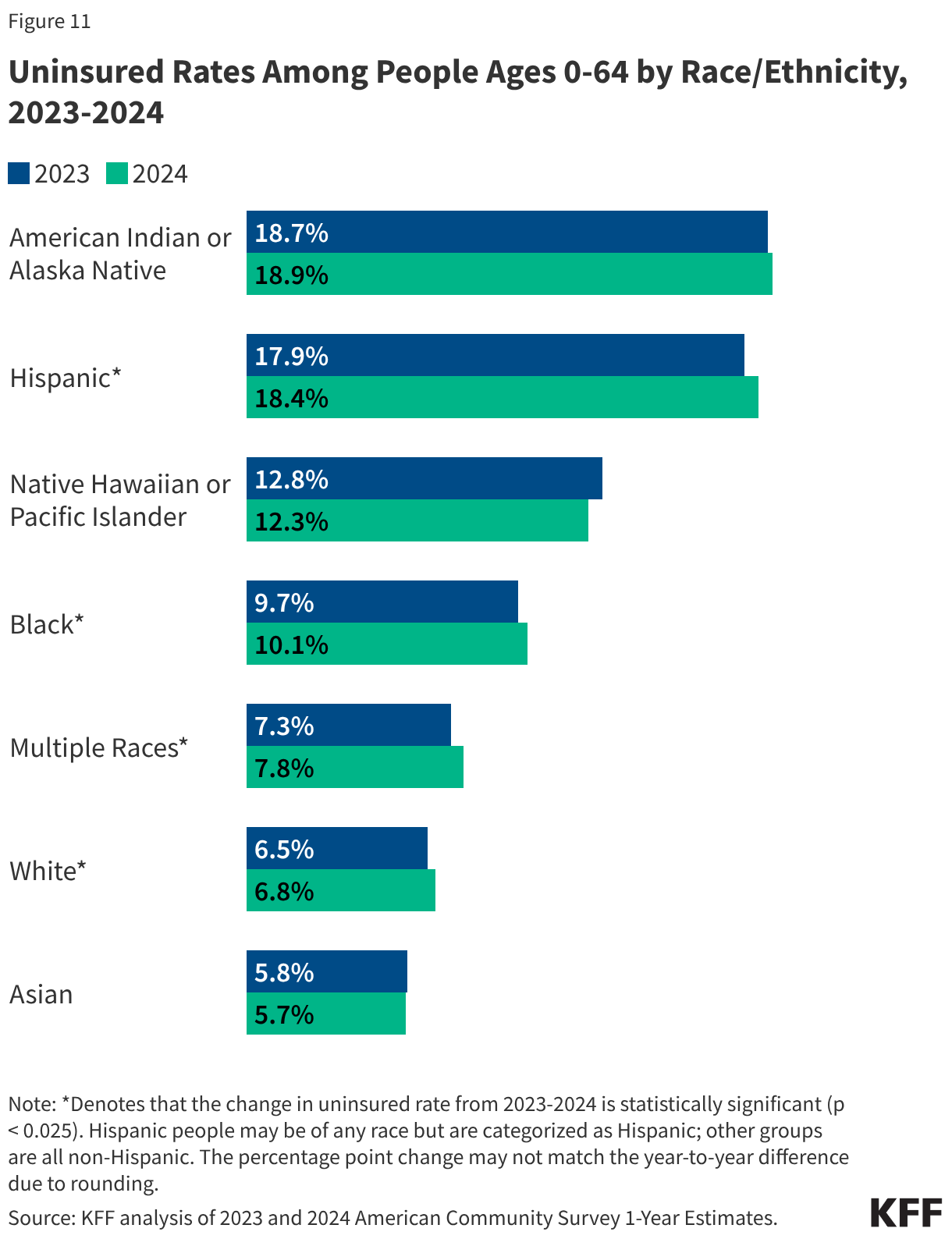
- Race and Ethnicity: Persistent health coverage disparities are evident. People of color accounted for nearly two-thirds (63.7%) of the uninsured population in 2024. Hispanic (41.9%) and Black (12.4%) individuals represented significant proportions. American Indian or Alaska Native (AIAN) and Hispanic people bore the highest uninsured rates at 18.9% and 18.4% respectively, more than two and a half times the rate for White individuals (6.8%). Black people (10.1%) and Native Hawaiian or Pacific Islander (NHPI) people (12.3%) also faced higher uninsured rates, while Asian individuals had the lowest at 5.7%. The largest increases in uninsured rates from 2023 to 2024 were observed among Hispanic and Black populations, further exacerbating existing inequities.
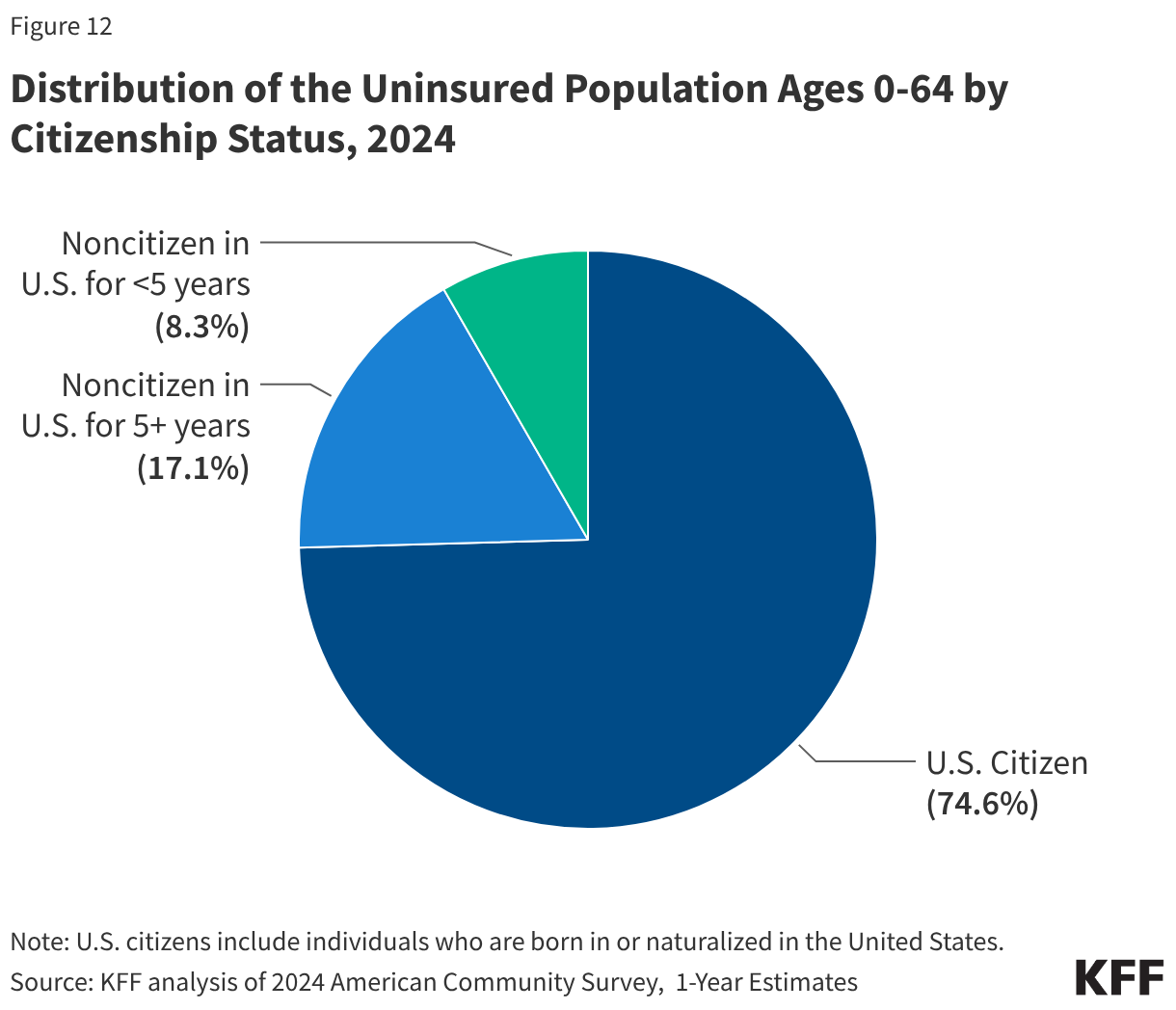
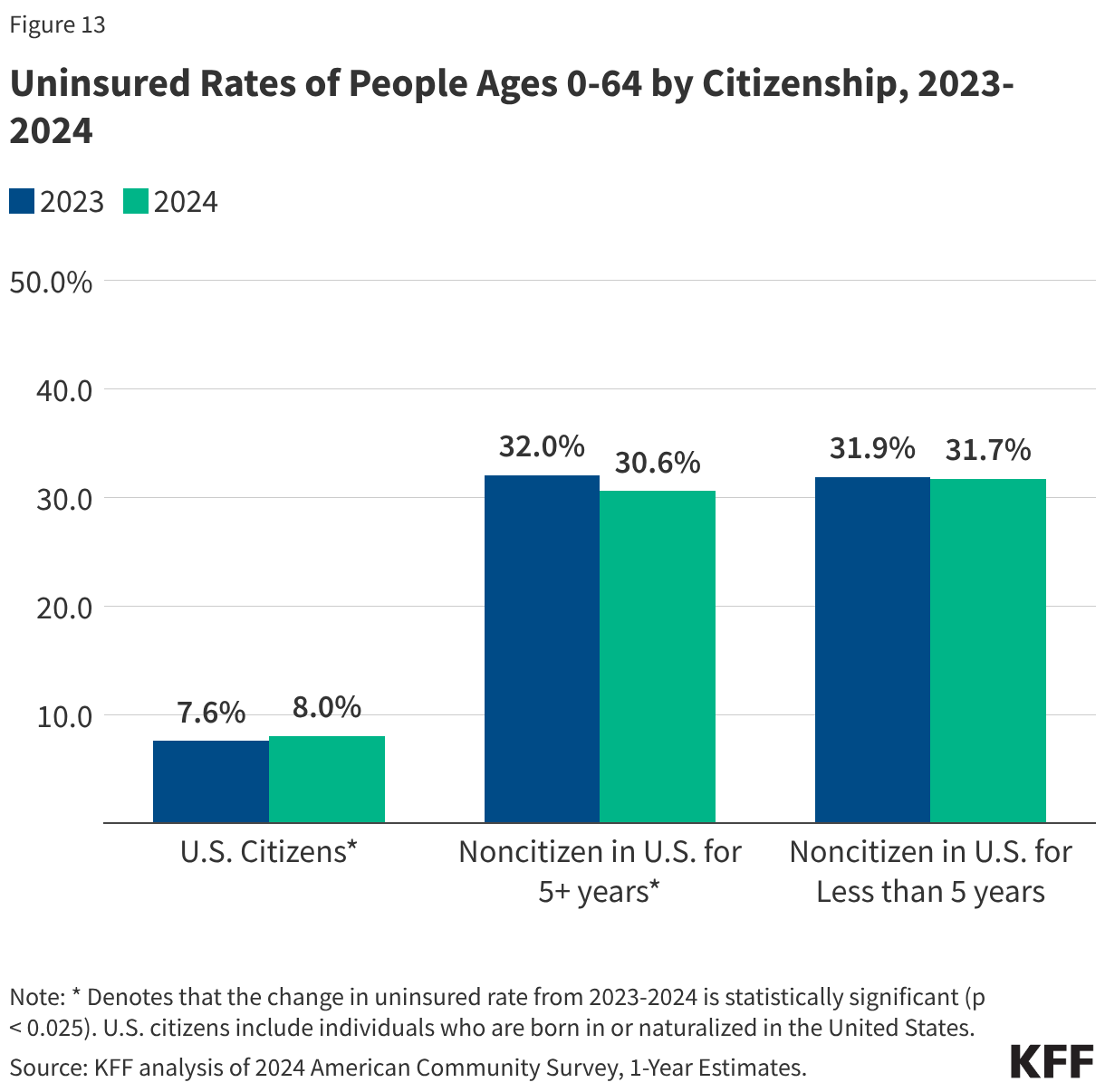
- Citizenship Status: Noncitizens face significant barriers to coverage. While most uninsured individuals (74.6%) were U.S. citizens, noncitizens had a strikingly higher uninsured rate. Nearly one-third of noncitizen immigrants (31.7% for those in the U.S. less than five years, 30.6% for those in the U.S. more than five years) were uninsured in 2024, compared to 8.0% for U.S.-born and naturalized citizens. This disparity is partly due to eligibility restrictions for public programs and the impact of immigration enforcement policies.
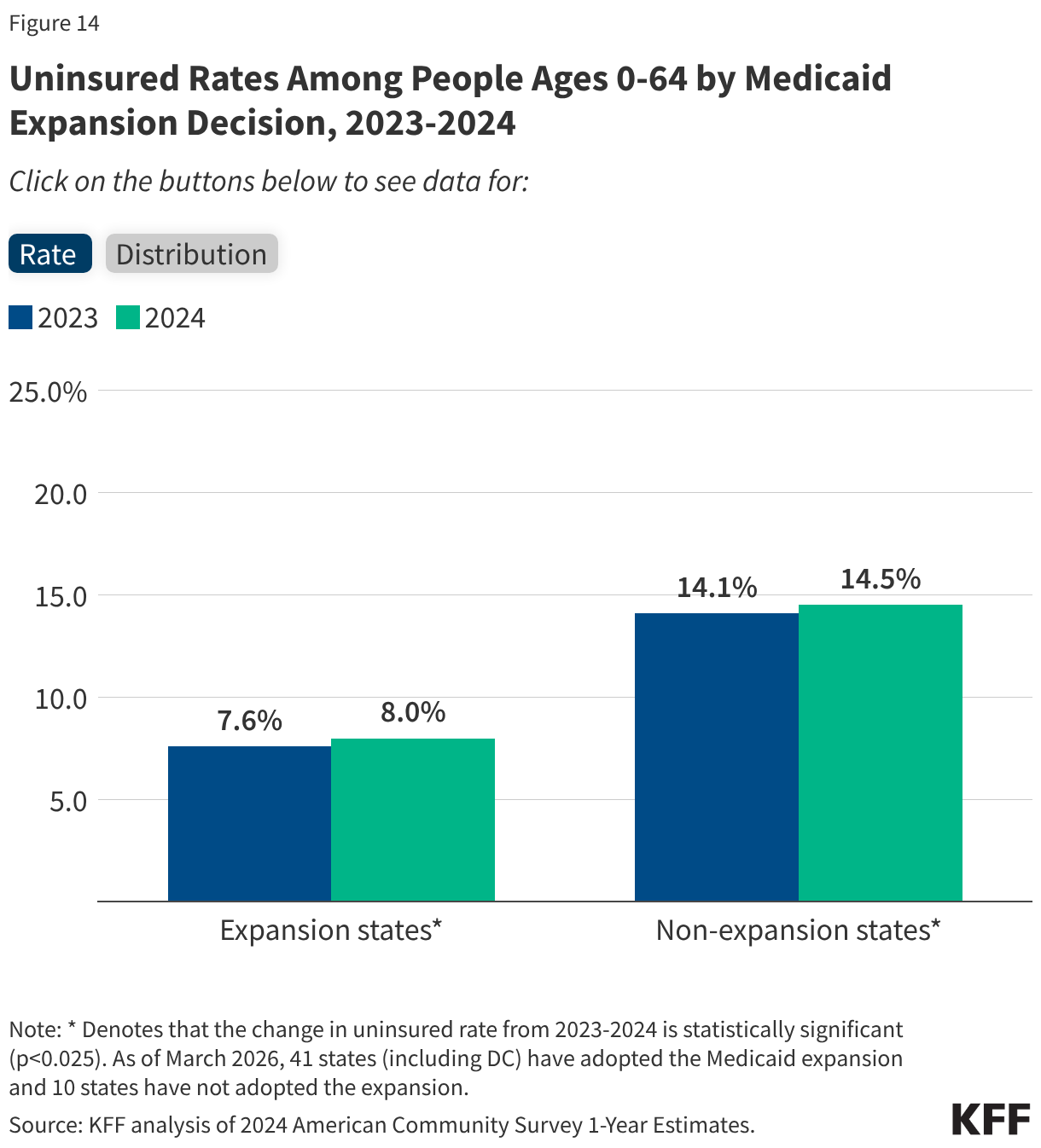
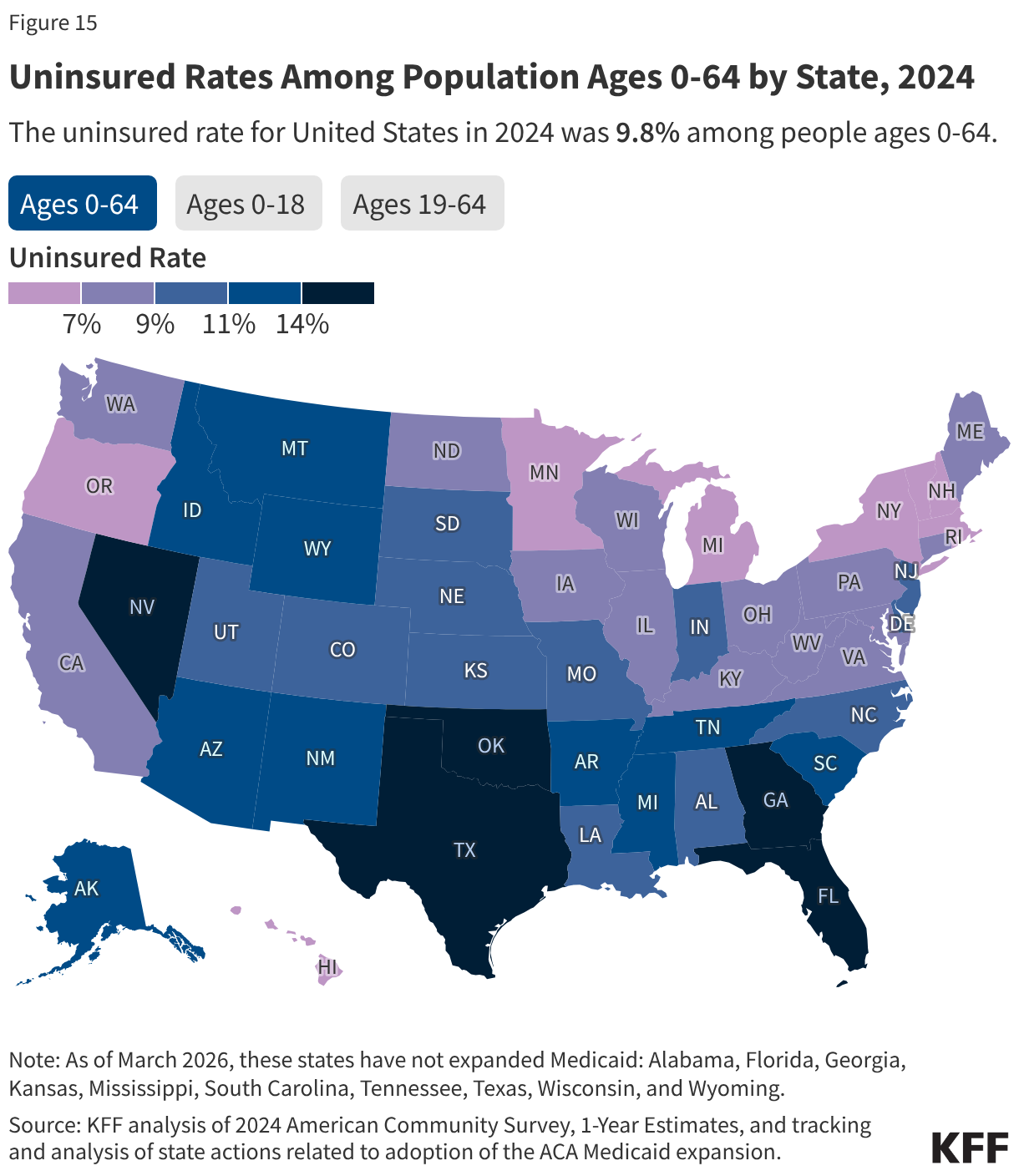
- Geographic Distribution: State policy choices significantly influence uninsured rates. A disproportionate 42% of uninsured individuals reside in the ten states that have not expanded Medicaid under the ACA. These non-expansion states, including large populations in Texas and Florida, exhibit an uninsured rate of 14.5%, nearly double the 8.0% rate in expansion states. Texas, for instance, recorded the highest uninsured rate nationally at 19.2%, while Massachusetts had the lowest at 3.3%, illustrating the profound impact of state-level decisions on coverage access.
Barriers to Coverage: Affordability, Eligibility, and Awareness
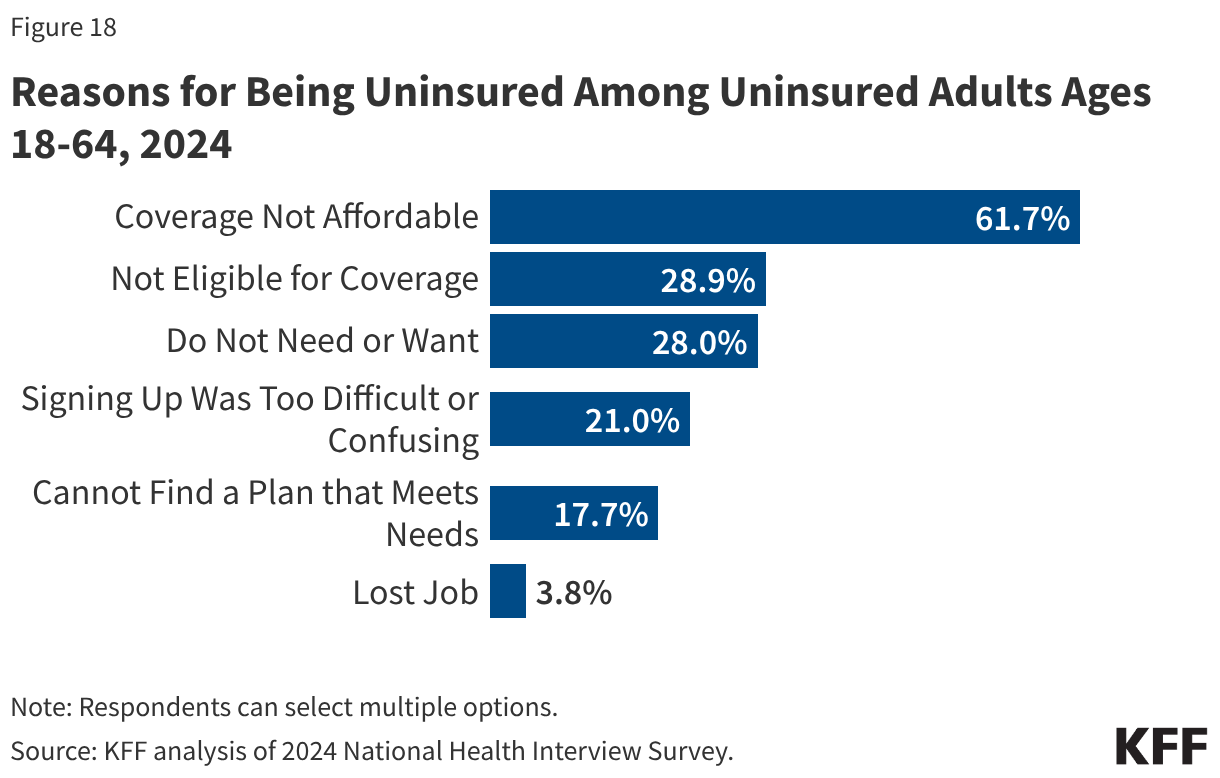
The primary reason cited by uninsured adults for lacking coverage is affordability. In 2024, 61.7% of uninsured adults aged 18-64 stated that coverage was simply too expensive. This challenge is compounded by limitations in employer-sponsored coverage, with about 70% of uninsured working adults not having access to health insurance through their job. Six in ten uninsured adult workers were employed by companies that did not offer health insurance, while others were ineligible due to part-time status or temporary contracts. The rising cost of family premiums, which increased by 53% from 2015 to 2025, further strains household budgets, especially for low-income families.
Medicaid eligibility limitations also create significant coverage gaps. In the 10 states that have not expanded Medicaid, the median eligibility level for parents is a meager 33% FPL, and adults without dependent children are largely ineligible. This leaves millions of poor uninsured adults in a "coverage gap," earning too much for Medicaid but not enough for Marketplace premium tax credits. Moreover, immigrant communities face unique hurdles, including a five-year waiting period for many lawfully present immigrants to enroll in Medicaid, and outright ineligibility for federally funded coverage for undocumented individuals.
Even for those potentially eligible for financial assistance, awareness and enrollment barriers persist. About half (52.2%) of the uninsured in 2024 were estimated to be eligible for either Medicaid or subsidized Marketplace coverage. However, they may be unaware of these options, face administrative difficulties in enrolling, or find the remaining costs, even with subsidies, still unaffordable. The anticipated changes from the 2025 reconciliation law, imposing new work requirements and more frequent eligibility determinations for Medicaid, and new restrictions on immigrant eligibility, threaten to further complicate access to coverage.
Consequences of Lacking Coverage: Health and Financial Strain
The absence of health insurance carries severe consequences for individuals and the broader healthcare system. Uninsured adults are significantly less likely to access routine care, leading to delayed diagnoses and poorer health outcomes. In 2024, nearly half (46.2%) of uninsured adults reported not seeing a doctor in the past year, and 40.8% lacked a regular place for medical advice. This compares starkly to insured adults, with only 14.7% of privately insured and 12.8% of publicly insured adults reporting similar access issues.
Cost acts as a major deterrent to care. Nearly four in ten uninsured adults (38.6%) delayed, skipped, or did not get needed care or medication due to cost, more than double the rates for insured adults. For individuals with chronic conditions like diabetes, the disparity is even more pronounced: 42.2% of uninsured adults with diabetes delayed or forgone care due to cost, compared to just 11.1% of insured adults. This leads to exacerbated chronic conditions, higher rates of avoidable hospitalizations, and ultimately, higher mortality rates among the uninsured. Research consistently shows that gaining health insurance, particularly through Medicaid expansion, significantly improves access to care, utilization of services, affordability, and financial security, and is associated with increased early-stage diagnoses and reduced mortality.
Beyond health implications, being uninsured often leads to significant financial distress. Uninsured adults are nearly twice as likely as insured adults to report difficulty paying healthcare costs (82% vs. 42%). Almost six in ten (59%) uninsured adults reported problems paying for healthcare, compared to 30% of insured adults. This financial strain translates into broader economic insecurity, with uninsured adults being more likely to experience issues such as overdrawing checking accounts, being contacted by debt collection agencies, and using payday loans. Medical debt is a pervasive issue, affecting more than one-third (34%) of uninsured adults and leading to negative consequences like depleting savings and difficulty paying other living expenses.
A Challenging Outlook: Projections for Future Increases
The current rise in uninsured rates is not an isolated event but rather a precursor to a potentially larger trend. The Congressional Budget Office (CBO) projects that over 14 million more people could become uninsured by 2034. This alarming forecast is attributed to the combined effects of the 2025 reconciliation law, which includes changes to Medicaid and Marketplace eligibility, and the expiration of the enhanced ACA Marketplace subsidies. The reconciliation law’s new work requirements for Medicaid recipients and more frequent eligibility determinations, alongside tighter restrictions on immigrant eligibility, are anticipated to further reduce coverage.
Furthermore, increased immigration enforcement activities and policy changes, such as the "public charge" rule under the previous administration, have created a "chilling effect" that discourages lawfully present immigrants, even those eligible, from enrolling themselves or their children in health coverage programs. These factors collectively paint a challenging picture for the future of health coverage in the U.S., with serious implications for access to care, financial stability, and the exacerbation of existing health disparities.
Health policy experts and advocacy groups continue to underscore the critical role of affordable, accessible health coverage in ensuring public health and economic well-being. The current trends highlight the fragility of the U.S. healthcare system for millions, particularly those with low incomes, and emphasize the ongoing need for robust policies that expand coverage and address the root causes of uninsurance. As the nation moves forward, the rising number of uninsured individuals will undoubtedly remain a central issue in healthcare debates, demanding comprehensive solutions to safeguard the health and financial security of its most vulnerable populations.
Related posts: