Scientists have uncovered a surprising connection between the bacteria living in the human gut and the speed at which the body ages.

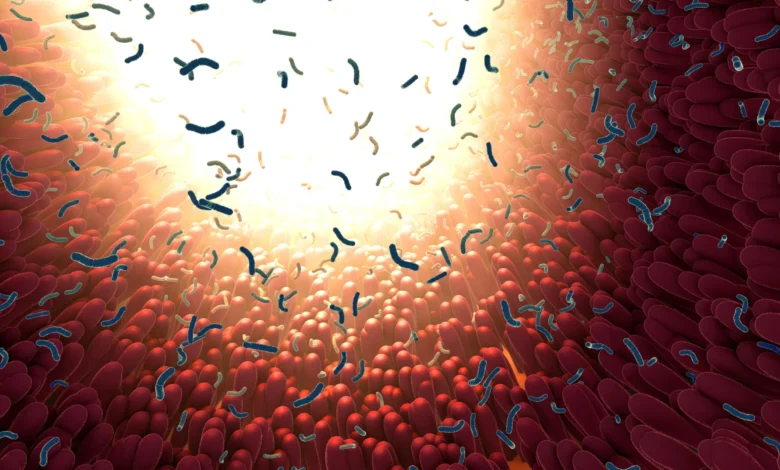
New research conducted by a team at the University of Hawai‘i at Mānoa has provided compelling evidence that the complex ecosystem of microorganisms residing in the human digestive tract—the gut microbiome—serves as a significant biological barometer for the aging process. By analyzing stool and blood samples from 123 diverse participants, researchers have determined that gut bacterial composition accounts for approximately 15% of the variance in biological aging rates. This finding, published in the journal Scientific Reports, challenges the traditional focus on chronological age and shifts the spotlight toward the molecular mechanisms that dictate how rapidly an individual’s body experiences decline.
Defining Biological vs. Chronological Age
To understand the significance of this study, one must distinguish between the two primary ways of measuring human age. Chronological age is the simple passage of time from birth, represented by the number of years a person has lived. Biological age, by contrast, is a more nuanced metric that tracks the cumulative physiological wear and tear on cells, tissues, and organ systems.
The researchers utilized the DunedinPACE (Pace of Aging Calculated from the Epigenome) biomarker, an advanced diagnostic tool that evaluates the rate at which an individual’s internal systems are aging. By correlating this biomarker with the gut microbiome, the study revealed that the internal "clock" of the human body may be significantly influenced by the microbial environment. While genetics account for a portion of how we age, this study underscores that the microbiome—a system that can be modulated by external factors—plays a decisive role in the trajectory of human longevity.
Identifying the Microbial Drivers of Longevity
The study identified specific bacterial species that appear to either accelerate or decelerate biological aging. Among the most significant findings was the positive correlation between Bifidobacterium adolescentis and slower biological aging. Often found in healthy human gut environments, this bacterium is frequently associated with the maintenance of gut barrier integrity and reduced systemic inflammation.
Conversely, the presence of Succinivibrio dextrinosolvens was strongly linked to an accelerated pace of biological aging. These specific bacterial signatures provide a blueprint for future researchers to examine how the gut-brain-body axis functions. The identification of these specific microbes suggests that the microbiome is not merely a bystander in the aging process but may be an active participant in regulating the molecular markers that define healthspan.
A Diverse Cohort: The Importance of Inclusion
A standout feature of this research is its commitment to inclusivity. The cohort included a significant representation of Native Hawaiian and Pacific Islander participants, groups that have historically been marginalized or underrepresented in large-scale clinical studies.
Co-author Ruben Juarez noted that this demographic diversity is essential for understanding the intersection of social determinants of health and biological outcomes. By observing how social circumstances and environmental conditions—often linked to specific regional and cultural lifestyles—influence the microbiome, the researchers were able to draw broader conclusions about how lived experiences are encoded into our biology. The microbiome acts as an interface between the individual’s external environment and their internal physiological state, providing a unique lens through which to view health disparities.
Chronology of Discovery and Methodological Rigor
The study, led by principal investigators at the John A. Burns School of Medicine, followed a meticulous multi-stage protocol:
- Initial Recruitment: The team assembled a cohort of 123 adults, ensuring a wide distribution of age, socioeconomic background, and ethnicity.
- Sample Collection: Participants provided stool samples to characterize the gut microbiome and blood samples to generate molecular markers for biological aging.
- Data Integration: Using high-throughput sequencing, the team identified the bacterial species present in the gut. These profiles were then cross-referenced with the DunedinPACE biomarkers.
- Statistical Modeling: The researchers adjusted for chronological age to ensure that the findings were specifically linked to the speed of aging rather than just the passage of time.
- Validation: The results were reviewed and analyzed to confirm the 15% variance link, a figure that experts consider statistically significant in the context of complex biological systems.
Implications for Precision Medicine
The implications for the field of precision medicine are profound. Because the gut microbiome is highly responsive to diet, exercise, stress levels, and antibiotic exposure, it represents a "modifiable" system. Unlike an individual’s genome, which is fixed at birth, the gut microbiome is a fluid, dynamic environment.
Lead author Braden P. Kunihiro emphasized that the research adds to a growing body of evidence that the microbiome is central to personalized health strategies. If scientists can eventually prove that altering the gut composition through diet, prebiotics, or probiotics can slow the pace of biological aging, it could lead to a paradigm shift in how clinicians approach geriatric care. Instead of treating age-related diseases as inevitable, doctors might one day offer "microbiome interventions" to help patients maintain a younger biological profile for longer.
Addressing the Causality Gap
Despite the excitement surrounding these findings, the research team maintains a high degree of scientific caution. Senior author Alika K. Maunakea has been careful to state that the current study demonstrates an association, not necessarily a direct causal relationship.
"We have identified a significant relationship, but we have not yet established a direct mechanism where these bacteria cause the observed aging changes," Maunakea noted. The question remains: Do specific bacteria slow down aging, or do individuals with slower aging rates simply provide a more hospitable environment for beneficial microbes to thrive?
To answer this, future research will require longitudinal studies—tracking the same individuals over several years—and clinical trials that test whether dietary interventions targeting these specific bacteria can actually shift the DunedinPACE score in human subjects.
The Broader Impact on Health Trajectories
The findings align with a growing trend in medical research toward understanding "healthspan"—the period of life spent in good health—rather than just "lifespan." If the gut microbiome is indeed a primary regulator of biological aging, it offers a novel pathway for managing chronic conditions such as cardiovascular disease, metabolic syndrome, and neurodegenerative decline.
Public health experts are noting that the influence of environmental factors—such as nutrition, urban living, and socioeconomic stress—on the microbiome could explain why certain populations face earlier health declines than others. By mapping the microbiome, researchers are essentially mapping the biological history of the individual.
Future Directions for Research
As the scientific community moves forward, the focus will likely shift toward "microbial signatures." These are specific patterns of bacteria that could serve as diagnostic markers for early-onset aging. If a patient’s microbiome composition can be used as a predictive tool, physicians might be able to intervene long before clinical symptoms of age-related illnesses appear.
Furthermore, the integration of these findings into standard wellness practices could transform the field of preventative medicine. If the microbiome can be optimized to improve "biological resilience," the focus of modern medicine could shift from reactive treatment to proactive, lifestyle-based maintenance.
In conclusion, the study from the University of Hawai‘i at Mānoa serves as a foundational piece of a much larger puzzle. While the road from discovery to clinical application is long, the link between the gut and the biological clock has been firmly established as a priority area for future investigation. As we continue to decode the complex relationship between our internal microbial residents and our overall vitality, we move closer to a deeper understanding of the biological constraints of human life and the potential to extend our healthiest years. The microbiome, once seen as merely a digestive assistant, is increasingly being recognized as a central conductor of the human aging process.