WHO Launches SCORE for Health Data Technical Package to Revolutionize Global Public Health Systems

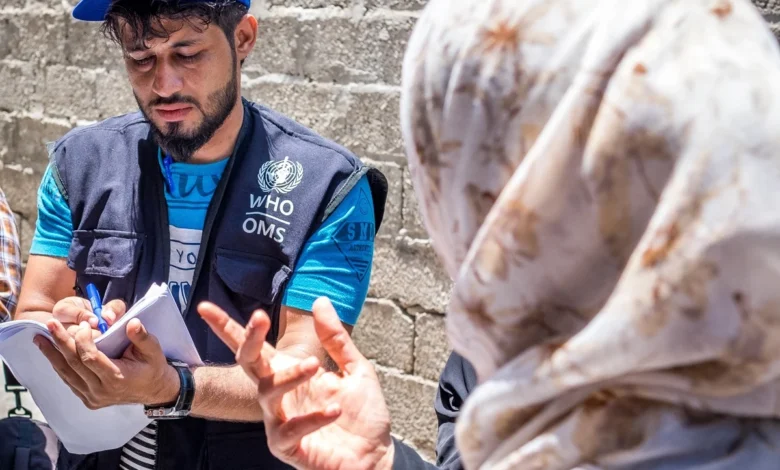
In a decisive move to fortify health information systems and address glaring vulnerabilities exposed by the global coronavirus pandemic, the World Health Organization (WHO) has officially launched a comprehensive new framework known as the SCORE for Health Data Technical Package. Unveiled to public health officials, government leaders, and international stakeholders, the initiative is designed to bridge critical gaps in how nations collect, analyze, and utilize health data. As health systems worldwide continue to grapple with the multifaceted pressures of COVID-19 and other persistent health crises, the newly introduced package aims to provide a harmonized, practical, and flexible set of tools to ensure that accurate data drives strategic health interventions and emergency responses across the globe.
The Urgency of Reliable Data in a Global Health Crisis
The genesis of the SCORE Technical Package is deeply rooted in the harsh lessons learned during the ongoing COVID-19 pandemic. From the earliest days of the outbreak, public health experts noted a profound disparity in how countries tracked infections, mortality rates, and resource allocation. While some nations possessed robust digital infrastructure capable of real-time epidemiological tracking, many others struggled with fragmented data collection, delayed reporting mechanisms, and a severe shortage of analytical capacity. These deficiencies not only hampered local containment efforts but also complicated global coordination and resource distribution.
Accurate health data serves as the foundation of any effective public health response. Without reliable statistics regarding disease prevalence, demographic vulnerabilities, and healthcare utilization, governments are effectively navigating blindfolded. Decision-makers require precise metrics to determine where medical supplies, personal protective equipment (PPE), personnel, and financial resources are most urgently needed. Furthermore, robust data systems are essential for evaluating the long-term efficacy of public health policies, ensuring accountability, and maintaining public trust during times of crisis.
Recognizing these systemic challenges, WHO leadership emphasized that robust data collection is no longer merely an administrative luxury, but an absolute operational necessity. The organization’s top officials have consistently stressed that strengthening national statistical systems must become an immediate global priority if the international community hopes to achieve the United Nations Sustainable Development Goals (SDGs) and the ambitious targets outlined in WHO’s Thirteenth General Programme of Work.
Deconstructing the SCORE Framework: Survey, Count, Optimize, Review, Enable
The acronym SCORE stands for five essential pillars of health information management: Survey, Count, Optimize, Review, and Enable. Developed in direct response to the data availability and quality shortcomings highlighted in publications such as the WHO World Health Statistics 2020 report, the technical package consolidates more than 90 universally accepted tools and standards into a single, cohesive resource.
The first pillar, Survey, focuses on population-based surveys and health examinations to gather comprehensive data on risk factors, health status, and coverage of essential services. The second pillar, Count, emphasizes the rigorous registration of vital events, including births, causes of death, and the tracking of institutional health service use. The third pillar, Optimize, centers on health service data, ensuring that routine facility reporting is accurate, timely, and actionable. The fourth pillar, Review, encourages regular monitoring and evaluation of health trends and data quality to inform policy adjustments. Finally, the fifth pillar, Enable, addresses the overarching legal, institutional, and technological infrastructure required to support sustainable health information systems.
By bringing these diverse elements together into a harmonized framework, the SCORE package eliminates the need for governments to piece together disparate guidelines from multiple sources. It establishes clear global benchmarks and standardized methodologies, enabling low- and middle-income countries, in particular, to elevate the quality, reliability, and comparability of their national health data.
Strategic Partnerships and Institutional Support
The development and rollout of the SCORE Technical Package have been significantly bolstered by key international collaborations, most notably with Bloomberg Philanthropies. Through the Bloomberg Philanthropies Data for Health Initiative, financial and technical resources were channeled into the creation of this vital global public good.
Public health advocates have long argued that philanthropic investments yield the highest returns when directed toward foundational infrastructure rather than short-term fixes. By supporting the creation of the SCORE package, Bloomberg Philanthropies has helped furnish country governments with high-grade technical guidance designed to be adapted to local contexts. This partnership underscores a growing recognition among international donors that sustainable health improvements require long-term investments in data architecture and institutional capacity.
In addition to philanthropic backing, the initiative represents a collaborative effort involving numerous international agencies, academic institutions, and national ministries of health. Experts from diverse geographical regions contributed to the drafting and peer-reviewing of the tools included in the package, ensuring that the standards are both scientifically rigorous and practically applicable in diverse resource settings.
Official Statements and Leadership Perspectives
At the official launch event, WHO Director-General Dr. Tedros Adhanom Ghebreyesus underscored the fundamental premise underlying the new initiative. “Countries must be able to measure progress to make progress,” Dr. Tedros stated. He emphasized that particularly during the unprecedented challenges of the COVID-19 pandemic, reliable data remains the single most effective tool for coordinating response efforts, protecting vulnerable populations, and improving health outcomes across all geographical areas.
Echoing these sentiments, Dr. Kelly Henning, Director of Public Health Programs at Bloomberg Philanthropies, highlighted the timeliness of the release. “Using data to inform public health priorities and strategies has never been more important,” Dr. Henning noted. “The SCORE Technical Package provides country governments around the world with high-quality, essential technical guidance so that countries can strengthen their own data systems.”
Dr. Samira Asma, WHO Assistant Director-General for Data, Analytics and Delivery for Impact, offered a stark warning regarding the urgency of the situation. “We must keep score to save lives,” Dr. Asma asserted. She pointed out that the window of opportunity to address longstanding data gaps is rapidly closing. According to Dr. Asma, immediate investments in country-level statistical systems are mandatory not only to mount an effective ongoing defense against COVID-19 but also to meet global development targets, including the SDGs and the Triple Billion objectives. Furthermore, she stressed that disaggregated, country-owned data will be the bedrock upon which more resilient, equitable, and sustainable post-pandemic health systems are built.
Implementation, Flexibility, and Future Outlook
Designed with practicality in mind, the SCORE Technical Package is intentionally flexible to accommodate the vastly different starting points of various national health systems. Recognizing that a one-size-fits-all approach is ineffective in global public health, the framework allows governments to evaluate their current standing, identify specific weak points, and select appropriate tools for targeted improvement.
The initial rollout of the package features two foundational documents designed to guide immediate assessment and planning. However, WHO has confirmed that additional components will be released later in the calendar year. These forthcoming additions include the SCORE Assessment Instrument—a detailed diagnostic tool to help nations evaluate their health information system performance—alongside comprehensive global, regional, and country status reports.
Once fully deployed, these complementary resources will provide a complete, end-to-end toolkit for policymakers. Governments will be equipped to plan strategic interventions, monitor real-time progress against national and subnational priorities, and measure their achievements against internationally agreed-upon global health targets.
Broader Implications for Global Health Security
The introduction of the SCORE for Health Data Technical Package arrives at a critical juncture in modern public health history. The COVID-19 pandemic has served as both an acute shock and a systemic stress test, revealing deep-seated inequalities and structural deficiencies in global health architecture. Yet, international health authorities view this crisis as a historic opportunity to "build back better" through enhanced international solidarity, transparent information-sharing, and cross-border collaboration.
Impartial analysts suggest that the success of the SCORE initiative will ultimately depend on sustained political will at the national level and predictable, long-term funding from the international community. While technical packages provide the necessary roadmap, national governments must commit domestic resources to recruit qualified personnel, upgrade technological infrastructure, and reform bureaucratic hurdles that impede data flow.
If successfully implemented, the long-term implications of the SCORE framework extend far beyond pandemic preparedness. Enhanced health information systems will enable better tracking of non-communicable diseases, maternal and child health indicators, antimicrobial resistance, and environmental health threats. By transforming raw administrative data into actionable intelligence, the WHO’s new technical package has the potential to save millions of lives, optimize the allocation of scarce public funds, and foster a more resilient, data-driven global health ecosystem for generations to come.