If you’ve heard of billionaire Bryan Johnson, you’ve likely encountered the phrase “bio age testing.”

The concept of "biological age," distinct from one’s chronological age, has surged into public consciousness, largely fueled by figures like tech entrepreneur Bryan Johnson. Johnson, featured in the Netflix documentary Don’t Die, has embarked on an ambitious and costly endeavor to reverse his biological aging process, aiming to achieve the lowest possible "bio age." His highly publicized "Project Blueprint" involves an array of anti-aging treatments, meticulously tracked through various biomarker tests, and has ignited widespread discussion about the science and accessibility of longevity interventions.
The Quest for Reversal: Bryan Johnson’s Blueprint
Johnson’s daily regimen is extreme, reportedly costing millions of dollars annually. It encompasses dozens of daily supplements, regular acid peels for skin rejuvenation, collagen-boosting injections, hyperbaric oxygen therapy, and even plasma infusions sourced from his 17-year-old son. These interventions are part of a broader strategy to optimize every organ in his body to that of a younger individual. He claims these rigorous efforts have yielded significant results, stating that his biological age has decreased by 5.1 years since he began his quest. "Apparently, he’s aging in reverse," the narrative suggests, painting a picture of scientific triumph over time.
However, Johnson’s claims have not been without scrutiny. A prominent New York Times exposé challenged the efficacy of his methods, asserting that his biological age had, in fact, increased by 10 years according to some metrics. This discrepancy highlights the nascent and often controversial nature of bio age testing and the interpretation of its results. Despite such criticisms, Johnson’s "don’t die" crusade continues to gain traction, capturing the imagination of many seeking to extend their healthy lifespan.
The broader public interest is evident in the frequent discussion of bio age tests on popular podcasts hosted by figures like Peter Attia, Joe Rogan, and Andrew Huberman. A quick online search for "bio age testing" reveals a burgeoning market of direct-to-consumer mail-order blood or urine testing kits. These kits promise to reveal one’s biological age, "pace of aging," and other health insights, with prices becoming increasingly affordable. This accessibility naturally leads to questions for individuals and health professionals alike: Should one engage in bio age testing, which test is most reliable, and crucially, how should the information be utilized?
Understanding Biological Age: More Than Just Candles on a Cake
Your biological age (bio age) refers to the functional health and efficiency of your cells and tissues, rather than the simple passage of time. It is not necessarily the same as your chronological age, which is the number of years you have lived. This distinction is crucial. Two individuals of the same chronological age can exhibit vastly different biological ages due to a multitude of factors, including lifestyle, genetics, and environment.
Consider the hypothetical case of two 50-year-old men, Chang and Jabari. Chang leads a sedentary life, works a desk job, spends his free time in front of a television, resides in a highly polluted urban environment, consumes processed foods, and smokes. Jabari, on the other hand, is physically active, hitting the gym multiple times a week, lives in a pristine natural setting, abstains from smoking, prioritizes a diet rich in vegetables, practices meditation, and spends evenings gardening. Barring significant genetic predispositions, it is reasonable to infer that Jabari’s biological age would be considerably younger than Chang’s, reflecting his healthier lifestyle choices.
The Science of Bio Age Measurement: Biomarkers and Beyond
Bio age testing kits typically measure one or more biological markers of aging, known as biomarkers. These are quantifiable indicators of biological processes, pathogenic processes, or pharmacologic responses to a therapeutic intervention.
One common focus for some commercial tests is the length of telomeres, the protective caps at the ends of chromosomes. Telomeres shorten with each cell division, and critically short telomeres are associated with cellular senescence (aging) and an increased risk of age-related diseases. Longer telomeres are generally indicative of a younger biological age.
Another prominent method involves measuring DNA methylation, a physiological process where methyl groups are added to DNA molecules, chemically altering gene expression without changing the underlying DNA sequence. The patterns of DNA methylation change predictably with age, forming the basis of "epigenetic clocks." These clocks, developed by scientists like Steve Horvath, analyze methylation patterns across the genome to estimate biological age and, in some advanced versions, the "pace of aging" or risk of future morbidity and mortality.
Once these markers are isolated and measured from biological samples (blood or urine), the data is fed into proprietary algorithms to calculate a bio age. However, it’s important to note that many individuals are already tracking relevant biomarkers through routine medical check-ups. Standard clinical biomarkers such as blood pressure, cholesterol levels (LDL, HDL, triglycerides), and blood glucose can effectively predict the risk of future cardiovascular disease and type 2 diabetes, both major contributors to premature mortality and indicators of accelerated biological aging.
The Rationale for Biomarker Testing: Proactive Wellness and Motivation
Biomarker testing offers several compelling benefits. Firstly, it facilitates proactive wellness management. Instead of waiting for overt disease symptoms to manifest, individuals can monitor their physiological state and identify potential risks earlier. This early insight allows for timely lifestyle adjustments or medical interventions, potentially preventing or mitigating the progression of chronic conditions.
Secondly, for many, biomarker data serves as a powerful motivator. Receiving feedback that one’s biological age is significantly older than their chronological age, or that specific physiological systems are under stress, can provide the necessary "nudge" to adopt healthier habits. For instance, learning that one’s bone density is akin to someone 20 years older might inspire consistent strength training.
Thirdly, biomarkers provide objective, quantifiable data, enabling individuals to track and evaluate the efficacy of various health-related actions. By regularly monitoring blood pressure, one might observe that consistent physical exercise contributes positively, while late-afternoon energy drinks have a detrimental effect. This data-driven approach allows for personalized optimization of health strategies.
Accessible Insights: Free and Doctor-Approved Biomarkers for Everyone
The good news is that tracking meaningful biomarkers of aging doesn’t require a billionaire’s budget. Many scientifically validated tests are available for free or as part of routine medical care. These accessible methods were often the primary tools researchers used to assess the pace of aging before the advent of high-tech blood-based tests.
5 FREE Biomarker Tests:
- The Sitting-Rising Test (SRT): This test simultaneously assesses strength, balance, and flexibility. Research indicates a strong correlation between higher SRT scores and increased longevity. Individuals with low scores have a higher risk of cardiovascular disease mortality, as shown in a 12-year study of over 4,200 adults aged 46-75.
- How to measure it: Start from a standing position, lower yourself to the floor into a crisscross-legged position, and then stand back up, maintaining the crisscross position. Begin with 10 points. Deduct one point for each body part (hand, shin, knee) used for leverage. Subtract half a point for any unsteadiness or loss of balance. A score of 8 or higher is generally considered excellent, indicating good balance, coordination, muscle strength, and mobility.
- Grip Strength: A robust indicator of overall muscular strength and general health. Weak hand muscles often correlate with generalized muscle weakness throughout the body. Studies have shown poor grip strength predicts future muscle weakness and is associated with increased risk of cardiovascular disease, type 2 diabetes, cancer, stroke, and early mortality. One study even suggested grip strength was a better predictor of longevity than blood pressure.
- How to measure it: Squeeze a standard tennis ball as hard and as long as possible. A duration of 15-30 seconds is considered good, while over 90 seconds places one in the upper third percentile. While this isn’t a precise dynamometer measurement, it provides a valuable qualitative assessment.
- One-Foot Stand Test: This test evaluates balance, a critical component of healthy aging. The ability to balance on one foot for an extended period significantly reduces the risk of falls, a leading cause of injury-related death in older adults. Balance relies on the coordinated function of multiple bodily systems, including vision, the inner ear (vestibular system), skeletal muscles, and the brain. Impaired balance can be a warning sign of underlying health issues such as diabetes, heart disease, or cancer.
- How to measure it: Stand near a wall or chair for safety, hands on hips, eyes open. Lift your dominant leg and time how long you can hold the position. Repeat with the non-dominant leg. Compare your times to age-matched averages: for 50-59 year olds, averages are 42 seconds (males) and 48 seconds (females); for 70-79 year olds, 27 seconds (males) and 25 seconds (females).
- Fatiguability (How You Feel): Persistent, unexplained exhaustion (fatigue), distinct from temporary tiredness, can be an early indicator that something is physiologically "off." If common causes like dehydration, poor sleep, excessive caffeine, or chronic stress are ruled out, fatigue can signal developing health problems such as anemia, obesity, depression, cancer, or diabetes. For individuals aged 60 and older, "fatiguability"—the degree of weariness felt after an activity—is a strong predictor of longevity.
- How to measure it: Use the Pittsburgh Fatigability Scale, rating how fatigued you would feel (0-5 scale) after various activities (e.g., leisurely walking for 30 min, heavy gardening for 1 hour, watching TV for 2 hours). A total score below 15 is excellent, 15-24 is a warning sign, and 25 or above warrants discussion with a healthcare professional.
- Body Composition: While weight is often the primary focus, body composition (the ratio of fat to muscle mass) is a far more accurate indicator of health and longevity. Both excessive body fat and insufficient muscle mass are linked to increased risks of heart disease, high blood pressure, cancer, insulin resistance, type 2 diabetes, and chronic inflammation. Muscle mass, in particular, plays a crucial role in metabolic health, blood sugar regulation, and protection against age-related diseases.
- How to measure it: While gold standard methods like DEXA scans are costly, a simple tape measure can provide a comparably accurate estimate. Measure waist, hip, and neck circumference. Input these, along with age, sex, height, and weight, into an online body fat calculator (e.g., Precision Nutrition’s free tool) to estimate body fat percentage.
Doctor-Approved Biomarker Tests: Essential Routine Care
Beyond free assessments, several doctor-approved biomarker tests, often covered by insurance as part of routine preventative care, provide invaluable insights into biological age and disease risk.
- Comprehensive Blood Panel: Annual blood work is a cornerstone of preventative health. Key markers offer a window into metabolic and cardiovascular health, both strongly linked to the pace of aging.
- How to measure it: Consult your healthcare professional for annual testing of:
- Lipid Panel: Total Cholesterol (<200 mg/dL), LDL (<100 mg/dL; <70 mg/dL for high-risk), HDL (>60 mg/dL), Triglycerides (<150 mg/dL). Advanced markers like Apolipoprotein B (Apo B) and Lipoprotein (a) provide more nuanced cardiovascular risk assessment.
- Inflammation: C-reactive protein (CRP, <2.0 mg/L) indicates systemic inflammation, a driver of many age-related diseases.
- Glucose Regulation: Fasting Glucose (<100 mg/dL) and Hemoglobin A1C (<5.7%) assess diabetes risk.
These numbers, combined with blood pressure readings, help calculate a cardiovascular disease risk score, a powerful proxy for biological aging.
- How to measure it: Consult your healthcare professional for annual testing of:
- Bone Density (DEXA Scan): Strong bones are a defining feature of "super-agers" living past 90. Bones are metabolically active organs that secrete substances like osteocalcin, a hormone thought to influence muscle function, brain neurotransmitters, and overall metabolic health. Declining bone density (osteoporosis) increases fracture risk, which can significantly raise mortality risk for up to a decade post-break.
- How to measure it: Dual-energy X-ray absorptiometry (DEXA) scans measure bone mineral density. Typically recommended for women over 65 and men over 70, or younger individuals with documented risk factors (e.g., family history, certain medications, low body weight). A T-score between +1.0 and -1.0 indicates normal density; below -1.0 suggests osteopenia or osteoporosis.
Advanced Commercial Bio Age Tests: Promises and Caveats
For those willing to invest financially, a range of high-tech commercial bio age tests offers deeper insights, though they come with important caveats.
- Biological age can vary: It can fluctuate over time (e.g., accelerating during stress, slowing during recovery) and across different organs. A liver might age faster than a heart.
- Accuracy and reliability: Many commercial tests lack robust independent validation for individual health decision-making. They are often research tools adapted for consumer use.
- Beware of "hard sells": Companies that pair test results with proprietary, expensive supplement protocols should be approached with caution. Always discuss results with a trusted healthcare professional.
- DNA Methylation (Epigenetic Clocks): These tests analyze methylation patterns to estimate biological age and pace of aging.
- Horvath Clock: One of the earliest and most famous epigenetic clocks, it estimates chronological age based on methylation patterns.
- DunedinPACE: A newer generation clock that measures the pace of aging, showing how fast an individual is aging over a given period, rather than just their current biological age. It has shown strong correlations with health span and mortality.
- Limitations: While powerful research tools (costing around $300 for consumer versions), these blood-based tests reflect the methylation status of blood cells, not necessarily every organ in the body. They are not a substitute for a comprehensive annual wellness checkup.
- Telomere Analysis: Measures the length of telomeres.
- Flow-FISH test: The gold standard, used in medicine to diagnose genetic diseases associated with abnormally short telomeres.
- qPCR telomere test: The consumer-marketed version (around $100), less accurate and not used in clinical or research settings for predicting general aging in healthy individuals. While interesting for curiosity, health and fitness decisions should not be based solely on these results due to their limited predictive power and reliability.
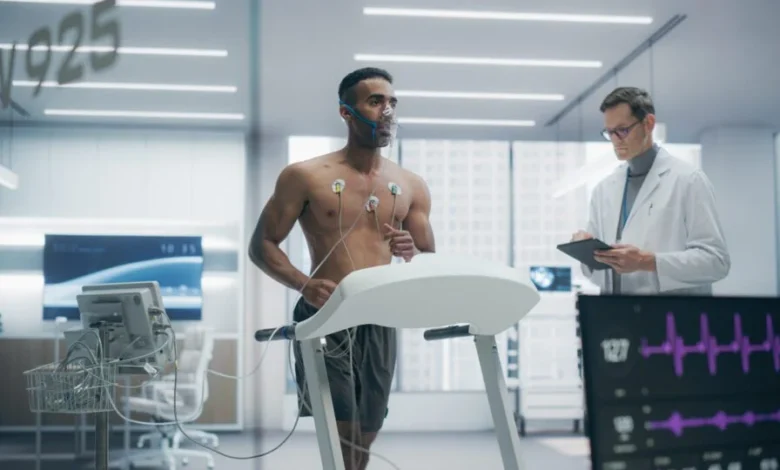
- VO2 Max (Maximal Oxygen Uptake): Once primarily for elite athletes, VO2 max is now recognized as a potent predictor of cardiovascular health, fitness, and longevity for everyone. It represents the maximum amount of oxygen your body can use during intense exercise. Higher VO2 max is associated with lower risk of heart disease, diabetes, cancer, stroke, and increased lifespan. A landmark study of 5,107 Danish men over 46 years found that those with above-average VO2 max in middle age lived five years longer than those with below-average levels.
- Why it matters: As we age, various physiological changes (stiffer chest walls, weaker lung muscles, less elastic blood vessels, declining heart function, muscle mass loss) reduce VO2 max, which typically declines by 10% per decade after age 30.
- How to measure it:
- Lab-based testing: The most accurate method (around $150), involving a metabolic mask and heart monitor during exhaustive exercise.
- 1-mile walk test: A validated formula incorporating weight, age, sex, walk time, and heart rate after a brisk mile walk. Online calculators are available.
- Smartwatch estimates: Many smartwatches provide VO2 max estimates, useful for tracking trends over time, though they can be inaccurate for absolute values.
- Cooper Test (12-minute run): Run as fast as possible for 12 minutes, record distance, and plug into a formula or online calculator. This test shows about 90% correlation with lab-based measurements.
Translating Data into Action: The Path to Longevity
The information gleaned from bio age testing, whether free or commercial, should be viewed simply as data—a snapshot of your current physiological state, not a moral judgment or a fixed destiny. Crucially, it’s not a permanent situation; biological age can be influenced and improved.
However, many individuals make two common mistakes when pursuing longevity-related lifestyle changes:
Mistake #1: Ignoring Evergreen, Big-Impact Strategies
The allure of novel, high-tech solutions often overshadows the profound impact of fundamental, "boring," and consistently effective health practices. Longevity is primarily built on the consistent application of evidence-based strategies, not quick fixes or trendy supplements. These "big rock" strategies include:
- Prioritizing regular physical activity: Combining aerobic exercise with strength training.
- Adopting a nutrient-dense diet: Emphasizing whole, unprocessed foods, fruits, vegetables, lean proteins, and healthy fats.
- Ensuring adequate, high-quality sleep: Aiming for 7-9 hours of restorative sleep per night.
- Effectively managing stress: Incorporating mindfulness, meditation, or other stress-reduction techniques.
- Cultivating strong social connections: Maintaining meaningful relationships.
- Avoiding harmful substances: Quitting smoking, moderating alcohol intake, reducing exposure to environmental toxins.
- Maintaining a healthy body composition: Focusing on muscle mass and appropriate body fat levels.
Thousands of studies consistently demonstrate that individuals who consistently implement these strategies not only live longer but also experience a higher quality of life, marked by greater strength, happiness, and reduced risk of age-related disability and pain. The challenge lies in behavioral change; adopting these habits requires discipline and often support, highlighting the value of certified health coaches trained in the science of habit formation.
Mistake #2: Not Turning Data into Action
Data, in isolation, does not extend life. Gathering biomarker data without subsequently modifying behavior is akin to checking a mirror, noticing a piece of spinach between your teeth, and choosing to leave it there. The value of the observation is realized only through the corrective action.
Biomarker testing serves as a baseline, a starting point for intervention. Its true utility lies in its ability to inform and guide behavioral changes and medical interventions, allowing individuals to track their progress toward a longer, healthier life. Without translating insights into actionable steps, the investment of time and money in testing becomes largely wasted.
Broader Implications and Ethical Considerations
The growing fascination with biological age and the rise of the "bio-hacking" movement, exemplified by Bryan Johnson, raise several broader implications. The pursuit of extreme longevity interventions, particularly those involving substantial financial investment or novel biological exchanges (like plasma infusions), can exacerbate health disparities, making advanced longevity potentially accessible only to the wealthy. Ethical questions regarding the safety and long-term effects of experimental treatments, especially those lacking robust clinical trial data, also come to the fore.
From a scientific perspective, while epigenetic clocks and other advanced biomarkers hold immense promise for research into the aging process and drug development, their application as precise, diagnostic tools for individual health management is still evolving. The scientific community largely emphasizes that while these tests offer intriguing insights, they should complement, not replace, traditional medical evaluations and the unwavering commitment to established healthy lifestyle practices.
Ultimately, the conversation around biological age testing should empower individuals with information. However, this empowerment is only meaningful when coupled with an understanding that true longevity and vitality are primarily achieved through consistent, disciplined engagement with fundamental health practices—the evergreen strategies that have stood the test of time, long before the advent of high-tech age clocks.
References
Click here to view the information sources referenced in this article.
For Health and Fitness Professionals
In a world increasingly focused on longevity, health and fitness professionals play a pivotal role. When clients are overwhelmed by stress and exhaustion, their ability to engage in healthy behaviors—from consistent exercise to mindful eating—is severely compromised. Equipping professionals with the right tools to address chronic stress, poor sleep, and inadequate recovery is essential for fostering lasting health transformations. The PN’s Level 1 Sleep, Stress Management, and Recovery (SSR) Coaching Certification provides these critical tools, building confidence and credibility for coaches to solve significant barriers to client progress and guide them toward a truly longer, healthier life.