
The traditional Mediterranean lifestyle, long celebrated for its association with longevity and reduced chronic disease risk, has been the subject of a comprehensive international study that reframes the concept from a mere dietary regimen to a holistic paradigm of living. While public health messaging has historically focused on the nutritional components of the Mediterranean diet—such as the consumption of olive oil, legumes, and fish—new research published in Frontiers in Nutrition suggests that the non-dietary elements of the lifestyle, including sleep quality, physical activity, and social connectivity, are equally critical to overall well-being. This massive cross-sectional study, involving over 4,000 participants across 10 countries, indicates that the health benefits associated with the Mediterranean region are the result of a complex interplay between environment, culture, and daily habits.
The Scope and Methodology of the International Study
The research team conducted an expansive analysis of 4,010 adults residing in a diverse array of nations, both within and bordering the Mediterranean basin. The countries included in the study were Spain, Italy, France, Germany, Türkiye, Jordan, Morocco, Algeria, Tunisia, and Luxembourg. This selection provided a unique opportunity to compare traditional Mediterranean populations with those in North Africa and Western Europe, where globalization and urbanization have significantly altered lifestyle patterns.
To measure adherence, researchers utilized the MedLife Index, a standardized 28-item tool designed to assess the Mediterranean lifestyle across three primary domains: food consumption, Mediterranean dietary habits (such as communal eating), and physical activity/rest/social habits. By moving beyond simple caloric or nutrient intake, the MedLife Index captures the "conviviality" of the Mediterranean way of life—a term used by sociologists to describe the social and cultural significance of shared meals and community engagement.
In addition to the MedLife Index, the study evaluated secondary health indicators, including sleep duration and quality, mental health status, and levels of physical exertion. This multi-dimensional approach allowed researchers to identify how different cultural and socioeconomic contexts influence the ability of individuals to maintain these health-promoting behaviors.
Geographical Variations: Spain Leads the Rankings
The findings revealed a stark contrast in lifestyle adherence between the surveyed nations. Spain emerged as the country with the highest overall adherence to the Mediterranean lifestyle. Spanish participants not only adhered closely to the traditional dietary patterns but also scored significantly higher in the "physical activity, rest, and social habits" domain. This suggests that the cultural infrastructure in Spain—which often includes walkable urban environments, a tradition of mid-day rest, and a robust social life—continues to support the lifestyle despite modern economic pressures.
Conversely, lower adherence levels were observed in non-Mediterranean countries like Germany and Luxembourg, as well as in several North African nations such as Algeria and Tunisia. In the North African context, researchers noted a concerning trend: while traditional diets in these regions were historically Mediterranean in nature, rapid urbanization and the influx of processed "Western" foods have led to a decline in adherence. This shift is frequently accompanied by higher rates of sedentary behavior and poorer sleep quality, highlighting the vulnerability of traditional health patterns to globalized market forces.
The Three Pillars of the MedLife Index
To understand why the Mediterranean lifestyle is more than just a diet, it is necessary to examine the three pillars used by the researchers to quantify healthy living:
1. Food Consumption Patterns
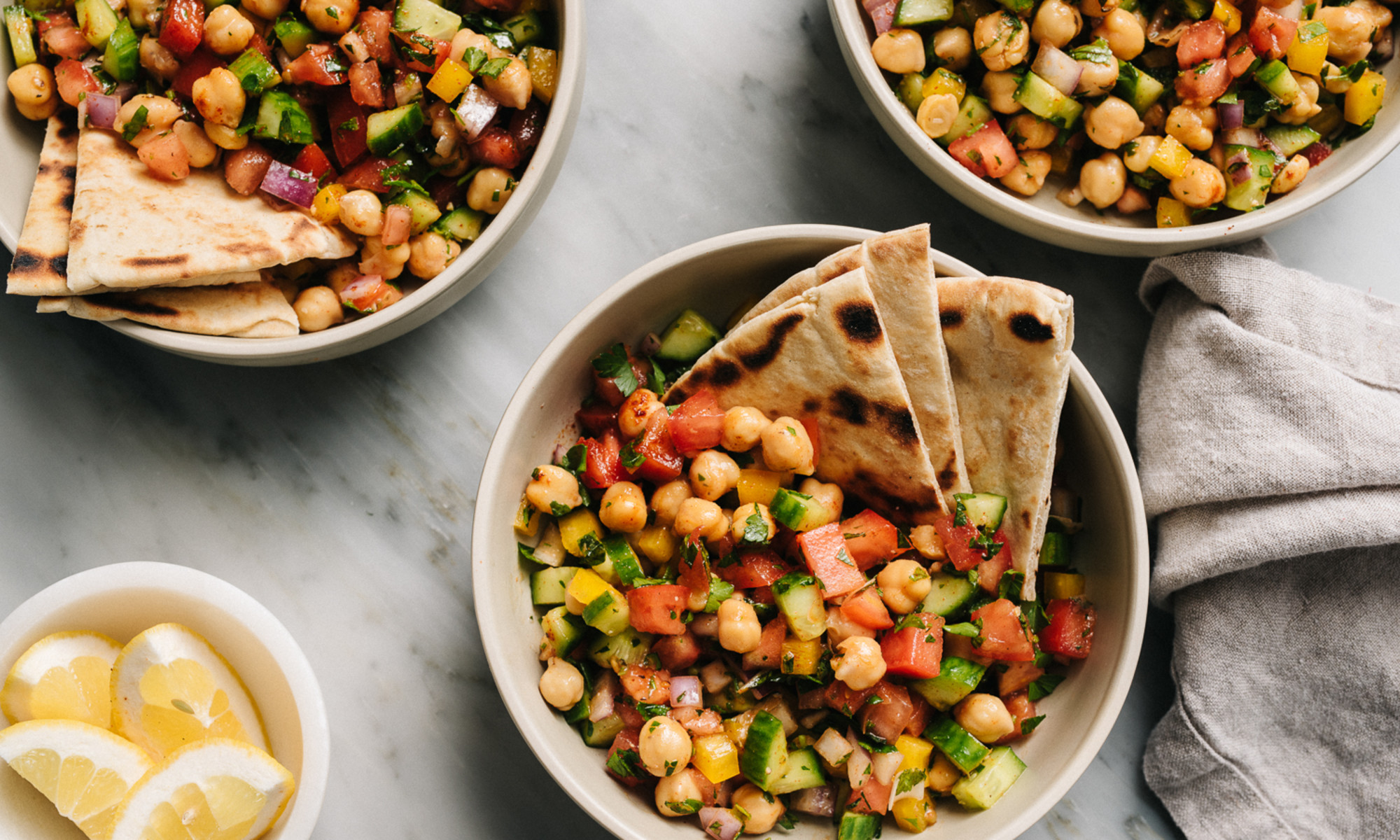
This pillar focuses on the intake of typical Mediterranean food groups. It emphasizes a high intake of fruits, vegetables, whole grains, and nuts; a moderate intake of fish and poultry; and a low intake of red meat and sweets. The primary source of fat is monounsaturated, specifically from extra-virgin olive oil. This data point confirmed that while nutrition remains a cornerstone, it is only one-third of the total health equation.
2. Mediterranean Dietary Habits
This domain measures how people eat rather than just what they eat. It includes the practice of communal dining, the limitation of snacking between meals, and the preference for local, seasonal produce. The study found that individuals who ate with family or friends regularly reported higher levels of life satisfaction and lower levels of stress, suggesting that the social aspect of eating serves as a psychological buffer.
3. Physical Activity, Rest, and Social Habits
Perhaps the most significant finding of the study was the impact of this third pillar. It encompasses regular physical activity (often integrated into daily life through walking), adequate nighttime sleep, the tradition of the "siesta" or short afternoon rest, and active social engagement. The study demonstrated that participants with high scores in this category had the best mental health outcomes and the lowest incidence of sleep disorders.
Historical Context and the Evolution of Mediterranean Research
The concept of the Mediterranean diet first gained international prominence in the 1950s through the work of American physiologist Ancel Keys. His "Seven Countries Study" highlighted the remarkably low rates of cardiovascular disease in Crete and Southern Italy compared to the United States and Northern Europe. However, early research was often criticized for being too narrow, focusing almost exclusively on fat types and cholesterol levels.
In 2010, UNESCO recognized the Mediterranean Diet as an "Intangible Cultural Heritage of Humanity," explicitly stating that the "diet" is a set of skills, knowledge, rituals, symbols, and traditions ranging from the landscape to the table. This new study provides the empirical data to support UNESCO’s cultural definition. It moves the conversation from the laboratory to the community, proving that the health outcomes observed by Keys and his successors were likely the result of the entire cultural ecosystem rather than olive oil alone.
The Interconnection of Sleep, Stress, and Mental Health
A critical enrichment of this study is its focus on mental health and sleep. The researchers found that adherence to the Mediterranean lifestyle was inversely correlated with symptoms of depression and anxiety. This is particularly relevant in the post-pandemic era, where global mental health challenges have surged.

The study suggests that the Mediterranean lifestyle acts as a "circadian regulator." By emphasizing outdoor activity (exposure to natural light), consistent rest patterns, and social support, the lifestyle helps maintain the body’s internal clock. Poor sleep quality was most prevalent in participants from countries with low MedLife Index scores, particularly in regions where long working hours and digital connectivity have eroded traditional rest periods.
Socioeconomic Implications and Public Health Analysis
The data presented in the study carries significant implications for public health policy. One of the most important takeaways is that the Mediterranean lifestyle is not a luxury but a cultural framework that can be threatened by socioeconomic shifts. In North African countries, the decline in Mediterranean adherence is often linked to the "nutrition transition," where traditional markets are replaced by supermarkets stocking energy-dense, nutrient-poor foods.
For policymakers in Western nations, the study suggests that promoting "Mediterranean eating" is insufficient if the social and environmental conditions do not allow for movement and rest. Urban planning that prioritizes walkability and the creation of social spaces may be just as important for heart health as dietary guidelines.
Conclusion: A Blueprint for Global Longevity
The conclusion of this massive international study is clear: the Mediterranean lifestyle is a comprehensive "way of being" that integrates nutrition with social and physical harmony. While the geographical Mediterranean provides the historical blueprint, the researchers argue that the principles of the MedLife Index are transferable to any global context.
The takeaway for the general public is to "zoom out" from the dinner plate. While choosing fish over red meat or olive oil over butter remains beneficial, the true power of the Mediterranean secret lies in the quality of one’s sleep, the frequency of one’s walks, and the strength of one’s social bonds. As the world faces an aging population and a rise in lifestyle-related diseases, this research provides a holistic, evidence-based roadmap for adding not just years to life, but life to years. Adopting the Mediterranean lifestyle requires a shift in perspective—moving away from the "quick fix" of a diet and toward the sustainable practice of a balanced life.