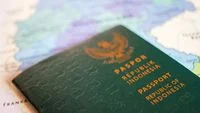
For millions of Indonesian citizens, the convenience of traveling across Southeast Asia has become a staple of modern tourism and business mobility. Crossing borders into neighbors like Singapore, Malaysia, or Thailand often requires little more than a valid passport and a boarding pass. This seamless travel experience, which many now take for granted, is not a mere coincidence or an act of unilateral generosity by host nations. Instead, it is the result of decades of diplomatic labor, regional integration, and the formalization of the ASEAN Framework Agreement on Visa Exemption.
The Diplomatic Foundation of Regional Mobility
The origins of current visa-free travel for Indonesian citizens within the Association of Southeast Asian Nations (ASEAN) trace back to a pivotal moment in regional cooperation. On July 25, 2006, in Kuala Lumpur, Malaysia, the foreign ministers of ASEAN member states signed the ASEAN Framework Agreement on Visa Exemption. This landmark accord was designed to foster closer ties among the ten member nations by reducing the bureaucratic friction that historically hindered human interaction and economic exchange.
For Indonesia, this agreement was formally integrated into national law through Presidential Regulation (Perpres) Number 19 of 2009. By ratifying this agreement, Indonesia committed to the principle of reciprocity, allowing citizens of fellow ASEAN nations to enter its territory without a visa for short-term stays, while securing the same right for Indonesians traveling abroad. This legal framework serves as the bedrock for the current regional landscape, transforming how Indonesians perceive travel to their immediate geographic neighbors.
Chronology and Evolution of ASEAN Visa Policies
The path to visa-free travel was not achieved in a single stroke. Historically, Southeast Asian countries maintained rigid border controls rooted in post-colonial state-building efforts. However, as the ASEAN economic bloc began to solidify in the late 1990s and early 2000s, the need for a more integrated labor and tourism market became evident.
- 1967: The Bangkok Declaration establishes ASEAN, initially focusing on political stability and anti-communism rather than mobility.
- 1990s: Growing awareness of the "ASEAN identity" leads to preliminary discussions on easing travel restrictions.
- 2006: The formal signing of the ASEAN Framework Agreement on Visa Exemption in Kuala Lumpur.
- 2009: Indonesia ratifies the agreement, codifying the rights of its citizens to visa-free travel within the bloc.
- 2015: The launch of the ASEAN Economic Community (AEC), which further emphasized the need for free movement of skilled labor and tourism as a driver of regional GDP.
Today, this framework is considered one of the most successful examples of regional integration in the Global South, serving as a model for other organizations like the African Union or the Caribbean Community (CARICOM) in their pursuit of visa-free travel zones.
Supporting Data and Statistical Significance
The impact of these visa-free policies on regional tourism is profound. According to data from the ASEAN Secretariat, intra-regional tourism accounts for nearly 40% of all international arrivals within the bloc. For Indonesia, the benefits are clear. Before the global health disruptions of 2020, millions of Indonesian tourists visited Singapore, Malaysia, and Thailand annually.
Travel analysts note that the removal of the visa requirement—which typically involves an application fee, document submission, and a waiting period—lowers the "cost of entry" for travelers. For a family of four, avoiding visa fees (which can range from $20 to $50 per person) makes regional travel significantly more accessible for the growing Indonesian middle class. Furthermore, the absence of visa requirements encourages "spontaneous travel," which sustains the retail, aviation, and hospitality sectors of host nations.
The Limits of Freedom: Understanding "Visa-Free"
It is a common misconception that "visa-free" implies an absolute right of entry. While the agreement facilitates travel, it does not strip immigration authorities of their sovereignty. Every ASEAN country maintains the legal right to deny entry to individuals who fail to meet basic requirements.
Travelers are still bound by the following standard regulations:
- Passport Validity: A passport must have at least six months of validity remaining from the date of entry.
- Duration of Stay: The agreement specifically covers short-term visits—typically ranging from 14 to 30 days depending on the country. It does not grant indefinite residency.
- Financial Proof and Itinerary: Immigration officers reserve the right to request proof of onward travel (return tickets), evidence of sufficient funds to cover the duration of the stay, and details regarding accommodation.
- Security Screening: The waiver does not exempt travelers from national security databases. Individuals with criminal records or those flagged by international security agencies can still be refused entry.
Official Perspectives and Regulatory Compliance
From an official standpoint, the Indonesian Ministry of Foreign Affairs and the Directorate General of Immigration consistently remind citizens that visa-free status is a privilege, not an absolute right. In recent briefings, immigration officials have emphasized that travelers must strictly adhere to the purpose of their visit.
"Visa-free travel is strictly for tourism, social visits, or transit," states a representative from the regional migration desk. "It is not a substitute for work permits or student visas." The misuse of a tourist visa to engage in unauthorized employment is the leading cause of deportation for Indonesian nationals abroad. Authorities advise that those seeking employment, education, or long-term residence must strictly follow the visa application processes mandated by the destination country, regardless of their status as an ASEAN citizen.
Broader Economic and Geopolitical Implications
The policy of visa-free travel within ASEAN has broader implications that extend beyond tourism. It acts as a primary driver of the "ASEAN Identity," helping to foster a sense of community among diverse cultures, languages, and political systems. By reducing the barriers to physical contact, the agreement encourages cross-border investment and trade.
However, the framework also presents challenges. Governments must constantly balance the need for ease of movement with the imperatives of national security, especially in an era of transnational crime and human trafficking. This has led to the modernization of border infrastructure, with many ASEAN nations implementing electronic arrival cards (such as the SG Arrival Card in Singapore) to track visitor flow more efficiently without reverting to the cumbersome physical visa system.
Recommendations for Future Travelers
As travel patterns continue to evolve in the post-pandemic era, the landscape of entry requirements remains dynamic. While the ASEAN Framework Agreement remains in effect, individual nations may occasionally introduce temporary adjustments due to public health crises or security alerts.
To ensure a seamless travel experience, experts recommend the following:
- Verify Official Channels: Always consult the official website of the destination country’s embassy or immigration department, as policies can change with little notice.
- Prepare Documentation: Even when not required to apply for a visa, carry physical or digital copies of hotel bookings and return flight confirmations.
- Respect Local Laws: Adherence to the rules of the host country is paramount to maintaining the integrity of the visa-free agreement.
Ultimately, the visa-free status enjoyed by Indonesians within ASEAN is a testament to the stability and maturity of the regional bloc. It serves as a vital component of the Southeast Asian experience, enabling millions to explore the region’s diverse cultures while strengthening the economic and social bonds that hold the association together. As the region continues to integrate, the maintenance of these mobility rights will remain a central pillar of its collective success.