Nicole Eggert Opens Up About the Financial Toxicity of Breast Cancer Treatment as a Single Mother

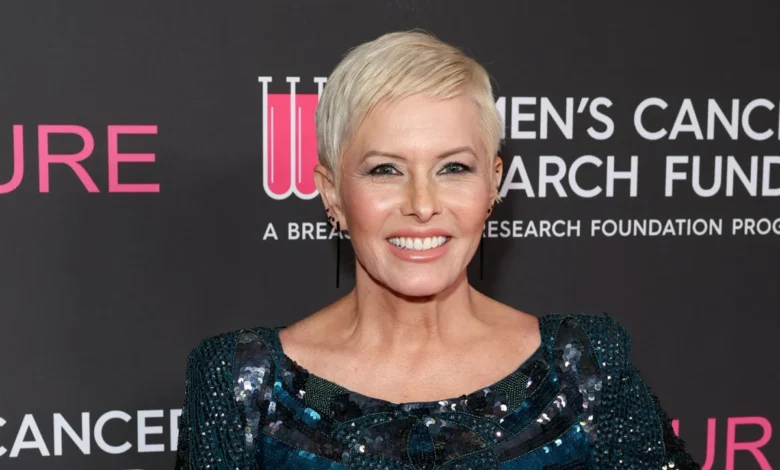
The intersection of aggressive medical intervention and the harsh realities of household economics has long been a challenge for patients, but for former Baywatch star Nicole Eggert, this struggle has become a public focal point. Diagnosed with stage 2 breast cancer in December 2023, the actress has provided a candid look into the often-overlooked phenomenon known as financial toxicity. As she navigates the complexities of treatment while serving as a sole provider for her teenage daughter, Keegan, Eggert’s experience underscores a broader systemic issue where the cost of survival often threatens the stability of a patient’s life outside of the hospital walls.
A Chronology of a Public Health Journey
The timeline of Eggert’s diagnosis and subsequent treatment began in late 2023, a period that fundamentally shifted her professional and personal trajectory. Following her stage 2 diagnosis, the medical necessity of immediate intervention required a complete reassessment of her ability to maintain a standard work schedule. Acting, a profession that demands long hours on set and significant physical presence, proved incompatible with a treatment regimen that required her presence at medical facilities for three to five days per week.
By the spring of 2024, the reality of the situation had set in: the loss of steady income, coupled with the rising costs associated with oncology appointments, medication, and the general upkeep of a household, began to exert significant pressure. Throughout 2024 and 2025, Eggert navigated various stages of care, balancing the physiological demands of recovery with the administrative burden of managing her family’s finances. As of November 2026, her reflections serve as a poignant reminder that while clinical outcomes are the primary goal of oncological care, the socioeconomic outcomes are equally vital to a patient’s long-term wellbeing.
Understanding Financial Toxicity in Oncology
The term "financial toxicity" was first popularized in medical literature around 2013, specifically to describe the objective and subjective financial distress patients experience due to the cost of cancer treatment. According to the National Cancer Institute (NCI), this distress is not merely a matter of high bills; it is a clinical factor that can impact a patient’s adherence to treatment plans. When patients face the choice between paying for essential medical services and meeting basic living expenses—such as housing, utilities, and childcare—many are forced to delay care, skip doses, or forgo supportive therapies altogether.
Data from the American Cancer Society indicates that nearly one-third of cancer survivors report significant financial burden, a statistic that disproportionately affects younger patients. Younger adults, like Eggert, who are often in the peak years of raising children or building careers, frequently lack the financial safety nets or accumulated savings that might cushion older retirees against the sudden onset of expensive, long-term health crises. The NCI emphasizes that even those with comprehensive health insurance can find themselves overwhelmed by the "hidden" costs of care, including high deductibles, mounting copayments for specialized diagnostic imaging, and out-of-pocket costs for supportive medications that insurance may only partially cover.
The Realities of Single Parenthood During Illness
For Eggert, the struggle is compounded by her status as a "100% single parent." While her older daughter, Dilyn, has transitioned into adulthood, the daily requirements of supporting a teenager at home remain constant. In interviews conducted in late 2026, Eggert highlighted that cancer does not pause the operational costs of life. Gasoline, food, utilities, and the developmental needs of an adolescent continue to require funding, regardless of a parent’s medical status.
The psychological weight of this situation is profound. Patients often report that the guilt of being unable to maintain the status quo for their children is as damaging as the physical symptoms of the disease. Eggert’s admission—that she had to learn to vocalize her needs and accept external support—is a common milestone in the patient journey. Experts in psycho-oncology suggest that shifting the narrative from "self-reliance" to "resource mobilization" is a critical step in managing the stress associated with chronic or life-threatening illness.

Broader Implications and Socioeconomic Impacts
The financial challenges facing cancer patients are increasingly being recognized as a public health crisis that requires systemic intervention. Economists and healthcare policy analysts point to several factors driving this trend:
- Rising Cost of Care: The rapid advancement of targeted therapies and immunotherapy, while life-saving, often comes with astronomical price tags that shift more of the financial burden onto the patient.
- Labor Market Inflexibility: Many industries lack the robust paid leave policies required for employees undergoing intensive treatment. When a patient cannot work, their income often drops to zero, creating a deficit that is difficult to recover from post-treatment.
- Inflation and Cost of Living: Broad economic pressures have exacerbated the financial vulnerability of families already dealing with medical crises.
The impact of financial toxicity extends beyond the period of active treatment. Many survivors face a "financial hangover," characterized by depleted savings, compromised credit scores, and long-term medical debt. This can limit their ability to return to the workforce effectively or invest in their own future, creating a cycle of economic instability that can last for years after the cancer has been declared in remission.
The Role of Advocacy and Support Systems
Eggert’s transparency has sparked a broader conversation about the necessity of robust support networks. Organizations such as the American Cancer Society and various patient advocacy groups have long urged for more integrated financial counseling at the point of diagnosis. The goal is to move beyond clinical care to include financial navigation—services that help patients manage insurance appeals, identify local financial assistance programs, and connect with community resources designed to fill the gaps left by traditional insurance.
There is also a growing push for legislative reform regarding medical debt. Some states have begun to implement policies that limit the ability of hospitals to pursue aggressive collection tactics against patients undergoing cancer treatment. Furthermore, there is a movement to standardize the disclosure of treatment costs so that patients and their families can make informed decisions before committing to specific procedures.
Conclusion
Nicole Eggert’s journey through breast cancer treatment serves as a mirror for the millions of Americans who find themselves caught in the precarious space between medical necessity and economic survival. Her story illustrates that the challenges of a cancer diagnosis are not contained within the walls of an oncology ward; they permeate every aspect of the patient’s daily existence.
As the medical community continues to make strides in the treatment of breast cancer, the focus must also broaden to address the socioeconomic determinants of health. Providing equitable care means not only improving survival rates but also ensuring that those who survive are not left in a state of financial ruin. The resilience displayed by individuals like Eggert in speaking out about these hardships is a vital component of changing the narrative, advocating for policy changes, and fostering a culture where asking for help is recognized as a necessary survival strategy rather than a sign of weakness.
Ultimately, the goal is to create a healthcare environment where the stress of financial survival does not compete with the physical demands of healing. Until such systems are fully integrated, the personal stories of those affected—like Eggert—will continue to serve as the most powerful evidence of the work that remains to be done.