Kelly Ripa Returns to Live with Kelly and Mark Following Six Week Medical Hiatus for Oral Surgery

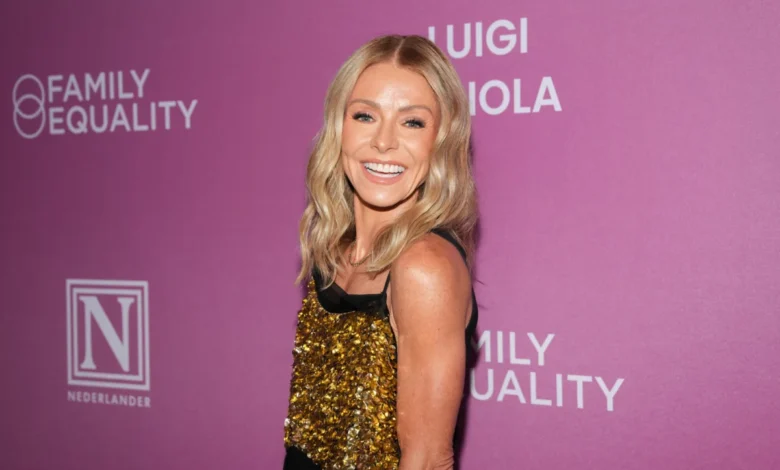
Television host Kelly Ripa has officially resumed her seat on the set of the popular daytime talk show Live with Kelly and Mark, marking the end of a six-week absence necessitated by a complex periodontal procedure. The 55-year-old broadcaster, who has been a fixture of morning television for decades, stepped away from her hosting duties in late July to undergo a significant gum graft surgery. Her return on September 9, 2026, alongside her husband and co-host Mark Consuelos, signals a full recovery from a medical challenge that highlighted the often-overlooked realities of intensive dental health maintenance.
The decision to undergo the surgery was not impulsive; rather, it was the culmination of years of managing dental issues stemming from what Ripa described as an overly aggressive oral hygiene routine. While the public often associates television personalities with cosmetic dental enhancements, Ripa’s case serves as a reminder of the restorative and reconstructive nature of periodontal health.
The Chronology of Recovery and Medical Guidance
The necessity for the surgery arose from chronic, long-term wear on Ripa’s gum tissue. According to insights shared by the host, years of meticulous, and perhaps excessive, brushing and flossing routines had resulted in significant gum recession. This condition, if left untreated, can lead to tooth sensitivity, root exposure, and, in advanced stages, tooth loss.
Ripa admitted during her initial return to the program that she had delayed the surgical intervention for approximately five years, attempting to push the procedure into a post-retirement timeline. However, professional dental advice eventually dictated that the procedure could no longer be postponed. The surgery required a recovery period that was far more invasive than standard dental work. Periodontists specifically ordered a 10-day period of total vocal rest to ensure the stability of the graft site.
The challenge of maintaining vocal rest proved to be a point of friction between the patient and the medical team. Ripa, whose career relies entirely on her ability to communicate, found the silence difficult to maintain. By her own admission, she ignored the strict vocal rest protocols, continuing to speak throughout her recovery. This decision resulted in significant, visible inflammation, particularly around her lower lip. The swelling was so severe that it prompted confusion among the production staff at the studio, who at one point suspected the host might have been attempting to work while still using medical packing or cotton swabs from the surgery.
The Science and Reality of Gum Grafting
Gum graft surgery, technically known as a gingival graft, is a periodontal procedure performed to correct gum recession. The goal is to cover exposed tooth roots and reinforce thin or receding gum tissue. The process typically involves taking a small amount of tissue from the roof of the mouth or a donor source and attaching it to the affected area.
Medical data indicates that the recovery period for such a procedure is highly dependent on patient compliance with post-operative care. Common complications following a graft include edema (swelling), hematoma, and sensitivity. While the procedure itself is highly successful, the tissue remains delicate for several weeks.
Experts in periodontics generally emphasize that the "over-brushing" phenomenon observed in Ripa’s case is a common occurrence in patients who are highly diligent about their health. Using hard-bristled brushes or applying excessive pressure during brushing can strip away the gingival margin. This condition is often referred to as "toothbrush abrasion." The dental community frequently advises patients that oral hygiene is a practice of precision rather than force, yet high-profile individuals under constant public scrutiny often adopt extreme habits in an attempt to maintain a "camera-ready" smile.

Professional Dynamics and Public Reaction
The return of the husband-and-wife duo to the morning talk show format has been met with typical audience engagement. Mark Consuelos, who has co-hosted the show alongside his wife since 2023, utilized the situation to inject a sense of levity into the transition back to the studio. During the broadcast, Consuelos noted that his wife’s difficulty in following medical instructions is a recurring theme in their domestic life.
From a production standpoint, the six-week hiatus required the show to utilize a series of guest hosts to maintain the program’s daily rhythm. The reliance on guest talent is a standard contingency in the daytime television industry, yet the chemistry between Ripa and Consuelos remains the primary draw for their demographic. The audience’s reaction to Ripa’s candid disclosure regarding her medical journey has been largely supportive, with many viewers expressing appreciation for the transparency surrounding a health issue that is rarely discussed in the context of celebrity lifestyle.
The Broader Implications of Oral Health Transparency
The coverage of Ripa’s surgery highlights a growing trend in celebrity journalism where hosts are increasingly open about medical procedures that fall outside the realm of elective cosmetic surgery. By detailing the cause of her surgery—specifically the consequences of aggressive oral hygiene—Ripa has inadvertently provided a public service message regarding dental care.
The implications for the television industry are also worth noting. The high-stress, high-visibility nature of hosting a daily talk show creates a unique environment where physical health must often be balanced against professional obligations. Ripa’s decision to finally address the five-year-old issue serves as a case study for the necessity of prioritizing long-term health over immediate professional appearance.
Furthermore, the incident underscores the physical toll of television production. The requirement for a specific aesthetic, combined with the pressure to maintain a high energy level, can often lead to the neglect of personal health. Ripa’s return serves as an indicator that the industry is perhaps becoming more accommodating of the recovery periods required for non-emergency but medically necessary interventions.
Looking Ahead
As Kelly Ripa resumes her full-time schedule, the focus will likely shift back to the day-to-day operations of the show. Her recovery process serves as a reminder that even for those who seemingly have access to the best healthcare and resources, the physiological healing process remains non-negotiable.
Ripa has confirmed that she is now fully healed and has adjusted her oral hygiene habits to prevent further damage. Her experience has resulted in a public "retraining" of her daily routine, which she now characterizes as a necessary shift in perspective. As she moves forward, the episode stands as a testament to the fact that no individual, regardless of their status or the demands of their career, is immune to the fundamental requirements of human health and the necessity of listening to medical professionals, even when the patient is as vocal as the host of a major morning show.
The return of the show to its regular hosting lineup is expected to stabilize the program’s performance as it enters the final quarter of the year. With the medical hurdle cleared, the focus returns to the entertainment and lifestyle content that has defined the program’s long-standing success in the competitive daytime market. The transparency provided throughout this six-week period not only humanized the host but also provided a relatable narrative that resonated with a broad audience, illustrating the intersection of professional success and the universal challenge of health maintenance.