Acha Septriasa Thrives Down Under: A Journey of Single Parenthood, Fitness, and Australian Life

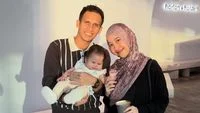
Indonesian actress Acha Septriasa is currently embracing a vibrant chapter of her life in Australia, where she resides with her daughter, Bridgia Kalina Kharisma. Despite navigating the journey as a single parent, Septriasa’s spirit remains undimmed, largely attributed to the constant companionship and joy her daughter brings to her daily existence. Her social media presence offers a captivating glimpse into this new Australian lifestyle, showcasing a blend of personal contentment, athletic pursuits, and the picturesque landscapes of the Land Down Under.
A Glimpse into Daily Life in the ‘Land of Kangaroos’
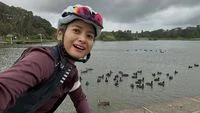
Through regular updates on her Instagram account, @septriasaacha, the former star of the hit film Heart consistently shares moments from her life in Australia. These posts often depict a serene and active existence, far removed from the bustling entertainment industry she once dominated. One recurring theme is her evident enjoyment of the outdoors and physical activity. Images frequently capture Septriasa engaging in leisurely cycling excursions, often against the backdrop of breathtaking natural scenery, such as tranquil lakes that highlight the serene beauty of her adopted homeland.
The visual narrative on her social media suggests a deliberate embrace of a healthier, more balanced lifestyle. Septriasa is not merely a passive observer of her surroundings; she actively participates in them. Her cycling posts, in particular, often showcase a keen sense of personal style. She is frequently seen sporting a complete cycling ensemble, from protective helmets to stylish sunglasses, indicating a thoughtful approach to both her activities and her appearance. This attention to detail, even in casual settings, reflects a refined aesthetic that has long been a hallmark of her public persona.
Beyond the Bike: A Passion for Running and Fitness
Septriasa’s dedication to an active lifestyle extends beyond cycling. She has also revealed a strong affinity for running, a passion that has seen her participate in organized events. A notable instance captured on her Instagram featured her taking part in a marathon, with the iconic Sydney Harbour Bridge serving as a dramatic and recognizable backdrop. This photograph underscored her commitment to pushing her physical limits and embracing the challenges that come with competitive running.
In a candid caption accompanying the marathon photo, Septriasa shared her achievement: "Lari setengah maraton 2 jam 11 menit" (Half marathon run 2 hours 11 minutes). This statement provides concrete evidence of her dedication and the significant effort she invests in her running regimen. Achieving a sub-2:15 half marathon time is a commendable feat, indicating a consistent training schedule and a good level of cardiovascular fitness. This personal record not only demonstrates her athletic prowess but also serves as an inspiration to her followers.
A Holistic Approach to Well-being
The breadth of Septriasa’s fitness routine is evident from a review of her Instagram feed. It is clear that she prioritizes a holistic approach to her well-being, integrating various forms of exercise into her weekly schedule. While cycling and running are prominently featured, her commitment to physical fitness is further demonstrated by her regular visits to the gym. These posts, often showcasing her engaging in strength training or other gym-based activities, paint a picture of a woman who is dedicated to maintaining her physical health and vitality.
This consistent engagement with diverse fitness disciplines suggests a deeper motivation than simply maintaining an image. It points towards a genuine appreciation for the physical and mental benefits that exercise provides. In the context of single parenthood, particularly in a foreign country, a robust fitness routine can serve as a crucial outlet for stress relief, a source of personal empowerment, and a means of maintaining energy levels required to manage daily responsibilities.
The Australian Context: A Hub for Active Lifestyles
Australia, as a nation, is renowned for its outdoor culture and emphasis on an active lifestyle. From its world-class beaches and expansive parklands to its well-developed network of cycling paths and running tracks, the country offers an ideal environment for individuals seeking to embrace physical activity. Cities like Sydney, where Septriasa has been seen participating in marathons, are particularly known for their vibrant sporting communities and numerous organized events.
The Australian Bureau of Statistics, in its "Physical Activity and Sport" reports, consistently highlights high participation rates in recreational activities. For instance, data often indicates that a significant percentage of the Australian population engages in walking, running, or cycling for exercise at least once a week. This societal predisposition towards fitness likely provides Septriasa with a supportive and encouraging environment, where her active pursuits are not only accepted but are also a common and celebrated aspect of daily life.
Navigating Single Parenthood in a New Environment
Septriasa’s move to Australia and her subsequent focus on a healthy, active lifestyle can be viewed through the lens of her personal circumstances. As a single parent, she shoulders the primary responsibility for her daughter’s upbringing. This demanding role requires significant emotional, physical, and mental resilience. Establishing a routine that incorporates regular exercise can be a powerful tool for managing the inherent stresses of single parenthood. It offers a dedicated time for self-care, allowing for mental rejuvenation and a physical release of tension.
The presence of her daughter, Bridgia Kalina Kharisma, appears to be a central pillar of Septriasa’s happiness. The social media posts often depict a strong mother-daughter bond, with Bridgia frequently included in family outings and activities. This suggests that Septriasa has successfully integrated her personal life with her new environment, creating a nurturing and engaging world for her daughter while simultaneously pursuing her own interests. The Australian setting, with its abundance of family-friendly activities and safe outdoor spaces, undoubtedly contributes to this harmonious balance.
Potential Implications and Broader Impact
Septriasa’s public sharing of her life in Australia, particularly her focus on fitness and single parenthood, carries several potential implications. Firstly, she serves as a role model for many, especially for women navigating similar life stages. Her apparent contentment and active engagement with life can offer encouragement and inspiration to others facing challenges such as single parenthood, relocation, or the pursuit of personal goals.
Secondly, her journey highlights the increasing interconnectedness of global lifestyles and the influence of cultural environments on individual choices. By choosing to reside in Australia and embracing its active culture, Septriasa demonstrates how individuals can adapt and thrive in new settings, drawing inspiration from their surroundings to enhance their well-being.
Furthermore, her active presence on social media contributes to a broader narrative surrounding celebrity lives. Instead of focusing solely on the glamour of the entertainment industry, Septriasa’s content offers a more grounded and relatable portrayal of life, emphasizing personal growth, family, and healthy living. This shift in focus can contribute to a more nuanced public perception of public figures, showcasing their lives beyond the red carpet and on-screen personas.
A Look Towards the Future
As Acha Septriasa continues to document her Australian journey, her narrative is one of resilience, self-discovery, and the embrace of a fulfilling life. Her commitment to fitness, coupled with the evident joy she finds in her daughter’s presence, paints a picture of a woman who has successfully redefined happiness on her own terms. The picturesque landscapes of Australia provide a fitting canvas for this evolving chapter, suggesting that her story is far from over and will continue to inspire and resonate with audiences worldwide. The ongoing engagement with her followers indicates a sustained interest in her life and the positive choices she is making, solidifying her position as a relatable and admirable public figure. Her experiences offer a testament to the power of personal growth, the importance of strong familial bonds, and the transformative potential of embracing new environments and healthy lifestyles.